Air conditioning systems are designed to keep homes comfortable, but their performance depends heavily on how well they are maintained. Many homeowners wait until something breaks before calling a technician, not realizing that small, hidden issues can quietly reduce efficiency long before the system fails.
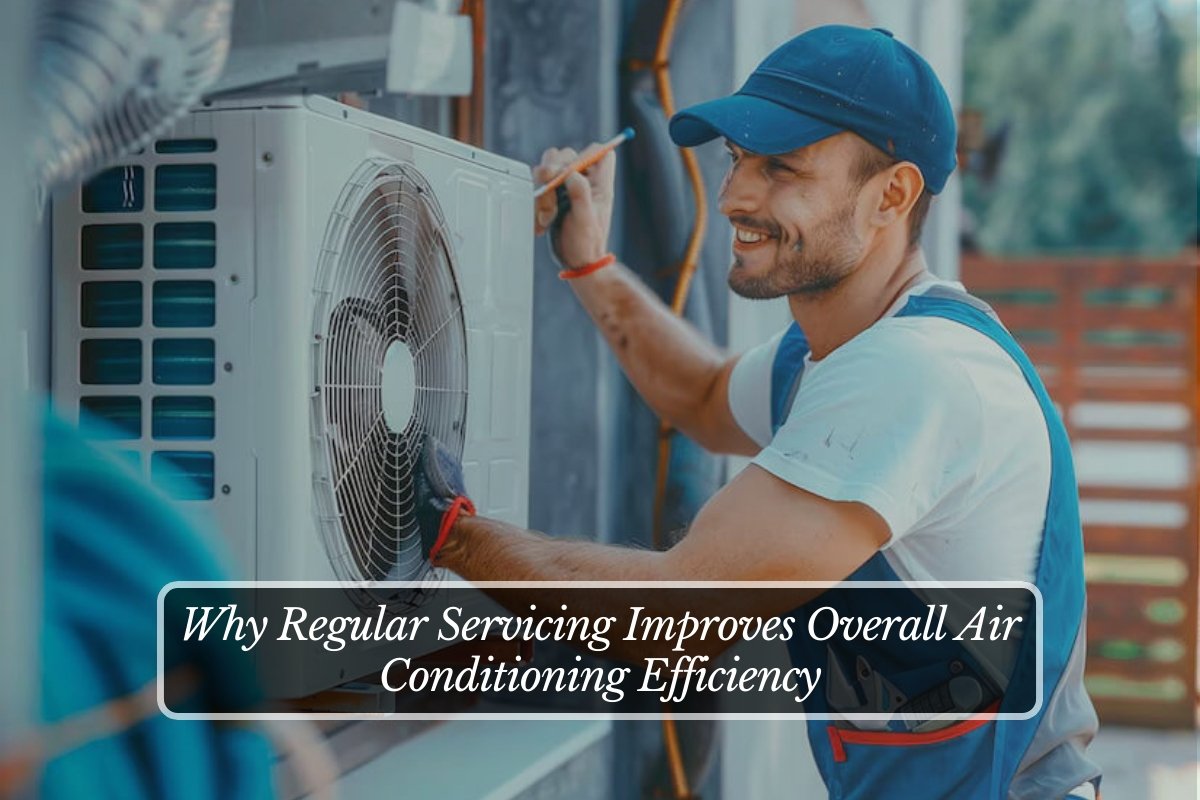
Regular servicing is one of the most effective ways to ensure an air conditioner runs smoothly, uses less energy, and delivers consistent comfort. Understanding how routine maintenance improves overall efficiency helps homeowners make smarter decisions about long-term system care.
How Efficiency Is Affected Inside the System
An air conditioner’s efficiency depends on the balance between airflow, refrigerant levels, electrical performance, and mechanical operation. When any one of these elements is slightly off, the system must work harder to achieve the same cooling result.
Dust buildup, worn components, minor leaks, and calibration issues often develop gradually. Without servicing, these small problems accumulate and force the system to use more energy, run longer cycles, and experience greater wear. Regular maintenance restores balance and keeps all components operating as intended.
Clean Components Allow Better Airflow and Cooling
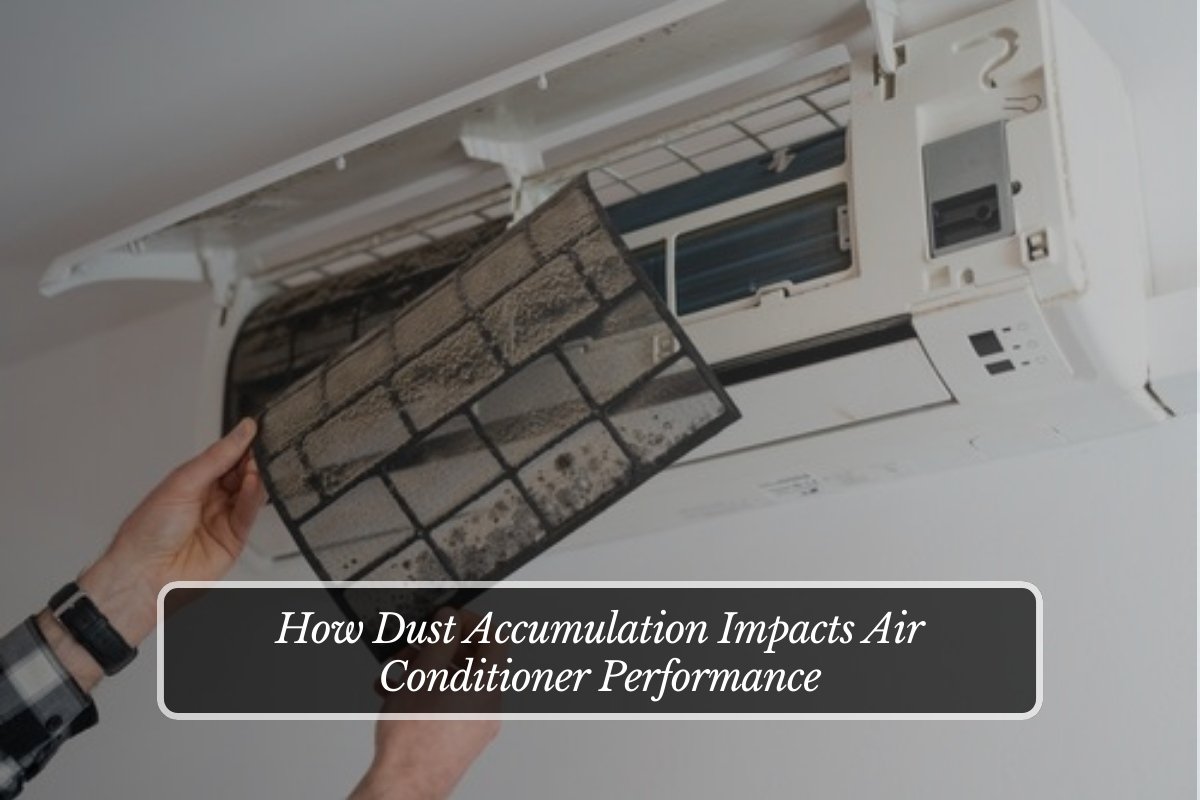
One of the most common causes of reduced efficiency is dirt buildup. Over time, dust and debris collect on filters, coils, and internal parts.
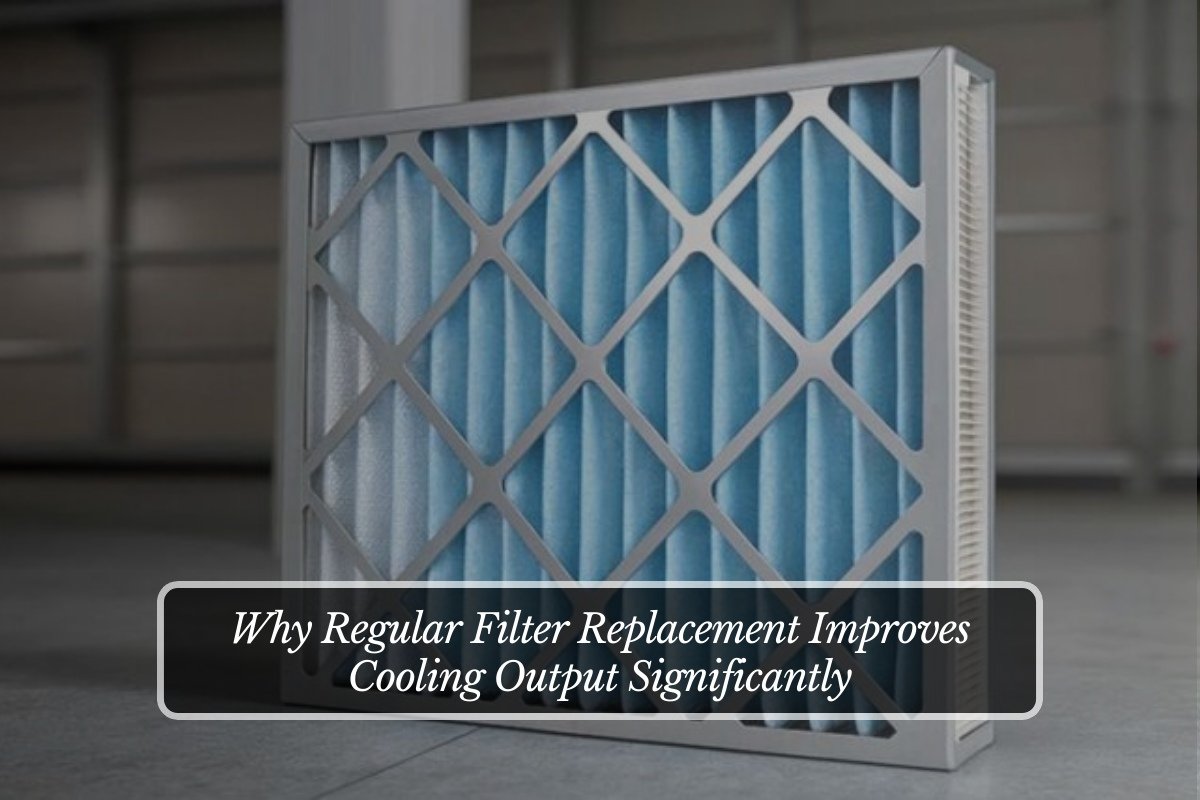
When coils are dirty, they cannot transfer heat effectively. When filters are clogged, airflow becomes restricted. Both issues force the system to run longer and harder to cool the same space. During regular servicing, technicians clean critical components, allowing air to flow freely and heat exchange to occur efficiently. This directly improves cooling performance while lowering energy use.
Proper Refrigerant Levels Support Optimal Performance
Refrigerant plays a central role in the cooling process. If levels are too low due to leaks or improper charging, the system cannot absorb and release heat efficiently.
Low refrigerant levels often cause longer run times, uneven cooling, and increased strain on the compressor. During a service visit, technicians check refrigerant levels and inspect for leaks. Maintaining correct levels ensures the system operates within its designed efficiency range rather than compensating for hidden deficiencies.
Calibrated Controls Improve Energy Use
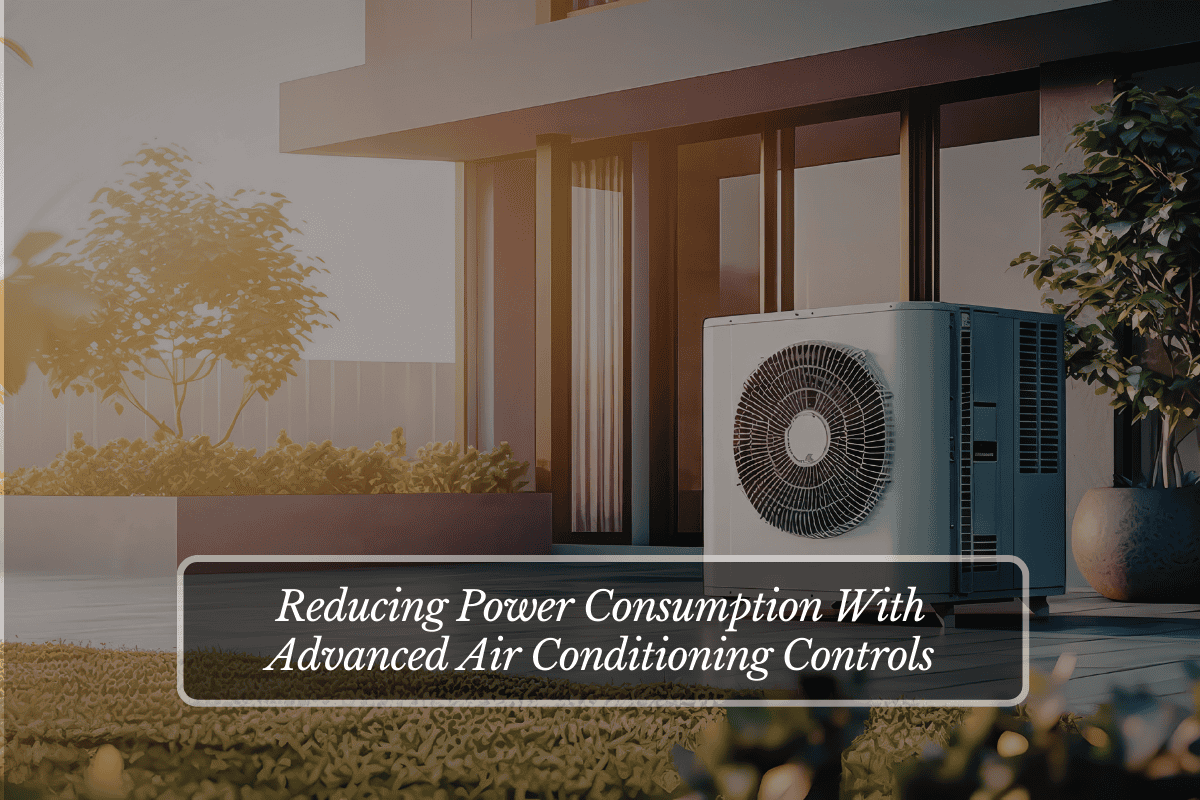
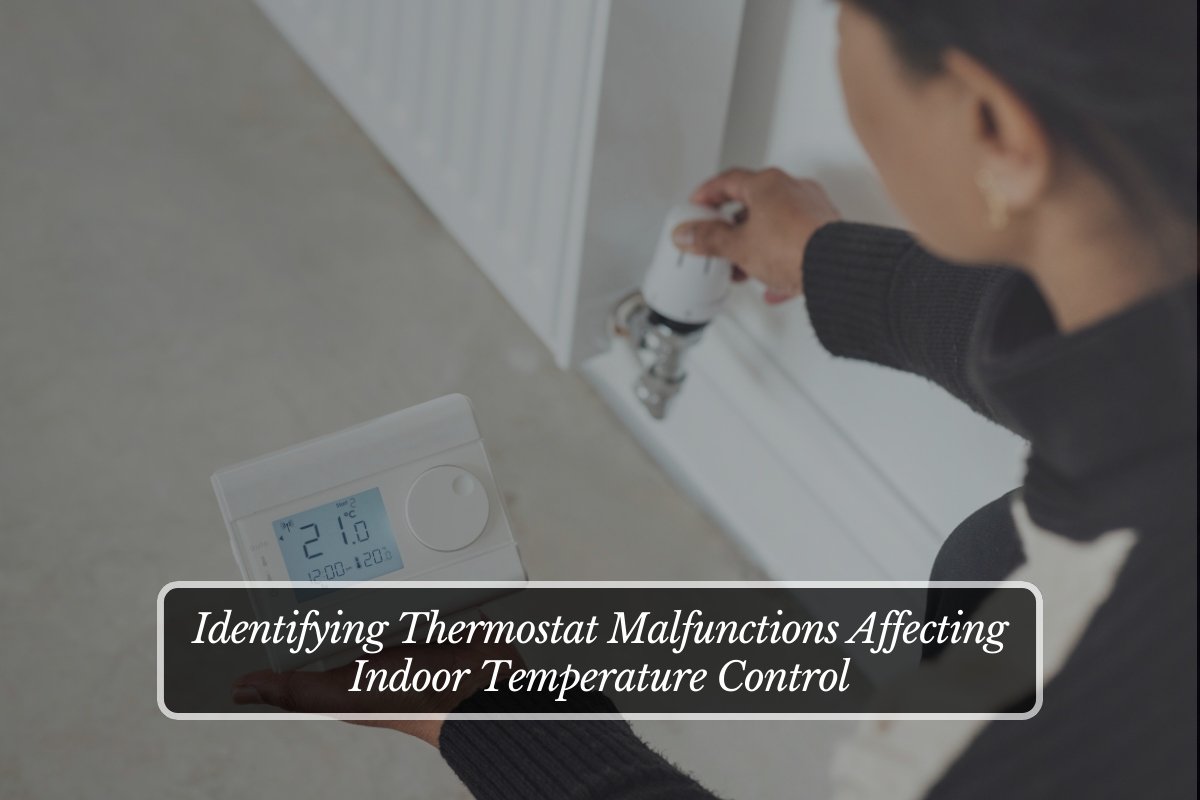
Thermostats and control systems determine when and how long your air conditioner runs. If these controls are not properly calibrated, the system may cycle too frequently, run longer than necessary, or fail to maintain stable temperatures.
Regular servicing often includes checking thermostat accuracy and system controls. Small adjustments can lead to more precise temperature regulation, which reduces unnecessary operation and improves overall energy efficiency without sacrificing comfort.
Identifying Minor Issues Before They Become Major Problems
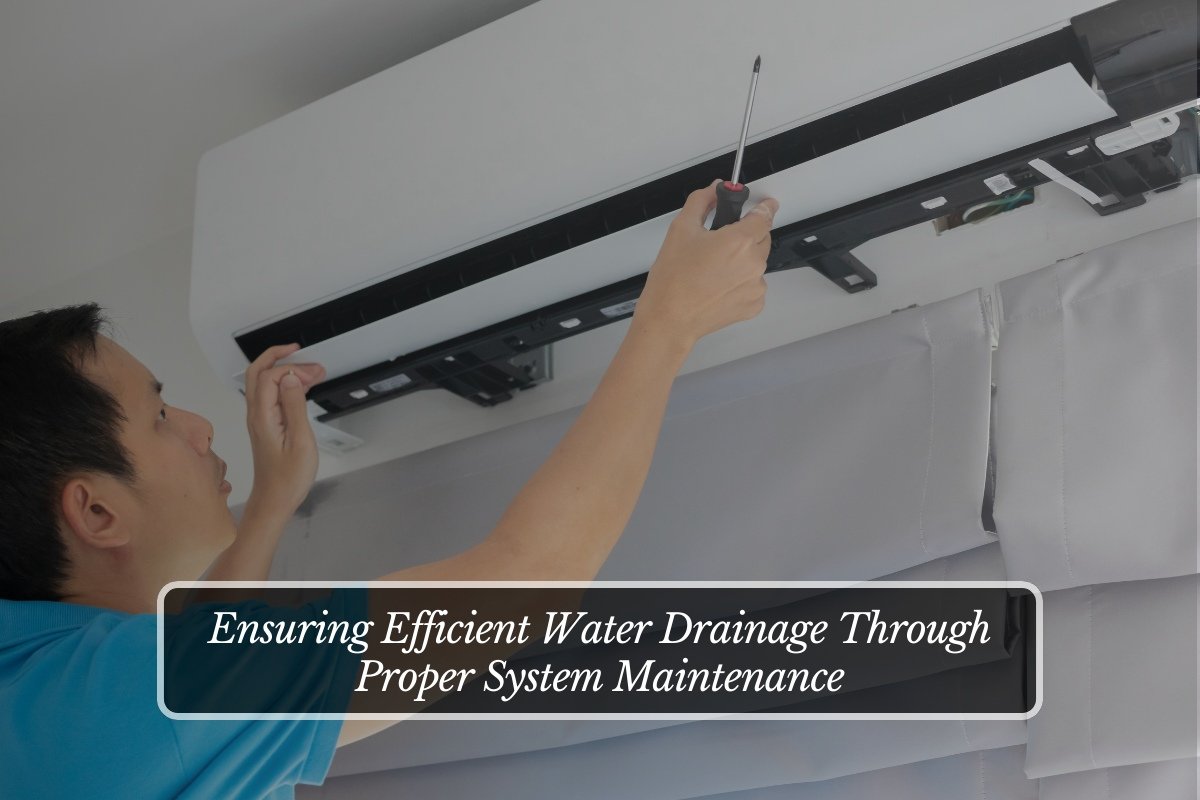
Efficiency is not only about performance today but also about preventing decline tomorrow. Small mechanical issues such as loose electrical connections, worn belts, or failing capacitors can quietly reduce system efficiency long before they cause a breakdown.
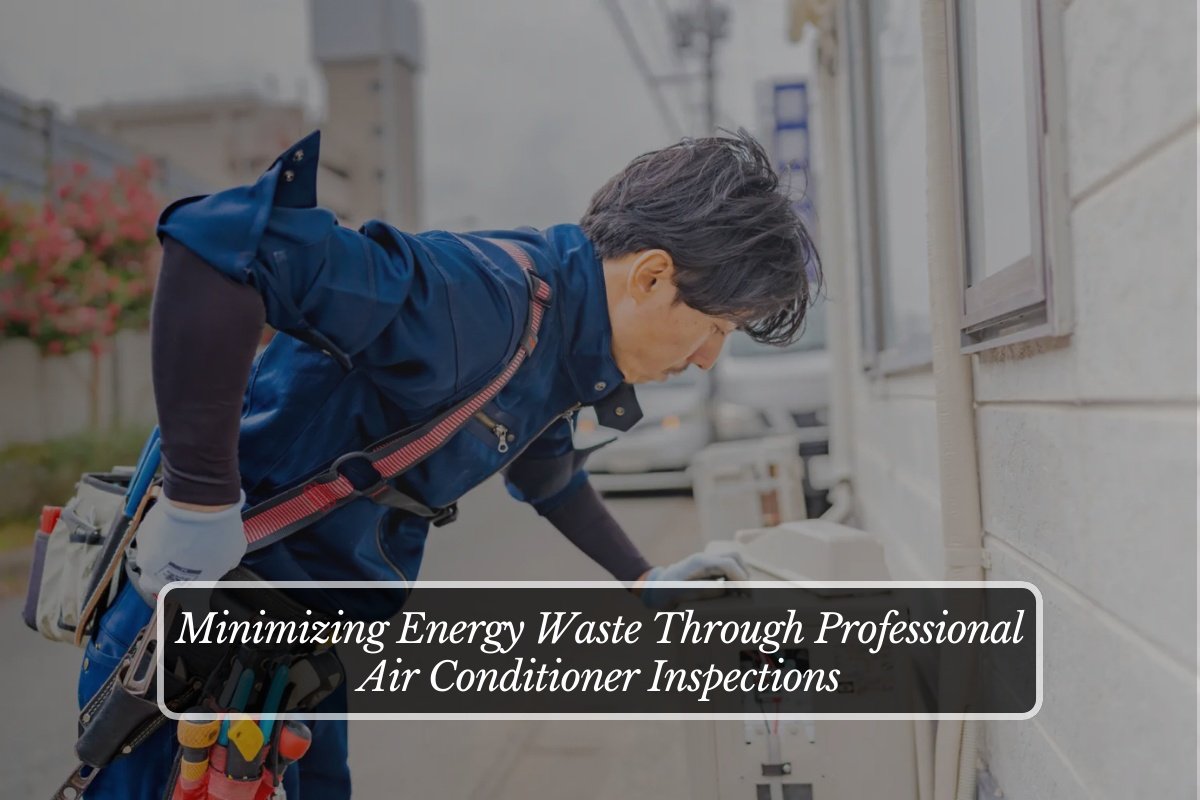
Routine maintenance allows technicians to identify and resolve these issues early. Addressing minor problems promptly helps preserve system performance and prevents the gradual efficiency loss that often occurs when issues are ignored.
Reducing System Strain and Energy Consumption
When an air conditioner is not properly maintained, it must compensate for inefficiencies. This often leads to longer run times, higher power consumption, and increased mechanical stress.
A well-serviced system operates more smoothly and reaches desired temperatures faster. Reduced strain means the system does not have to overwork itself to deliver comfort. This not only lowers energy bills but also supports the long-term health of critical components.
Improving Heat Exchange Through Coil Maintenance
The evaporator and condenser coils are responsible for absorbing and releasing heat. Even a thin layer of dirt on these coils can significantly reduce their effectiveness.
Regular servicing includes inspecting and cleaning these coils. Clean coils improve heat exchange efficiency, allowing the system to cool more effectively with less energy. This often results in more consistent indoor temperatures and improved overall performance.
Supporting Better Indoor Air Quality Alongside Efficiency
Efficiency is not the only benefit of regular servicing. Clean filters, coils, and ducts also support healthier indoor air.
Dust, allergens, and pollutants can circulate more easily when systems are poorly maintained. By keeping components clean, regular servicing improves airflow quality while also helping the system operate more efficiently. These benefits work together to improve overall comfort and wellbeing.
Extending System Lifespan Through Efficient Operation
An efficient system experiences less wear and tear. When components are clean, balanced, and properly adjusted, the system does not have to work as hard to deliver results.
Over time, this reduced strain can significantly extend the lifespan of the air conditioner. Regular servicing becomes not just a cost-saving measure on energy bills, but also an investment in avoiding premature system replacement.
Why Efficiency Gains Are Often Gradual but Significant
Homeowners may not always notice dramatic changes after a single maintenance visit. However, the true value of regular servicing is seen over time.
Consistent maintenance prevents efficiency from slowly declining. Instead of performance degrading year after year, the system remains closer to its original operating condition. The cumulative effect is lower long-term energy costs, fewer repairs, and more reliable comfort.
Frequently Asked Questions
How often should an air conditioner be serviced?
Most systems benefit from professional servicing at least once a year, ideally before the peak cooling season begins.
Can regular servicing really reduce energy bills?
Yes. A well-maintained system runs more efficiently, which often leads to noticeable reductions in energy consumption over time.
What happens if I skip regular AC maintenance?
Skipping maintenance can lead to reduced efficiency, higher energy costs, more frequent repairs, and a shorter system lifespan.
Is changing the air filter enough to maintain efficiency?
Filter changes are important, but they are only one part of proper maintenance. Professional servicing addresses deeper system components that homeowners cannot safely or easily access.
Does regular servicing prevent all breakdowns?
No system is immune to failure, but regular maintenance significantly reduces the risk of unexpected breakdowns and improves reliability.
Is maintenance still necessary if my AC seems to be working fine?
Yes. Many efficiency issues and developing problems are not obvious to homeowners but can be detected early through routine professional inspections.