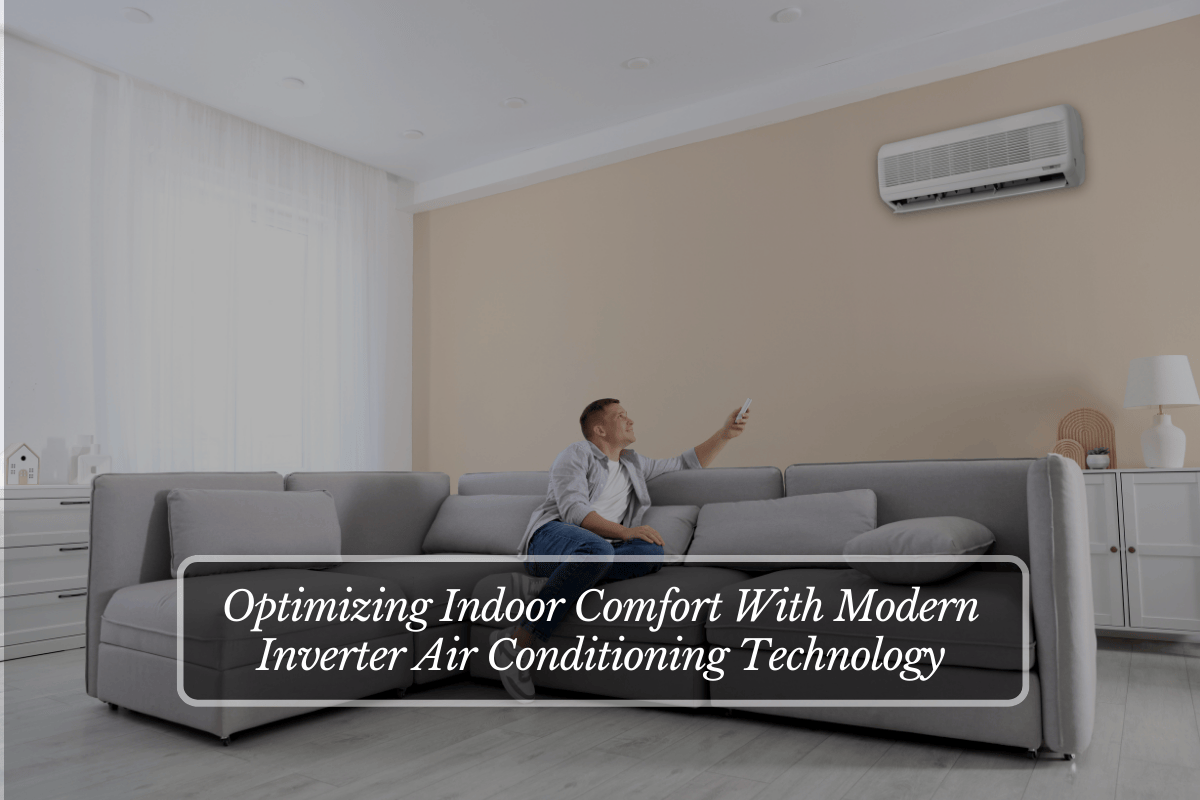
Modern inverter air conditioning technology optimizes indoor comfort in US homes by delivering precise temperature control, energy savings, and quiet operation tailored to varying demands. These systems adjust compressor speed dynamically, outperforming traditional on/off units that cause fluctuations and higher bills.
How Inverter Technology Works
Unlike fixed-speed ACs that cycle fully on or off, inverters use variable-frequency drives to ramp compressor speed from 20-100% based on real-time needs. Sensors monitor room temperature, humidity, and occupancy, fine-tuning output for steady cooling without overworking the system. This results in fewer starts/stops, reducing wear and extending lifespan by 30-50%.
Advanced 2026 models integrate AI for predictive adjustments, learning patterns like evening peaks to preempt changes. Eco-friendly R-32 or R-454B refrigerants lower global warming potential by 75% versus older types.
Energy Efficiency Gains
Inverter units achieve 20-50% lower energy use, earning top SEER2 ratings (up to 28) per US DOE standards—critical as electricity costs rose 8% in 2025. A 3-ton unit saves $200-400 yearly versus non-inverters, with ROI in 2-4 years despite 10-20% higher upfront cost ($4,000-$7,000 installed).
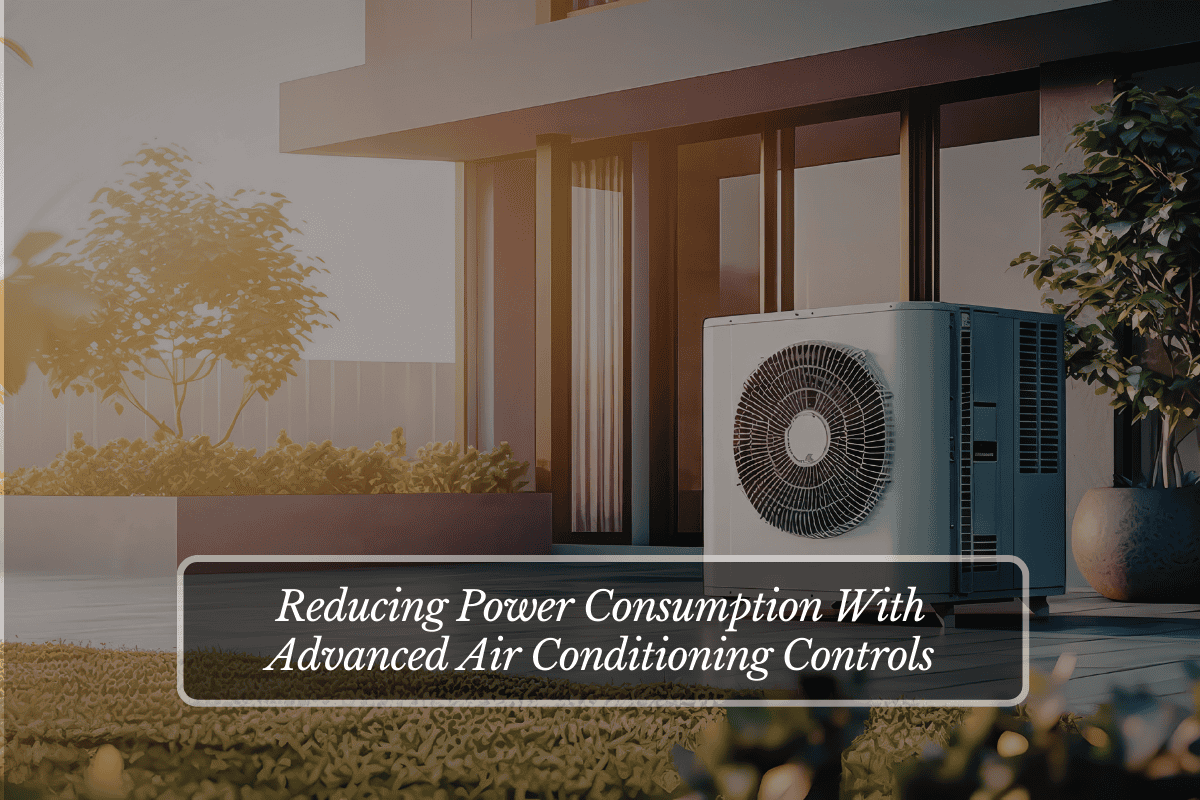
They excel in part-load conditions, common 90% of runtime, minimizing peak demand charges in states like California. Smart thermostats like Nest or Ecobee sync for geofencing, cutting idle use 15%.
Superior Comfort Features
Precise control eliminates hot/cold spots, maintaining ±0.5°F stability versus 2-4°F swings in traditional models. Enhanced dehumidification via longer low-speed runs improves air quality, vital for allergy sufferers in humid regions like Florida.
Quiet operation—under 50 dB indoors—suits bedrooms; multi-stage fans distribute air evenly. Heat pump variants provide year-round heating efficiency (HSPF2 >10), ideal for variable US climates from Texas summers to Midwest winters.
Health and Smart Home Integration
HEPA filters and UV sanitizers in premium units (e.g., Carrier Infinity) trap 99.97% of particles, supporting post-COVID wellness. IoT connectivity via apps allows voice control (Alexa/Google), zoning for multi-room efficiency, and air quality alerts.
Durability shines: Compressors last 15-20 years with less vibration. ENERGY STAR certification ensures rebates up to $2,000 via Inflation Reduction Act extensions into 2026.
Installation and Maintenance Tips
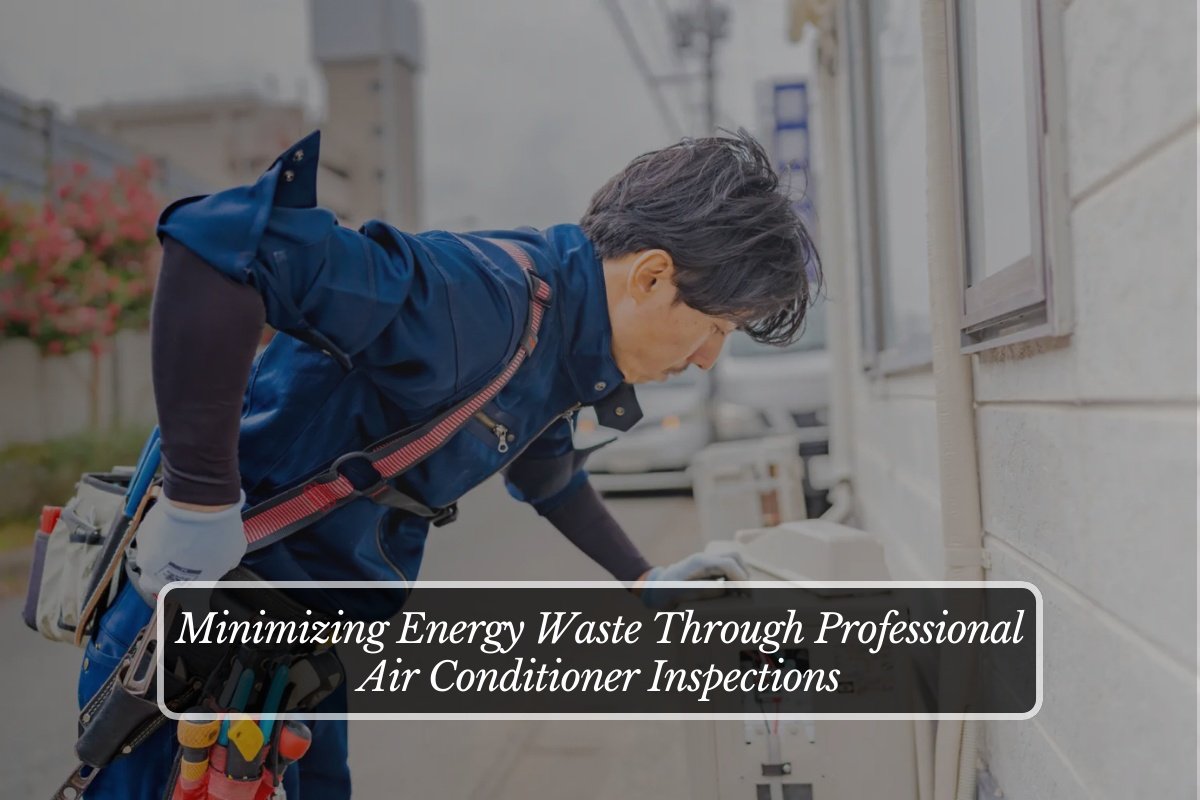
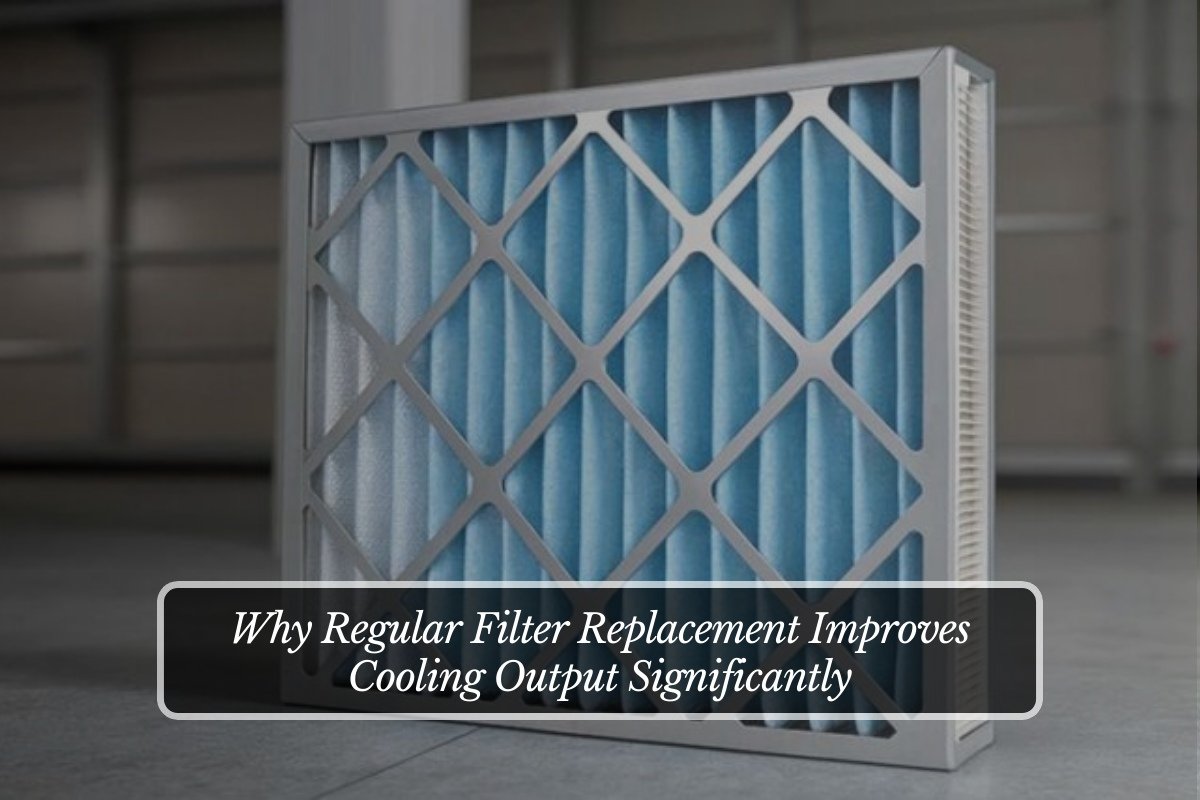
Professional load calculations (Manual J) prevent oversizing, maximizing efficiency. Annual filter changes and coil cleans sustain 95% performance; apps predict issues via vibration sensors. Hybrid setups pair with solar for net-zero cooling in sunny states.
Challenges like higher initial costs offset via financing (0% APR common). Retrofitting ductless mini-splits suits older homes, boosting efficiency 40% without full HVAC overhaul.
Future-Proofing Homes
As US grids strain under electrification, inverters’ demand response cuts peaks 25%, earning utility credits. They align with net-zero goals, enhancing property values 5-7% in eco-conscious markets.
FAQs
How much energy do inverters save?
20-50% versus traditional ACs, or $200-400 yearly on a 3-ton unit.
Are they quieter than standard models?
Yes, under 50 dB due to smooth variable speeds, no harsh starts.
Do inverters work well for heating?
Heat pumps with inverters offer HSPF2 >10 efficiency across seasons.
What’s the payback period?
2-4 years through lower bills, despite 10-20% higher upfront cost.
Are rebates available in 2026?
Yes, up to $2,000 via ENERGY STAR and IRA for qualifying units.