In today’s competitive business environment, every commercial operation, from small businesses to large corporations, seeks ways to reduce costs without sacrificing productivity or quality. One of the most effective strategies to achieve cost savings is investing in energy-efficient systems.
Energy efficiency not only supports sustainability goals but also has a direct and significant impact on lowering operational expenses. By optimizing energy use, businesses can reduce waste, minimize utility costs, and create a more sustainable environment for both their employees and customers.
What Are Energy-Efficient Systems?
Energy-efficient systems are designed to use less energy to perform the same tasks as traditional equipment. These systems often feature advanced technologies, components, and designs that reduce energy consumption while maintaining or improving performance. Common examples of energy-efficient systems used in commercial operations include:
| Energy-Efficient System | Description |
|---|---|
| LED Lighting | Uses significantly less energy than incandescent or fluorescent bulbs while providing the same or better lighting. |
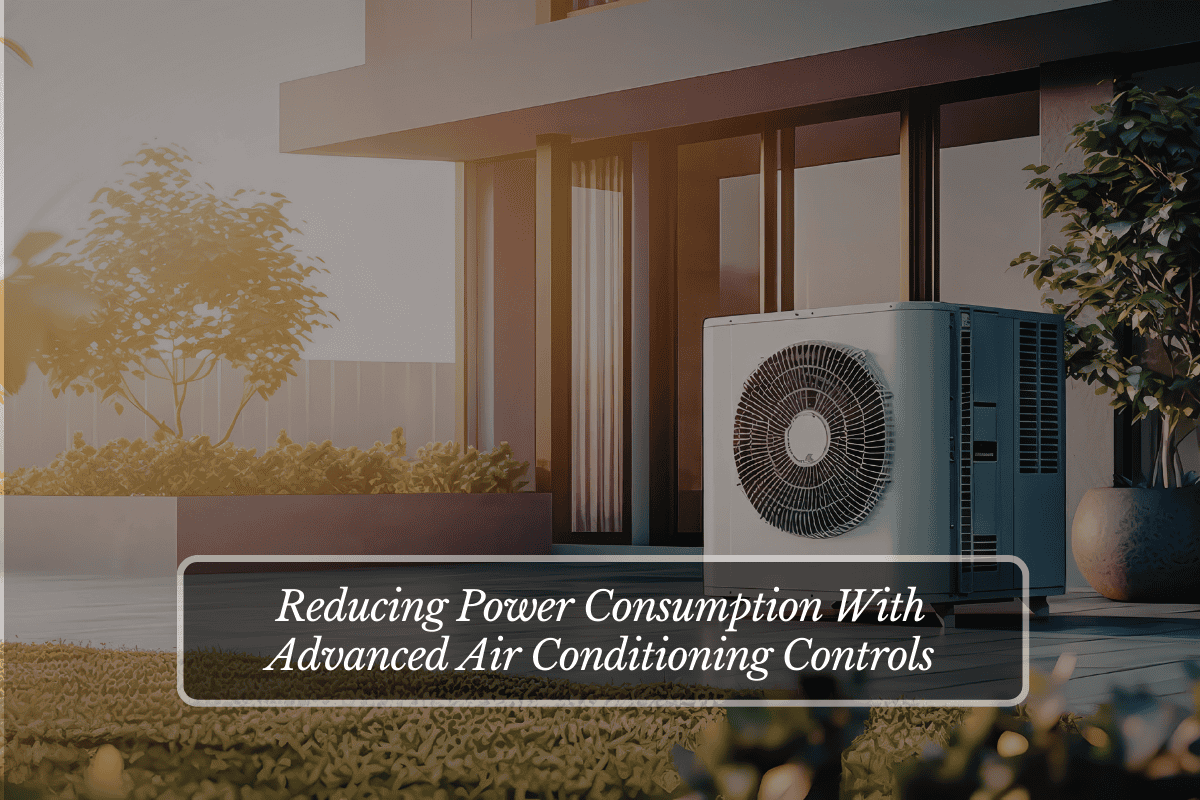
| High-Efficiency HVAC Systems | Designed to use less energy for heating and cooling spaces, often incorporating variable speed drives and improved insulation. |
| Energy-Efficient Appliances | Commercial-grade refrigerators, dishwashers, and ovens that reduce electricity consumption. |
| Smart Building Technologies | Includes energy management systems, smart thermostats, and automated lighting systems that adjust based on occupancy. |
| High-Efficiency Motors | Motors that run more efficiently, using less power for the same output in machinery, equipment, and ventilation systems. |
Implementing these systems in commercial settings can have a direct impact on reducing energy consumption, which leads to significant cost savings over time.
How Energy-Efficient Systems Impact Commercial Operational Expenses
Energy-efficient systems lower operational expenses in several key ways:
1. Reduced Utility Costs
The most immediate benefit of energy-efficient systems is a reduction in utility bills. By using less energy, businesses can significantly lower their monthly electricity and gas costs. Here’s how:
- Lighting: LED lighting consumes up to 75% less energy than traditional incandescent or fluorescent lighting, reducing electricity usage.
- HVAC: High-efficiency HVAC systems use advanced technology such as variable speed fans and smart thermostats to ensure that heating and cooling are optimized, using less energy to maintain comfort.
- Appliances: Energy-efficient appliances, such as refrigerators and dishwashers, operate using less electricity while maintaining performance, helping to cut utility bills.
These savings can add up over time and are often enough to justify the initial investment in energy-efficient upgrades.
2. Lower Maintenance and Repair Costs
Energy-efficient systems are designed to be more durable and require less maintenance than older, less efficient equipment. The systems are built with higher-quality materials, and the components are engineered to last longer. This results in fewer breakdowns and repairs.
- Longevity: Energy-efficient systems, such as HVAC units, are built with advanced components that are less prone to wear and tear, which leads to longer service life.
- Fewer Repairs: Since the systems are better designed, they are less likely to break down, reducing the need for costly repairs.
- Lower Downtime: Reduced breakdowns mean less disruption to operations, which in turn prevents potential revenue loss caused by equipment downtime.
Over time, these reduced repair and maintenance needs contribute to a significant reduction in operational costs.
3. Increased Productivity and Comfort
When energy-efficient systems are properly implemented, they improve the overall work environment. For example:
- Better Climate Control: High-efficiency HVAC systems provide more consistent and reliable temperature control, which can improve employee comfort and productivity. A comfortable work environment leads to fewer sick days, higher morale, and better employee performance.
- Improved Lighting: LED lights not only consume less energy but also provide better and more consistent lighting, which enhances the work environment for employees. Proper lighting improves focus, reduces eyestrain, and boosts overall productivity.
- Smart Energy Management: Automated systems that adjust based on occupancy and usage patterns help optimize energy use. For example, energy-efficient thermostats can reduce energy consumption during off-peak hours, lowering utility bills without compromising comfort.
These factors can reduce absenteeism, increase overall productivity, and create a better atmosphere for employees and customers alike.
4. Tax Incentives and Rebates
Governments and local municipalities often offer tax incentives, rebates, or credits for businesses that invest in energy-efficient systems. These financial incentives can offset the initial costs of upgrading to more efficient equipment.
- Tax Deductions: Many countries offer tax deductions for businesses that implement energy-saving upgrades.
- Rebates and Incentives: Utility companies or government agencies often offer rebates for replacing old equipment with energy-efficient models.
These incentives help make the transition to energy-efficient systems more affordable and provide immediate financial relief for businesses.
5. Enhanced Brand Image and Sustainability
Consumers today are increasingly focused on sustainability, and they prefer doing business with companies that are environmentally conscious. By investing in energy-efficient systems, businesses not only save money but also improve their public image.
- Attracting Eco-Conscious Consumers: Many customers prefer brands that align with their values, such as reducing carbon footprints and supporting green initiatives.
- Corporate Social Responsibility (CSR): A company’s commitment to energy efficiency can improve its CSR efforts and attract environmentally conscious investors and clients.
An energy-efficient approach to business operations can differentiate a brand in the marketplace, attracting a more loyal customer base and helping to improve long-term profitability.
How to Implement Energy-Efficient Systems
Implementing energy-efficient systems in your commercial operation requires a clear strategy and an understanding of the available options. Here’s a step-by-step approach:
- Conduct an Energy Audit: Begin by assessing your current energy consumption to identify areas where improvements can be made.
- Prioritize Key Systems: Focus on the most energy-consuming systems, such as HVAC, lighting, and refrigeration.
- Choose Energy-Efficient Alternatives: Select high-efficiency equipment, appliances, and systems based on your business needs and energy savings potential.
- Monitor and Maintain: After implementation, continuously monitor energy usage to ensure systems are running efficiently. Perform regular maintenance to maximize lifespan and energy savings.
- Take Advantage of Incentives: Research available rebates, tax credits, and other incentives to reduce the upfront costs of upgrading to energy-efficient systems.
FAQs
Q. What are the initial costs of installing energy-efficient systems?
The upfront cost can vary depending on the type of system and the size of your commercial operation. However, many energy-efficient systems pay for themselves over time through lower utility bills and maintenance costs.
Q. How long does it take to see savings from energy-efficient upgrades?
Businesses typically begin seeing savings within a few months after installation. Over time, the savings grow, and many businesses recover their initial investment within 3-5 years.
Q. Are energy-efficient systems difficult to maintain?
No, energy-efficient systems are generally easier to maintain compared to traditional systems. They are designed to require less maintenance, and many systems come with warranties and service contracts to ensure continued performance.
Q. Can small businesses benefit from energy-efficient systems?
Yes, small businesses can also benefit from energy-efficient systems. Even smaller businesses can experience significant savings through energy-efficient lighting, heating, cooling, and appliances.