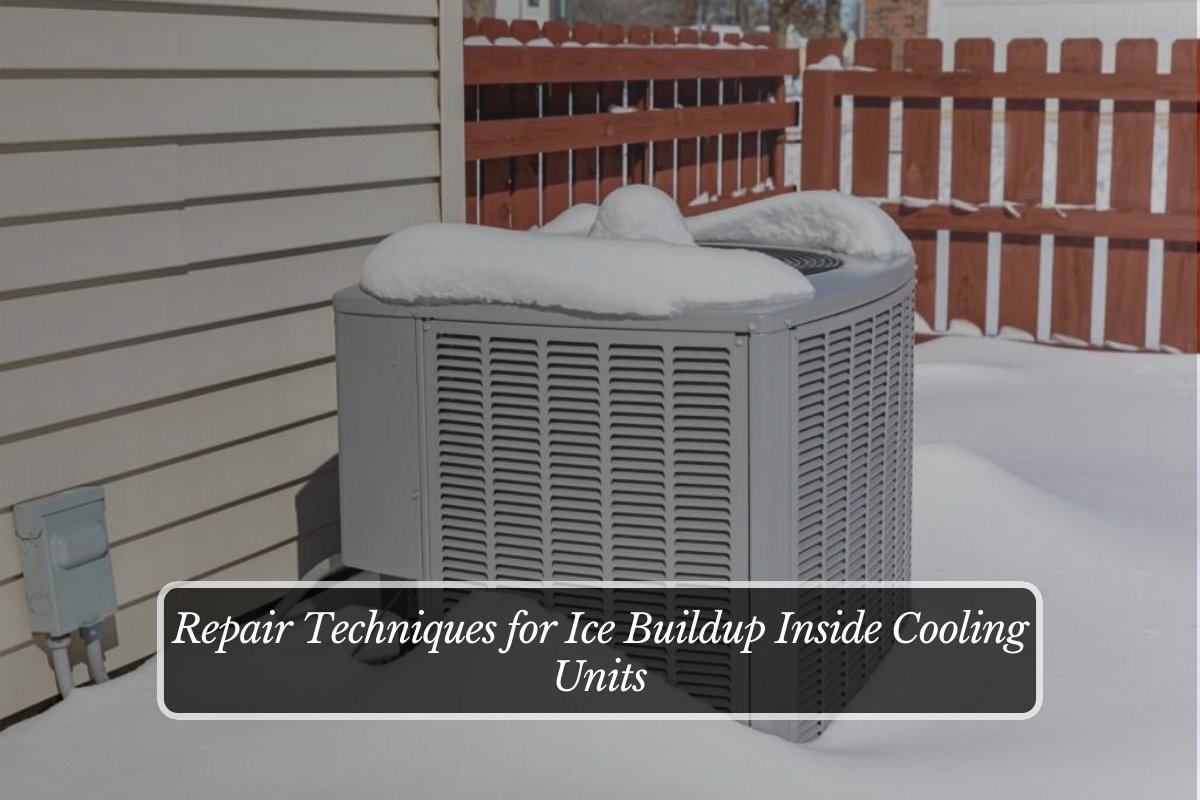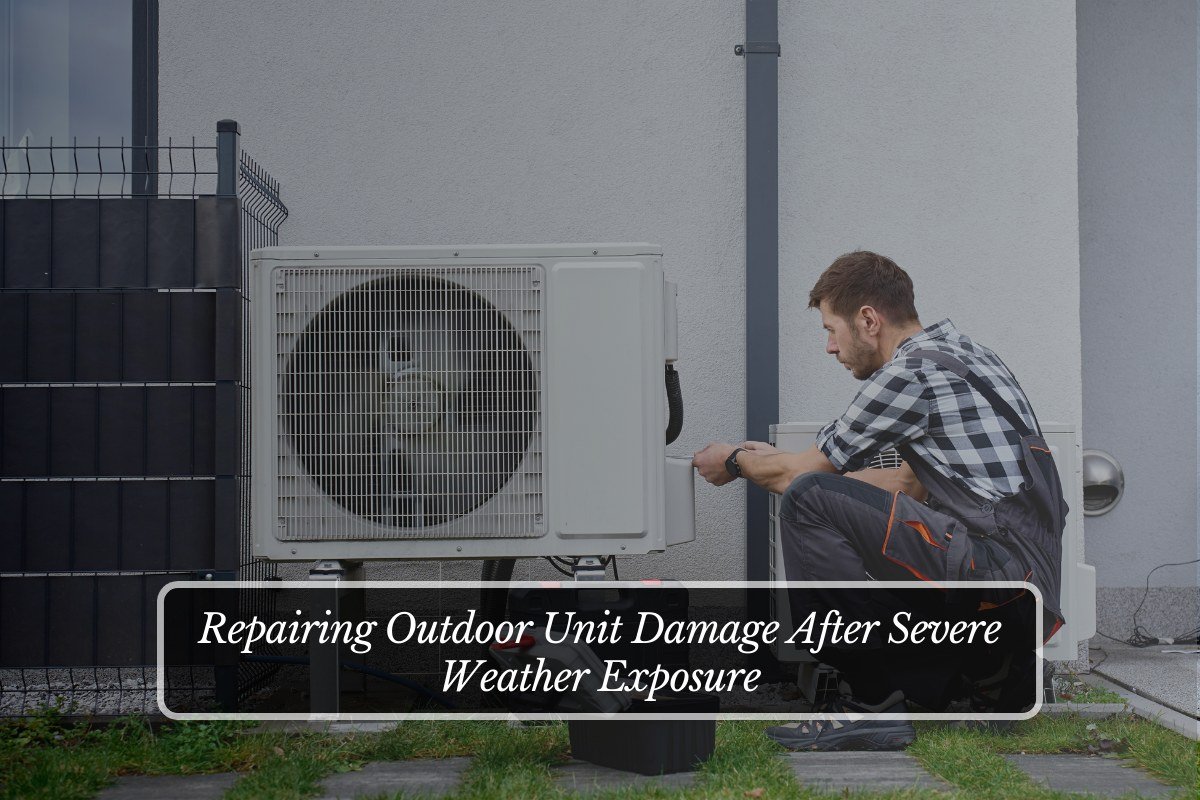
Outdoor units of HVAC systems, air conditioners, and heat pumps are designed to withstand changing weather conditions. However, severe weather events such as storms, heavy rain, hail, strong winds, or extreme temperatures can cause significant damage to these units.
When the outdoor unit is compromised, the overall performance of the cooling or heating system can decline, leading to higher energy consumption and reduced efficiency.
Repairing outdoor unit damage promptly is essential to restore system functionality and prevent further complications. Proper inspection, maintenance, and professional repair services help ensure the system continues to operate safely and efficiently.
Common Causes of Outdoor Unit Damage
Severe weather can affect outdoor HVAC units in several ways. Environmental factors often expose these units to physical stress and debris.
Some common causes of damage include:
- Strong winds that knock over the unit or loosen components
- Hailstorms causing dents or damage to condenser fins
- Flooding that affects electrical parts
- Falling branches or debris damaging the fan or coil
- Extreme heat or cold affecting mechanical performance
Understanding these causes helps homeowners and technicians identify potential issues quickly.
Signs of Weather-Related Damage
After severe weather, it is important to inspect the outdoor unit for visible and operational signs of damage. Early identification can prevent costly repairs later.
Key warning signs include:
- Unusual noises during system operation
- Reduced cooling or heating efficiency
- Visible dents or bent condenser fins
- Water accumulation around the unit
- System frequently turning on and off
If any of these issues appear, the system should be inspected by a qualified technician.
Components Most Vulnerable to Weather Damage
Several parts of an outdoor unit are particularly vulnerable during storms or extreme weather events.
| Component | Possible Damage | Impact on System |
|---|---|---|
| Condenser Coil | Bent or clogged fins | Reduced heat exchange efficiency |
| Fan Blades | Physical damage or obstruction | Poor airflow |
| Electrical Wiring | Water or debris damage | System malfunction |
| Compressor | Overheating or electrical failure | Major system failure |
| Protective Casing | Cracks or dents | Exposure to further damage |
Regular inspections help identify which components require repair or replacement.
Steps to Repair Outdoor Unit Damage
Repairing weather-related damage should be handled carefully to avoid further harm to the system.
1. Turn Off the Power Supply
Before inspecting or repairing the outdoor unit, the power supply must be turned off. This prevents electrical hazards and protects both the technician and the equipment.
2. Remove Debris and Obstructions
Storms often leave debris such as leaves, branches, or dirt around the outdoor unit. Clearing the area helps restore airflow and prevents blockages that can affect system performance.
3. Inspect the Condenser Fins
Condenser fins can easily bend during hailstorms or when struck by debris. A technician may use a fin comb to straighten the fins and restore proper airflow.
4. Check Electrical Components
Water exposure can damage electrical connections, capacitors, and wiring. A professional inspection ensures these components remain safe and functional.
5. Test the System Performance
Once repairs are completed, the system should be tested to verify that cooling or heating performance has returned to normal.
Preventive Measures for Future Weather Protection
Preventive maintenance can significantly reduce the risk of outdoor unit damage during severe weather events.
| Preventive Measure | Purpose |
|---|---|
| Installing a protective cover | Shields the unit from hail and debris |
| Elevating the unit | Prevents flood damage |
| Trimming nearby trees | Reduces falling branches |
| Regular maintenance checks | Identifies issues early |
These measures help extend the lifespan of the outdoor unit and maintain system efficiency.
Importance of Professional Repair Services
While minor debris removal can be done by homeowners, most repairs should be handled by trained HVAC professionals. Technicians have the knowledge and equipment required to diagnose hidden damage that may not be immediately visible.
Professional services offer several advantages:
- Accurate diagnosis of system problems
- Safe handling of electrical components
- Proper replacement of damaged parts
- Improved long-term system performance
Hiring qualified technicians ensures the system operates safely and efficiently after severe weather exposure.
FAQs
What should I do immediately after severe weather damages my outdoor unit?
Turn off the power supply and inspect the unit for visible damage or debris. If any issues are noticed, contact a professional technician for inspection and repair.
Can hail damage an HVAC outdoor unit?
Yes, hail can dent the protective casing and bend condenser fins, which may reduce airflow and affect the system’s cooling efficiency.
How can I protect my outdoor HVAC unit from storms?
You can install protective covers, elevate the unit to prevent flooding, and trim nearby trees to reduce the risk of falling branches.
Is it safe to repair an outdoor HVAC unit yourself?
Minor cleaning can be done by homeowners, but electrical and mechanical repairs should always be handled by qualified HVAC professionals.
How often should outdoor units be inspected after extreme weather?
It is recommended to inspect the unit after every severe weather event and schedule professional maintenance at least once a year.