Air conditioners are designed to deliver cool, clean, and consistent airflow, but their performance can decline significantly when dust begins to accumulate inside the system. Dust may appear harmless at first, yet over time it can affect essential components such as filters, coils, vents, and fans.
This buildup forces the unit to work harder, reduces energy efficiency, lowers indoor comfort, and may even shorten the lifespan of the equipment. Understanding how dust impacts air conditioner performance is important for homeowners, property managers, and business operators who want to maintain reliable cooling and avoid unnecessary repair costs.
Why Dust Buildup Is a Serious Issue
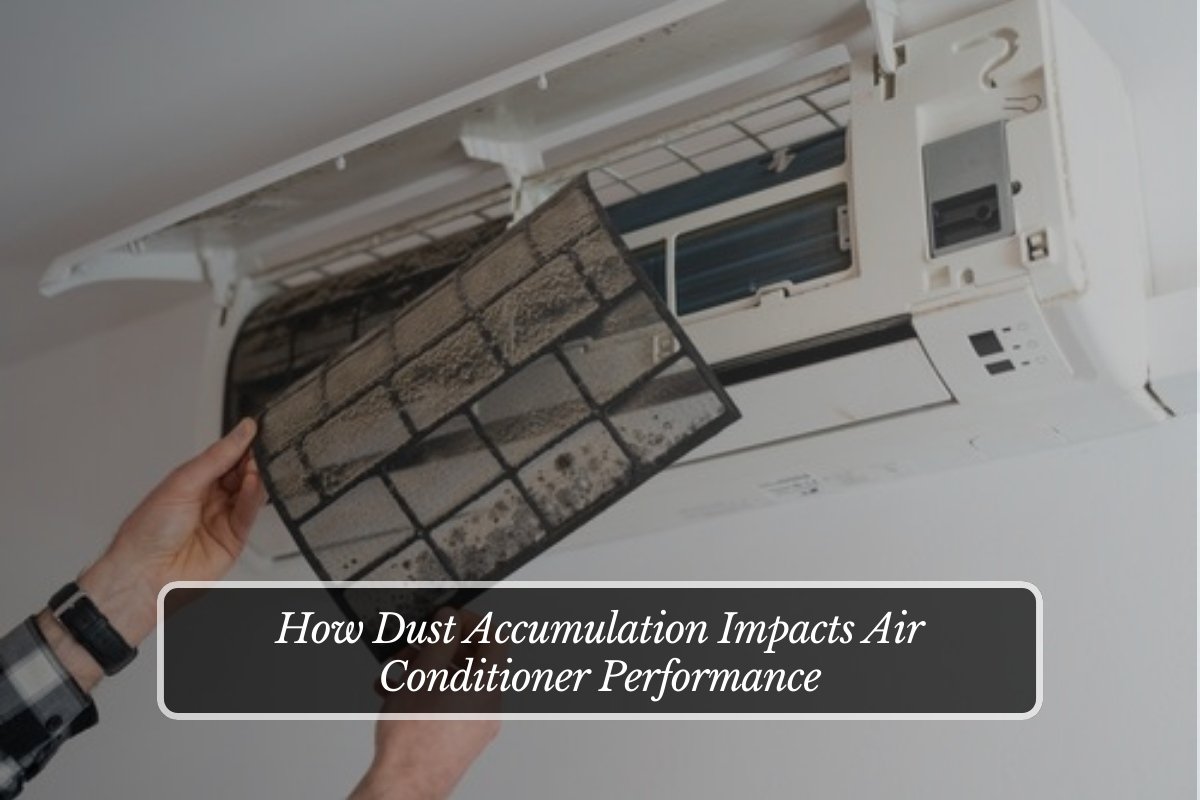
An air conditioner constantly pulls air through its system to cool and circulate it throughout a room or building. Along with that air comes dust, dirt, and other fine particles. Although filters are designed to trap much of this debris, not all particles are stopped, especially when maintenance is neglected. Over time, dust settles on internal parts and begins to interfere with normal operation.
When airflow becomes restricted or heat transfer is reduced, the air conditioner must consume more energy to achieve the same cooling result. This not only increases utility costs but also places extra strain on the system. In many cases, poor performance caused by dust is gradual, which means users may not notice the issue until cooling becomes noticeably weaker or the unit begins to malfunction.
Main Areas Affected by Dust Accumulation
Different parts of an air conditioner can be affected by dust, and each issue contributes to reduced performance in a different way.
| Component | Impact of Dust Accumulation |
|---|---|
| Air filter | Restricts airflow and reduces cooling efficiency |
| Evaporator coil | Prevents effective heat absorption |
| Condenser coil | Reduces heat release and increases system strain |
| Blower fan | Lowers airflow and may affect air circulation |
| Air vents and ducts | Limits distribution of cool air throughout the space |
These problems often occur together, making the system less efficient overall.
Effects on Cooling Performance
One of the most noticeable effects of dust accumulation is reduced cooling performance. A clogged filter or dirty coil can block airflow, meaning less cool air reaches the room. At the same time, dust on heat exchange surfaces reduces the system’s ability to absorb and release heat properly. As a result, the unit may run longer cycles without reaching the desired temperature.
Common performance issues caused by dust include:
- Weak or uneven airflow
- Longer cooling times
- Reduced temperature control
- Increased indoor discomfort
- More frequent system cycling
These symptoms are often signs that the unit needs cleaning or maintenance rather than replacement.
Impact on Energy Efficiency and Costs
Dust buildup forces an air conditioner to work harder than necessary. When airflow is restricted and components are dirty, the system uses more electricity to maintain the same cooling output. This leads to reduced energy efficiency and higher monthly utility bills.
| Performance Area | Result of Dust Buildup |
|---|---|
| Energy use | Increases because the unit runs longer |
| Cooling output | Decreases due to blocked airflow and dirty coils |
| Operating cost | Rises as efficiency drops |
| Mechanical strain | Increases wear on internal parts |
| Equipment lifespan | May be reduced by long-term overwork |
For this reason, dust is not only a cleanliness issue but also a financial concern.
Risk of Damage and Maintenance Problems
If dust accumulation is ignored for too long, it can contribute to system damage. Dirty coils may cause overheating, blocked airflow can place stress on motors, and excessive debris can lead to frozen evaporator coils in some systems. Over time, this strain may result in breakdowns, repair needs, or premature replacement of components.
Regular maintenance helps prevent these outcomes. Cleaning filters, checking vents, and scheduling professional servicing allow the system to operate efficiently and reduce the chance of costly failures.
Important preventive steps include:
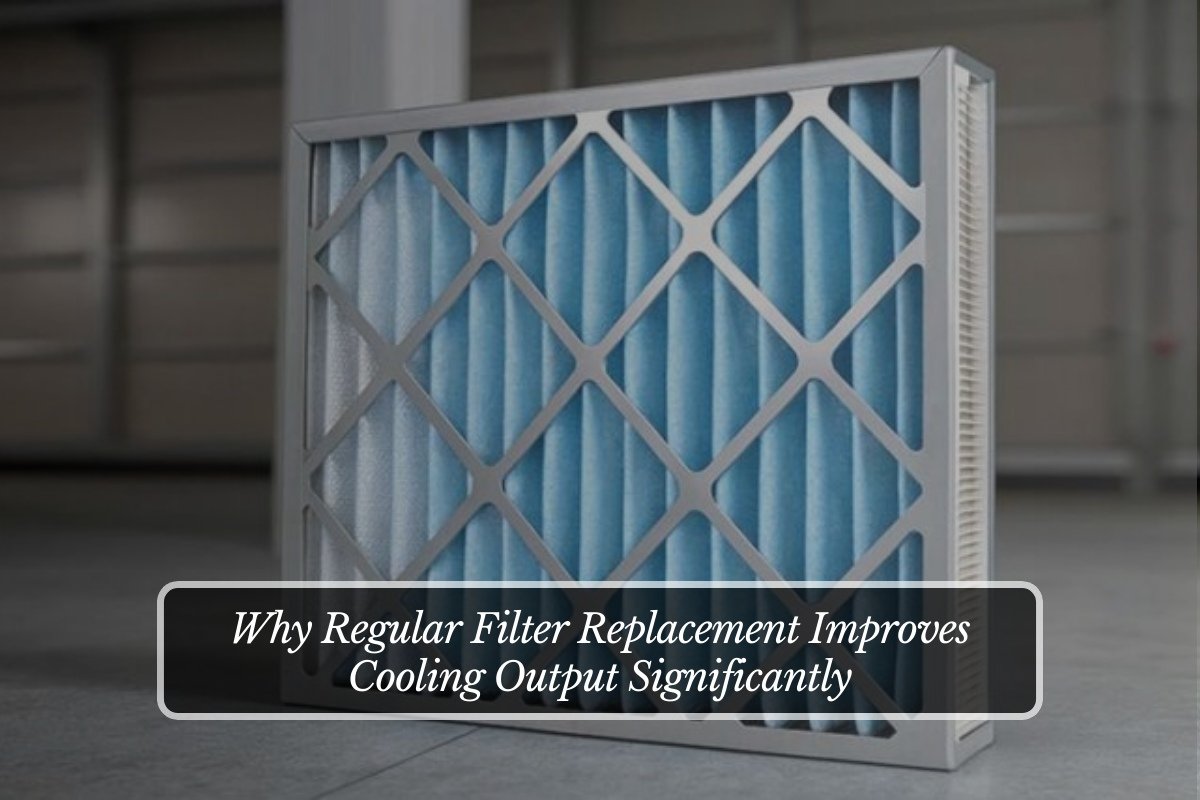
- Cleaning or replacing air filters regularly
- Keeping indoor areas dust-free when possible
- Ensuring vents are not blocked by debris or furniture
- Scheduling seasonal air conditioner maintenance
- Inspecting coils and fans for dirt buildup
These habits help preserve both performance and indoor air quality.
Indoor Air Quality Concerns
Dust accumulation in an air conditioner can also affect the quality of the air circulating indoors. When filters are dirty or internal components hold excess dust, particles may continue moving through the space. This can be especially concerning for people with allergies, asthma, or respiratory sensitivities. A clean air conditioning system supports both cooling performance and a healthier indoor environment.
FAQs
How does dust affect an air conditioner?
Dust affects an air conditioner by blocking airflow, dirtying internal components, reducing cooling efficiency, and forcing the system to work harder.
Can dust increase electricity bills?
Yes. When dust buildup reduces efficiency, the unit runs longer and uses more energy, which can increase electricity costs.
What parts of an air conditioner collect the most dust?
Filters, evaporator coils, condenser coils, blower fans, and air vents are common areas where dust collects.
How often should air conditioner filters be cleaned or replaced?
This depends on usage and environment, but filters should generally be checked regularly and cleaned or replaced according to the manufacturer’s recommendations.
Can dust buildup damage an air conditioner permanently?
Yes. If ignored for too long, dust can contribute to overheating, frozen coils, motor strain, and other issues that may shorten the system’s lifespan.