Preventing overload issues that reduce air conditioning performance is essential for U.S. homeowners facing intense summers and rising energy bills. Overload occurs when systems strain from dirty filters, poor airflow, or heat buildup, causing tripped breakers, compressor failure, or inefficiency—issues fixable through proactive maintenance.
Understanding AC Overload Causes
Overload stems from restricted airflow (clogged filters block 30-50% efficiency), refrigerant leaks, or electrical surges during peak heat. Compressors overheat without proper cooling, triggering safety shutoffs; ducts leaking 20-30% of air exacerbate strain. Ignoring these drops SEER ratings from 16+ to under 10.
Regular Filter Maintenance
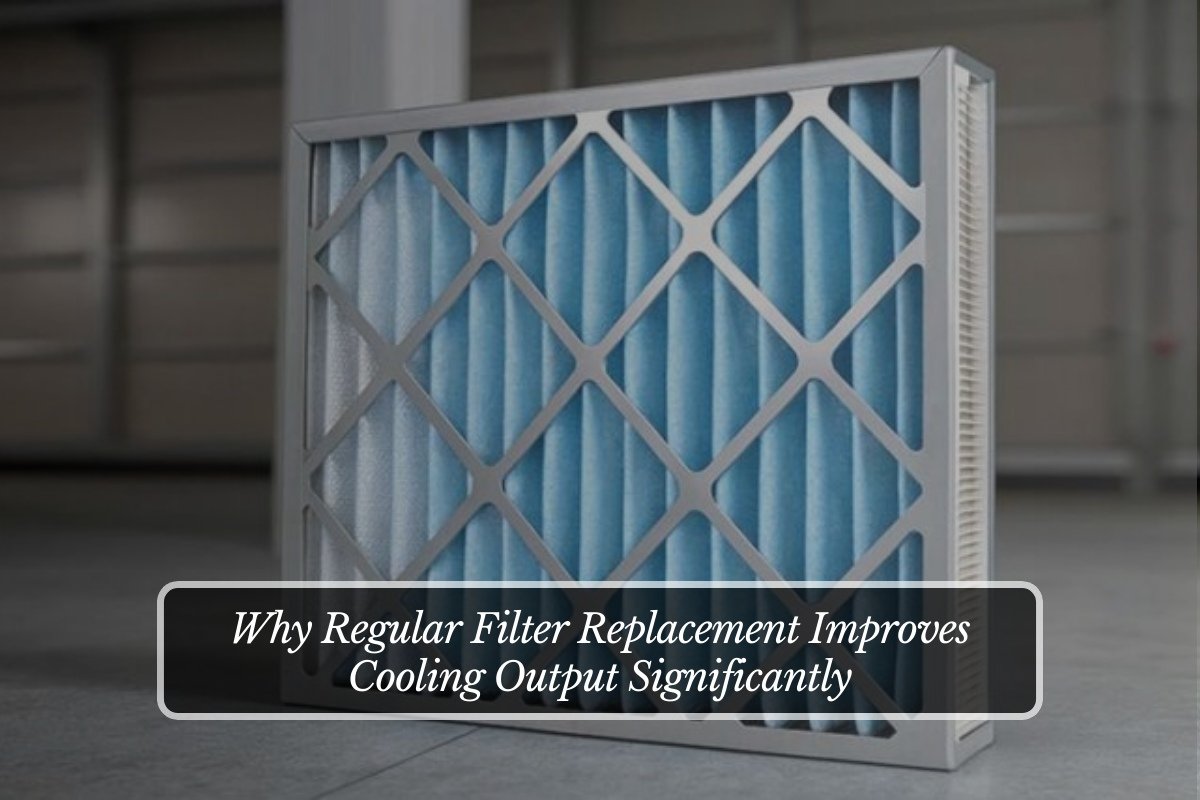
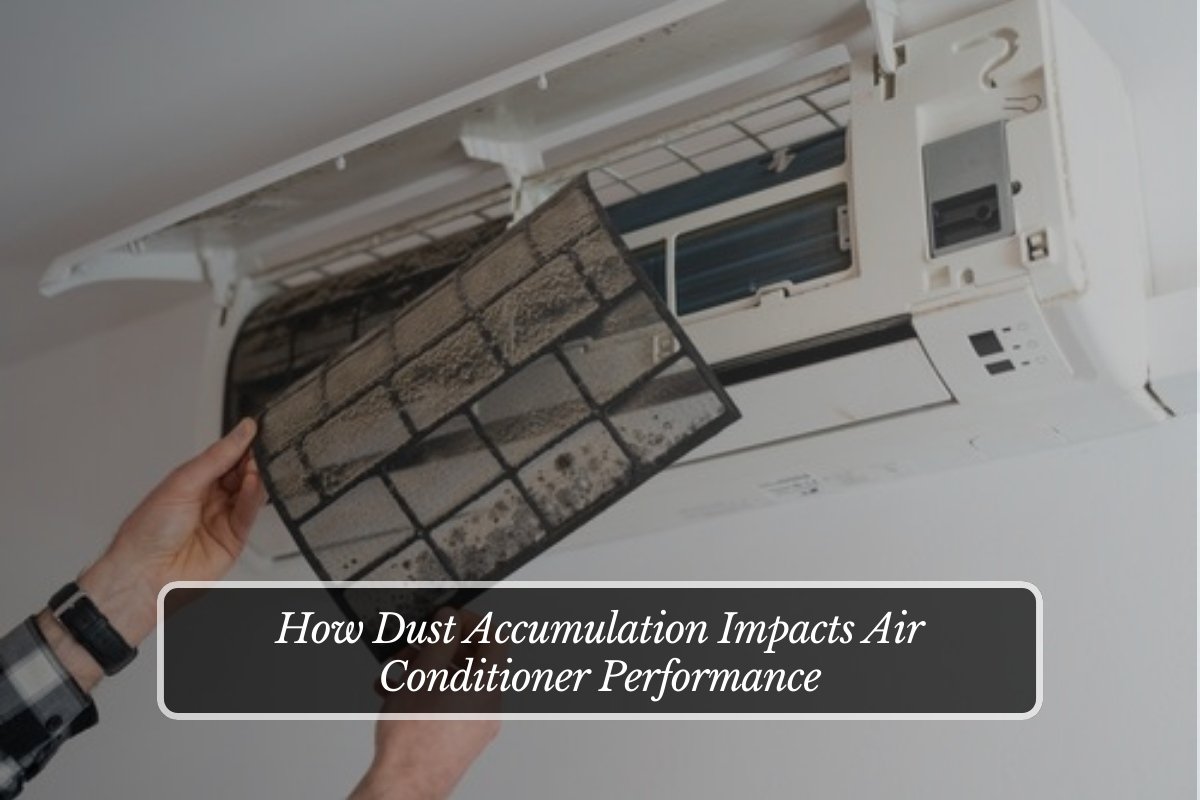
Replace filters monthly or every 90 days—dirty ones force fans to work 2x harder, spiking amps and risking burnout. Use MERV 8-13 pleated filters for homes; washable electrostatic options last years. Check returns for dust buildup; clean coils annually to restore heat exchange.
Thermostat Optimization
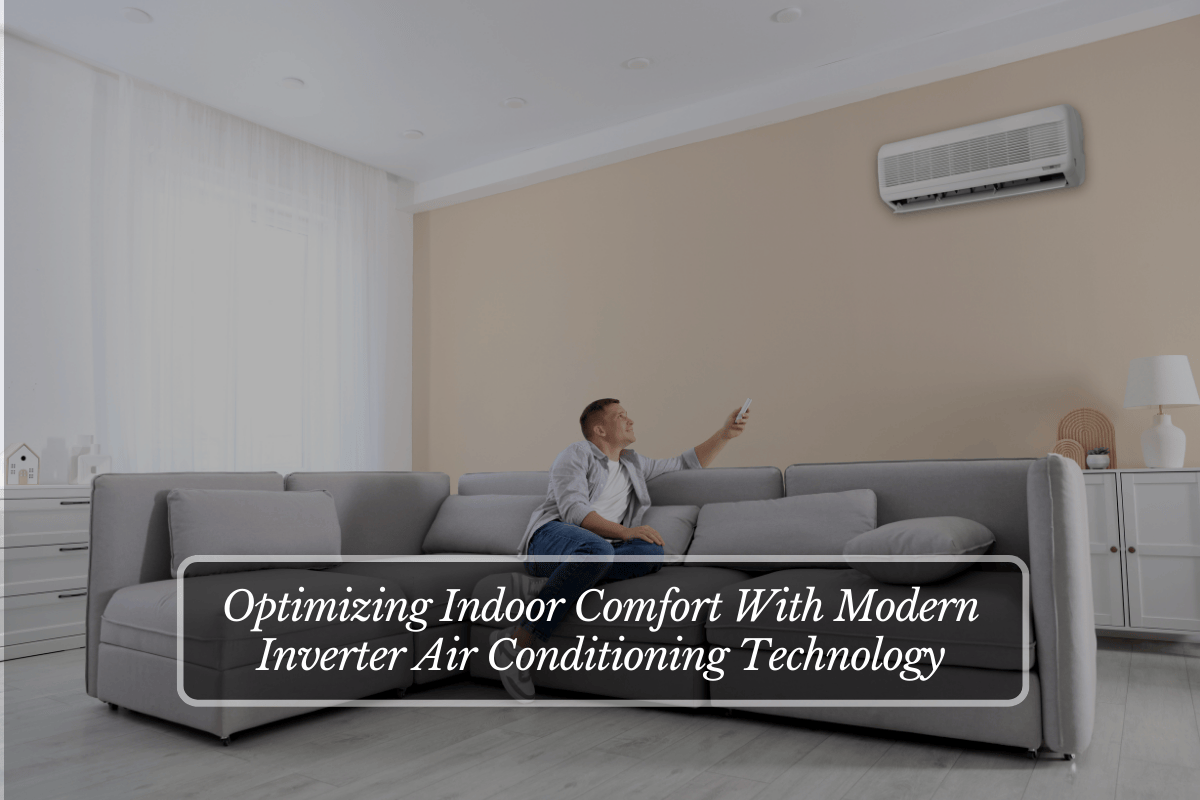
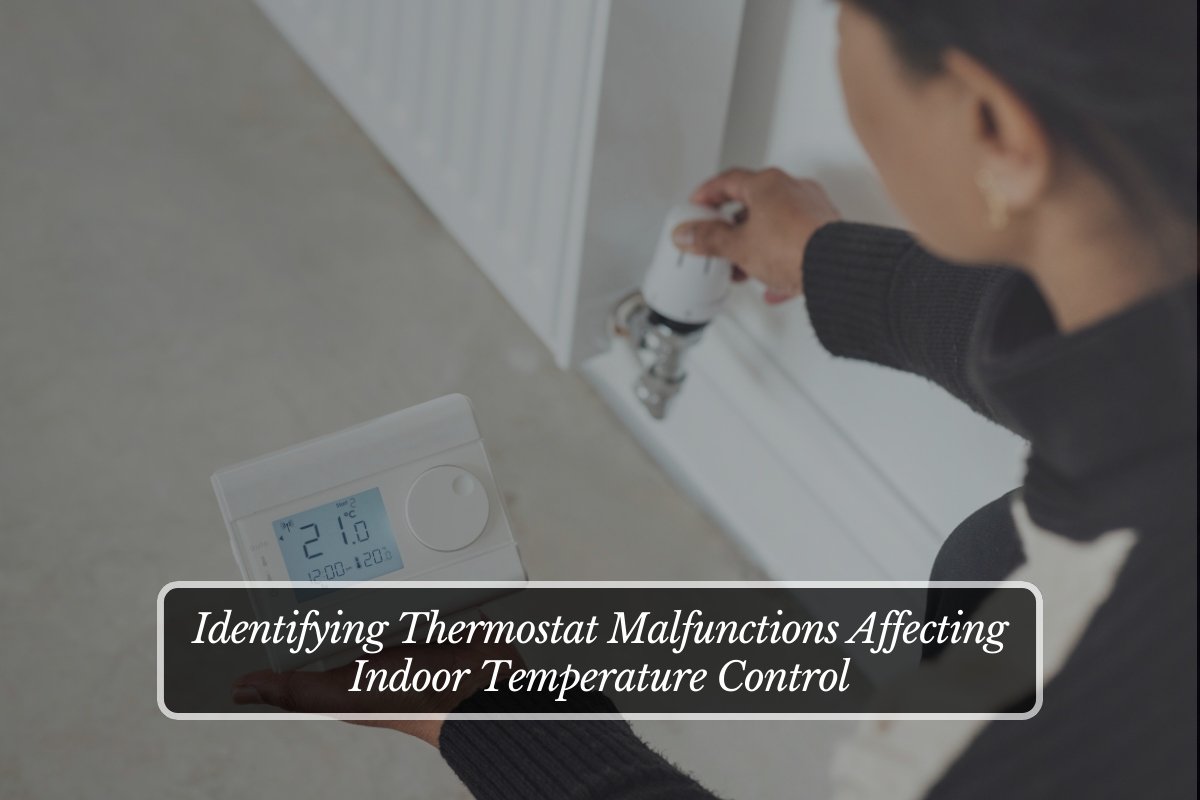
Set summer temps to 78°F when home, 82-85°F away—each degree below 78 adds 3-4% load. Programmable models like Ecobee auto-adjust, preventing short-cycling. Avoid drastic drops; gradual ramps (1°F/hour) match compressor capacity without overload.
Seal and Insulate Your Home
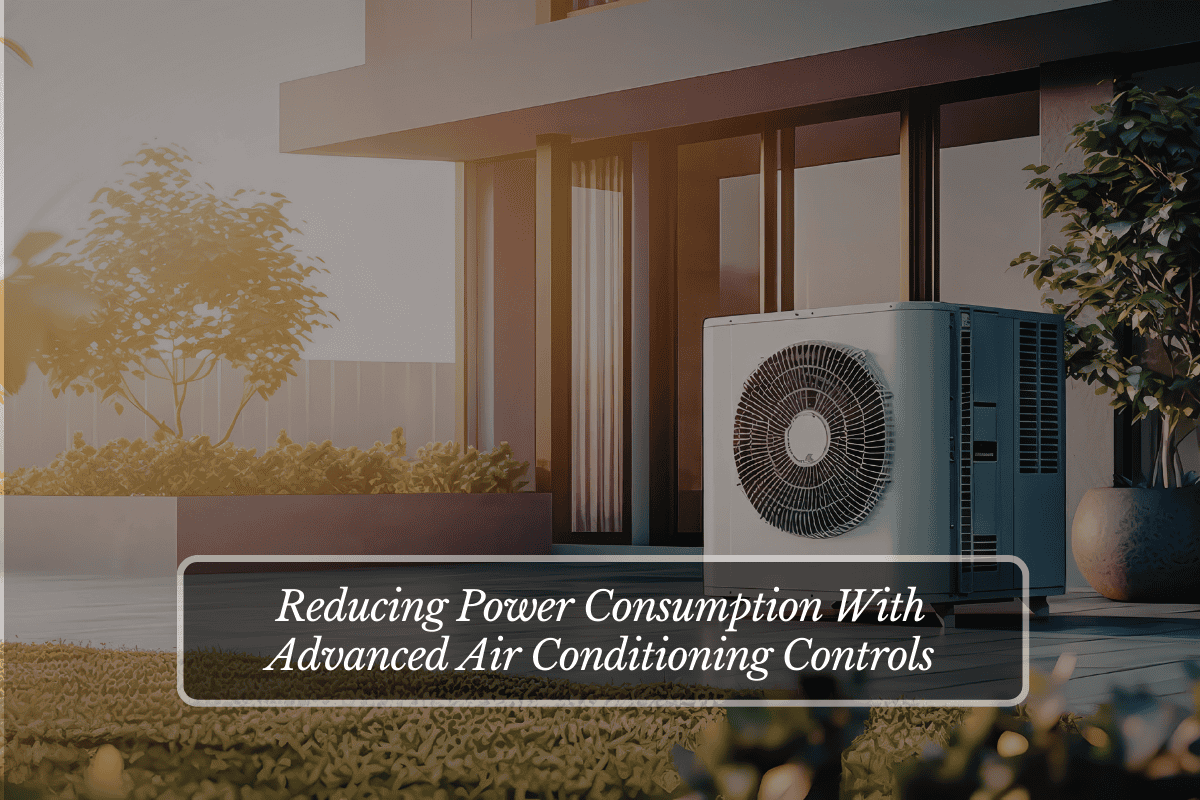
Caulk windows/doors, add weatherstripping—leaks let in 20% hot air, overloading units. Attic insulation (R-49 min per DOE) and low-E window films cut solar gain 30%. Shade AC condensers 2-3 feet clear; mulch reduces ground heat reflection.
Ductwork and Airflow Checks
Seal ducts with mastic (not tape)—leaks waste 20-40% energy, unbalancing pressure. Keep all vents open/unobstructed; balance supply/return for even flow. Ceiling fans on counter-clockwise create chill, allowing 4°F higher settings without discomfort.
Load Reduction Tactics
Limit daytime ovens/dryers; grill outside or use microwaves. Close blinds 10 AM-4 PM to block 45% solar heat. Defer hot showers to evenings; unplug vampire loads. Zoning dampers cool only used rooms, easing central strain by 25%.
Professional Preventative Care
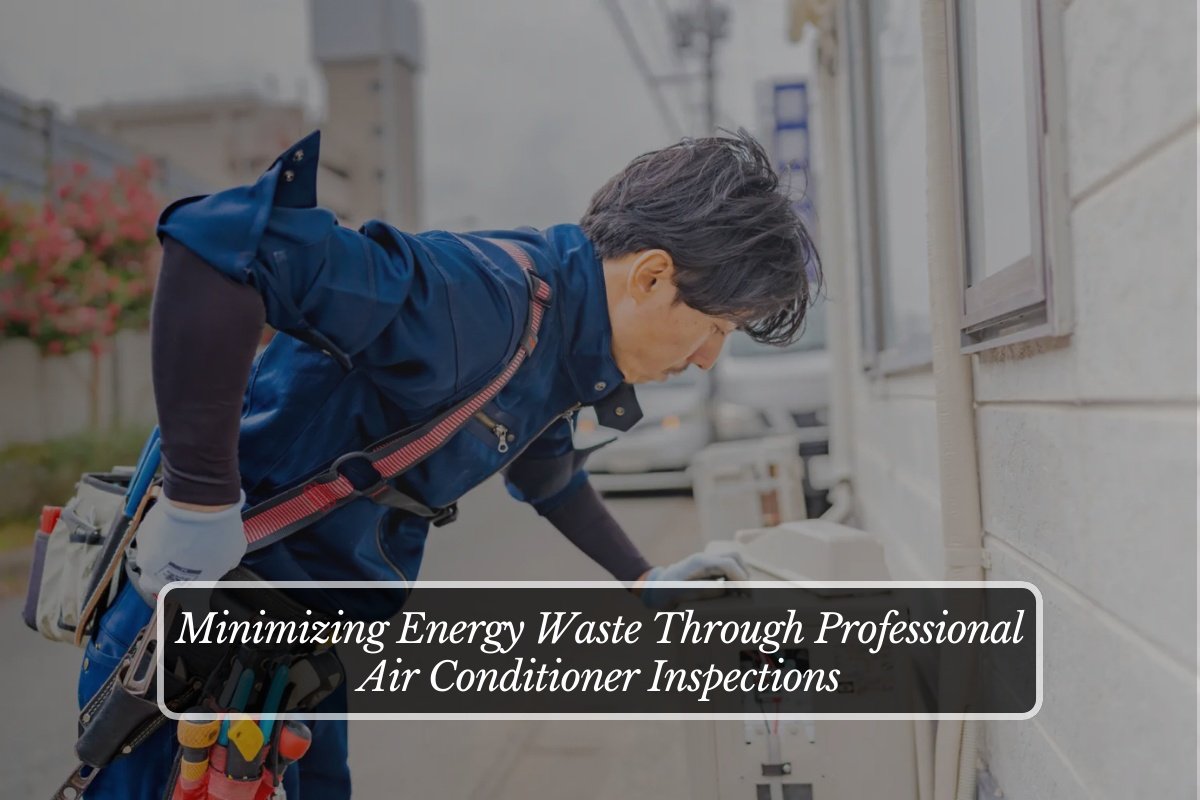
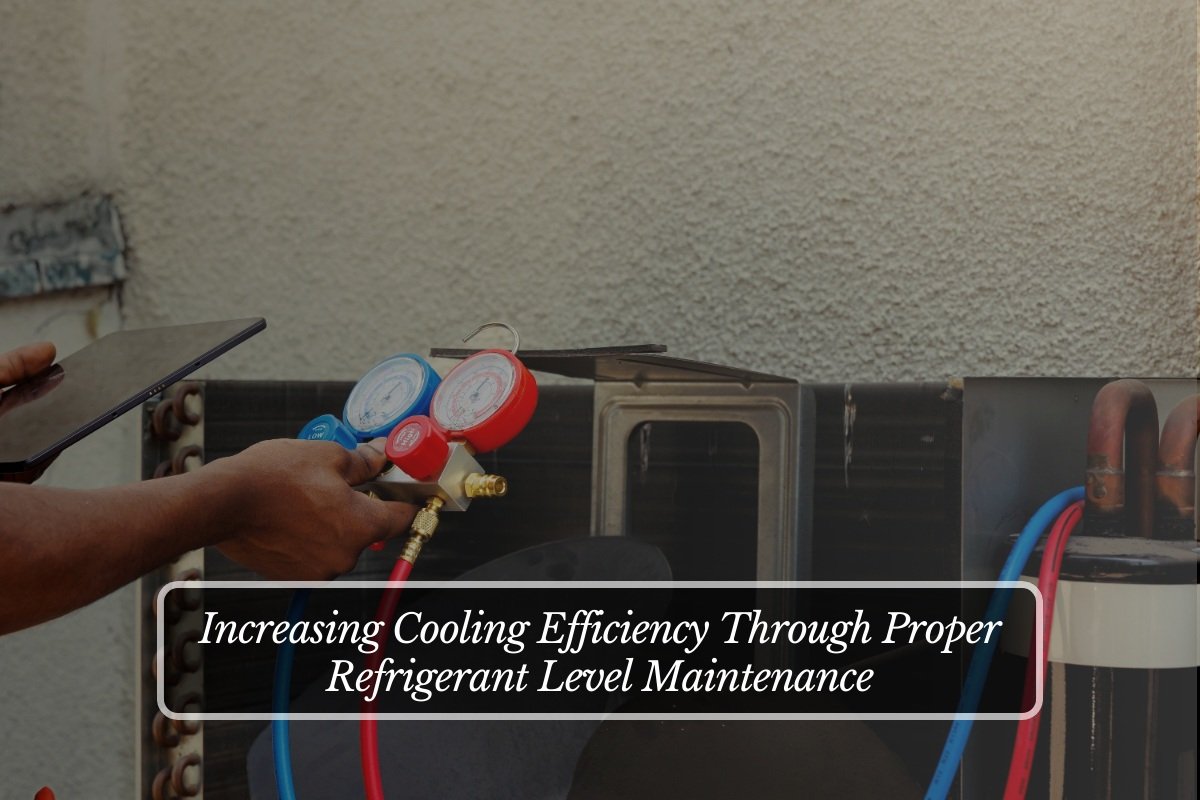
Spring tune-ups check refrigerant (R-410A levels), capacitors, and overload protectors—replace weak starts before failure. Hard-start kits aid aging compressors; surge protectors guard electrics. Monitor amps via smart meters; spikes signal issues.
Advanced Protections
Install compressor savers ($50-100) that cut inrush current 50%. ECM variable-speed fans draw 75% less power. Smart apps alert on high runtime (>15 min/hour cycles).
Monitoring and Long-Term ROI
Use apps tracking kWh; aim <500 hours/season. Prevented overloads extend life 5-10 years, save $200-500/year. Rebates via IRA cover upgrades.
FAQs
1. How often change filters?
Monthly checks; replace every 1-3 months or when dirty.
2. Optimal summer thermostat?
78°F home, 82°F away—saves 3-4% per degree.
3. Why seal ducts?
Prevents 20-40% loss, balances pressure.
4. Biggest daytime load reducer?
Blinds + no oven/dryer use; cuts 30-45% heat gain.
5. Tune-up frequency?
Annually in spring; catches 80% failure precursors.