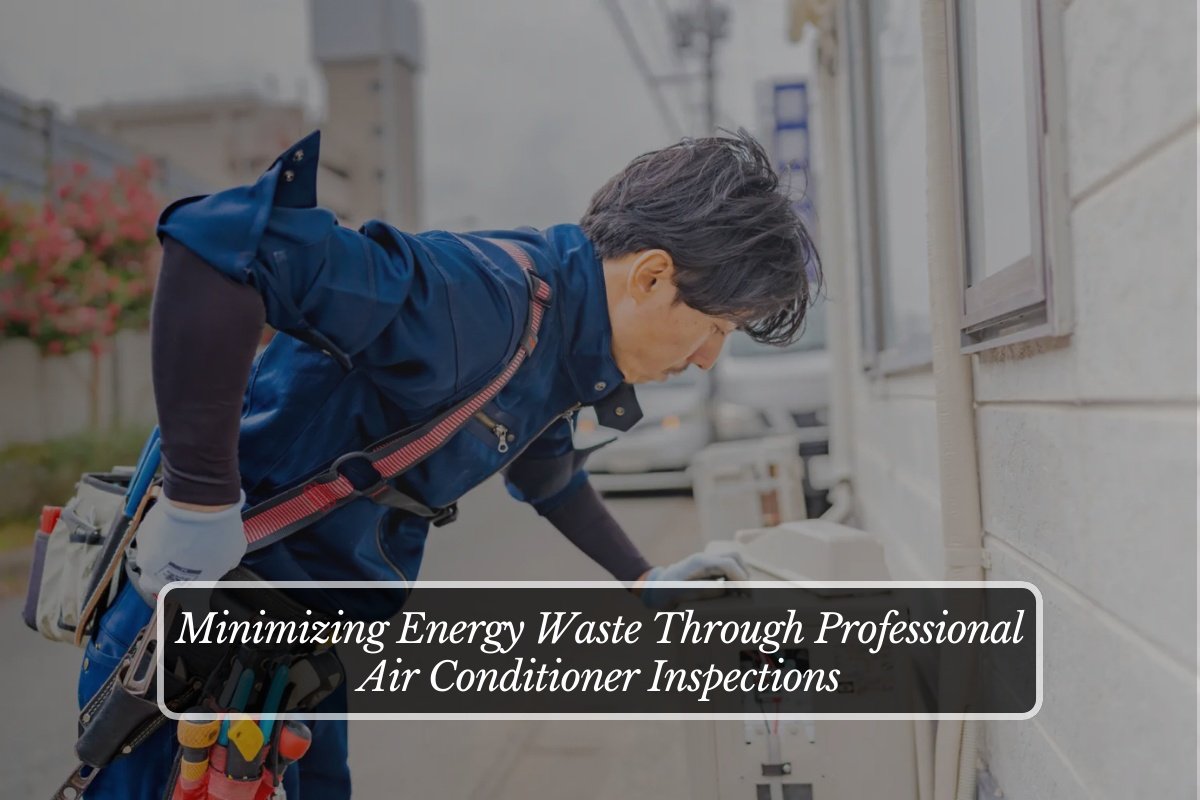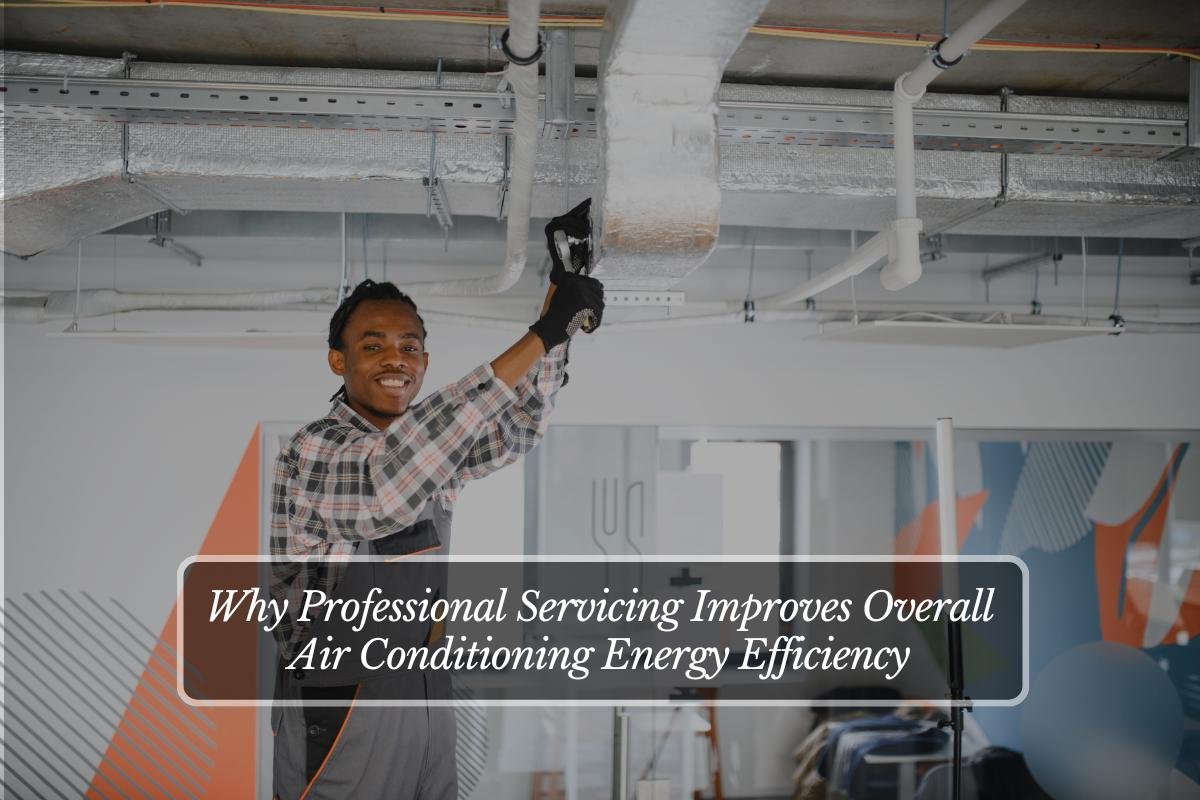
Professional servicing of air conditioners significantly boosts energy efficiency by up to 15-20% through precise cleaning, calibration, and optimization, directly lowering U.S. household electricity bills that average $600 annually on cooling.
In America, where ACs consume 12% of residential energy per DOE data, certified technicians restore SEER ratings lost to neglect, ensuring compliance with IECC codes across states like California’s Title 24 mandates. Regular pro maintenance transforms inefficient systems into peak performers, saving costs and reducing environmental impact.
Optimized Airflow Through Filter and Coil Maintenance
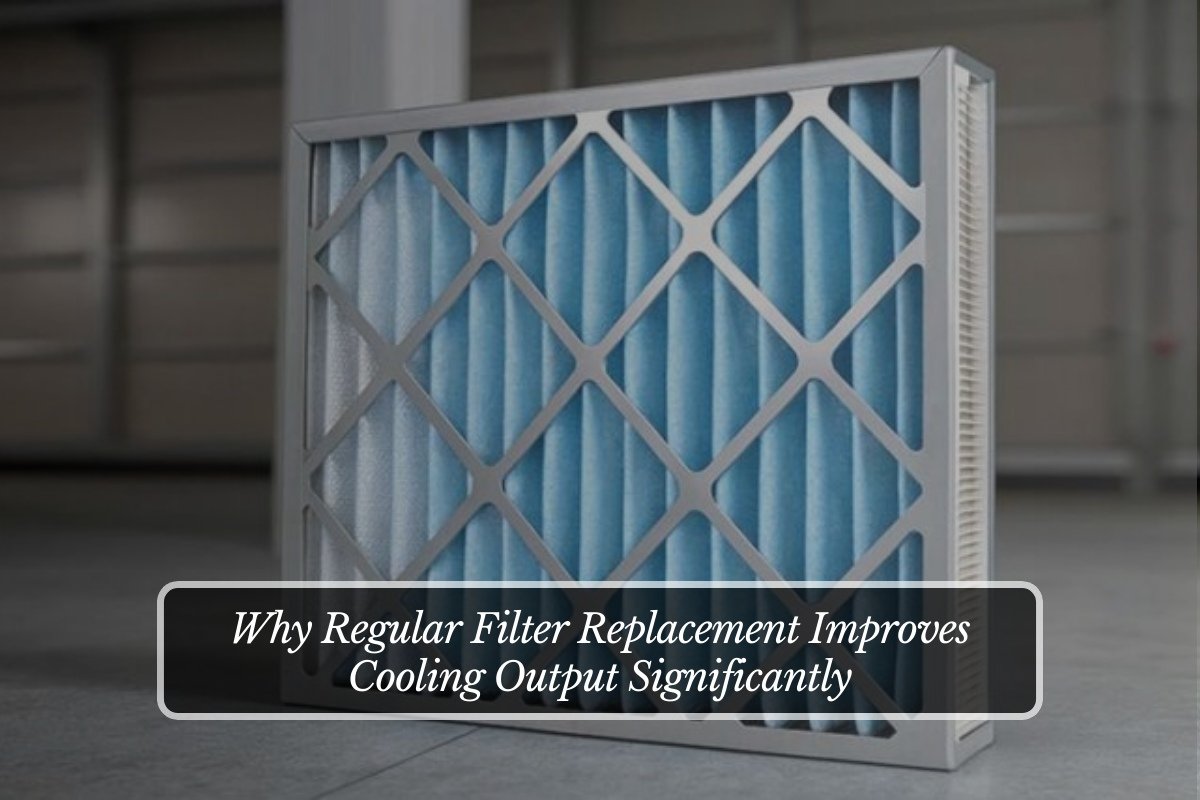
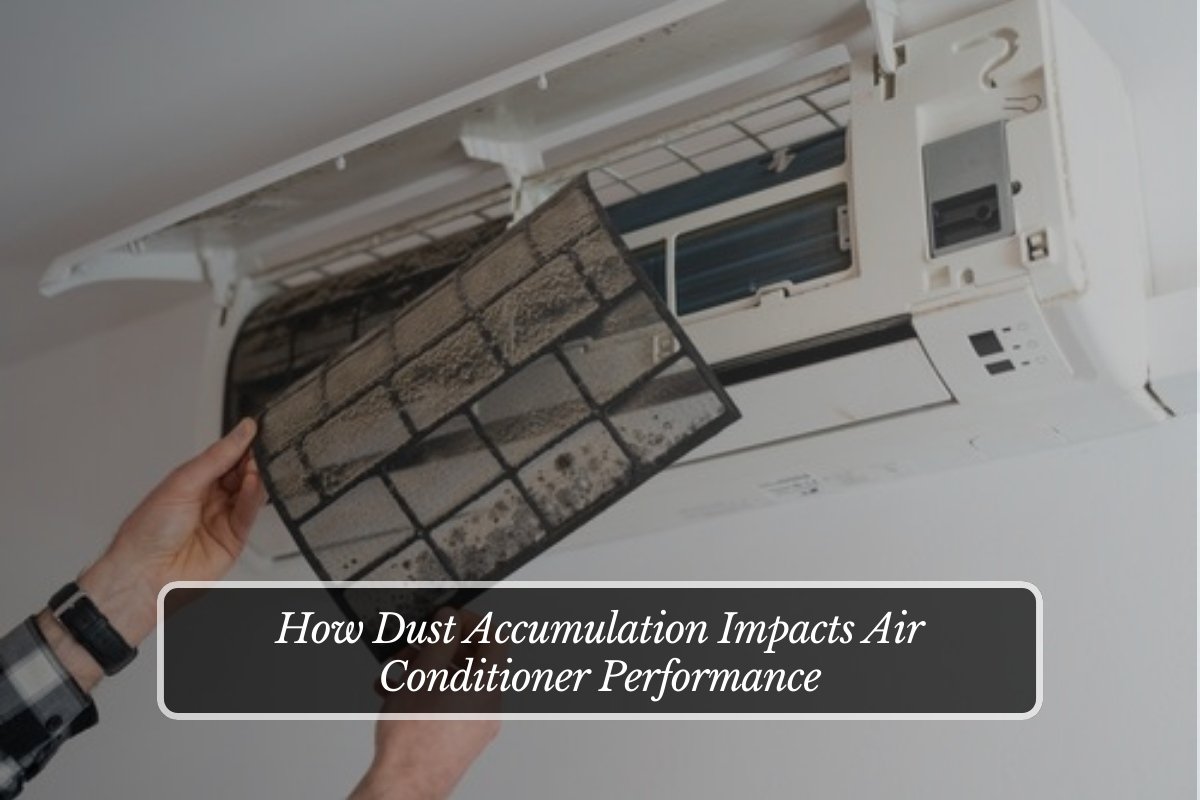
Dirty filters and coils restrict airflow, forcing compressors to overwork by 20-30%—pros replace MERV 8-13 filters and deep-clean evaporator/condenser coils, restoring full capacity. Clogged coils drop efficiency 15% per DOE; technicians use specialized vacuums and chemicals inaccessible to DIY, preventing frost buildup that halts cooling.
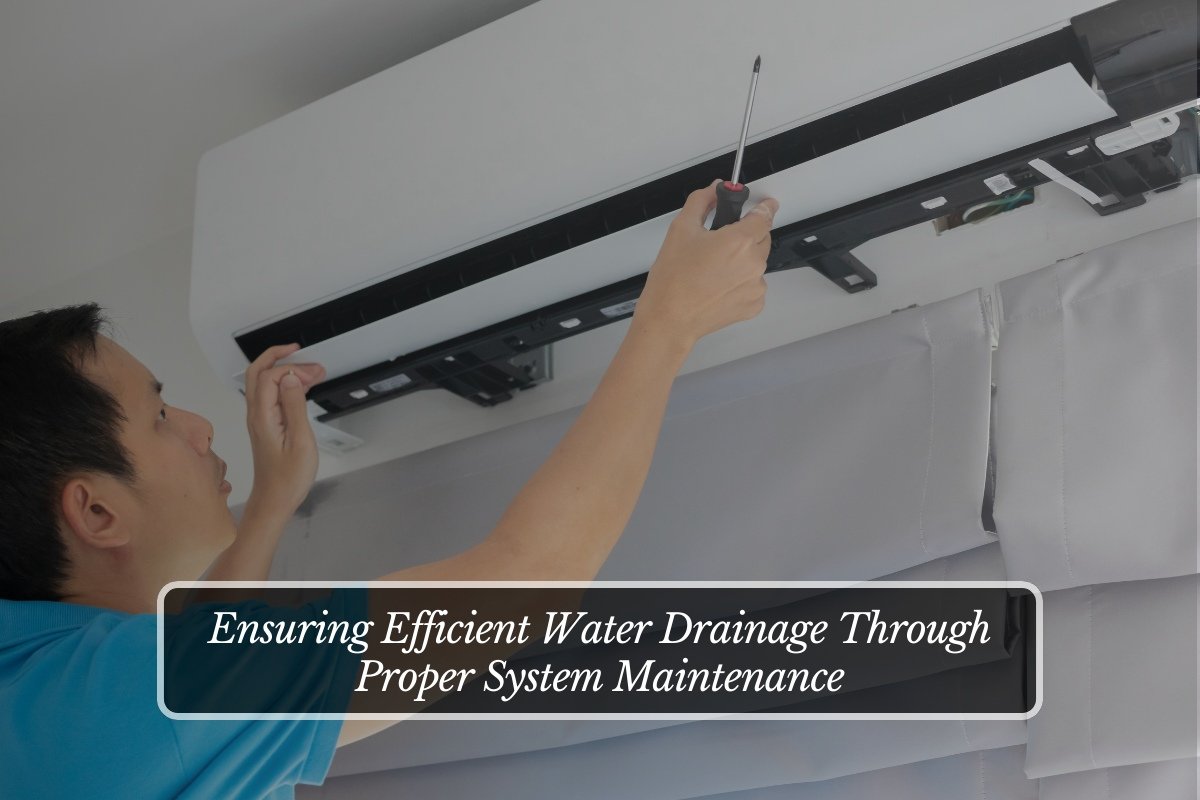
In humid regions like Florida, pros clear drain lines, averting water backups that strain blowers—resulting in even distribution and lower fan speeds for sustained savings.
Refrigerant Management and Leak Prevention
Low refrigerant from leaks reduces heat absorption, spiking energy use 25-50%; EPA-certified pros detect via electronic gauges, recharge to exact levels, and seal with brazing. Over/under-charging worsens efficiency—precise superheat/subcooling measurements ensure optimal cycles, compliant with R-410A standards post-R-22 ban.
Annual checks prevent gradual losses, maintaining SEER above 14 while avoiding $1,500 compressor strains from low pressure.
Electrical and Component Tuning
Worn capacitors, relays, and belts increase startup amps 30%, drawing excess power—pros test/load electricals, lubricate motors, and tighten connections for smooth operation. Voltage imbalances common in older homes get corrected, reducing cycling losses; variable-speed units benefit most from tuned inverters.
Safety inspections prevent tripped breakers, ensuring reliable runtime without energy-wasting surges.
Thermostat and Controls Calibration
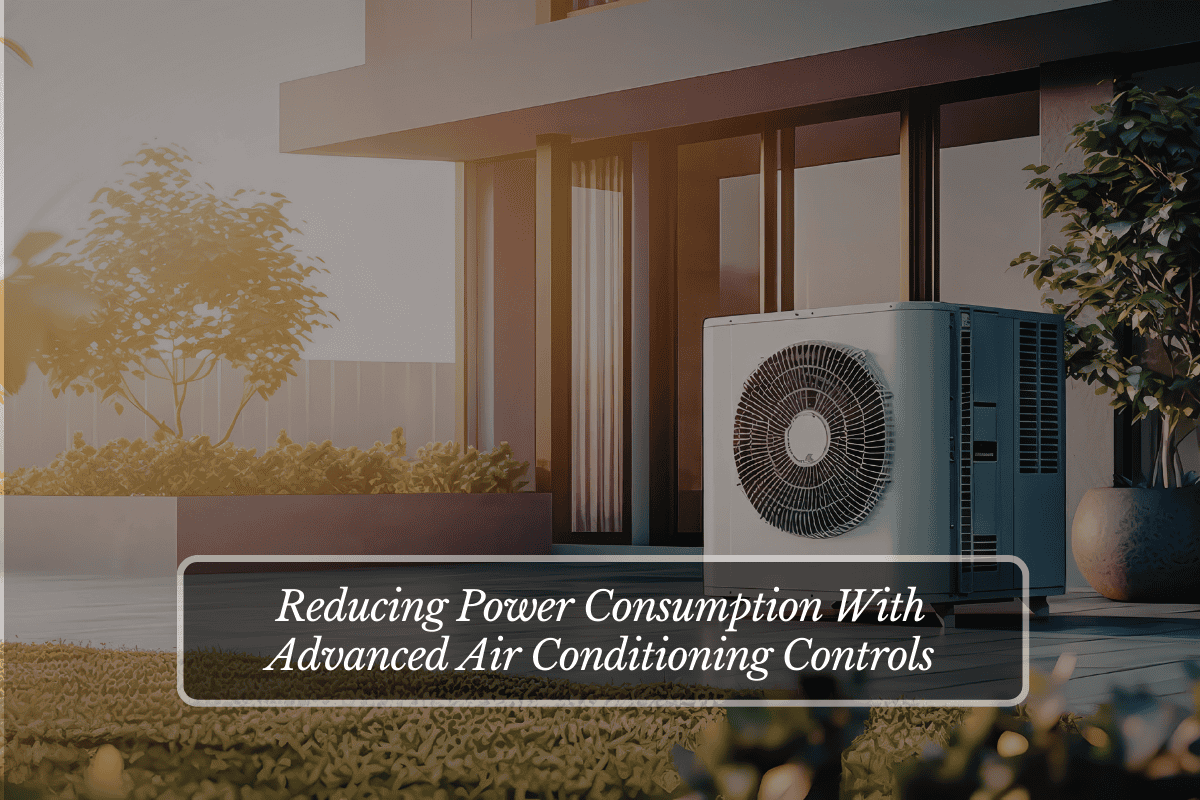
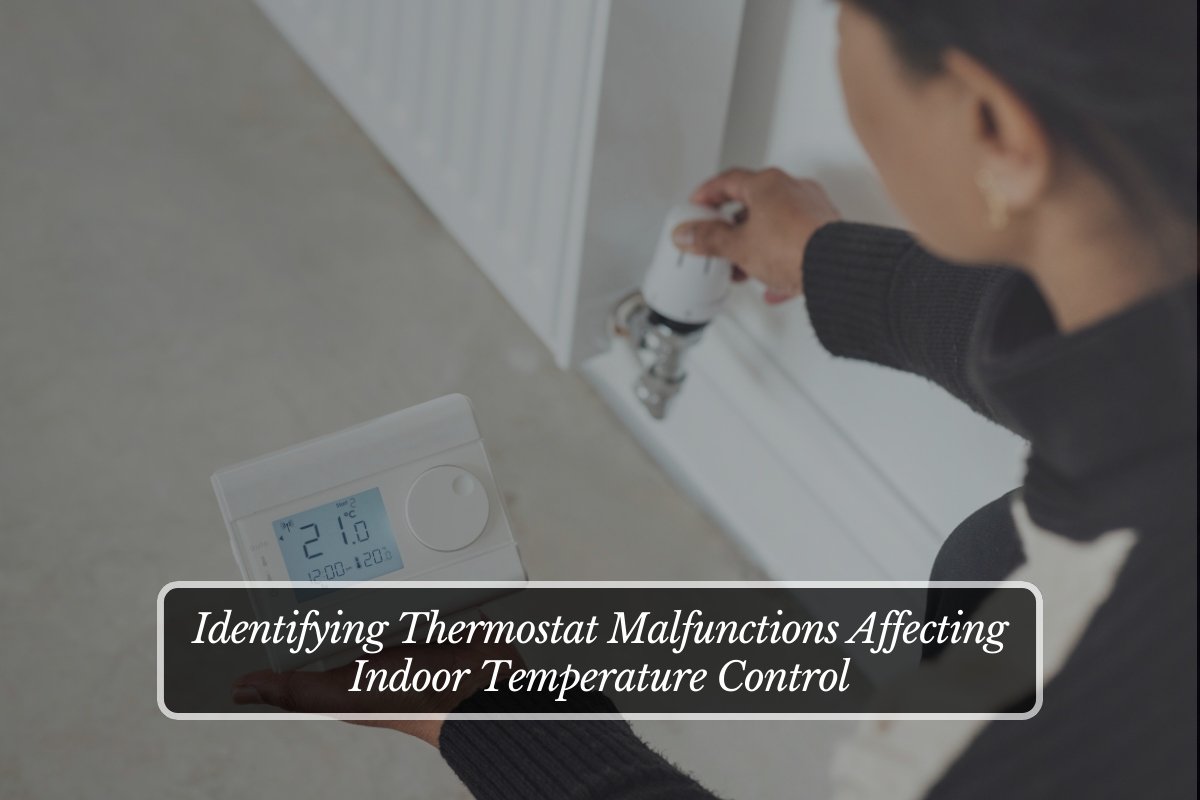
Miscalibrated thermostats cause short-cycling, wasting 10-15% energy; pros verify accuracy (±1°F), integrate smart models with zoning, and program setbacks for unoccupied times. Duct sealing via aeroseal plugs 20% leaks, balancing static pressure for uniform flow—critical in Southwest attics.
Advanced diagnostics like airflow manometers pinpoint imbalances DIY misses.
System-Wide Performance Diagnostics
Comprehensive 33-point inspections measure delta-T (18-22°F), amp draws, and static pressure, identifying hidden drags like undersized ducts. Pros adjust blower speeds, verify economizers, and recommend upgrades like ECM motors for 40% savings—far beyond basic tune-ups.
Post-service reports track improvements, enabling rebate claims under ENERGY STAR programs.
Long-Term Efficiency and ROI Gains
Bi-annual service yields 10-15% bill cuts compounding yearly; systems last 15-20 years vs. 10 without, per Bryant/DOE—ROI hits in 1-2 seasons amid $0.15/kWh rates. Environmentally, reduced emissions align with U.S. net-zero goals; pros ensure Title 24 compliance in CA.
Plans averaging $150/visit prevent $2,000 emergencies, enhancing home value.
Frequently Asked Questions (FAQs)
Q. How much efficiency gain from pro service?
15-20% via airflow/refrigerant optimization; DOE confirms coil cleaning alone saves 15%.
Q. Why not DIY for energy savings?
Lacks tools/precision—pros use gauges for refrigerant, manometers for ducts.
Q. Frequency for max efficiency?
Bi-annual (spring/fall) in South; annual North; per ENERGY STAR.
Q. Impact on SEER rating?
Restores lost efficiency to rated levels (14-20+); prevents degradation.
Q. ROI timeline and costs?
Pays in 1 season via 10-15% bills; $150/visit vs. $600 savings.