Air conditioning systems are designed to deliver consistent cooling performance, especially during peak usage periods. However, without regular maintenance, even high-quality systems can experience sudden drops in cooling efficiency. These unexpected declines often result in discomfort, increased energy bills, and costly repairs.
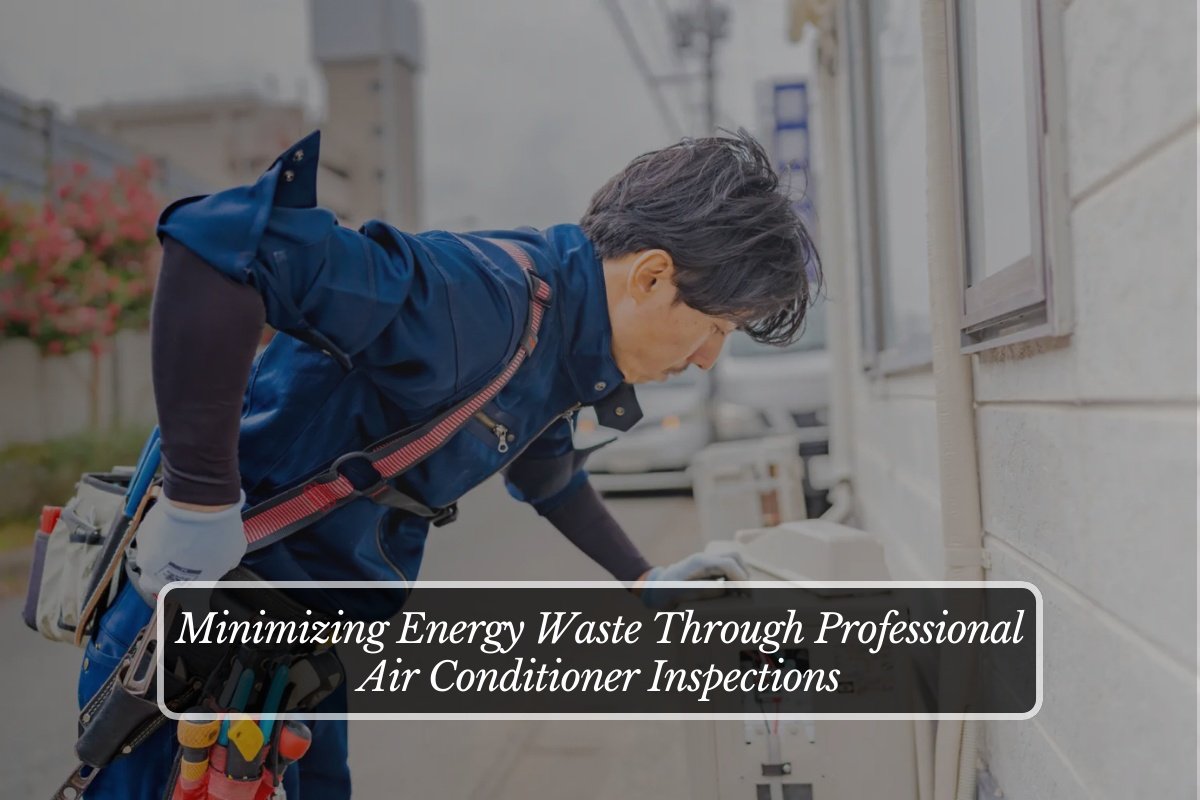
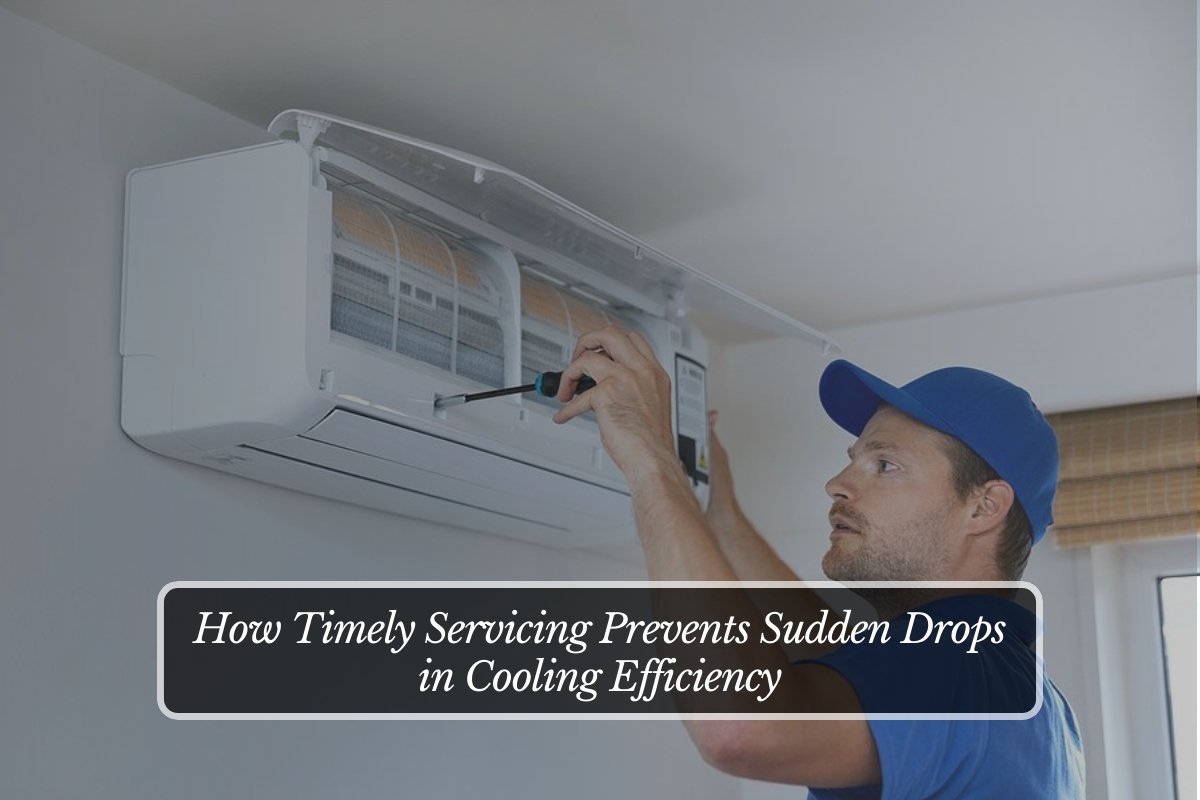
Timely servicing plays a crucial role in preventing performance disruptions. By identifying minor issues before they escalate, routine maintenance ensures stable cooling output, improved energy efficiency, and extended system lifespan. This article explains how proactive servicing safeguards against sudden efficiency losses.
Understanding Cooling Efficiency
Cooling efficiency refers to how effectively an air conditioning system converts electrical energy into cooling output. When operating efficiently, the system maintains desired indoor temperatures without excessive runtime or energy consumption.
Key Efficiency Indicators
- Stable indoor temperature
- Consistent airflow
- Normal energy usage
- Balanced refrigerant pressure
- Smooth compressor operation
A sudden drop in efficiency often signals underlying mechanical or airflow issues.
Common Causes of Efficiency Decline
Several system components can contribute to reduced performance if not properly maintained.
Frequent Efficiency Problems
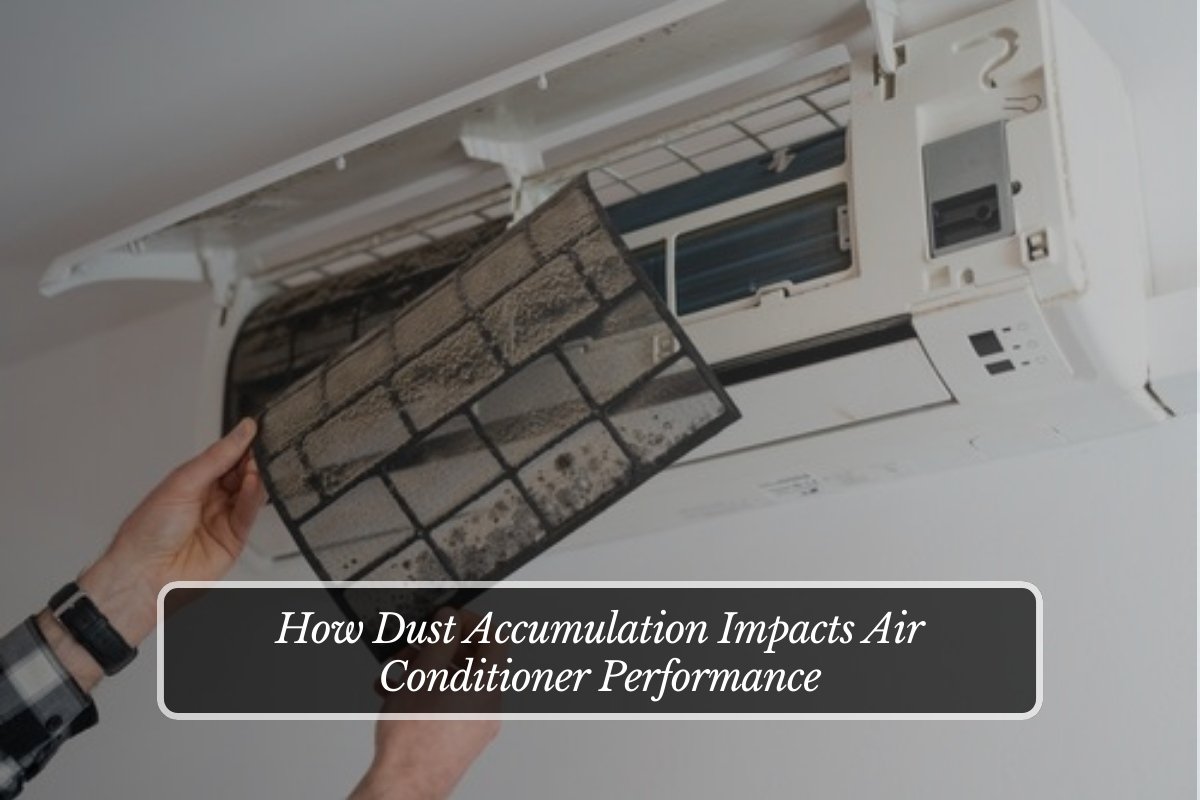
- Dirty air filters
- Clogged condenser coils
- Low refrigerant levels
- Blocked drain lines
- Faulty thermostats
- Electrical component wear
- Frozen evaporator coils
| Issue | Impact on Efficiency |
|---|---|
| Dirty Filters | Restricted airflow |
| Low Refrigerant | Reduced cooling capacity |
| Dirty Coils | Poor heat exchange |
| Electrical Faults | Inconsistent operation |
Timely servicing addresses these problems before they disrupt performance.
Preventing Airflow Restrictions
Airflow is essential for effective cooling. When airflow becomes restricted, the system must work harder to maintain temperatures.
Servicing Benefits for Airflow
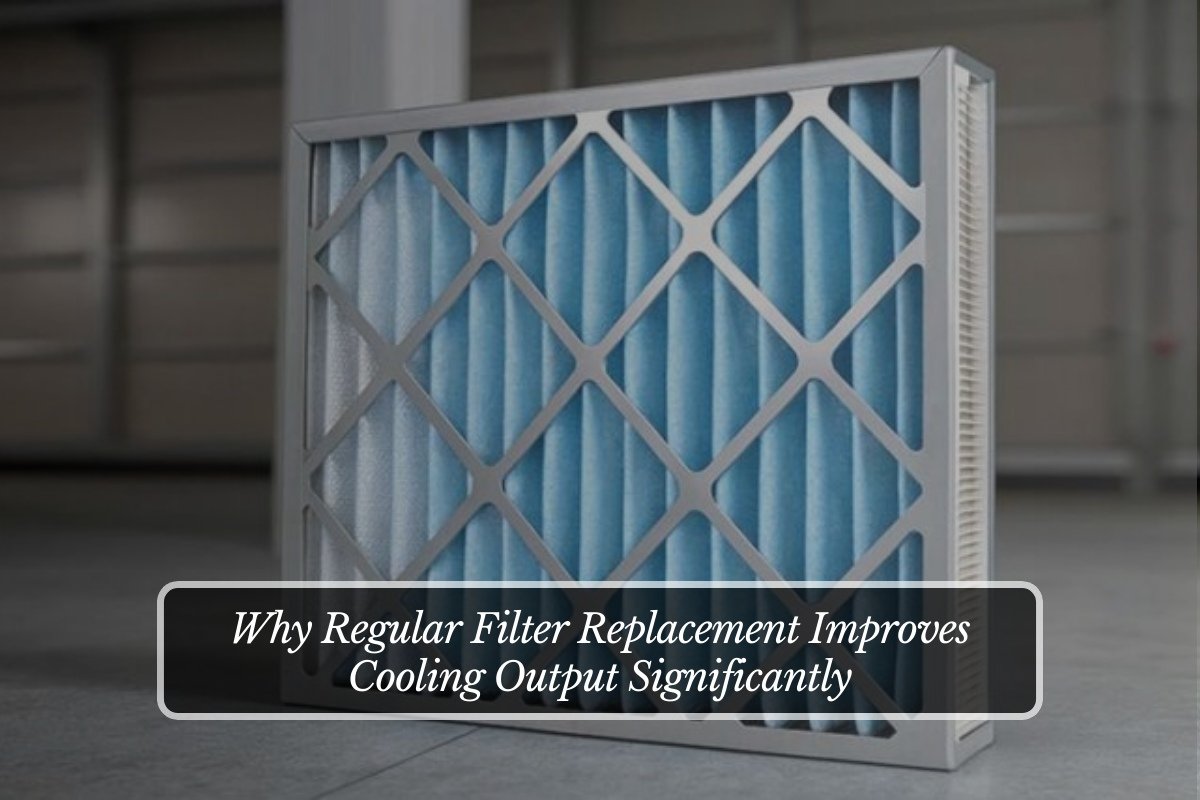
- Replacing clogged air filters
- Cleaning evaporator coils
- Clearing duct obstructions
- Checking blower motor performance
Improved airflow ensures balanced cooling and reduces compressor strain.
Maintaining Proper Refrigerant Levels
Refrigerant plays a central role in the cooling cycle. Even minor leaks can reduce efficiency significantly.
Refrigerant Maintenance Steps
- Pressure testing
- Leak detection
- Proper system recharge
- Inspecting refrigerant lines
| Refrigerant Condition | System Effect |
|---|---|
| Proper Charge | Optimal performance |
| Undercharged | Weak cooling |
| Overcharged | Reduced efficiency |
Regular servicing prevents pressure imbalances that affect cooling output.
Cleaning Condenser and Evaporator Coils
Heat exchange efficiency depends on clean coils.
Coil Maintenance Advantages
- Faster cooling cycles
- Reduced compressor workload
- Lower energy consumption
- Stable system performance
Dust and debris accumulation restrict heat transfer, leading to gradual efficiency decline.
Protecting Electrical Components
Electrical wear can cause inconsistent performance and sudden shutdowns.
Electrical Servicing Includes
- Testing capacitors
- Inspecting contactors
- Checking wiring connections
- Verifying voltage levels
Early detection of electrical wear prevents unexpected failures.
Preventing Frozen Evaporator Coils
Frozen coils restrict airflow and reduce cooling capacity.
Causes of Coil Freezing
- Restricted airflow
- Low refrigerant
- Dirty coils
- Blower motor issues
Timely maintenance ensures proper airflow and refrigerant balance, preventing ice buildup.
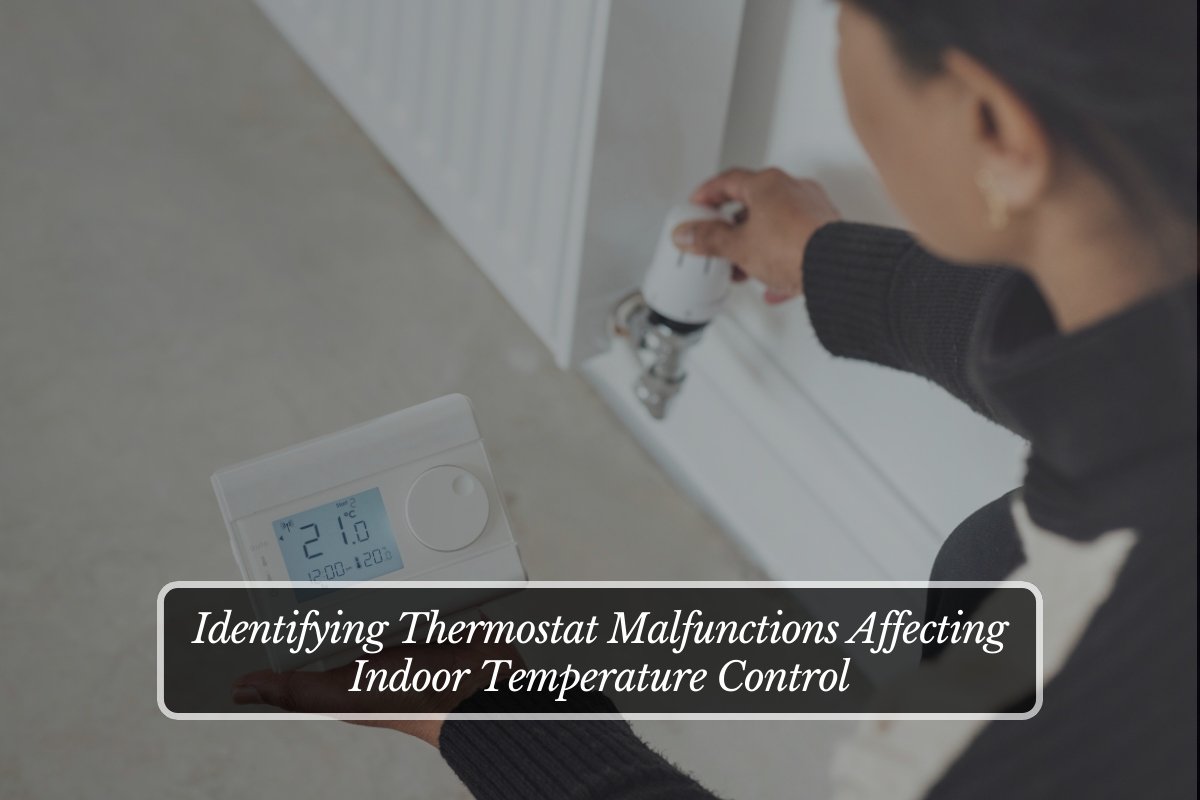
Ensuring Proper Thermostat Calibration
An improperly calibrated thermostat can cause inefficient operation.
Thermostat Servicing
- Recalibrating temperature sensors
- Testing responsiveness
- Updating programmable settings
- Replacing outdated units
Accurate temperature control prevents overcooling or undercooling.
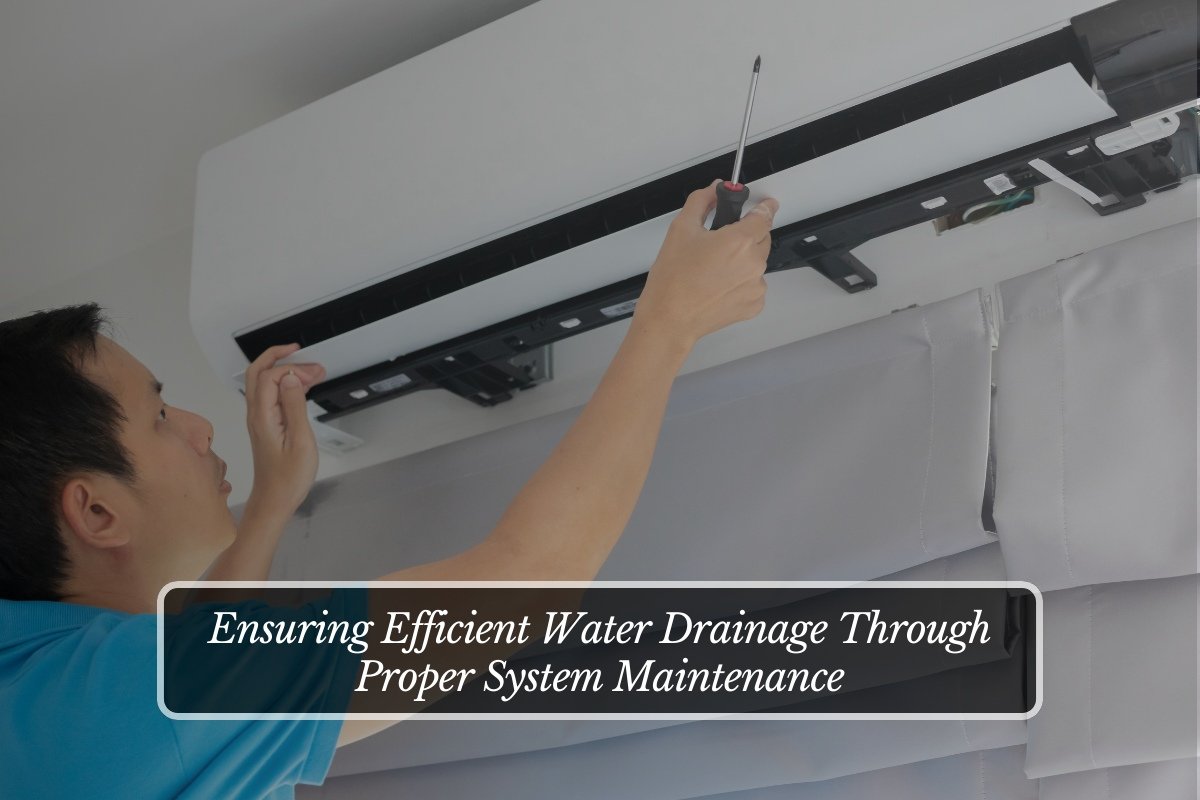
Drain Line Maintenance
Clogged drain lines can cause system shutdowns or humidity imbalances.
Benefits of Drain Cleaning
- Prevents water overflow
- Reduces mold growth
- Maintains humidity control
- Avoids emergency shutdowns
Routine drain inspection ensures consistent operation.
Reducing Compressor Strain
The compressor is the most critical component in an AC system.
How Servicing Protects the Compressor
- Maintaining refrigerant balance
- Cleaning coils
- Ensuring adequate airflow
- Monitoring operating pressures
| Maintenance Task | Compressor Benefit |
|---|---|
| Filter Replacement | Reduced workload |
| Coil Cleaning | Improved heat transfer |
| Refrigerant Check | Stable pressure levels |
Protecting the compressor prevents costly repairs and performance drops.
Energy Efficiency and Cost Savings
A poorly maintained AC system consumes more electricity.
Financial Benefits of Timely Servicing
- Lower utility bills
- Fewer emergency repairs
- Extended equipment lifespan
- Improved cooling consistency
Regular maintenance is significantly more affordable than major repairs or system replacement.
Recommended Maintenance Schedule
Preventive servicing should follow a structured timeline.
Maintenance Frequency
- Professional inspection: Once or twice per year
- Filter replacement: Every 1–3 months
- Coil cleaning: Annually
- Drain line inspection: Annually
- Electrical check: Annually
Consistent maintenance reduces the likelihood of sudden efficiency losses.
Warning Signs of Efficiency Decline
Homeowners should monitor early indicators of potential problems.
Signs to Watch
- Longer cooling cycles
- Weak airflow
- Rising energy bills
- Uneven room temperatures
- Unusual noises
Prompt attention prevents minor issues from escalating. Timely servicing is the most effective strategy for preventing sudden drops in cooling efficiency. Regular inspections, cleaning, refrigerant checks, and electrical testing keep air conditioning systems operating at peak performance.
By addressing small issues early, homeowners and facility managers can avoid unexpected breakdowns, maintain indoor comfort, and reduce long-term operational costs. Proactive maintenance not only protects cooling efficiency but also extends system lifespan and ensures reliable performance during peak demand periods.
FAQs
Q. How often should air conditioning systems be serviced?
Professional servicing is recommended at least once per year, ideally before peak summer usage.
Q. Can dirty filters cause efficiency loss?
Yes, clogged filters restrict airflow, forcing the system to work harder and reducing efficiency.
Q. Does low refrigerant reduce cooling performance?
Yes, insufficient refrigerant disrupts the cooling cycle and significantly lowers efficiency.
Q. Why does my AC suddenly feel less powerful?
Sudden performance drops may result from airflow restrictions, refrigerant leaks, dirty coils, or electrical issues.
Q. Is preventive maintenance worth the cost?
Yes, regular servicing prevents expensive repairs, reduces energy bills, and extends equipment lifespan.