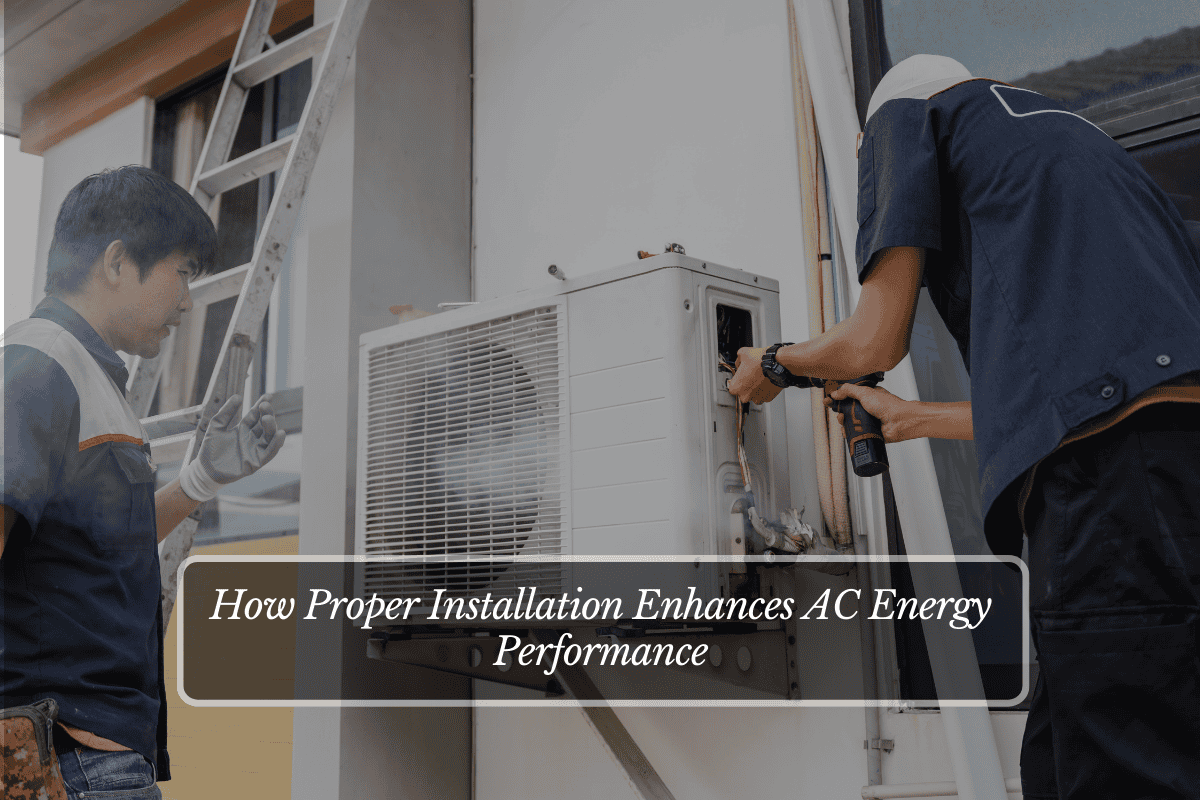
Proper installation of air conditioners significantly boosts energy performance by ensuring optimal airflow, refrigerant charge, and system sizing, potentially saving US households 20-30% on cooling bills annually. This foundational step prevents common pitfalls like leaks or oversizing, extending unit life and aligning with sustainable home practices amid rising energy costs.
Why Installation Matters
Poor setup causes 80% of efficiency losses: ducts leak 20-30% of cooled air, low refrigerant starves compressors, and mismatched units cycle inefficiently. ENERGY STAR specs mandate professional installs for rebates, as DIY errors spike energy use 15-25%. In hot US regions like the South, correct placement avoids solar gain, maintaining SEER ratings (Seasonal Energy Efficiency Ratio) above 16 for modern systems.
Qualified HVAC pros follow Manual J load calculations, ensuring right-sizing over rule-of-thumb guesses.
Key Installation Best Practices
Expert techniques maximize output.
- Proper Sizing: Load calc via square footage, insulation, windows—avoids short-cycling that cuts efficiency 10-20%.
- Ductwork Sealing: Mastic or foil tape on joints; sealed ducts recover 20% lost energy.
- Refrigerant Charging: Weigh-in method per superheat/subcooling; undercharge drops efficiency 20-30%.
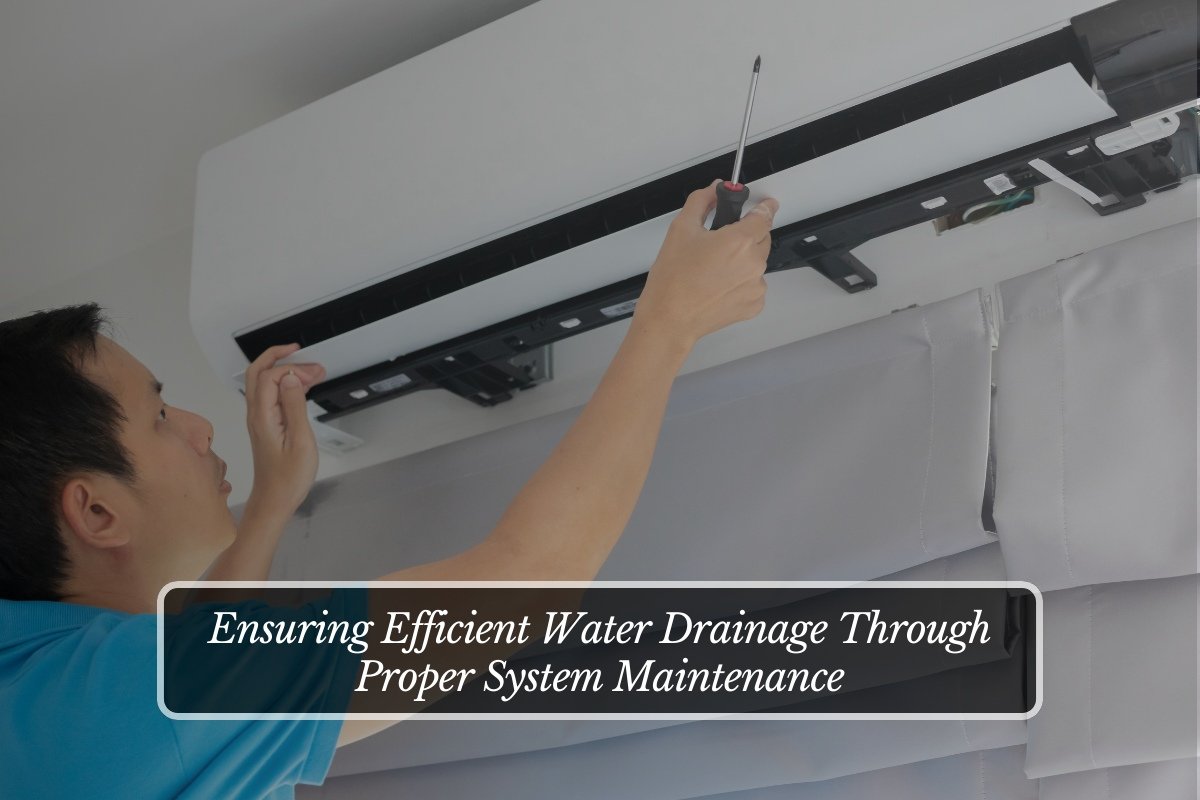
- Drainage & Leveling: Sloped lines prevent water backups stressing fans.
- Electrical & Controls: Smart thermostats, variable-speed blowers for zoning.
Line sets insulated fully curb condensation losses.
Energy Performance Gains
Optimized installs yield measurable uplifts.
High-SEER units (20+) shine post-correct setup, per DOE specs.
Step-by-Step Homeowner Guide
Partner with NATE-certified techs for compliance.
- Assessment: Manual J/JH for load; audit ducts.
- Unit Selection: ENERGY STAR, SEER 16+ for rebates.
- Prep Site: Clear 2-3 ft around outdoor unit; seal attic ducts.
- Install Day: Verify charge, pressures, temp splits (18-22°F).
- Commission: Airflow test (>350 CFM/ton), thermostat calibration.
- Maintenance Plan: Annual tune-ups sustain 95% efficiency.
Costs $5K-10K but ROI in 3-5 years via $300-600 yearly savings.
Long-Term Benefits
Beyond energy, proper installs quiet operation (under 55 dB), improve humidity control (40-60% RH), and boost home value 5-7%. Reduced wear cuts repairs 50%; eco-refrigerants (R-410A/R-32) lower global warming potential. Ties to wellness via cleaner air, ideal for families.
Rebates via IRA (up to $2K) amplify affordability.
Common Pitfalls Avoided
Oversizing wastes 15%; low charge voids warranties. Hire verified pros via Angi or Energy Star lists—check licenses, reviews. Post-install, monitor via apps for anomalies.
Sustains performance amid 2026 heatwaves.
FAQs
1. How much savings from proper install?
20-30% on bills; sealed ducts alone recover 20% lost cooling.
2. Signs of poor installation?
Uneven cooling, high bills, frequent cycling, ice on coils.
3. SEER impact from setup?
Drops 10-20 points if undersized/uncharged; pros hit rated efficiency.
4. DIY risks?
High—refrigerant handling needs EPA cert; voids warranties.
5. Best pros to hire?
NATE/ENERGY STAR verified; check Manual J experience, reviews.