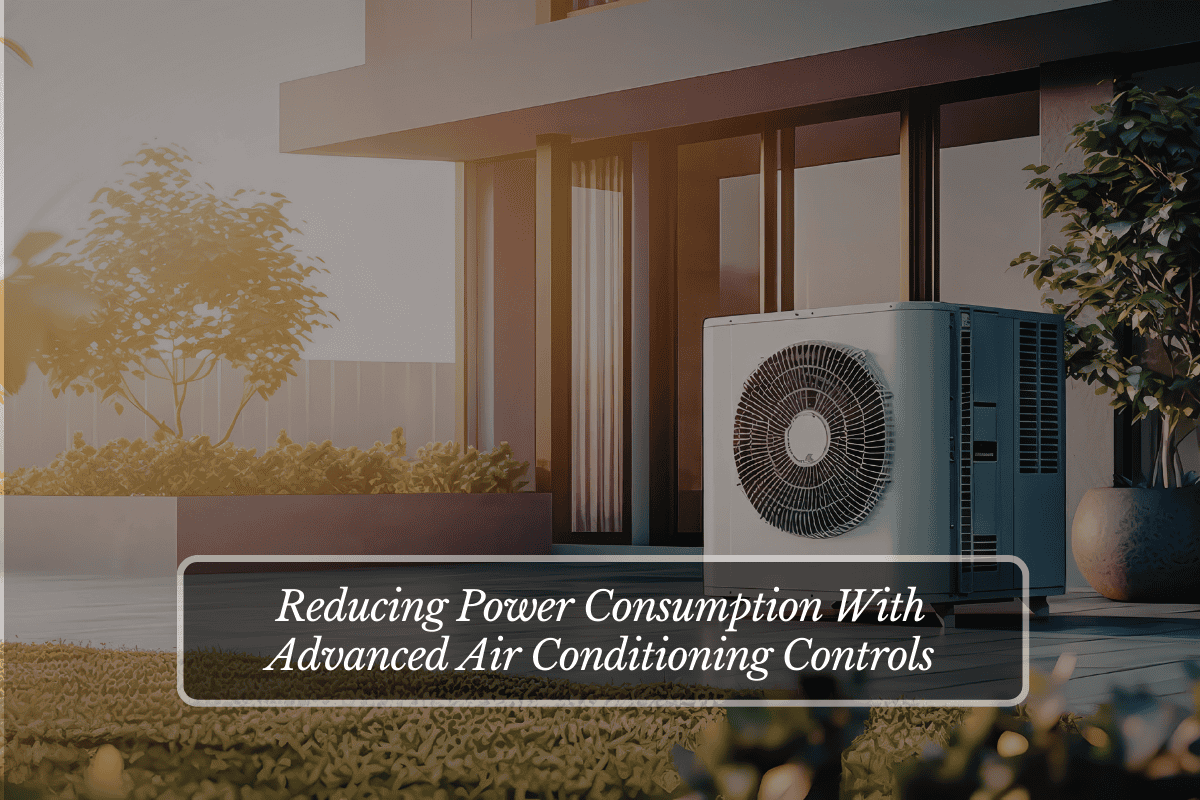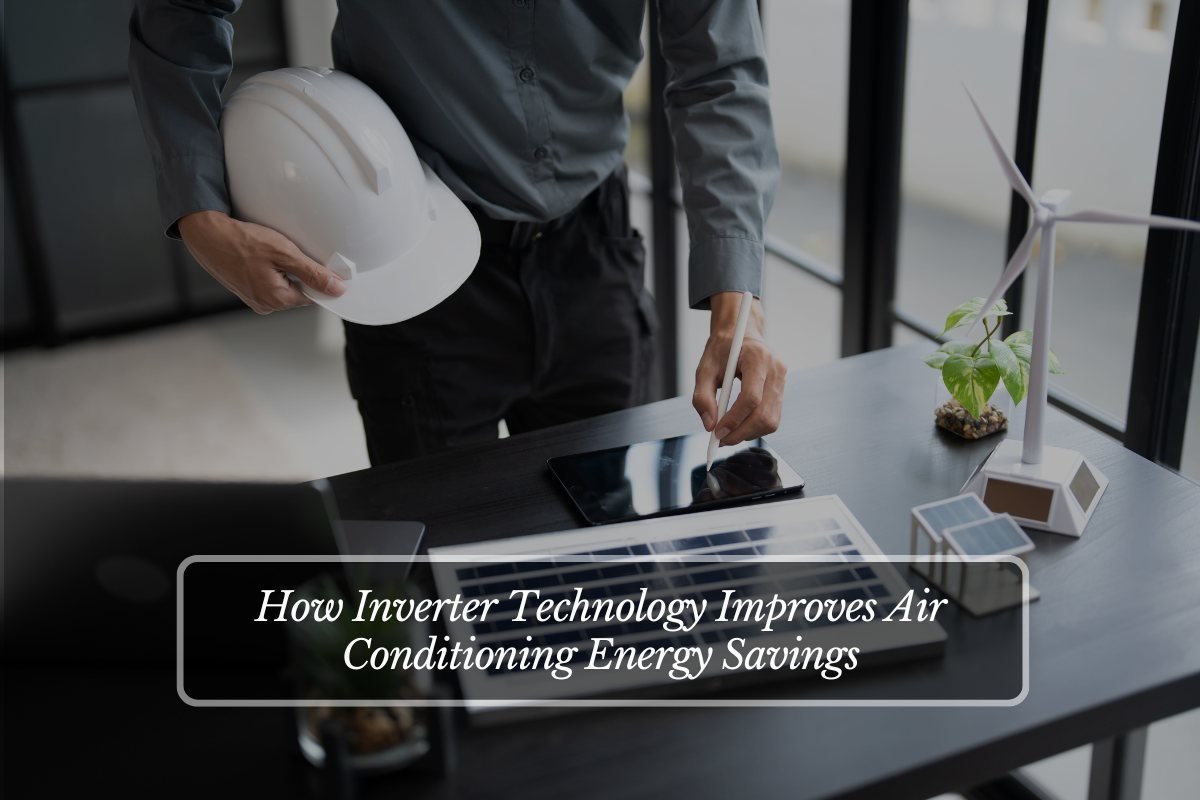
Inverter technology revolutionizes air conditioning efficiency in the U.S. by enabling variable-speed compressors that adjust output to real-time cooling needs, slashing energy waste compared to traditional fixed-speed units. U.S. households spend about $29 billion annually on AC, accounting for 12% of home electricity, making inverters a key to savings amid rising demands. ENERGY STAR models with inverters use 23% less energy, potentially saving $70 yearly per unit.
Traditional vs. Inverter AC Operation
Non-inverter ACs cycle on/off at full power, wasting energy during restarts and causing temperature swings. Inverters run continuously at modulated speeds, matching demand precisely—ramping up initially, then idling for maintenance, avoiding 30-50% excess consumption. This smooth operation yields SEER ratings of 18+, exceeding 2023 federal minima of 14-15.
Mechanisms Driving Energy Efficiency
Inverters use microprocessors to monitor temperature and adjust compressor/fan speeds, minimizing electricity draw during partial loads (most common). Eliminating start-up surges—up to 3x steady power—cuts peaks; precise control prevents overcooling. DOE analyses confirm $17 annual savings per unit, totaling $153 over nine years for window models.
Quantified Savings in the U.S. Context
Businesses see 20-40% reductions versus conventional systems; residential inverters save 30-44% yearly, e.g., 44% less kWh (6230 vs. 3471 annually). ENERGY STAR room ACs save $70/year; central systems lag at <10% inverter adoption but offer 25%+ boosts. Over a decade, payback offsets higher upfront costs ($200-500 premium).
Additional Benefits Beyond Savings
Consistent temperatures enhance comfort without fluctuations; quieter operation (less vibration) and longer lifespan (reduced wear) lower maintenance. Environmentally, inverters cut CO2 by 49% via efficiency and low-GWP refrigerants like R32. IRA tax credits spur heat pump adoption, amplifying gains.
Challenges and Adoption Trends
U.S. market trails globally (<10% central AC inverters vs. Asia dominance) due to lax SEER rules and manufacturer inertia. Upfront costs deter, but falling prices (market from $10.5B in 2024) and rebates accelerate shifts. Policy tightens standards, promoting inverterization.
Future Outlook for U.S. Consumers
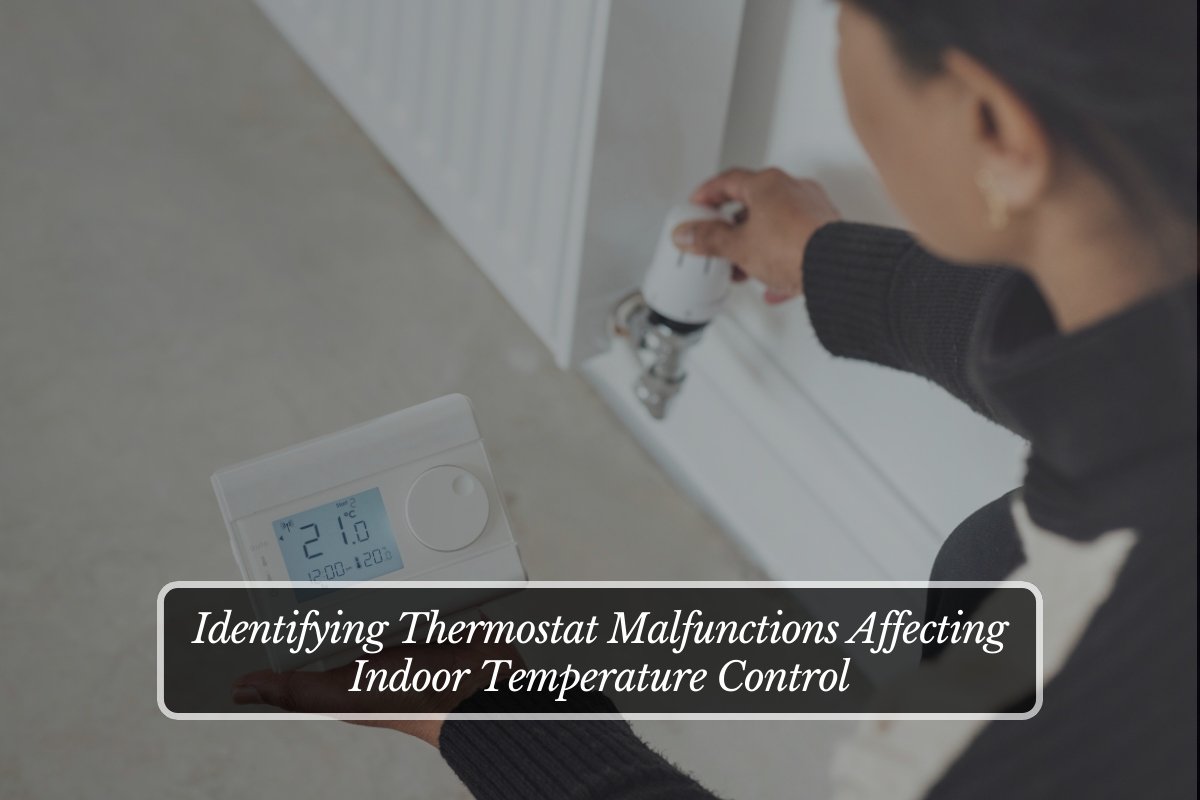
With AC demand surging, inverters promise grid relief and decarbonization; mini-splits lead residential uptake. Smart features enable further optimization via thermostats.
FAQs
1. How much energy do inverters save?
30-50% vs. non-inverters, with DOE noting $17/year per unit, up to 44% kWh reduction.
2. Why are inverters more efficient?
Variable-speed compressors avoid on/off cycles and surges, matching load precisely.
3. What are U.S. adoption rates?
<10% for central AC, but growing via ENERGY STAR (23% savings) and IRA incentives.
4. Do savings offset higher costs?
Yes, $153 over 9 years for windows; businesses gain 20-40% reductions.
5. Are there environmental benefits?
Yes, 49% less CO2 and efficient refrigerants like R32 minimize impact.