Energy efficient air conditioning systems cut electricity bills by using advanced technologies like inverter compressors and high efficiency ratings to consume less power while delivering the same cooling. These systems adjust operation dynamically, avoiding the energy waste of constant on-off cycling in traditional units. Homeowners can save 30-50% on AC-related costs annually through such upgrades.
How Traditional ACs Waste Energy
Traditional non-inverter ACs operate with fixed-speed compressors that run at full capacity until the room reaches the set temperature, then shut off completely. This on-off cycling causes high energy spikes during startups and temperature fluctuations of up to 3°C, forcing the compressor to restart frequently. For a 1.5-ton unit running 8 hours daily, these ACs consume 12-14.4 units per day, leading to monthly bills of ₹2,340-2,808 at ₹6.5 per unit.
Inverter Technology for Dynamic Efficiency
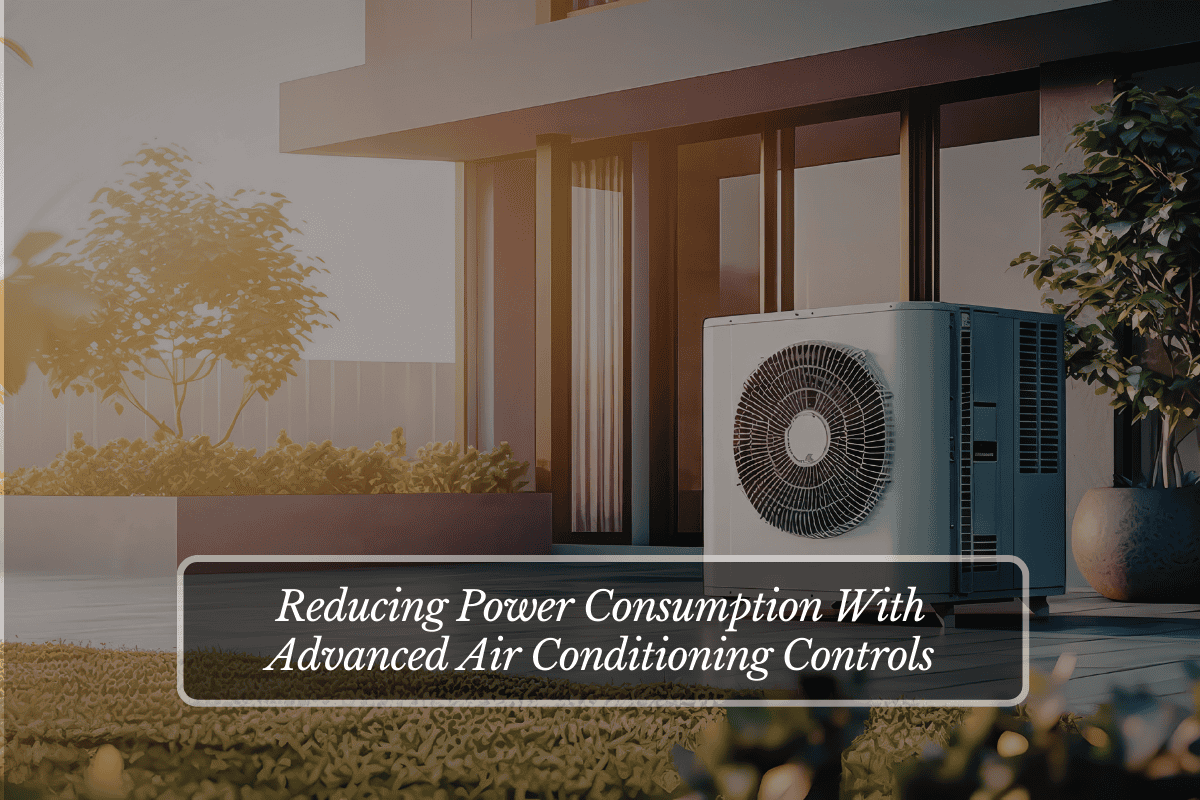
Inverter ACs use variable-speed compressors that adjust output from 30% to 110% based on cooling demand, maintaining precise temperatures within ±1°C. This eliminates wasteful cycling, reducing hourly consumption to 1.0-1.2 kW for a 1.5-ton model—33% less than non-inverters. Daily usage drops to 8-9.6 units, slashing monthly costs to ₹1,560-1,872 and saving ₹780-936 per month.
Key Efficiency Ratings Explained
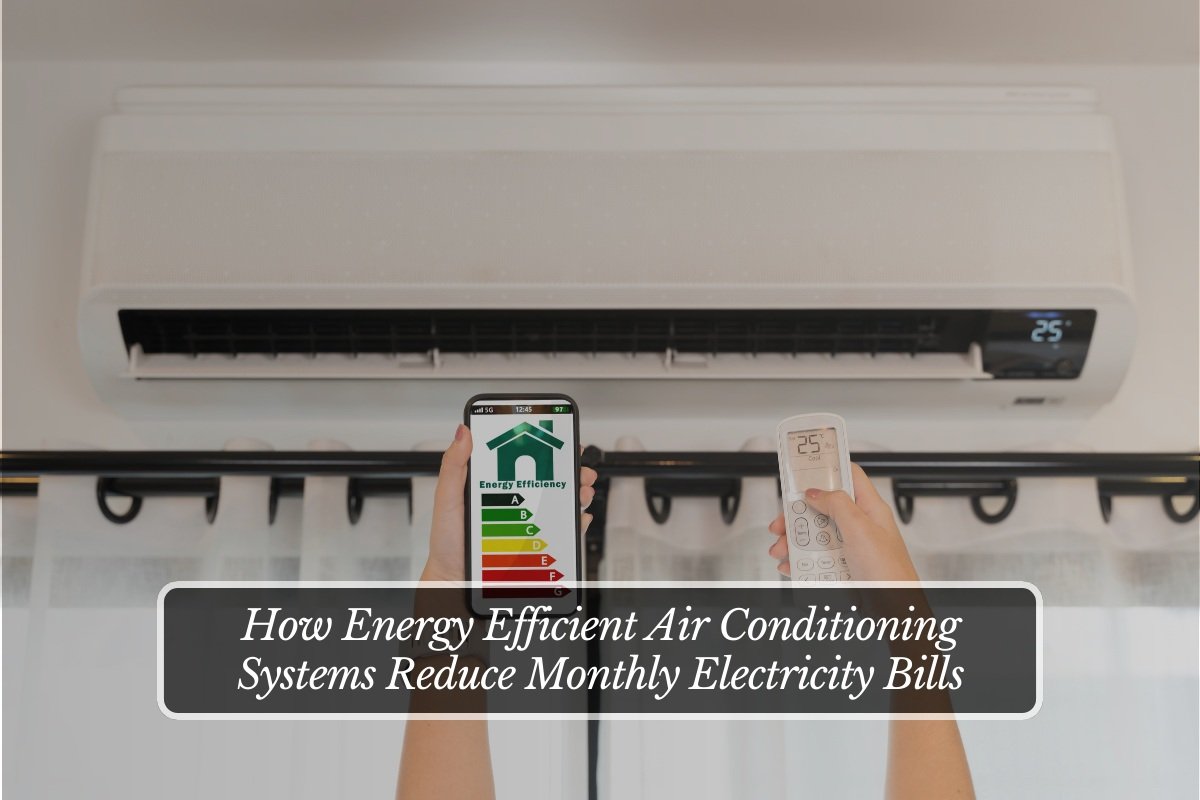
SEER (Seasonal Energy Efficiency Ratio) measures cooling output over a season divided by energy input, with ratings from 13 (minimum) to 25+ indicating higher efficiency. EER (Energy Efficiency Ratio) assesses peak performance at high temperatures, where higher numbers mean better hot-weather savings. In India, BEE 5-star ratings reflect these metrics; a 5-star unit uses nearly half the power of a 3-star, saving ₹695 monthly at 8 hours daily.
Quantifiable Bill Reductions
Switching to a 5-star inverter AC saves ₹10,000-15,000 yearly compared to 3-star non-inverters, with 30-40% lower consumption. For moderate use (8 hours/day), annual costs fall from ₹28,080 (3-star) to ₹18,720 (5-star), a ₹9,360 difference. Over 5 years, total ownership costs drop by ₹30,000+, factoring in longer lifespan and lower maintenance.
| AC Type (1.5 Ton, 8 hrs/day) | Monthly Units | Monthly Bill (₹6.5/unit) | Annual Savings vs Non-Inverter |
|---|---|---|---|
| 3-Star Non-Inverter | 360-432 | ₹2,340-2,808 | – |
| 5-Star Inverter | 240-288 | ₹1,560-1,872 | ₹9,360-14,256 |
Additional Savings Strategies
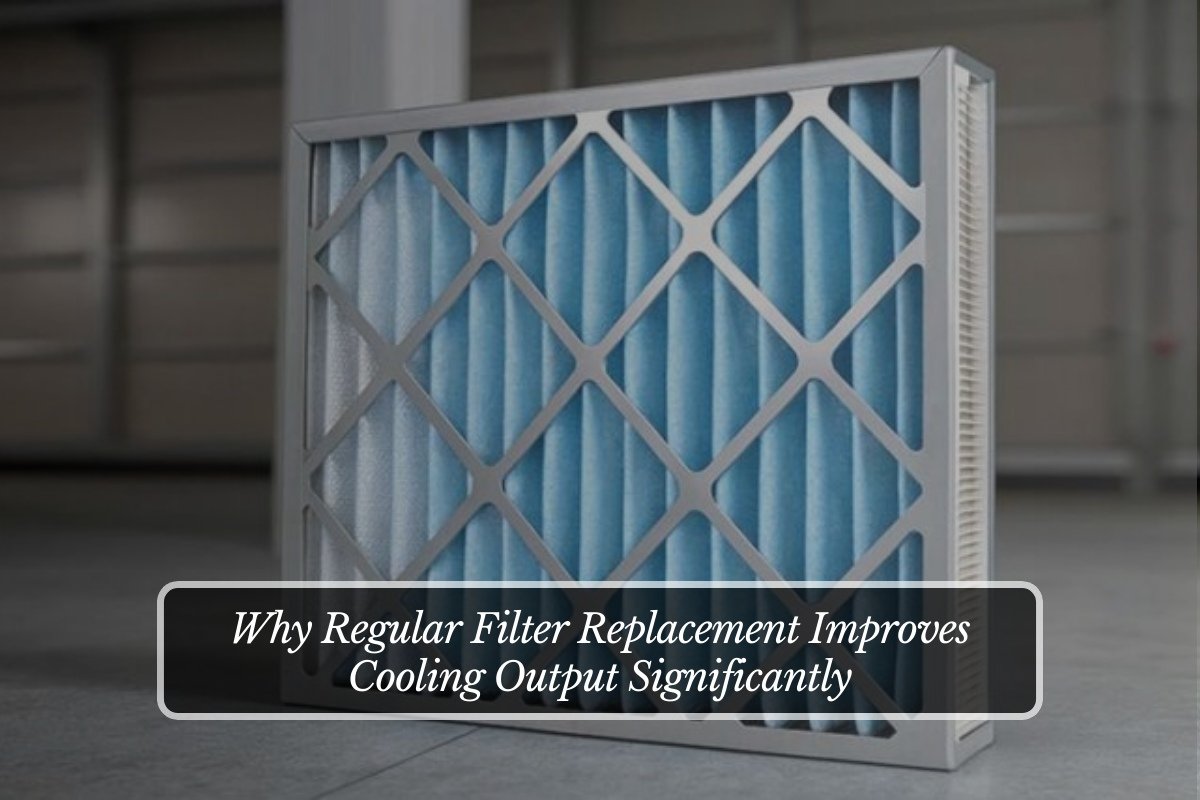
Set thermostats to 24-26°C, saving 6% per degree above 18°C, per BEE guidelines. Clean filters monthly for optimal airflow, use timers and eco modes, and seal rooms with curtains to block heat. Pairing with ceiling fans allows 1-2°C higher settings without discomfort, amplifying inverter benefits.
Long-Term Financial Payback
Inverter ACs cost ₹10,000-15,000 more upfront but recover via 12-18 month payback from ₹800-1,200 monthly savings. Over 10-15 years, net savings exceed ₹1 lakh, plus 1.37 tonnes less CO₂ annually. High-SEER models extend ROI in hot climates like India.
FAQs
Q1: How much can a 5-star inverter AC save monthly?
A: Expect ₹780-936 savings for 8-hour daily use versus 3-star non-inverters, based on 30-40% efficiency gains.
Q2: What is the difference between SEER and EER?
A: SEER averages seasonal efficiency; EER measures peak hot-day performance. Higher ratings in both mean lower bills.
Q3: Do energy efficient ACs cool slower?
A: Inverters provide steady cooling without fluctuations, often faster long-term than cycling non-inverters.
Q4: How to calculate personal savings?
A: Multiply daily hours by unit consumption difference (e.g., 4.8 units/day saved) and local tariff.
Q5: Are 5-star ratings worth the extra cost?
A: Yes, with ₹5,000-10,000 annual savings and 18-24 month payback for regular users.