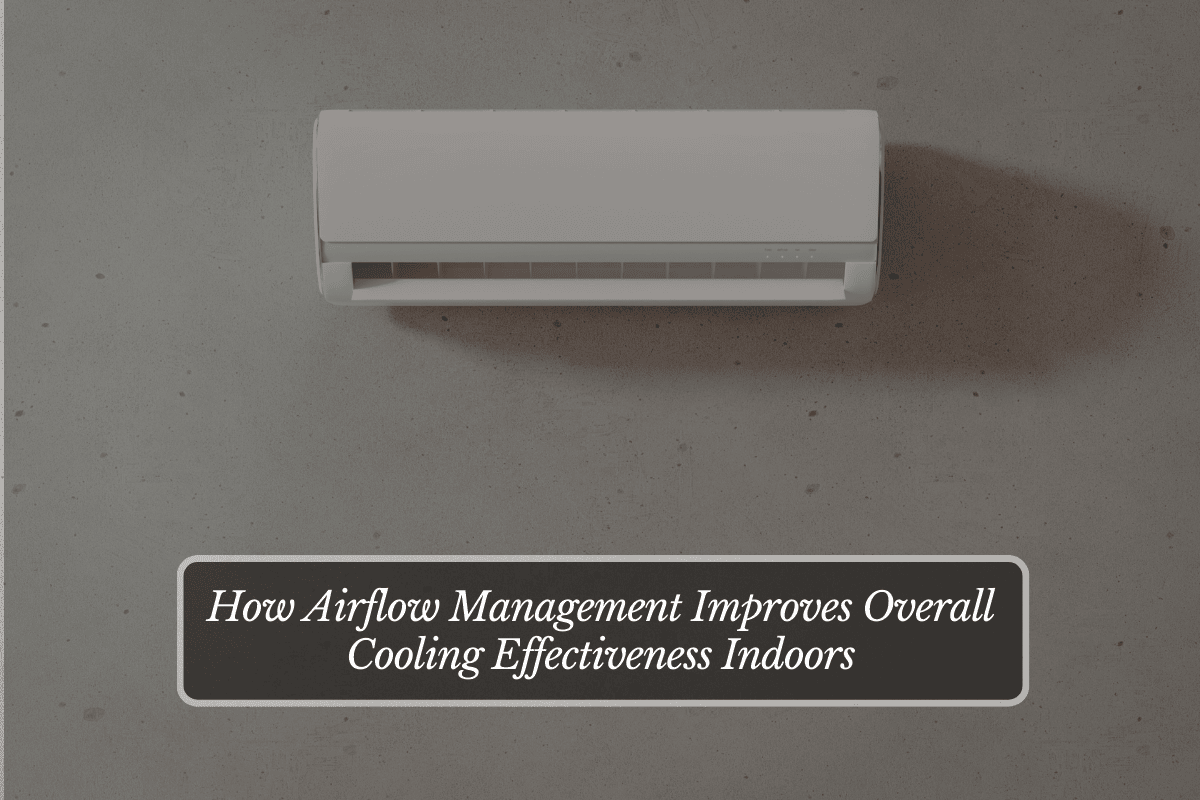
Airflow management improves overall cooling effectiveness indoors by ensuring even distribution of conditioned air, reducing energy waste, and eliminating hot spots in US homes and buildings. Proper strategies like zoning and fan use can cut cooling costs by 20-30% while enhancing comfort and air quality.
Why Airflow Matters for Cooling
Poor airflow forces HVAC systems to overwork, raising bills and straining components—uneven flow creates temperature swings up to 10°F between rooms. Optimized paths deliver cool air where needed, mix it efficiently with room air, and exhaust heat, achieving setpoints faster with 13-28% less energy per studies on VAV systems. In humid climates like Florida, it also prevents moisture buildup, curbing mold.
Core Principles of Effective Airflow
- Even Distribution: Cool air sinks, hot rises—direct supply vents high/upward to circulate downward naturally. Return vents low pull stale air. Balance via manual dampers or smart zoning divides homes into 2-8 areas, cooling occupied spaces only.
- Volume Control: VAV systems adjust airflow (e.g., 50-100% capacity) by demand, unlike constant blowers wasting power in low-need zones.
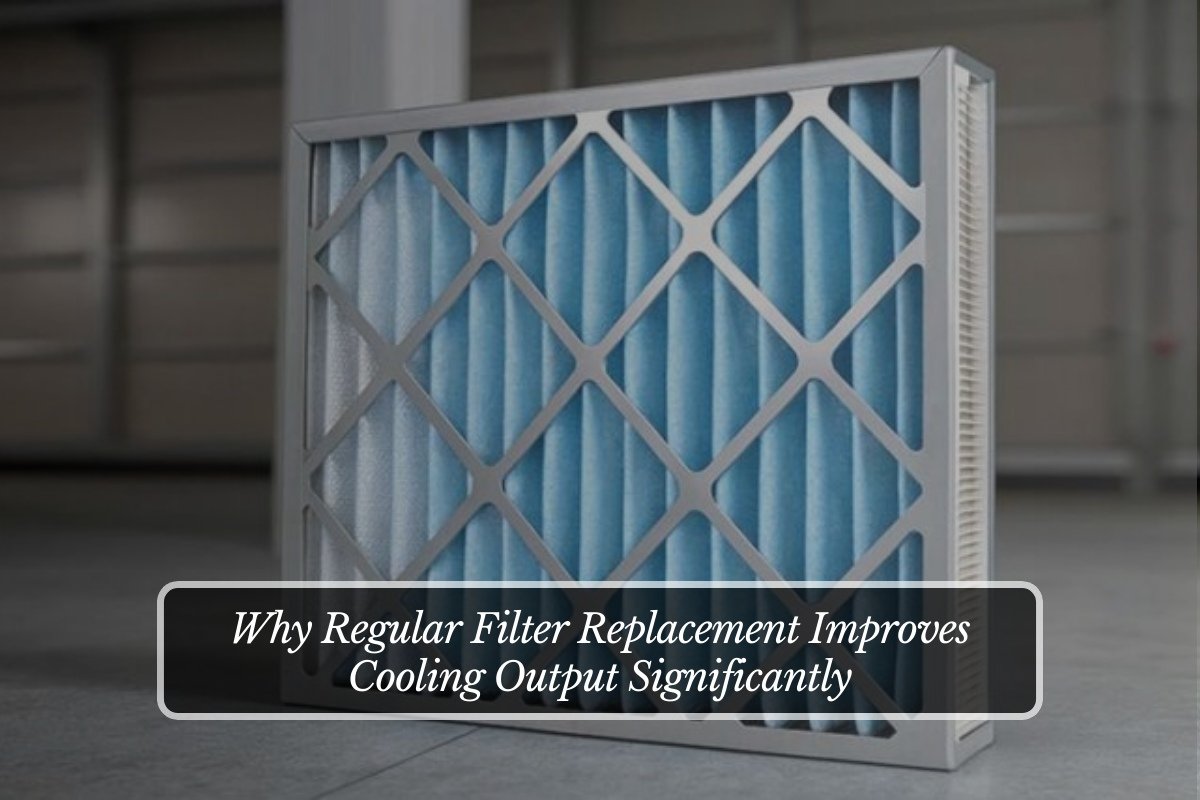
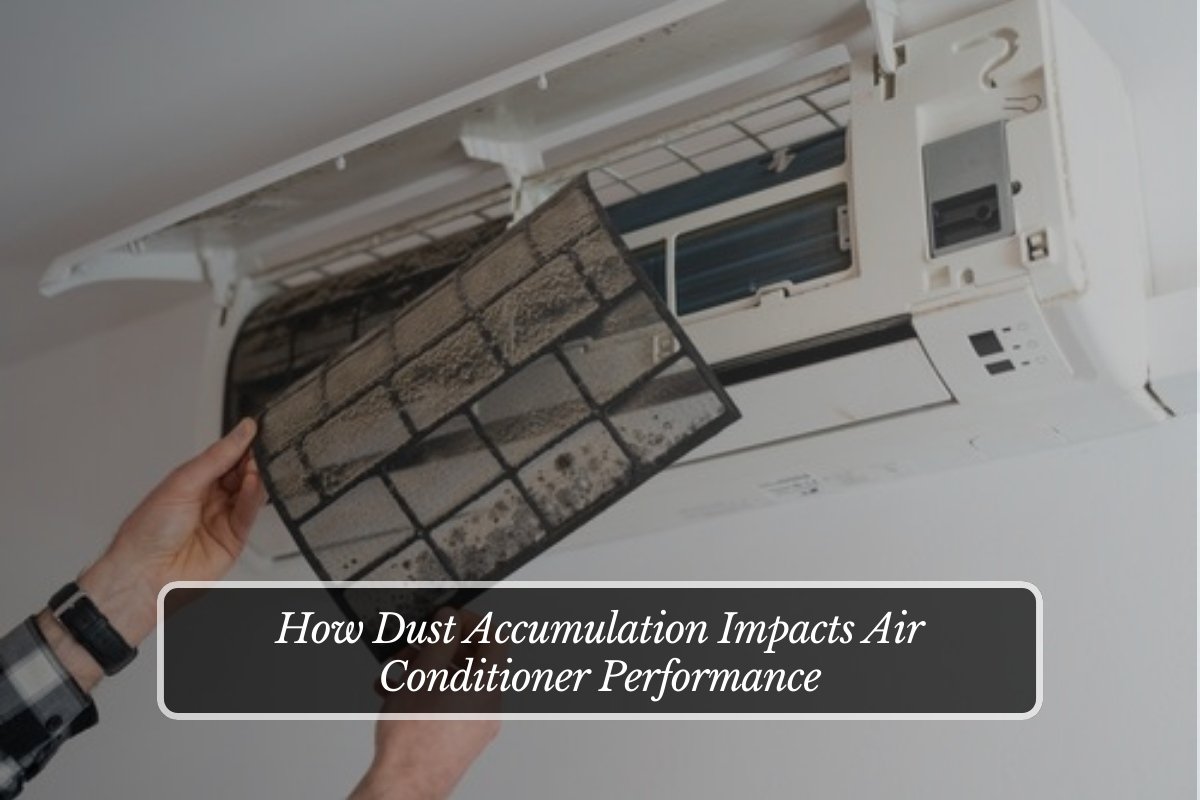
- Path Optimization: Minimize restrictions—clean coils/filters monthly (dirty ones cut flow 25%), seal ducts (leaks lose 20-30% efficiency).
Proven Techniques
Combine for synergy: fans + zoning amplify effects.
System Design and Maintenance
- Design Phase: Size ducts for 400 CFM/ton cooling; short, straight runs reduce static pressure. High ceilings? Add returns. ASHRAE 62.1 mandates 15-20 CFM/person ventilation. Smart thermostats (e.g., Ecobee) learn patterns, auto-balancing flow.
- Maintenance: Annual pro checks—balance dampers, test static (0.5″ max), clean evaporator. DIY: Vacuum registers, straighten fins. Dirty filters alone spike energy 15%.
US Climate Adaptations
Southwest dry heat: Focus high-velocity mini-splits for targeted flow. Humid Southeast: Dehumidify + circulate to avoid clammy spots. Northeast variable: Insulate ducts, use ECM motors for part-load efficiency. ENERGY STAR notes airflow tweaks alone save 10-20% in data centers, scalable to homes.
Health and Comfort Gains
Beyond efficiency, uniform flow cuts drafts (velocity <50 FPM), filters pollutants, and stabilizes humidity (40-60%). Summer dissatisfaction drops 32-62% with optimized VAV per California studies. Fans enhance perceived cooling 4°F, letting thermostats rise 3° safely.
Measuring and Upgrading
Use anemometers ($20) or manometers for DIY flow tests; pros deploy balometers. Upgrade paths: Seal ducts (Mastic), add zoning ($2-5K), variable fans. ROI: 2-5 years via 20% bill cuts.
FAQs
How much energy does zoning save?
20-30% by cooling only used areas, avoiding overcooling.
Do ceiling fans actually cool rooms?
No—they circulate for 3-5°F perceived drop via wind chill.
Why clean filters monthly?
Dirty ones restrict 25% flow, overworking systems 15% more.
VAV vs. standard HVAC?
VAV adjusts volume for 13-28% cooling savings dynamically.
Night purging: how effective?
Up to 40% daily cooling reduction in mild climates.