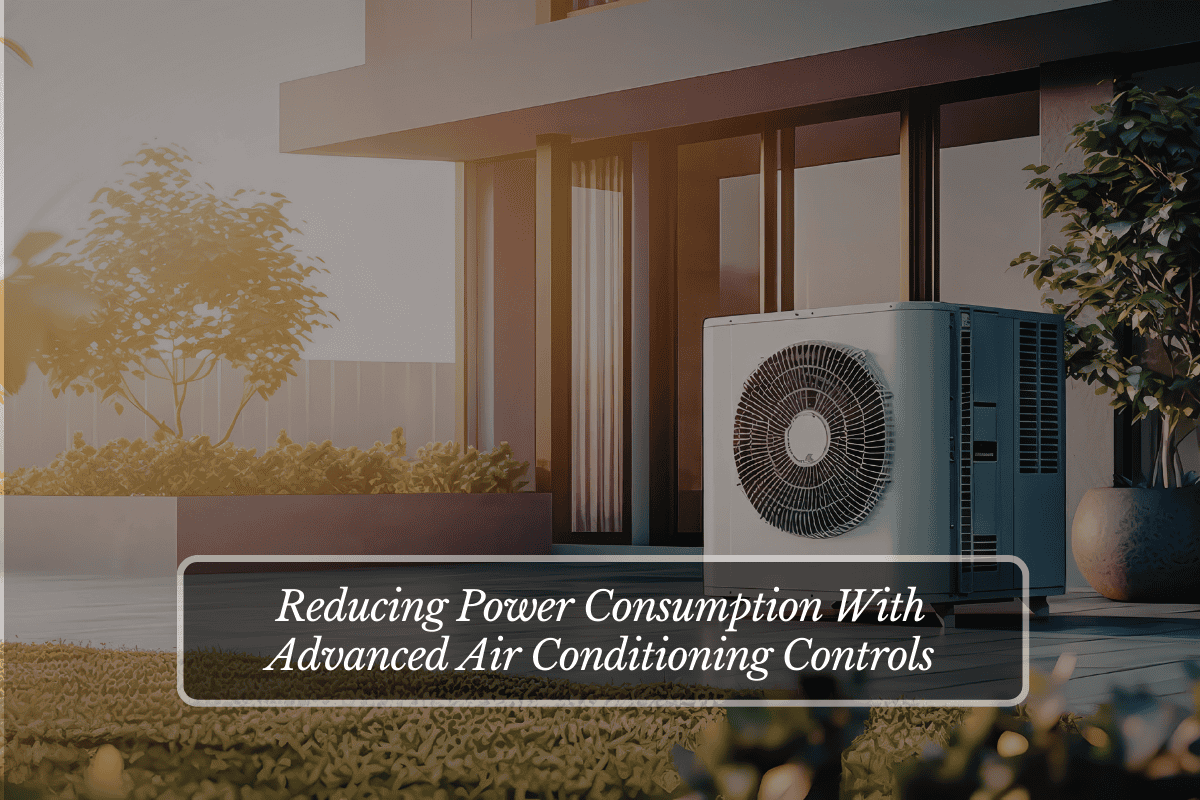
Energy-saving cooling solutions are revolutionizing modern U.S. residential spaces, slashing bills by up to 50% while enhancing comfort amid rising temperatures and energy costs. Heat pumps, smart systems, and passive designs lead 2026 trends, aligning with federal incentives like the Inflation Reduction Act for efficient upgrades.
Heat Pumps: Versatile All-in-One Systems
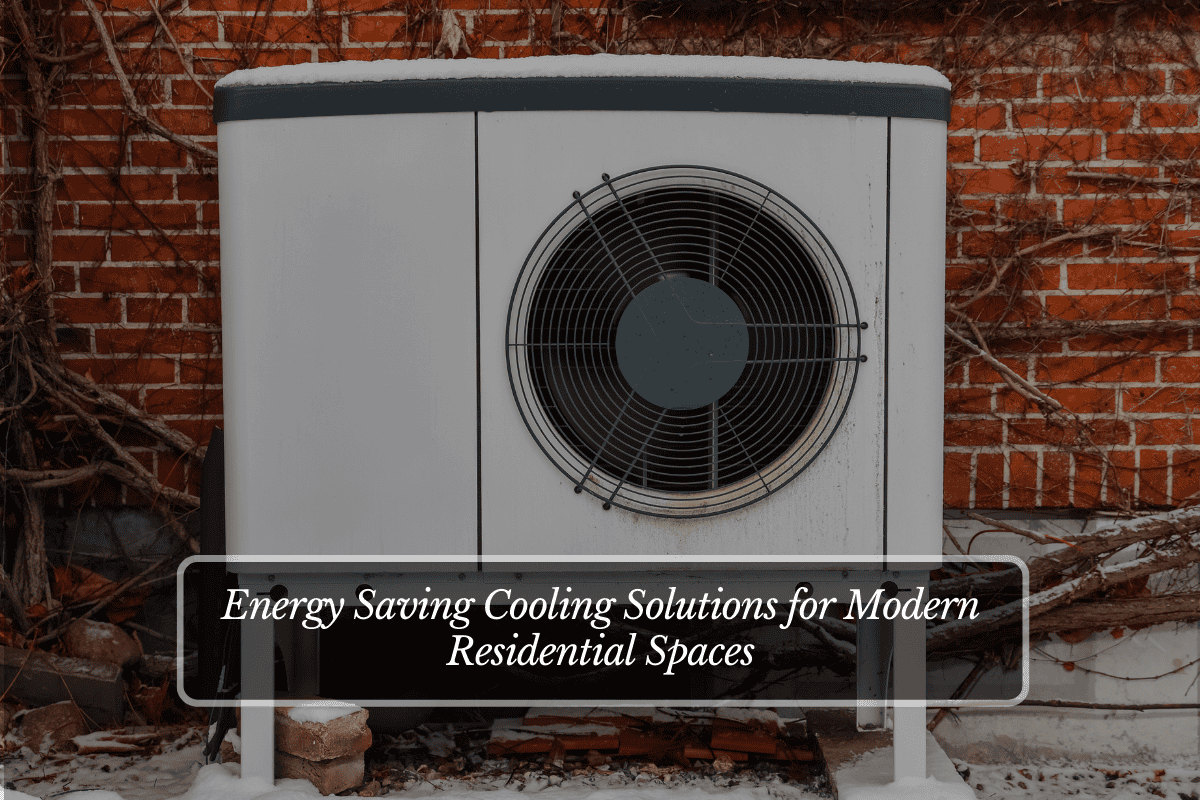
Heat pumps dominate as dual heating-cooling units, transferring rather than generating energy for 300-400% efficiency—three to four units of cooling per electricity input.
Cold-climate models now operate below 0°F using advanced compressors and low-GWP refrigerants like R-32, ideal for northern states from Minnesota to Maine. Ductless mini-splits zone rooms independently, perfect for retrofits in older homes without ductwork, cutting waste by eliminating 20-30% duct losses.
Installation costs $4,000-8,000 with $2,000 rebates, yielding payback in 3-5 years via 30-50% lower bills. Pair with solar for net-zero cooling, as in California’s sunny suburbs.
Smart Thermostats and AI Controls
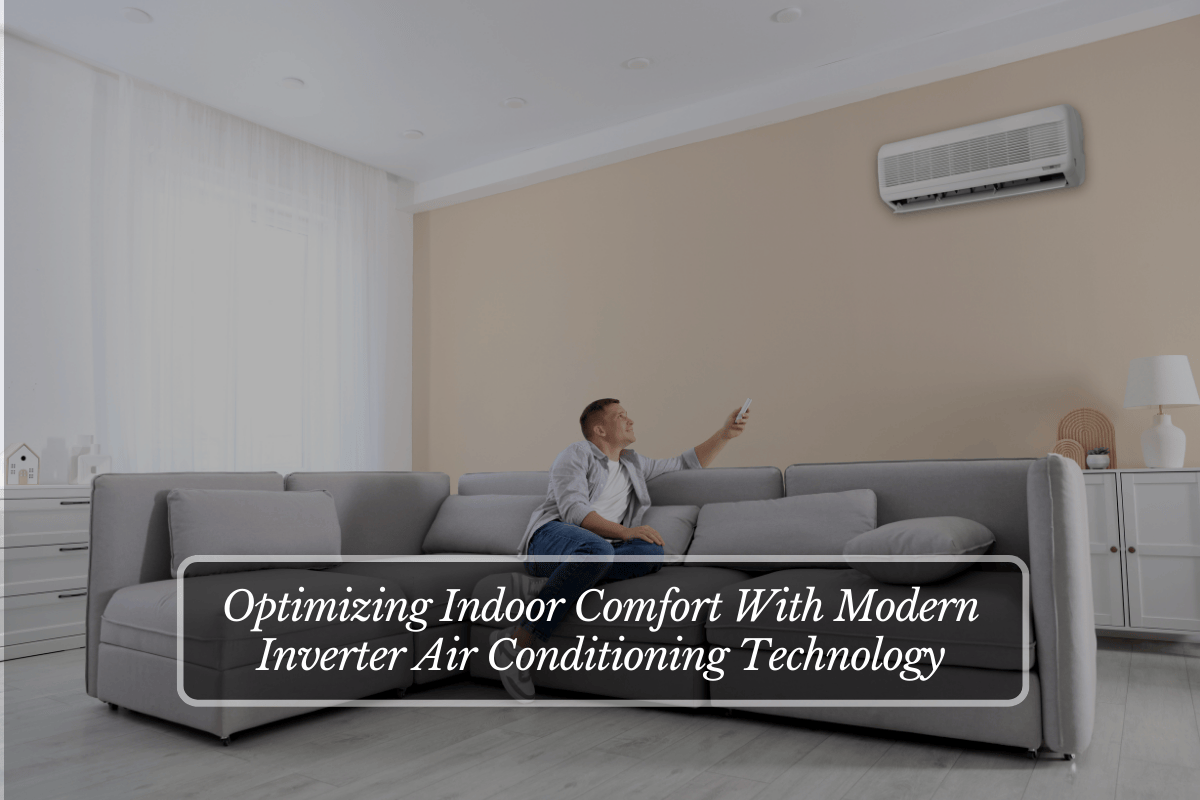
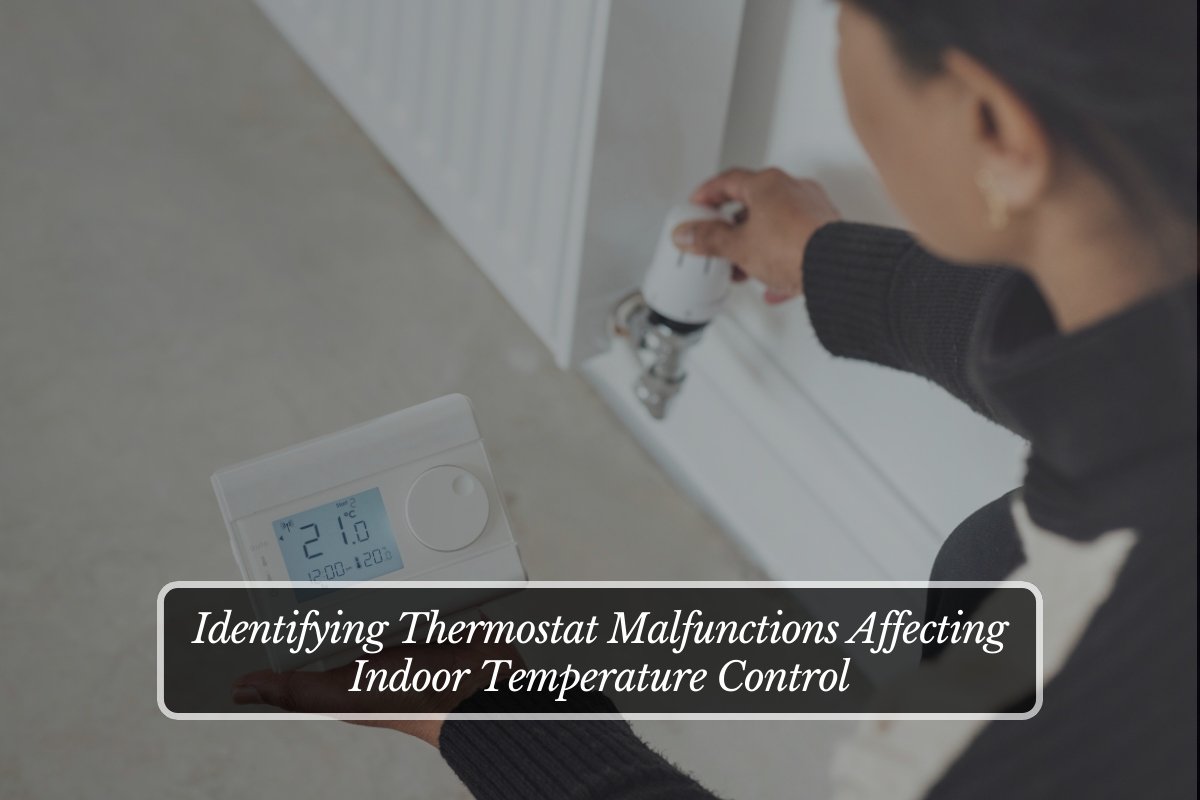
AI-driven thermostats like Ecobee Premium or Nest learn routines, adjusting via occupancy sensors and weather forecasts to preempt spikes—saving 15-25% on cooling. Integration with IoT networks monitors humidity, air quality, and windows, directing airflow precisely. Voice/geofencing auto-modes (e.g., cool on arrival) plus predictive maintenance alerts prevent breakdowns, extending system life 20%.
Zoning dampers in ducted systems enable upstairs/downstairs control, vital for multi-story homes where second floors hit 10°F hotter.
Ductless Mini-Splits and VRF
Variable Refrigerant Flow (VRF) scales from condos to estates, modulating output per zone for whisper-quiet (19dB) operation and 40% savings over central AC. Wall/ceiling cassettes blend seamlessly, with multi-stage compressors matching loads precisely. Ideal for open-plan lofts or additions, they avoid invasive retrofits, thriving in humid Southeast or arid Southwest climates.
Passive Cooling Strategies
Strategic design amplifies tech: High R-30 ceilings, low-E windows with overhangs block 70% solar gain, while ceiling fans create wind-chill up to 8°F. Cross-ventilation via operable clerestory windows flushes heat naturally, slashing AC runtime 25%. Cool roofs (reflective coatings) and green walls insulate, dropping attic temps 50°F in Texas summers.
High-Efficiency Fans and Ventilation
ENERGY STAR ceiling fans with DC motors use 60% less power, reversing for winter destratification. ERV/HRV units precondition fresh air, recovering 70-80% energy while filtering pollutants—crucial post-COVID for IAQ. Whole-home dehumidifiers pair with cooling, preventing mold in Florida basements.
Emerging Tech: Low-GWP and Hybrid Systems
Post-2025 R-410A bans, A2L refrigerants enable slimmer, safer units with 80% lower GWP. Hybrid heat pump-gas backups ensure reliability in extreme weather, qualifying for IRA tax credits up to $2,000. Geothermal loops offer 500% efficiency underground but suit new builds at $20K-30K installs.
Installation and Retrofit Tips
Assess via Manual J loads for right-sizing—oversized units short-cycle, wasting 20% energy. Pros seal ducts (30% leaks common), add smart vents. Retrofitting? Start with insulation audits (attics/walls to R-38/21), then pumps—sequence yields 40% total savings.
ROI calculators from Energy.gov project 10-15 year lifespans with 25% bill cuts; pair with utility rebates for net savings day one.
Real-World Savings Examples
A Phoenix rowhome swapped central AC for mini-splits, dropping summer bills $250/month. Boston brownstone’s heat pump + zoning saved 35% yearly, maintaining 72°F evenly. Net-zero homes in Colorado integrate solar + pumps for $50 annual cooling costs.
Challenges and Solutions
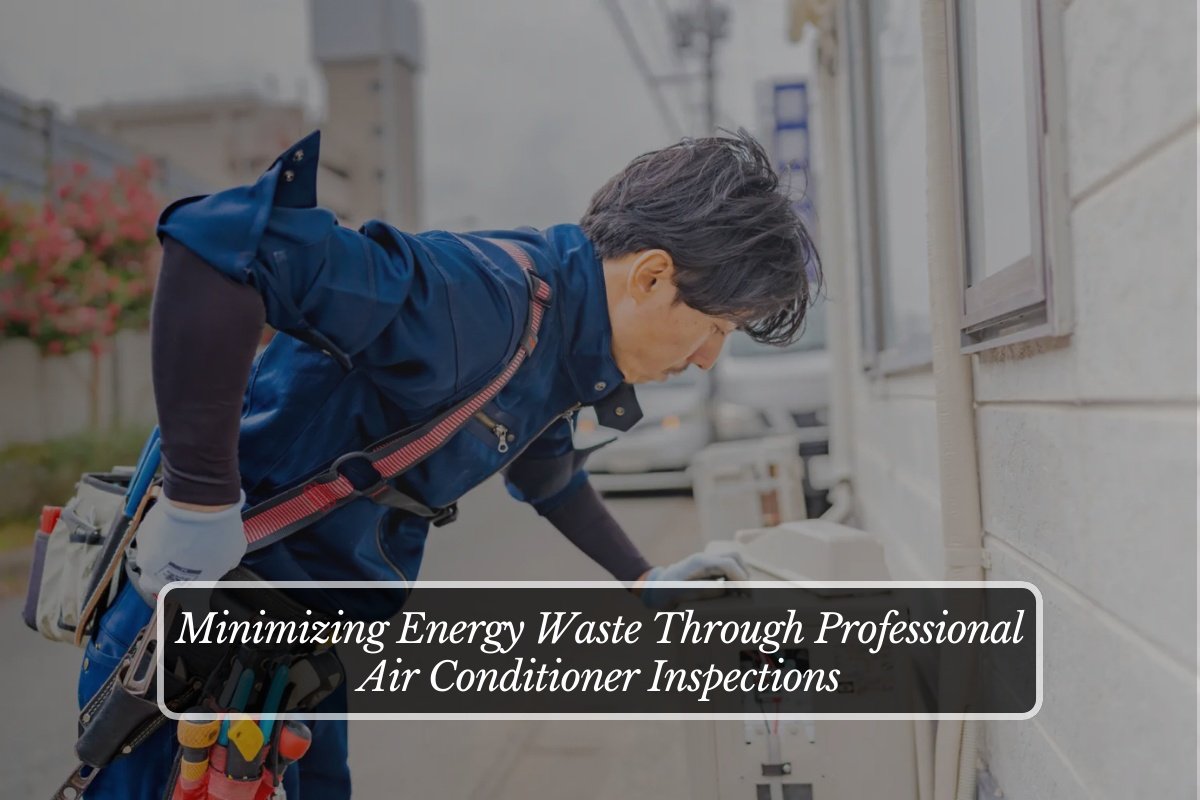
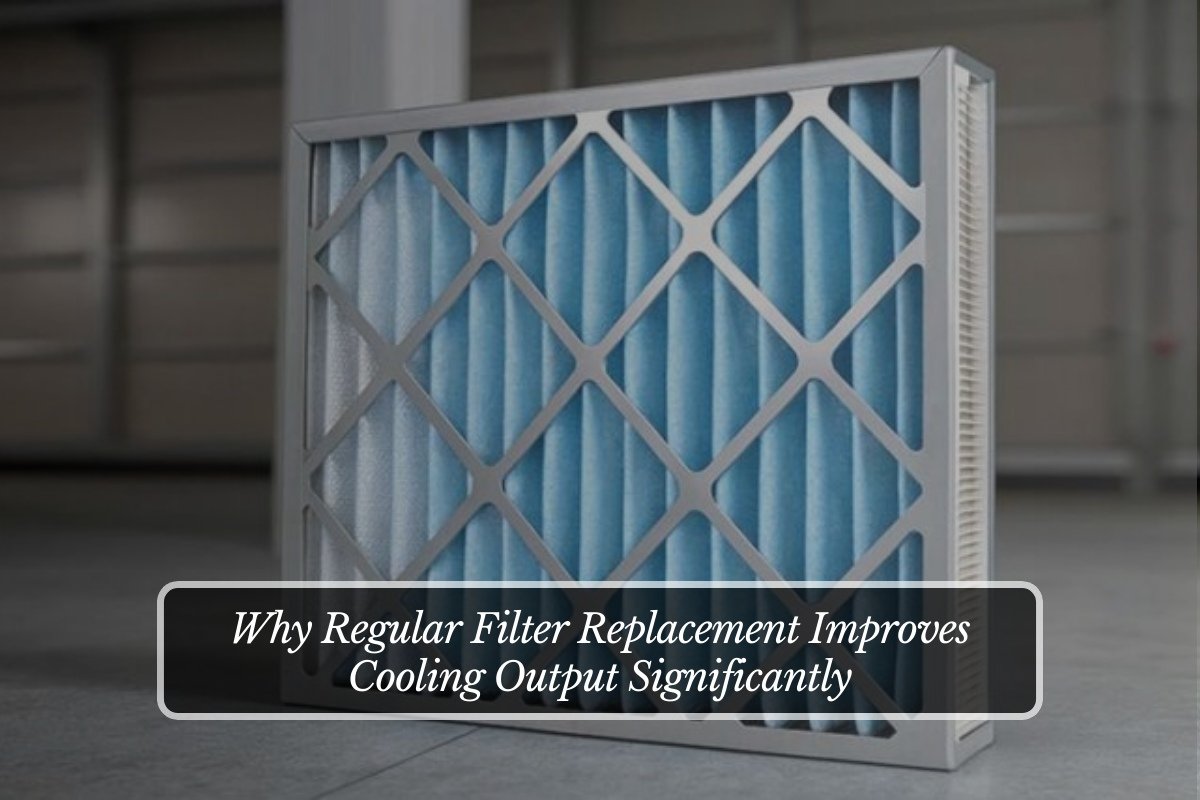
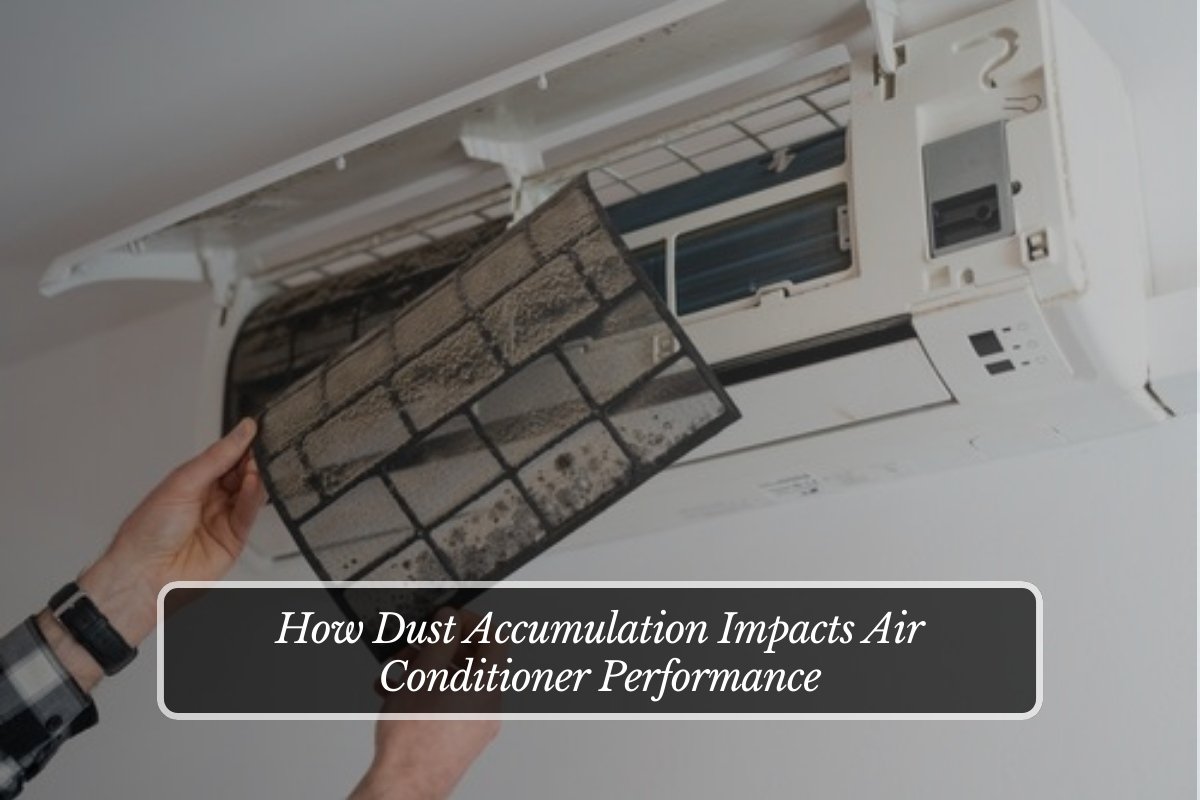
Upfront costs? Offset by 30% federal credits. Noise? Modern units hit library levels. Maintenance: Annual filter swaps, coil cleans extend life to 20 years.
Future Trends
By 2027, AI predictive cooling anticipates habits via wearables; solid-state tech promises 50% gains. Electrification mandates push pumps nationwide.
FAQs
1. Why choose heat pumps over traditional AC?
300%+ efficiency, dual heating/cooling, rebates—saves 30-50% vs. furnaces/AC.
2. Best for homes without ducts?
Ductless mini-splits: Zoned, quiet, retrofit-friendly with 40% savings.
3. How much can smart thermostats save?
15-25% via auto-adjustments, sensors, and learning algorithms.
4. Are passive methods enough alone?
Reduce loads 25-50%; ideal starter before tech upgrades.
5. Eligible incentives in 2026?
IRA: $2K heat pumps, 30% solar; state rebates up to $8K total.