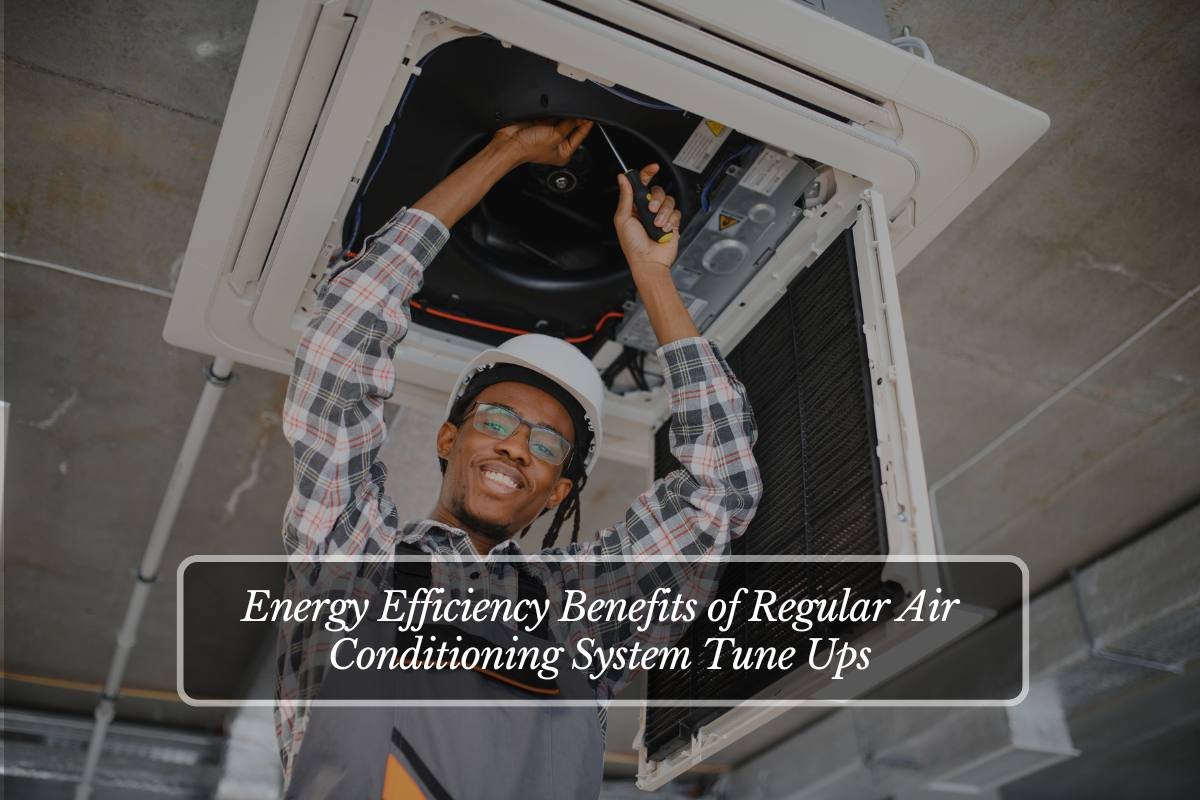
Regular air conditioning system tune-ups deliver substantial energy efficiency benefits in the USA, where cooling accounts for 18% of residential electricity use amid rising temps and bills. Professional maintenance optimizes performance, slashing consumption 5-20% per DOE estimates, extending unit life, and cutting emissions. Homeowners save $100-300 yearly, per Energy Star, through simple tweaks preventing common failures.
How Tune-Ups Improve Efficiency
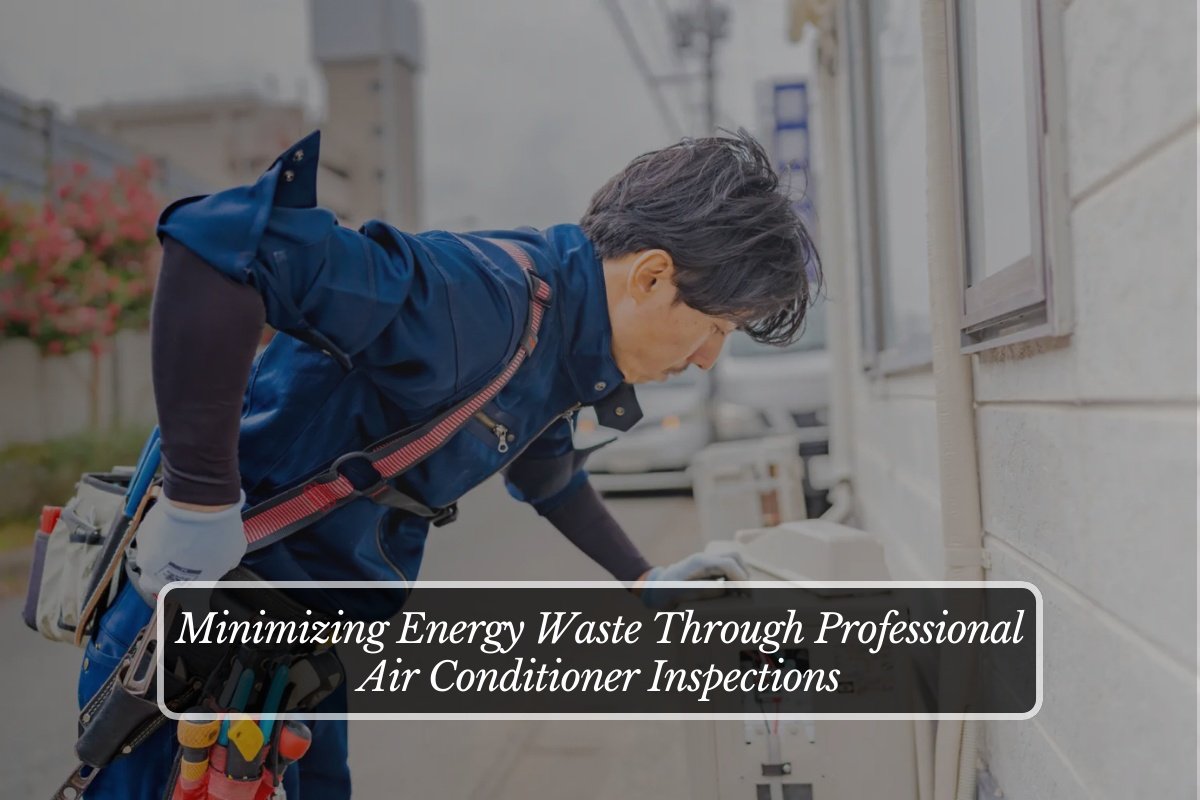
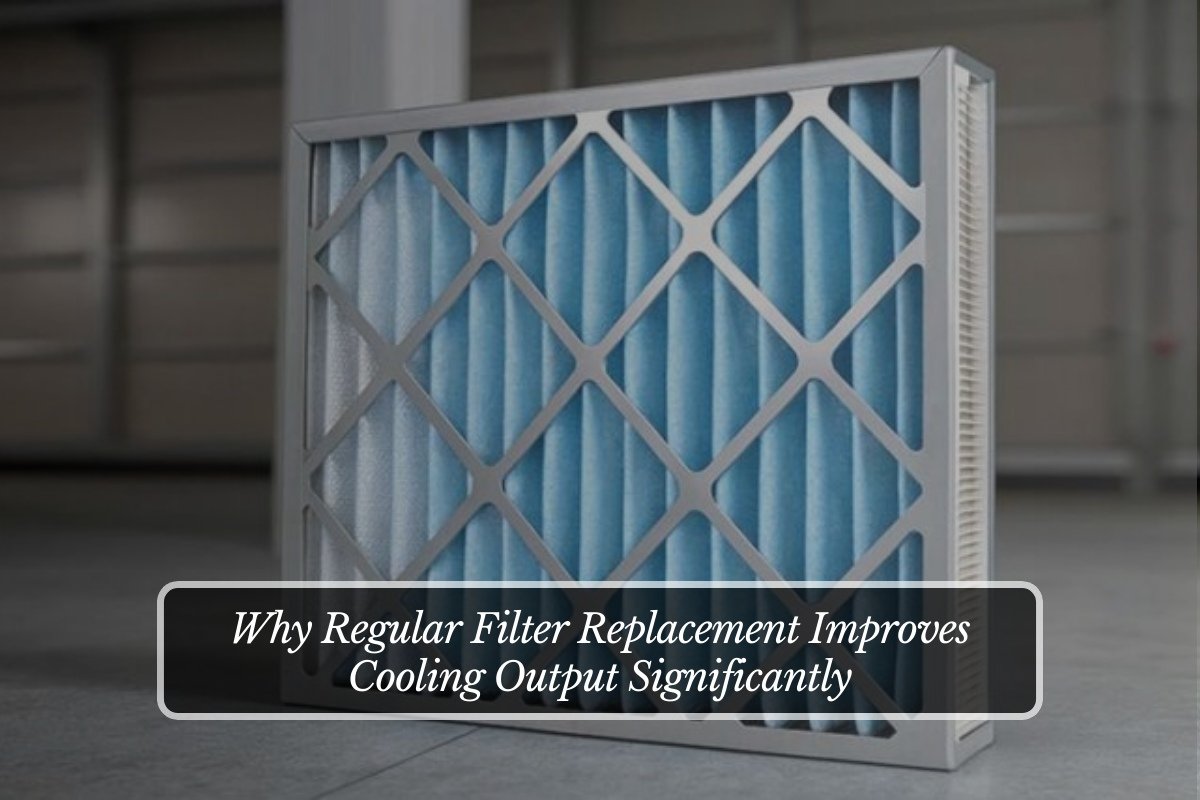
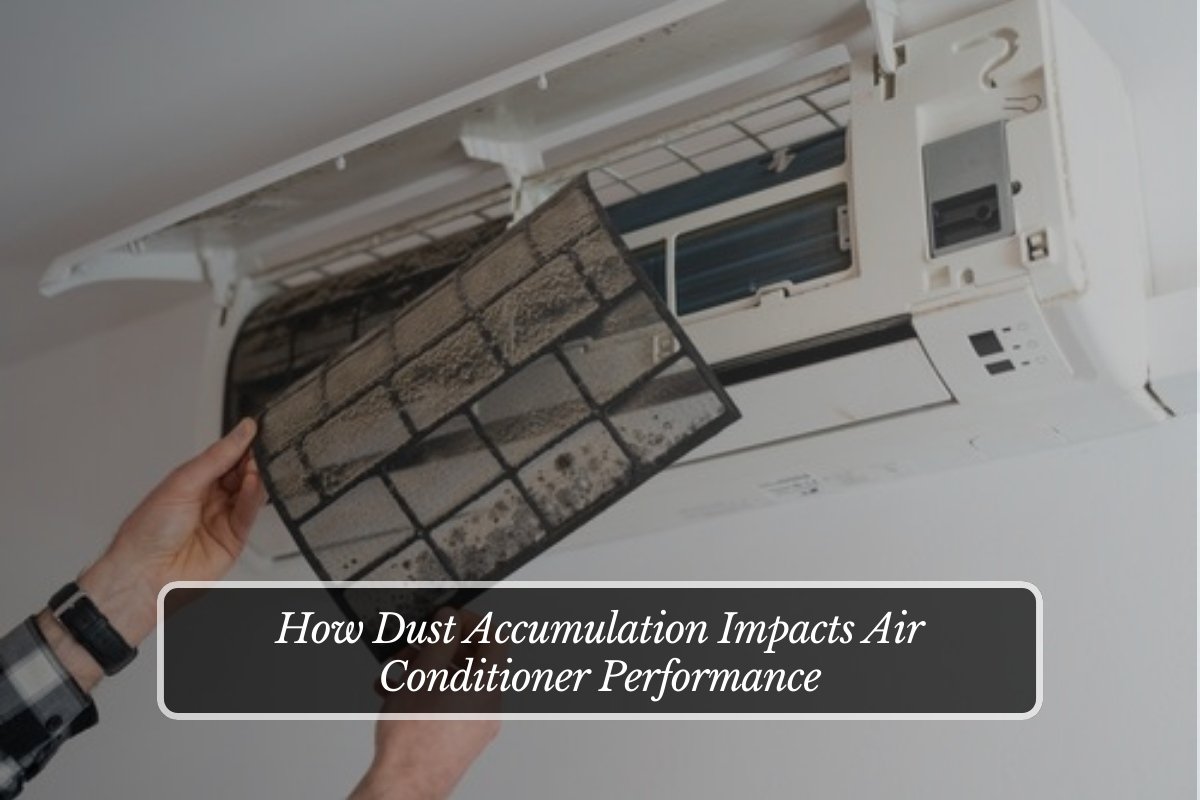
Dirty coils, low refrigerant, and worn parts force ACs to overwork—tune-ups clean evaporator/condenser coils, restoring heat transfer for 15-30% better airflow. Technicians check refrigerant levels (R-410A standard), sealing leaks to maintain optimal pressure, avoiding compressor strain. Proper airflow from filter changes and duct sealing reduces fan runtime 10-15% [DOE data].
Reduced Energy Consumption and Bills
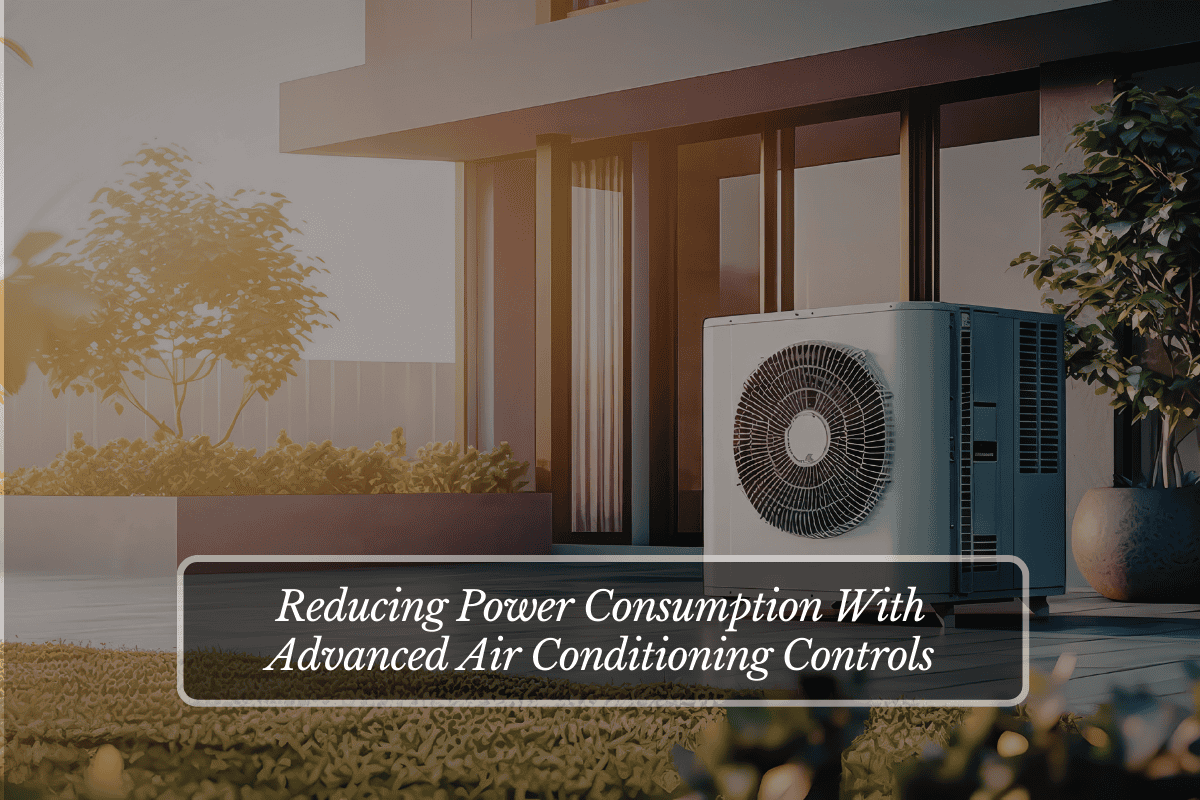
A tuned system runs at peak SEER (14-25), converting more energy to cooling—neglected units drop 10-25% efficiency yearly. Pre-cool homes efficiently; variable-speed models shine post-tune. Average U.S. household saves $80-200 annually, per EIA, compounding with smart thermostats ($50 rebates via IRA). Peak demand cuts utility surcharges in Texas/California.
Extended Equipment Lifespan
Tune-ups catch issues early: lubricate motors (preventing 20% failure rate), tighten belts/electricals. Units last 15-20 years vs. 10 without, avoiding $5K-10K replacements. Capacitors, contactors replaced proactively extend runtimes smoothly.
Enhanced Indoor Comfort and Air Quality
Balanced airflow eliminates hot spots, humidity control prevents mold (coils/evaporators cleaned). HEPA filters/MERV 13+ during service trap allergens, improving health—vital in pollen-heavy Southeast. Dehumidification boosts perceived coolness, allowing higher thermostat settings (1°F=3% savings).
Environmental and Rebate Incentives
Efficient ACs cut CO2 by 1-2 tons/year per home, supporting EPA goals. IRA/Inflation Reduction Act offers $600 HVAC rebates, state incentives (e.g., NY $1K). ENERGY STAR pros qualify for tax credits; low-income via LIHEAP.
The Tune-Up Process
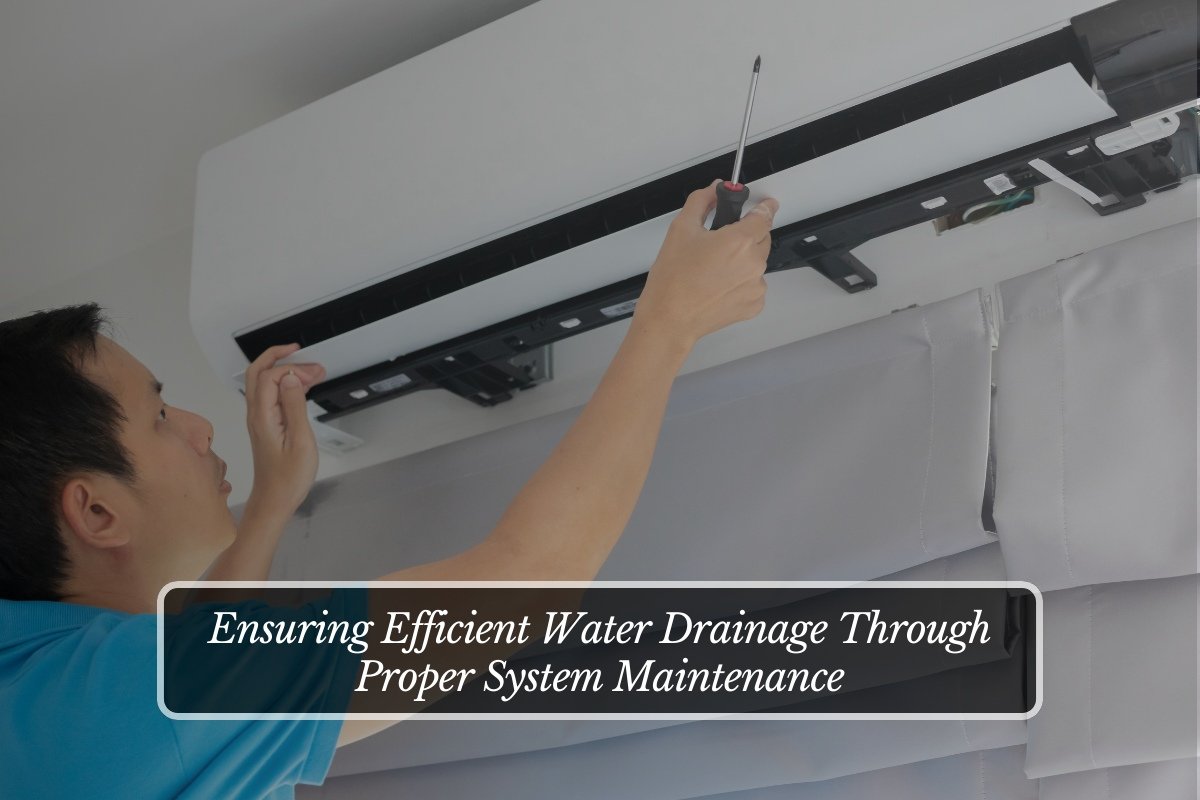
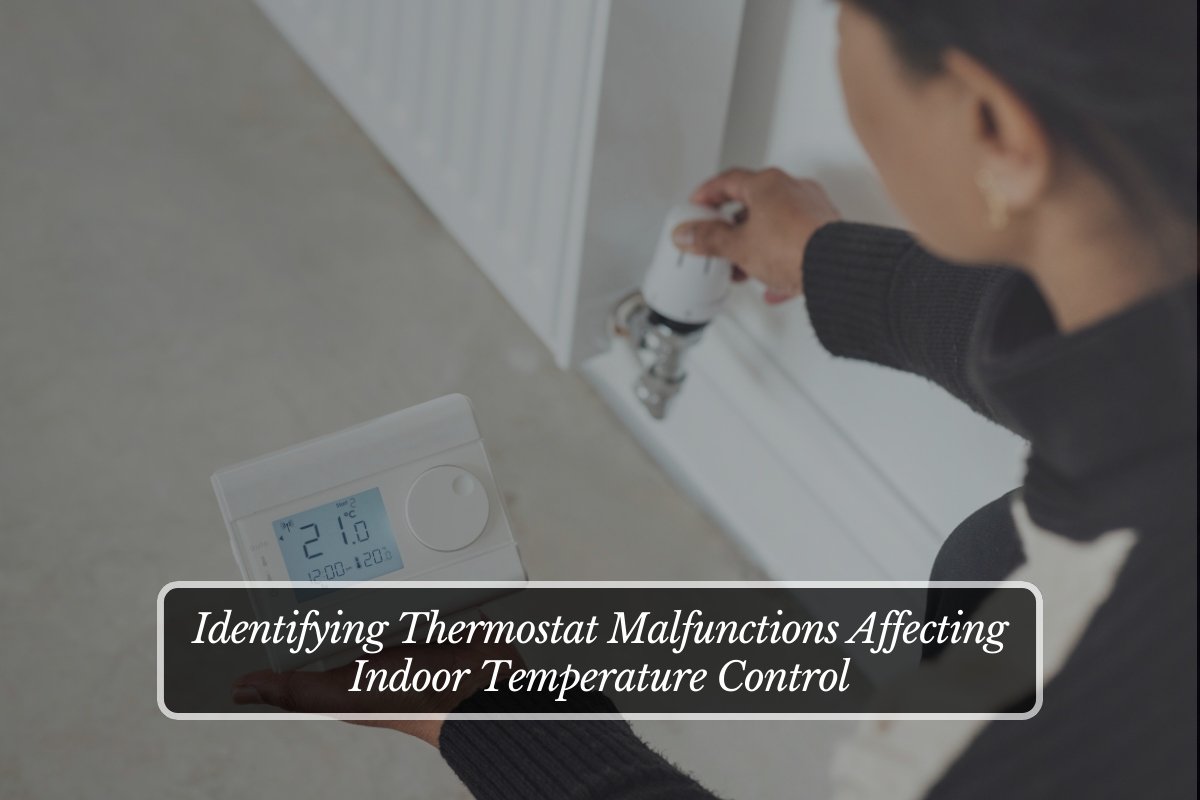
Bi-annual visits (spring/fall, $75-200): electrical safety, thermostat calibration, drain clears (prevent backups), system charge. DIY prep: filter changes monthly, clear outdoor debris. Track via apps like ServiceTitan for reminders.
Annual tune-ups yield compounding savings, comfort, and sustainability for America’s diverse climates.
Frequently Asked Questions (FAQs)
1. How much can tune-ups save on U.S. energy bills?
5-20% or $80-300/year, per DOE; more in hot states like Florida/Arizona [DOE].
2. How often should I schedule AC maintenance?
Twice yearly—spring prep, fall check; monthly filter swaps extend benefits.
3. Do tune-ups qualify for rebates?
Yes—$600 IRA HVAC, ENERGY STAR credits; check DSIRE database by state.
4. What’s checked in a standard tune-up?
Coils, refrigerant, motors, belts, drains, airflow—full 21-point inspections by NATE pros.
5. Can I DIY tune-ups safely?
Filters/coils yes; refrigerant/electrical no—voids warranties, EPA violations.