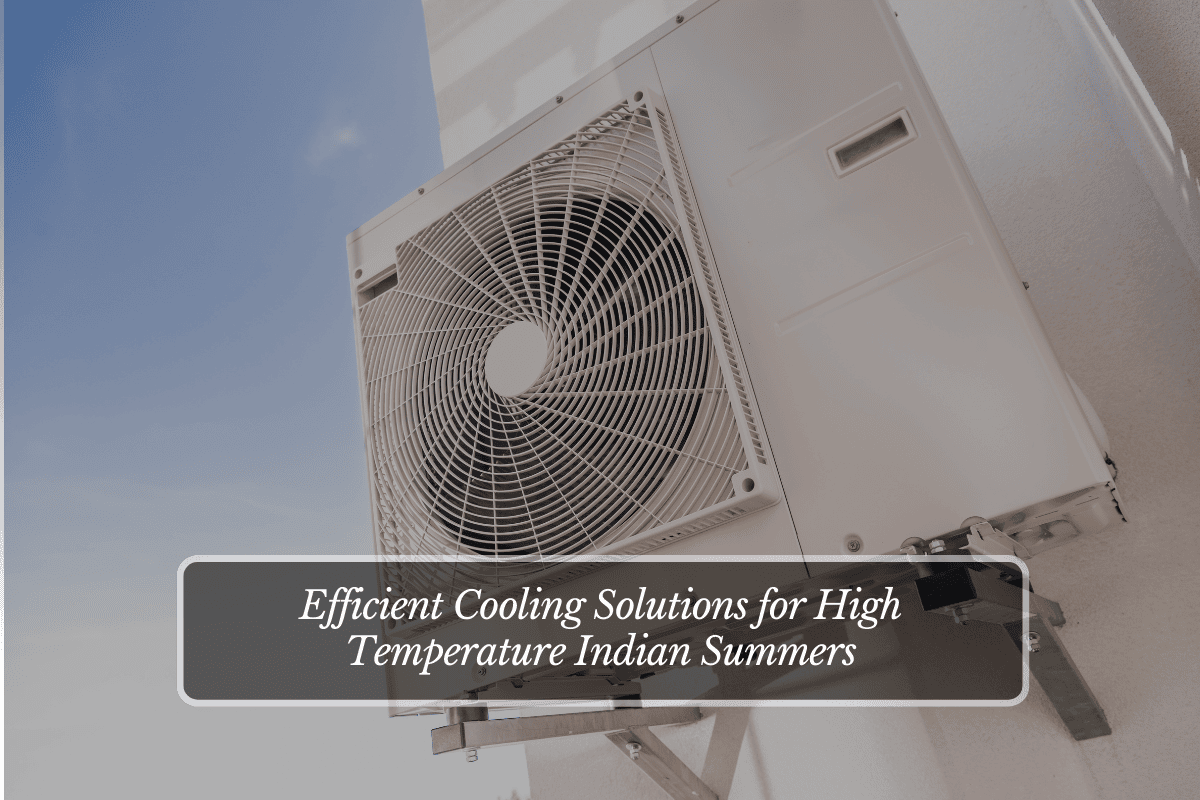
Efficient cooling solutions tackle India’s scorching summers, where temperatures often exceed 45°C, using low-energy methods suited to high-humidity conditions. Combining traditional hacks with modern tech keeps homes comfortable while slashing electricity bills by up to 80% compared to ACs.
Traditional Low-Tech Hacks
India’s heritage offers zero-electricity winners for everyday relief.
Clay pots (matka) use evaporative cooling: Porous walls seep water that evaporates, dropping internal temps 10-15°C. Place in shaded spots, refill daily for chilled drinking water with natural minerals.
Khus (vetiver) mats hung on windows release cooling vapors when wet, reducing room heat by 5-8°C and adding fragrance. Spray 2-3 times daily; reusable for years.
Wet cotton curtains or jute screens block sun while evaporating, mimicking AC on budgets under $10. Pair with cross-ventilation for optimal flow.
Modern Energy-Savers
Evaporative air coolers dominate dry regions, using 80% less power than ACs.
Duct coolers centralize airflow for large homes, delivering 30-40% better cooling via high-velocity fans and thick pads. Ideal for 500+ sq ft; models like Symphony handle 52°C peaks.
Desert coolers with honeycomb pads outperform wood wool, retaining water longer for consistent mist. Add ice for instant 5°C drops; auto-swing louvers spread air evenly.
Mist fans excel outdoors or semi-open spaces, spraying micro-droplets that evaporate mid-air, cutting felt temps 15°C at 50W usage. Perfect for balconies or godowns.
Smart Upgrades
Tech amplifies efficiency without breaking banks.
Ceiling fans on reverse mode push hot air up, boosting cooler effectiveness 20%. BLDC fans sip 28W vs. 75W regulars.
Solar control glass or double-glazed windows reflect 70% heat, reducing indoor gains pre-cooling. Light curtains and roof insulation add layers.
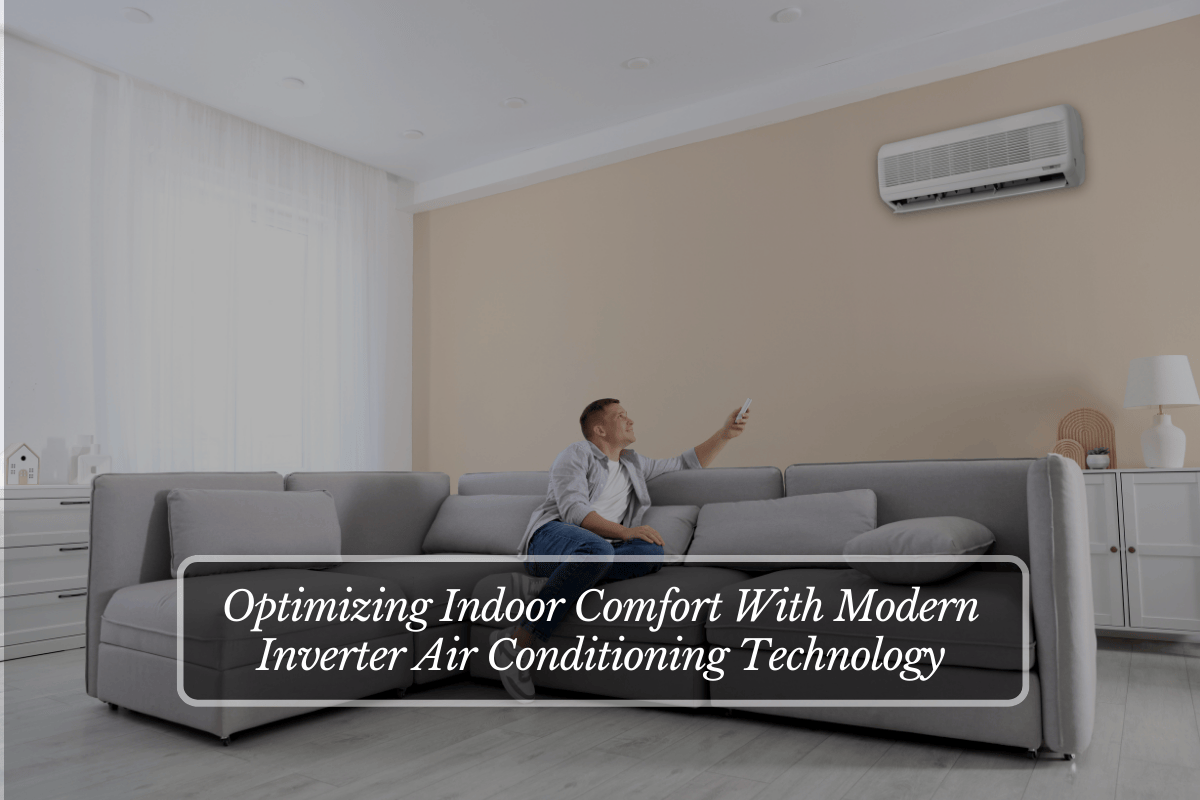
Smart ACs with inverters like Haier’s Hexa maintain 54°C cooling at 50% energy savings via variable speeds and error alerts.
Daily Optimization Tips
Maximize any system for peak summer.
Ensure cross-ventilation: Open opposite windows for 2x airflow in coolers.
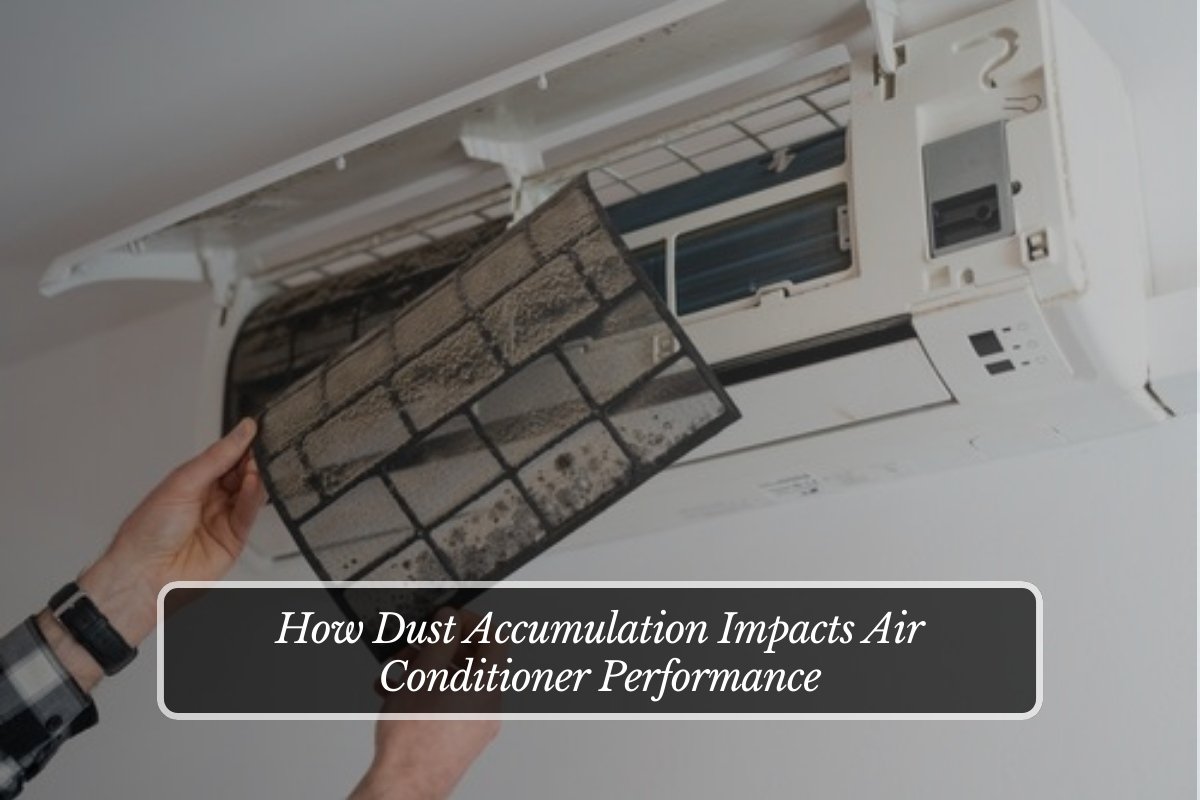
Clean pads weekly, use RO water to prevent scaling.
Position intakes low, exhaust high; run evenings when humidity dips.
Supplement with exhaust fans pulling hot air from kitchens/roofs.
National averages; dry climates favor evaporative 3:1 over ACs.
Cost Savings Example
A 300 sq ft room: Basic cooler ($100 upfront, $20/month electric) vs. AC ($500, $100/month). Annual savings: $960, plus eco-benefits. Duct setups amortize in 2 years for families.
In Rajasthan or Punjab, coolers rule; coastal Kerala leans ACs for dehumidifying. Hybrid: Cooler + fan for 90% coverage.
Maintenance Essentials
Weekly pad rinses prevent mold; annual motor checks extend life 5 years. Choose ISI-marked for safety; BEE 5-star for efficiency. Government subsidies aid solar fans in rural pushes.
These solutions blend India’s wisdom with 2026 tech, ensuring cool comfort amid rising heatwaves.
FAQs
1. Coolers vs. ACs in humidity?
Coolers falter above 60% RH; use ACs or dehumidifiers then.
2. Best for small apartments?
Portable desert cooler or mist fan—easy move, low cost.
3. How much electricity savings?
Coolers: 70-80% less than ACs; fans add 20% boost.
4. Eco-friendly picks?
Clay pots, khus mats, or solar-powered mist fans.
5. Extreme 50°C+ survival?
Duct coolers + insulation + wet mats for 25°C indoor relief.