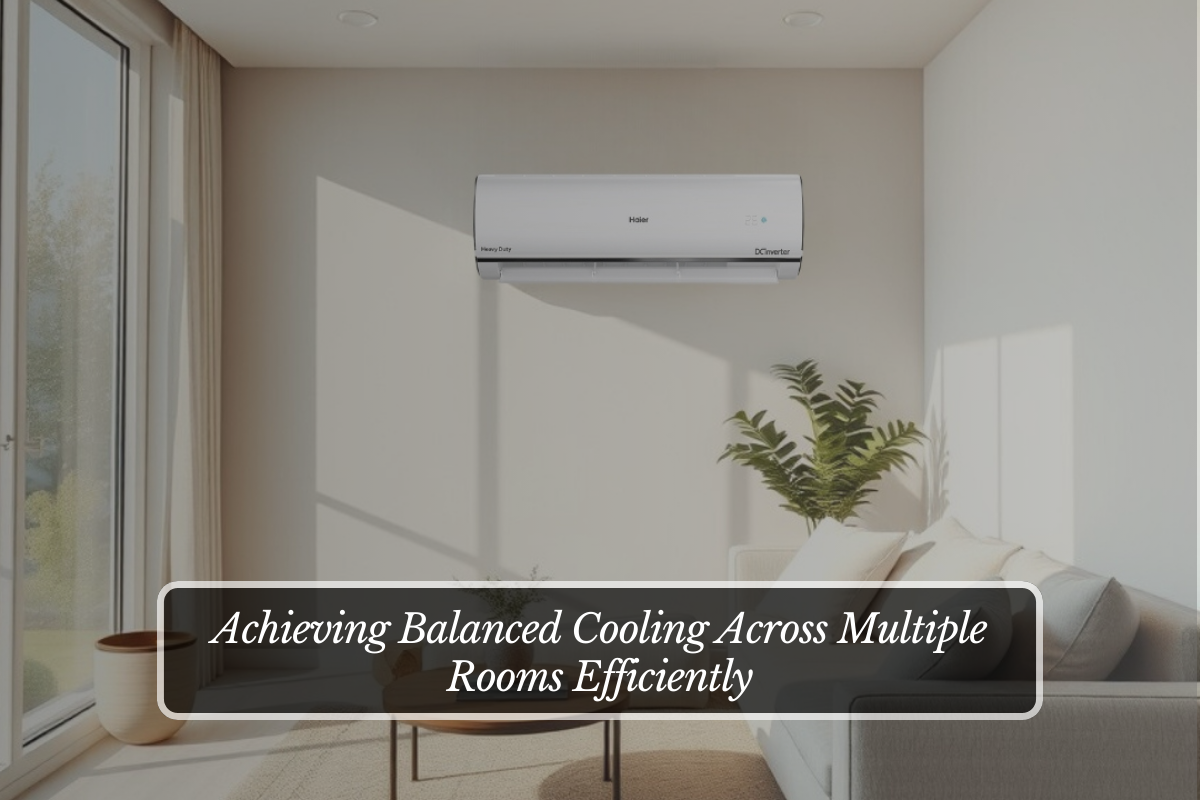
Achieving balanced cooling across multiple rooms is one of the most common challenges in residential and commercial HVAC systems. Uneven temperatures can lead to discomfort, increased energy consumption, and unnecessary strain on your air conditioning unit. Some rooms may feel too warm, while others become excessively cold.
Efficiently balancing cooling requires proper airflow management, system calibration, insulation improvements, and sometimes equipment upgrades. This article explores practical strategies to help maintain consistent temperatures throughout your space while optimizing energy efficiency.
Why Uneven Cooling Happens
Several factors contribute to inconsistent cooling across rooms.
Common Causes
- Poor duct design or leaks
- Blocked or closed vents
- Dirty air filters
- Inadequate insulation
- Oversized or undersized AC units
- Sun exposure differences
- Long duct runs
- Improper system balancing
| Cause | Resulting Issue |
|---|---|
| Duct Leaks | Loss of cooled air |
| Dirty Filters | Restricted airflow |
| Poor Insulation | Heat gain |
| Incorrect System Size | Inconsistent cycles |
Identifying the root cause is essential before implementing corrective measures.
Adjust and Balance Air Vents
One of the simplest ways to improve cooling balance is adjusting supply vents.
Vent Balancing Tips
- Keep vents fully open in warmer rooms
- Slightly restrict airflow in cooler rooms
- Ensure return vents are unobstructed
- Avoid closing too many vents at once
Balanced airflow helps distribute cool air more evenly throughout the home.
Inspect and Seal Ductwork
Leaky or poorly designed ducts can significantly affect airflow distribution.
Duct Improvement Steps
- Seal visible duct leaks with approved materials
- Insulate exposed duct sections
- Check for disconnected ducts
- Remove obstructions inside ducts
| Duct Condition | Cooling Impact |
|---|---|
| Air Leaks | Reduced efficiency |
| Poor Insulation | Temperature loss |
| Blockages | Weak airflow |
Professional duct sealing improves system efficiency and comfort.
Upgrade to Zoning Systems
Zoning systems allow different areas of a home to receive customized temperature control.
Benefits of Zoning
- Individual room temperature settings
- Reduced energy waste
- Improved comfort control
- Less strain on HVAC equipment
Motorized dampers inside ducts adjust airflow to specific zones based on thermostat signals.
Use Smart or Programmable Thermostats
Modern thermostats improve cooling distribution and efficiency.
Smart Thermostat Advantages
- Schedule-based temperature control
- Remote monitoring
- Learning temperature patterns
- Multi-sensor integration
Some systems allow remote room sensors to detect temperature differences and adjust accordingly.
Improve Insulation and Weather Sealing
Rooms with poor insulation or direct sunlight often experience uneven cooling.
Insulation Enhancement Measures
- Add attic insulation
- Seal window and door gaps
- Install thermal curtains
- Use window films to reduce heat gain
Better insulation reduces heat load, making cooling more consistent.
Install Ceiling Fans for Air Circulation
Ceiling fans support air distribution without increasing AC usage.
Benefits of Ceiling Fans
- Improves airflow circulation
- Distributes cooled air evenly
- Reduces reliance on lower thermostat settings
- Increases comfort perception
Fans should rotate counterclockwise during summer to push cool air downward.
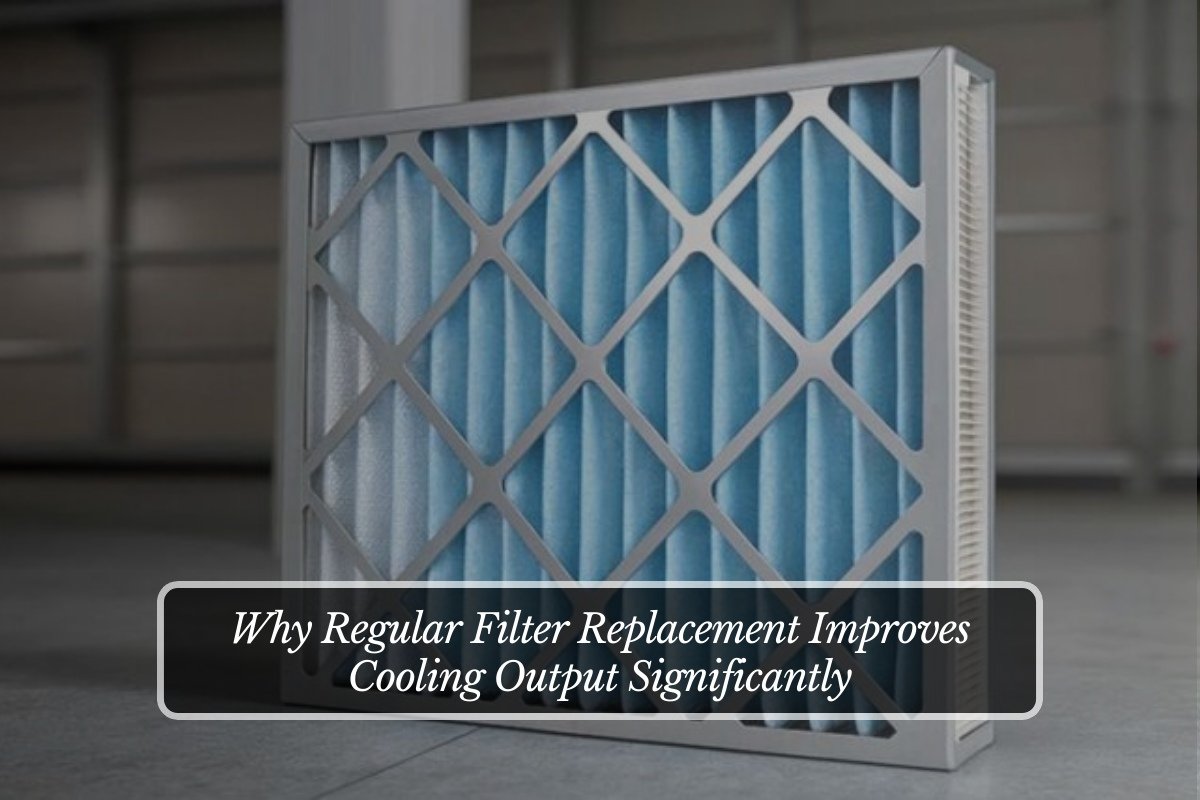
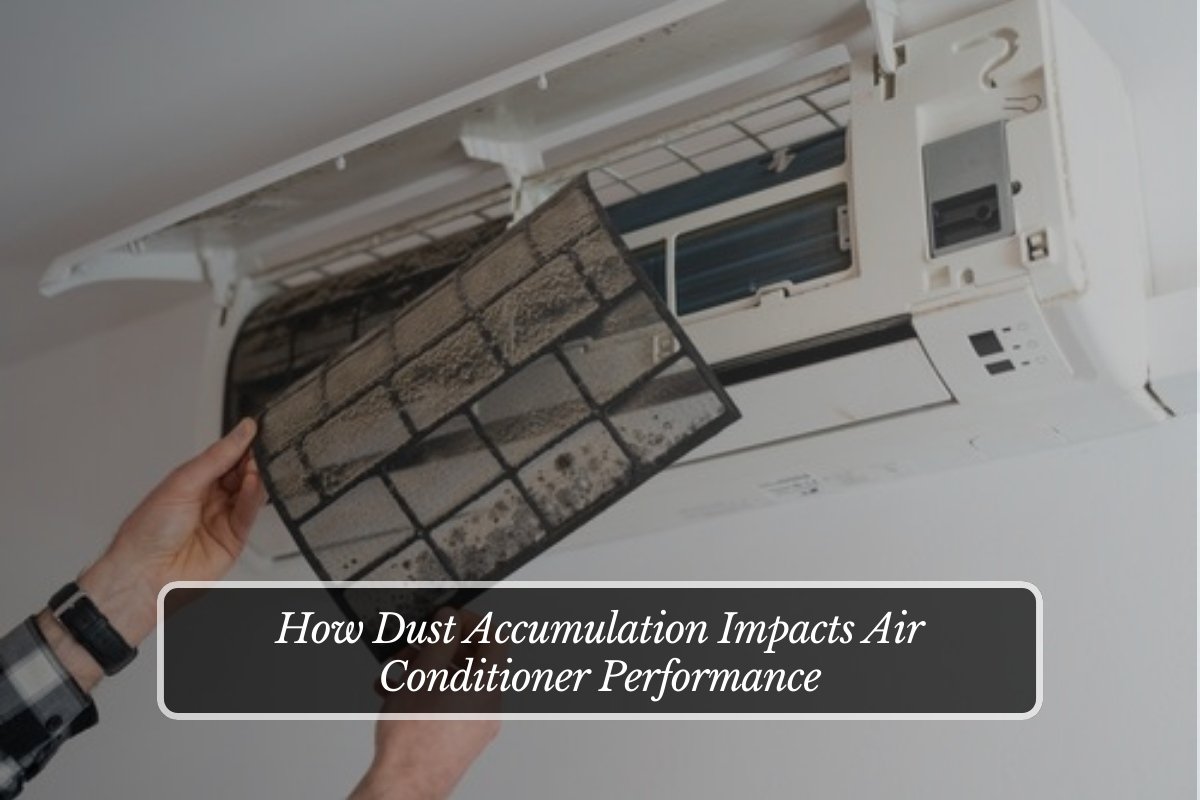
Maintain Clean Air Filters
Dirty filters restrict airflow and reduce system efficiency.
Filter Maintenance Guidelines
- Check filters monthly
- Replace every 1–3 months
- Use appropriate MERV ratings
- Ensure proper filter fit
Clean filters maintain consistent airflow to all rooms.
Address System Sizing Issues
An improperly sized air conditioning system can cause temperature inconsistencies.
Signs of Sizing Problems
- Short cycling
- Long cooling cycles
- Hot spots in certain rooms
- High energy bills
| System Size Issue | Effect |
|---|---|
| Oversized Unit | Rapid cooling, uneven airflow |
| Undersized Unit | Constant running, insufficient cooling |
A professional load calculation may be required to confirm proper system size.
Consider Ductless Mini-Split Systems
For homes with persistent hot spots, ductless mini-split systems provide targeted cooling.
Mini-Split Benefits
- Independent room control
- Energy efficiency
- No duct losses
- Flexible installation
These systems are ideal for additions, upper floors, or rooms with unique cooling needs.
Monitor Airflow and System Performance
Regular monitoring helps identify developing imbalances.
Warning Signs
- Temperature differences greater than 3–5 degrees
- Weak airflow from vents
- Increased humidity in specific rooms
- Rising energy bills
Early detection prevents larger system inefficiencies.
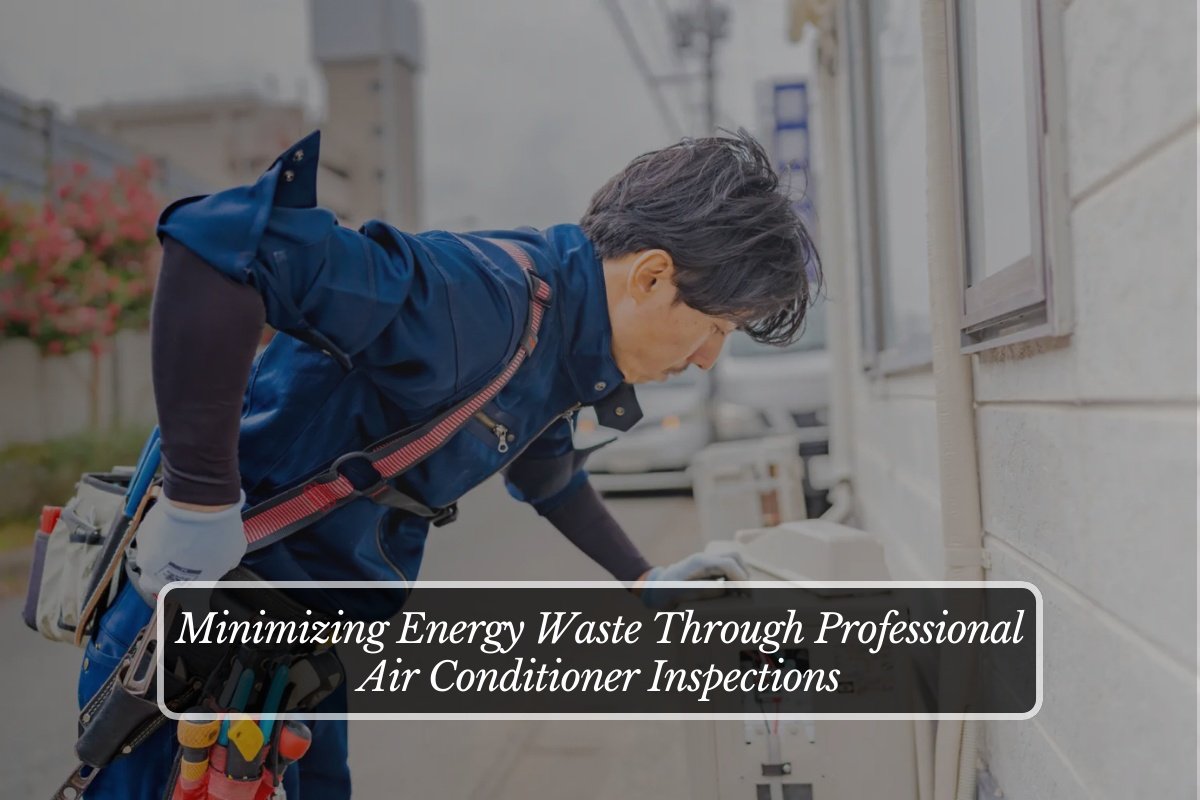
Routine Professional Maintenance
Annual HVAC inspections improve overall system balance.
Maintenance Includes
- Checking refrigerant levels
- Cleaning coils
- Inspecting duct integrity
- Calibrating thermostat
- Verifying blower motor performance
Professional servicing ensures optimal airflow and consistent cooling.
Energy Efficiency Considerations
Balanced cooling reduces energy waste.
Efficiency Benefits
- Reduced compressor strain
- Lower electricity costs
- Improved indoor comfort
- Extended system lifespan
Efficient airflow management enhances both performance and cost savings.
FAQs
Q. Why is one room hotter than others?
Uneven cooling is often caused by poor airflow, duct leaks, insulation issues, or sun exposure differences.
Q. Can closing vents fix uneven cooling?
Partially adjusting vents can help, but fully closing too many vents may increase system pressure and reduce efficiency.
Q. Is a zoning system worth it?
Yes, zoning systems allow customized temperature control and improve comfort and energy efficiency.
Q. How often should HVAC systems be serviced for balanced cooling?
Professional maintenance is recommended at least once per year.
Q. Do ceiling fans reduce the need for air conditioning?
Ceiling fans improve air circulation, allowing you to raise the thermostat slightly while maintaining comfort.