Zoning systems revolutionize cooling in large US commercial spaces like warehouses, offices, and retail centers by delivering targeted climate control. They cut energy waste up to 30% while meeting IECC standards amid 2026’s rising utility costs.
How Zoning Works
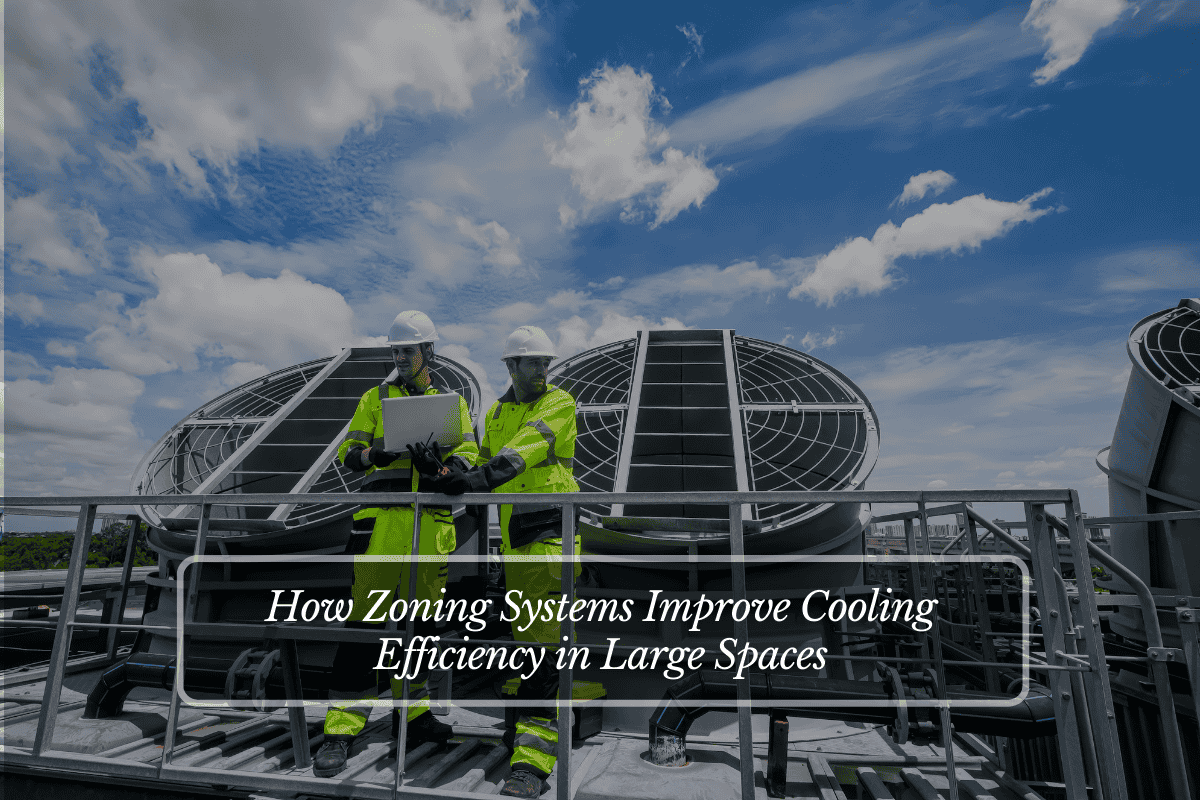
Zoning divides HVAC ducts into independent zones using motorized dampers, sensors, and thermostats per area—e.g., server rooms stay cool while lobbies idle. Central units push conditioned air only where needed, unlike single-zone systems overcooling empty spaces.
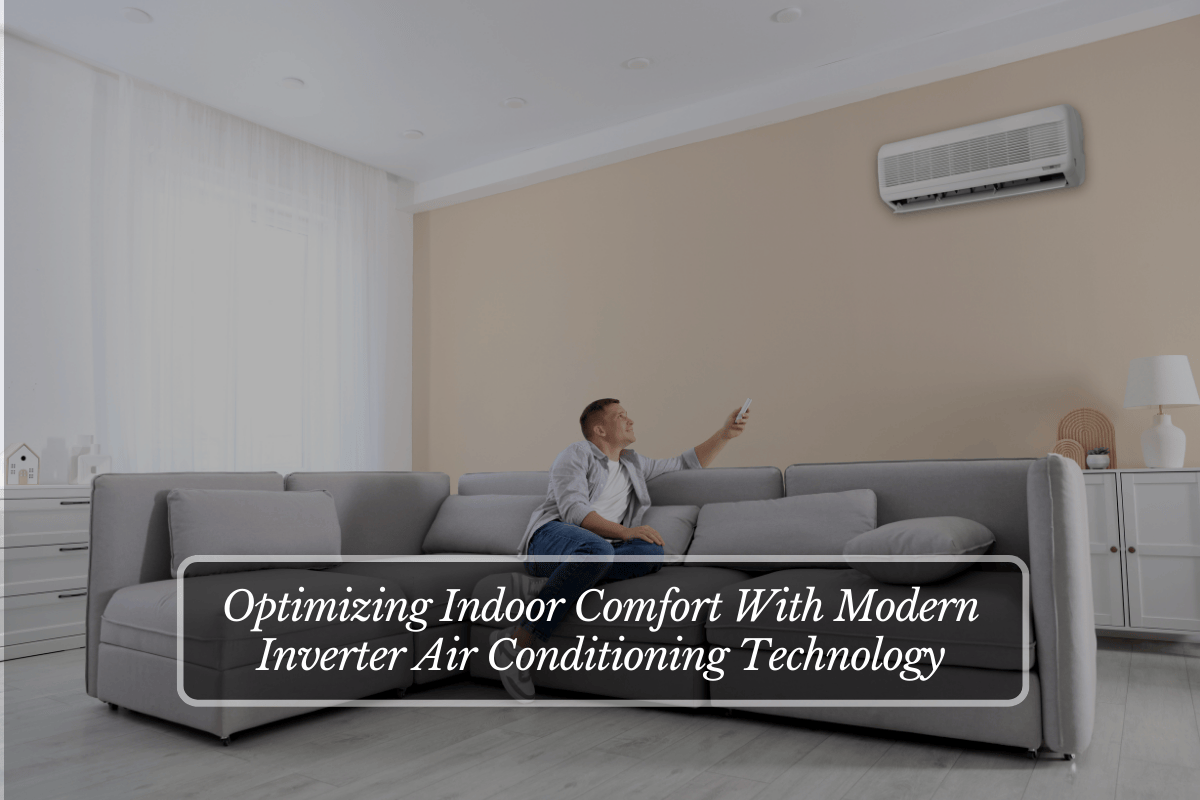
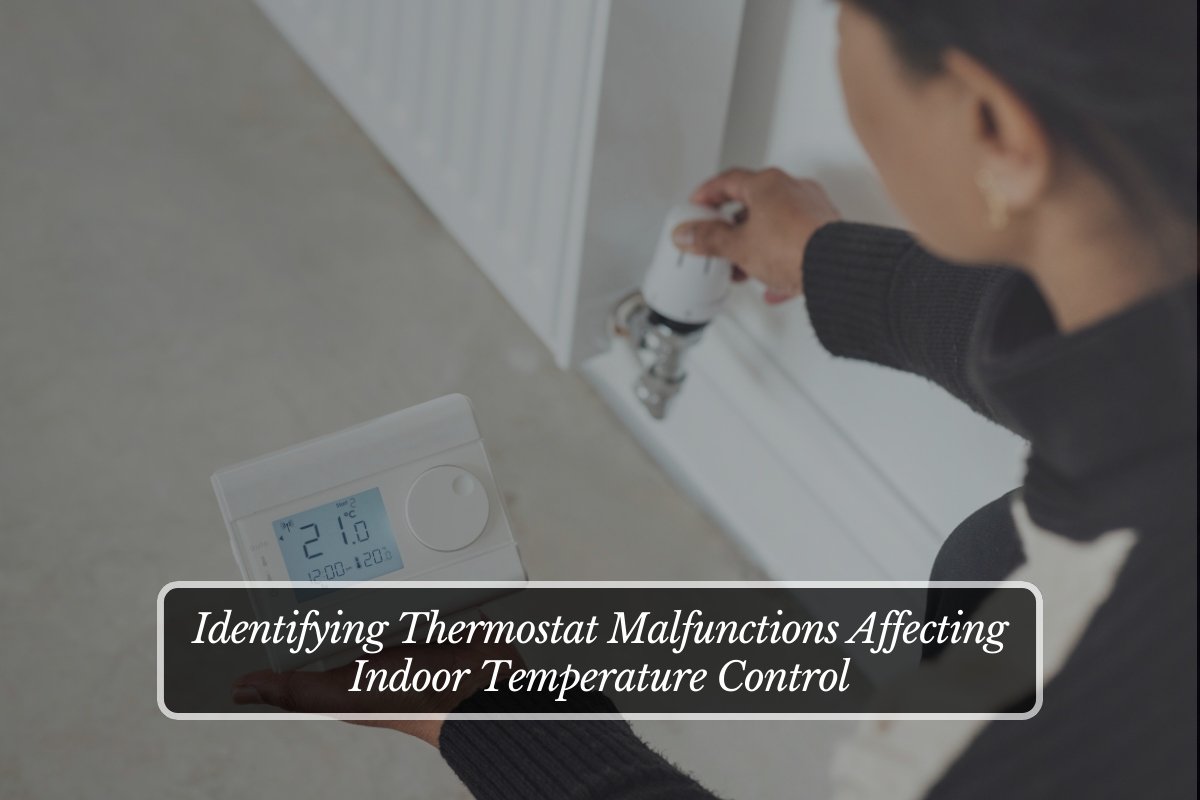
Smart controls integrate occupancy sensors and timers; apps let managers adjust via smartphone, syncing with building automation for real-time tweaks. Dampers close automatically in low-use zones, reducing fan runtime by 20-40%.
Efficiency Gains
Targeted cooling slashes kWh usage: DOE data shows 25% savings in zoned offices versus uniform systems, as compressors run at partial loads less often. In hot climates like Texas, perimeter zones handle sun gain separately from interiors.
Lower static pressure eases blower strain, extending equipment life 30% and cutting maintenance—vital for 2026’s supply chain delays on parts. Retrofitting costs $5-15/sq ft but pays back in 3-5 years via rebates like ENERGY STAR incentives.
| Benefit | Savings | Example Application |
|---|---|---|
| Energy Use | 20-30% | Offices: Zone per floor |
| Equipment Wear | 25-40% | Retail: Store vs. stockroom |
| Comfort Variance | <2°F | Warehouses: Loading docks |
Installation Essentials
Assess via energy audits: Map heat loads, occupancy, and duct layout for 6-12 zones max to avoid complexity. Pros install dampers in existing trunks, bypassing minimal disruption—ideal for additions using reliable lumber framing.
Calibrate thermostats away from vents/windows; pair with VFDs on fans for variable speed. Comply with ASHRAE 90.1 via commissioning tests ensuring no duct leaks.
Applications by Space Type
Offices: Zone departments—exec suites cooler, break rooms warmer—boosting productivity 15% per studies.
Retail: Front-of-house chilled for shoppers, backrooms minimal; integrates with POS data for peak adjustments.
Warehouses: High-bay zones cool workstations only, saving 40% in humid South. Gyms/schools tie to attendance for after-hours shutdowns.
Maintenance and Optimization
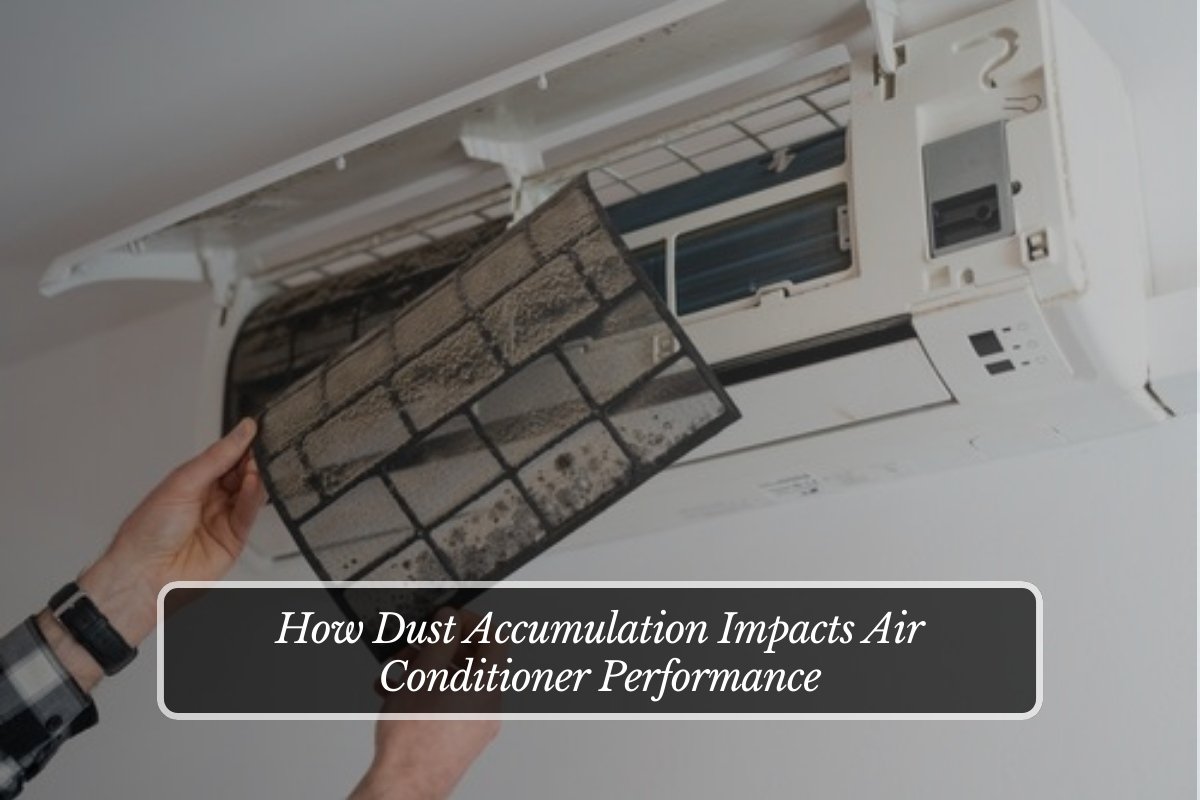
Annual damper checks prevent sticking; clean sensors quarterly. Use BMS analytics to refine setpoints—e.g., 72°F occupied, 80°F setback. Link to mutual aid networks for community buildings post-disasters.
In 2026, AI zoning predicts loads from weather APIs, amplifying savings in variable climates.
FAQs
1. How much energy saved?
20-30% on cooling bills via targeted airflow.
2. Cost to install?
$5-15/sq ft; ROI in 3 years with rebates.
3. Best for which buildings?
Offices, retail, warehouses over 10K sq ft.
4. Retrofit vs. new build?
Retrofits add dampers to ducts; new easier with planned zoning.
5. Maintenance needs?
Yearly damper/sensor service; monitor via apps.