Air conditioners (ACs) are vital for comfort, particularly in hot climates. However, the energy consumption of these systems can be significant, leading to high utility bills. Fortunately, the concept of smart maintenance is revolutionizing the way we maintain air conditioners, enhancing their energy efficiency and overall performance.
Through smart technologies and proactive maintenance strategies, homeowners and businesses can not only improve the energy output of their AC units but also extend their lifespan, reduce costs, and contribute to environmental sustainability. Here’s how smart maintenance improves air conditioner energy output.
What is Smart Maintenance?
Smart maintenance refers to the use of advanced technology, including sensors, predictive analytics, and automated systems, to monitor and maintain equipment more efficiently.
For air conditioners, smart maintenance involves real-time monitoring of the unit’s performance, identification of potential issues before they become major problems, and the ability to make adjustments that optimize energy use.
This approach moves away from traditional, reactive maintenance, which often involves addressing issues after they have already affected performance. Instead, smart maintenance takes a proactive stance, continuously analyzing data from the AC system to ensure optimal functioning and energy efficiency.
Real-Time Performance Monitoring
One of the key aspects of smart maintenance is real-time performance monitoring. Using sensors and connected devices, smart air conditioning systems can constantly monitor parameters such as temperature, humidity, airflow, and energy consumption. This data is sent to a central system or an app, allowing both users and maintenance teams to track the system’s performance and identify issues early on.
For example, if an air conditioner’s airflow drops below optimal levels due to a clogged filter, smart systems can detect the change and alert the user or technician to take action. This early detection ensures that the unit doesn’t continue to operate inefficiently, which would lead to higher energy consumption.
By keeping the AC system running at its best performance levels, real-time monitoring helps reduce the energy wasted through malfunctioning components, directly improving energy output.
Predictive Maintenance and Issue Prevention
Predictive maintenance is a key feature of smart systems. Rather than relying on scheduled checkups or waiting for a breakdown, predictive maintenance uses data and analytics to forecast when an AC unit is likely to encounter a problem based on its usage patterns and performance metrics.
For example, an AC’s compressor or motor may be showing signs of wear or inefficiency that would only be noticed through manual inspection under traditional maintenance methods.
Predictive maintenance systems can detect slight changes in the system’s behavior (such as a decrease in motor speed) and alert the user or technician to check or replace the part before it leads to a failure. This proactive approach reduces the chances of the air conditioner running inefficiently or breaking down entirely, which could lead to spikes in energy consumption and repairs.
By ensuring the system is always functioning optimally, predictive maintenance can significantly improve energy efficiency and the overall output of the air conditioner.
Optimizing Airflow and Temperature Regulation
One of the main reasons for poor energy output in air conditioners is improper airflow or poor temperature regulation. Smart maintenance systems use sensors to monitor the airflow within the unit and throughout the space it’s cooling.
When airflow is restricted—whether due to clogged filters, blocked vents, or dirty coils—the air conditioner has to work harder to circulate air, consuming more energy in the process. Smart systems can detect reduced airflow and prompt users to change filters, clean the coils, or clear any obstructions. Ensuring that the airflow is optimal not only improves the unit’s efficiency but also enhances its cooling output.
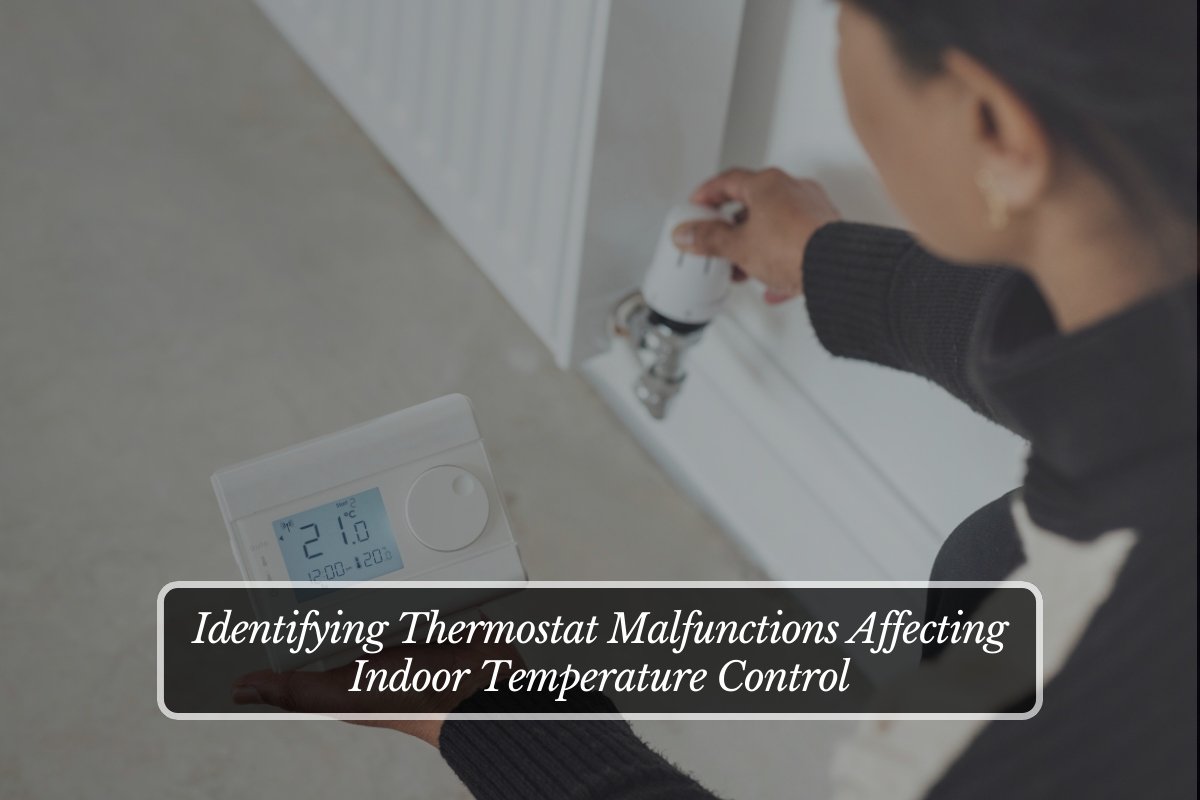
Additionally, smart AC systems can optimize temperature regulation by adjusting cooling cycles to align with the room’s actual needs. For instance, using smart thermostats or apps, the air conditioner can automatically adjust the temperature based on the time of day, occupancy, or outside weather conditions. This prevents the unit from running unnecessarily, further improving energy efficiency.
Improved Filter Management
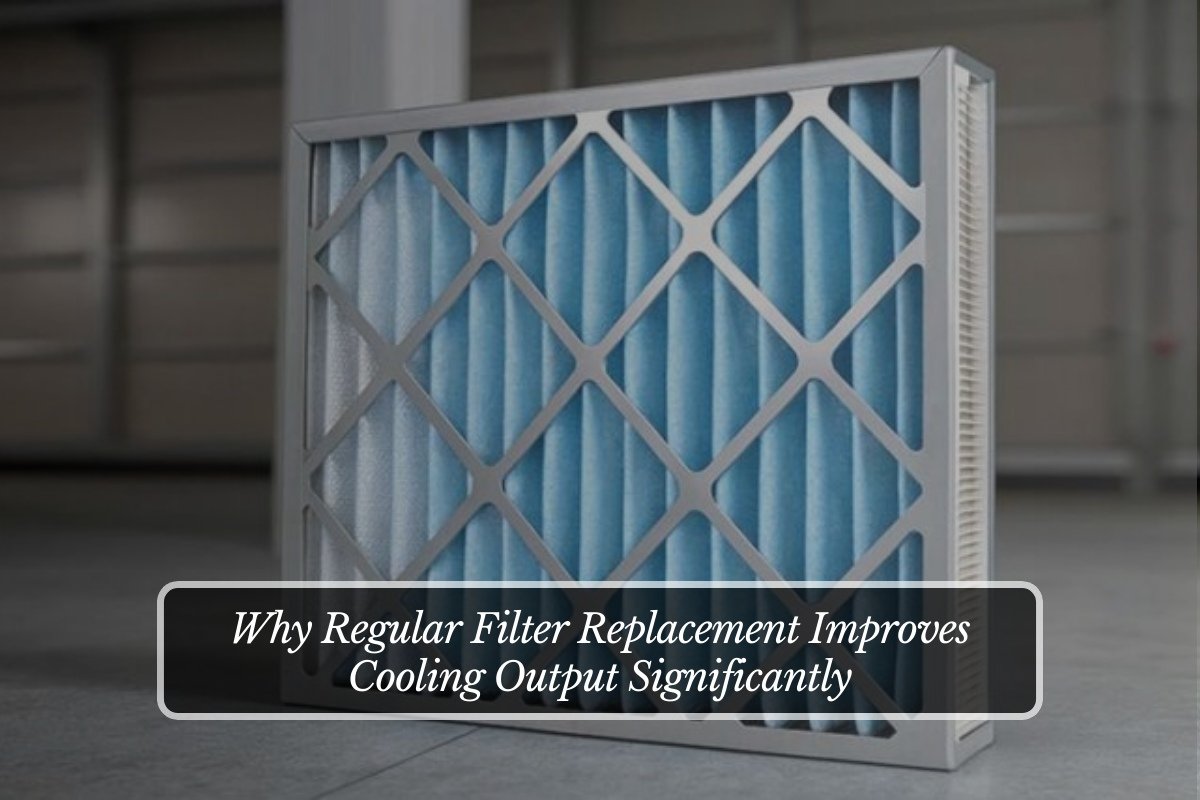
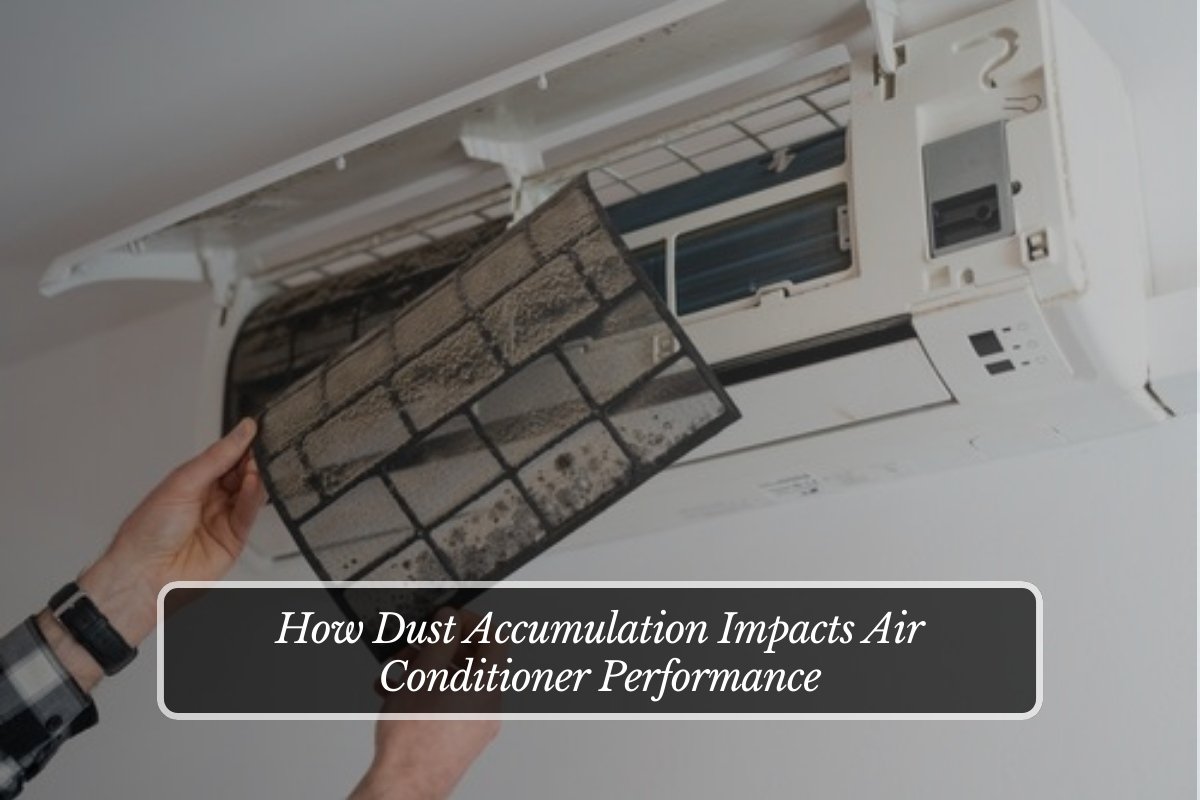
Dirty filters are a common cause of inefficient air conditioning. When filters are clogged with dirt and debris, they block airflow, making the system work harder to cool the space. This results in higher energy consumption and lower cooling output.
Smart maintenance systems, however, can track the cleanliness of filters and remind users to clean or replace them when needed. Some smart AC units even have self-cleaning filters that automatically maintain optimal airflow. By ensuring that the filters are consistently clean, the system works more efficiently, reducing energy consumption while maximizing cooling output.
Integration with Other Smart Home Devices
Another way that smart maintenance improves energy output is through integration with other smart home systems. Smart air conditioners can be connected to smart home platforms like Amazon Alexa or Google Home, allowing them to be controlled alongside other appliances in the home.
For example, a smart thermostat can adjust the air conditioner’s settings based on occupancy. If no one is home, the thermostat can increase the temperature to a less energy-consuming level, saving energy. Similarly, it can reduce the temperature when the house is occupied to maintain comfort without using excess energy.
Additionally, smart homes can optimize power consumption by monitoring energy use throughout the house, helping users understand the relationship between various devices and their collective energy consumption. This integrated system makes it easier to optimize AC performance while reducing overall household energy usage.
Long-Term Cost Savings and Sustainability
While the initial investment in smart air conditioning systems or smart maintenance devices may be higher, the long-term savings on energy bills often make the investment worthwhile. By maintaining optimal performance and energy efficiency, smart maintenance can reduce cooling costs, sometimes by as much as 20-30% over the life of the system.
Furthermore, the improved energy efficiency of smart-maintained air conditioners contributes to environmental sustainability. By reducing the amount of energy needed to cool homes or businesses, smart AC systems can lower carbon footprints, making them a more eco-friendly option.
FAQs
What is smart maintenance for air conditioners?
Smart maintenance uses advanced technologies such as sensors, real-time monitoring, and predictive analytics to track the performance of air conditioners, identify issues early, and optimize energy efficiency.
How does predictive maintenance improve energy output?
Predictive maintenance forecasts potential problems based on data, allowing for proactive repairs before they cause inefficiencies. This prevents unnecessary energy consumption caused by malfunctioning components.
How do smart systems optimize airflow in air conditioners?
Smart systems use sensors to monitor airflow and detect issues such as clogged filters or blocked vents. They can prompt users to clean or replace filters, ensuring optimal airflow and improved energy efficiency.
Can smart thermostats help reduce energy consumption?
Yes, smart thermostats adjust the air conditioner’s temperature based on occupancy or external weather conditions, preventing the AC from running unnecessarily and reducing overall energy consumption.
Is smart maintenance cost-effective?
While there may be an initial investment, smart maintenance often leads to long-term cost savings by improving energy efficiency, extending the life of the air conditioner, and reducing energy bills.