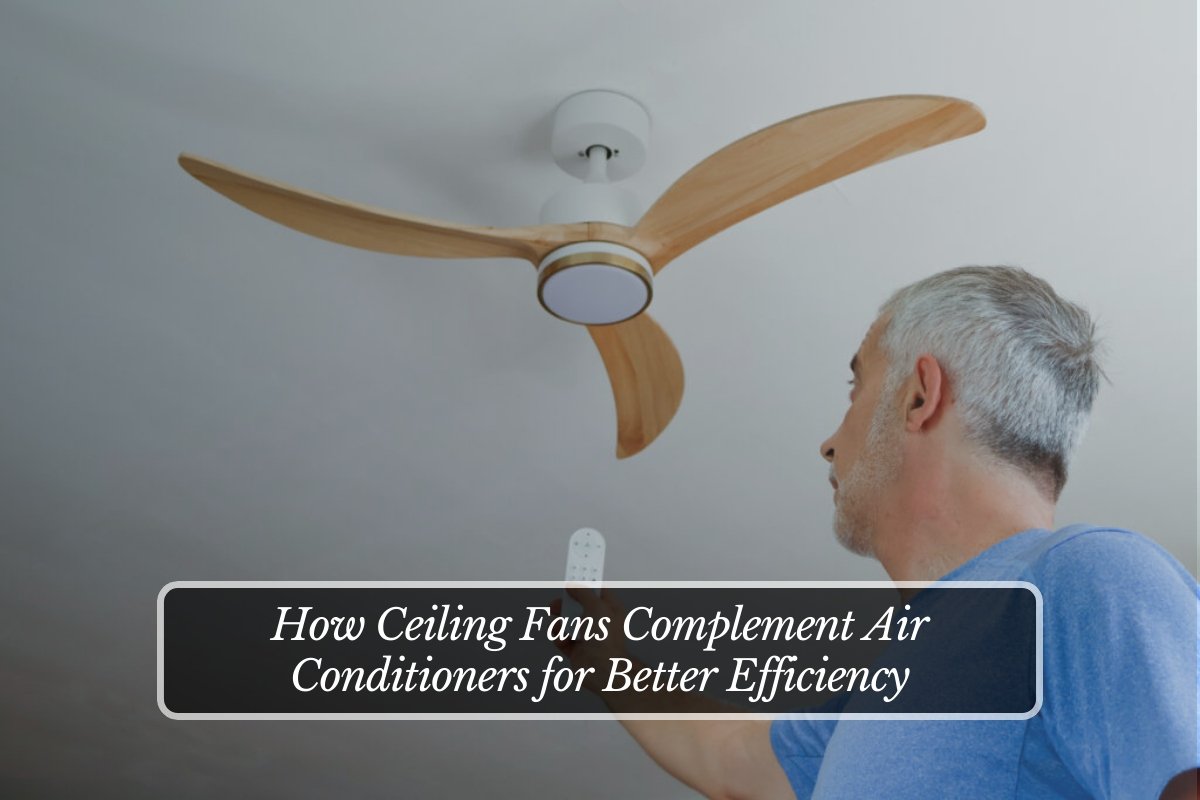
Ceiling fans and air conditioners are often seen as separate cooling solutions, but when used together, they can significantly improve indoor comfort and energy efficiency. Rather than replacing air conditioners, ceiling fans enhance how cooled air is distributed, allowing systems to work smarter instead of harder. Understanding how these two systems complement each other helps homeowners reduce energy costs while maintaining consistent comfort.
The Science Behind Air Movement and Cooling
Air conditioners cool by removing heat and humidity from indoor air, while ceiling fans do not lower temperature directly. Instead, fans create air movement that increases the rate of heat loss from the human body through evaporation. This wind-chill effect makes a room feel cooler than it actually is.
When ceiling fans circulate air evenly, the cooled air produced by the air conditioner spreads more effectively throughout the room. This prevents cold air from settling near the floor and warm air from lingering near the ceiling, creating a balanced indoor environment.
Reducing the Workload on Air Conditioners
One of the biggest benefits of using ceiling fans with air conditioners is reduced system strain. With better air circulation, the air conditioner reaches the desired comfort level faster and cycles off sooner.
This allows homeowners to raise the thermostat setting by 2–4 degrees without sacrificing comfort. Since cooling accounts for a large portion of household energy use, even small thermostat adjustments can lead to noticeable energy savings over time.
Improving Temperature Consistency Across Rooms
Without proper circulation, air-conditioned spaces often develop hot and cold spots. Ceiling fans help eliminate these inconsistencies by continuously mixing the air.
In multi-room or open-plan homes, fans support more uniform temperatures, reducing the need for the air conditioner to compensate for uneven cooling. This improves comfort and prevents overcooling in certain areas.
Enhancing Humidity Comfort
Air conditioners remove moisture as part of the cooling process, but stagnant air can still feel heavy or humid. Ceiling fans help moisture evaporate from the skin more efficiently, making the space feel drier and more comfortable.
This perceived dryness allows the air conditioner to operate at higher temperature settings while maintaining the same comfort level, further improving efficiency.
Seasonal Flexibility and Year-Round Benefits
Modern ceiling fans are designed for year-round use. During summer, fans rotate counterclockwise to push cool air downward. In cooler months, reversing the direction pulls cool air upward and redistributes warm air trapped near the ceiling.
This flexibility enhances overall HVAC efficiency, not just during cooling season but throughout the year, maximizing the value of ceiling fans as a long-term investment.
Energy Savings and Environmental Impact
Ceiling fans consume significantly less electricity than air conditioners. By reducing AC runtime, fans help lower energy consumption and utility bills. This also reduces carbon emissions associated with excessive cooling, making the combination a more environmentally responsible choice.
Over time, the cost savings from reduced energy use can offset the initial expense of installing ceiling fans.
Best Practices for Using Ceiling Fans with Air Conditioners
To maximize efficiency:
- Use fans only when rooms are occupied, as fans cool people—not spaces
- Set fans to summer mode (counterclockwise rotation)
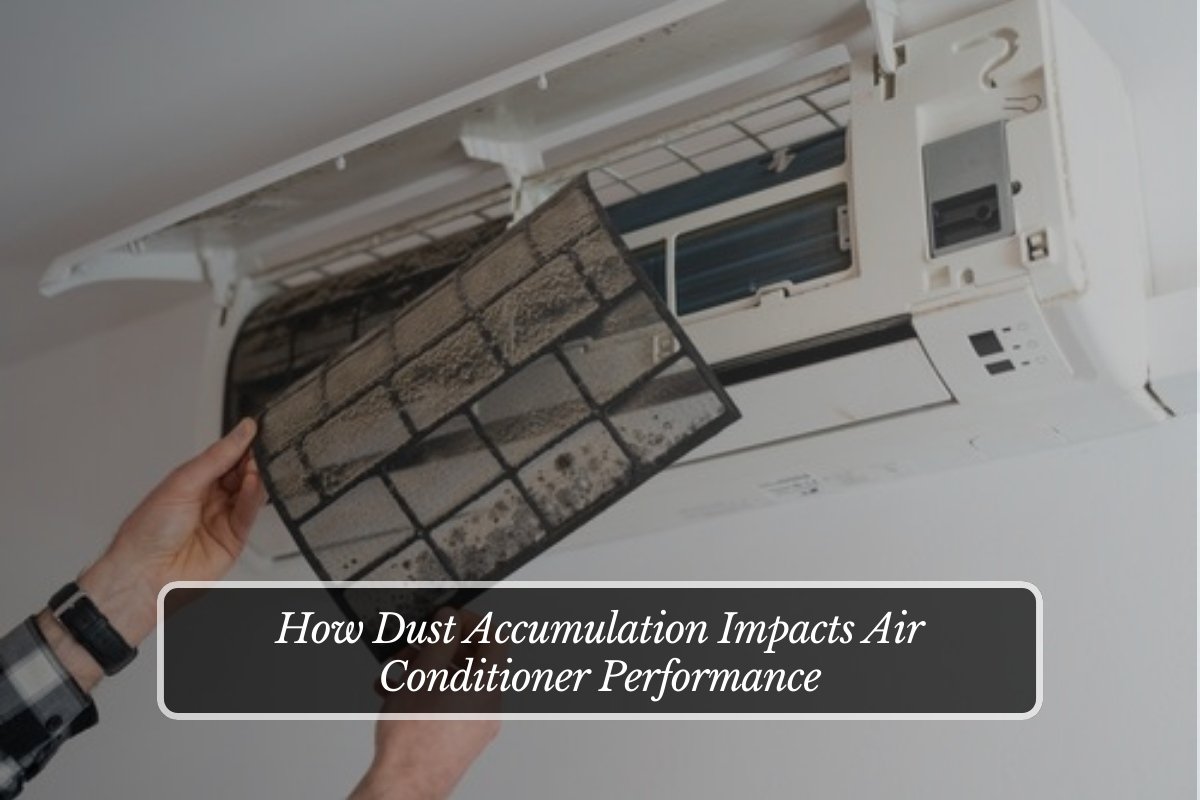
- Keep air filters clean to ensure smooth airflow
- Adjust the thermostat upward slightly when fans are running
These simple habits ensure both systems operate in harmony rather than independently.
FAQs
Do ceiling fans cool a room without an air conditioner?
No, ceiling fans do not lower the actual room temperature. They cool people by creating airflow that increases evaporation from the skin.
How much can ceiling fans reduce AC energy use?
Using ceiling fans properly can reduce cooling energy costs by allowing thermostat settings to be raised by a few degrees, potentially saving 10–15% on cooling bills.
Should ceiling fans run all day with the AC?
Fans should only run when rooms are occupied. Running them in empty rooms wastes electricity without providing cooling benefits.
What direction should ceiling fans rotate in summer?
In summer, fans should rotate counterclockwise to push cool air downward and enhance the wind-chill effect.
Can ceiling fans replace air conditioners entirely?
In mild climates, fans may reduce the need for AC, but in hot or humid conditions, they are most effective when used alongside air conditioning.