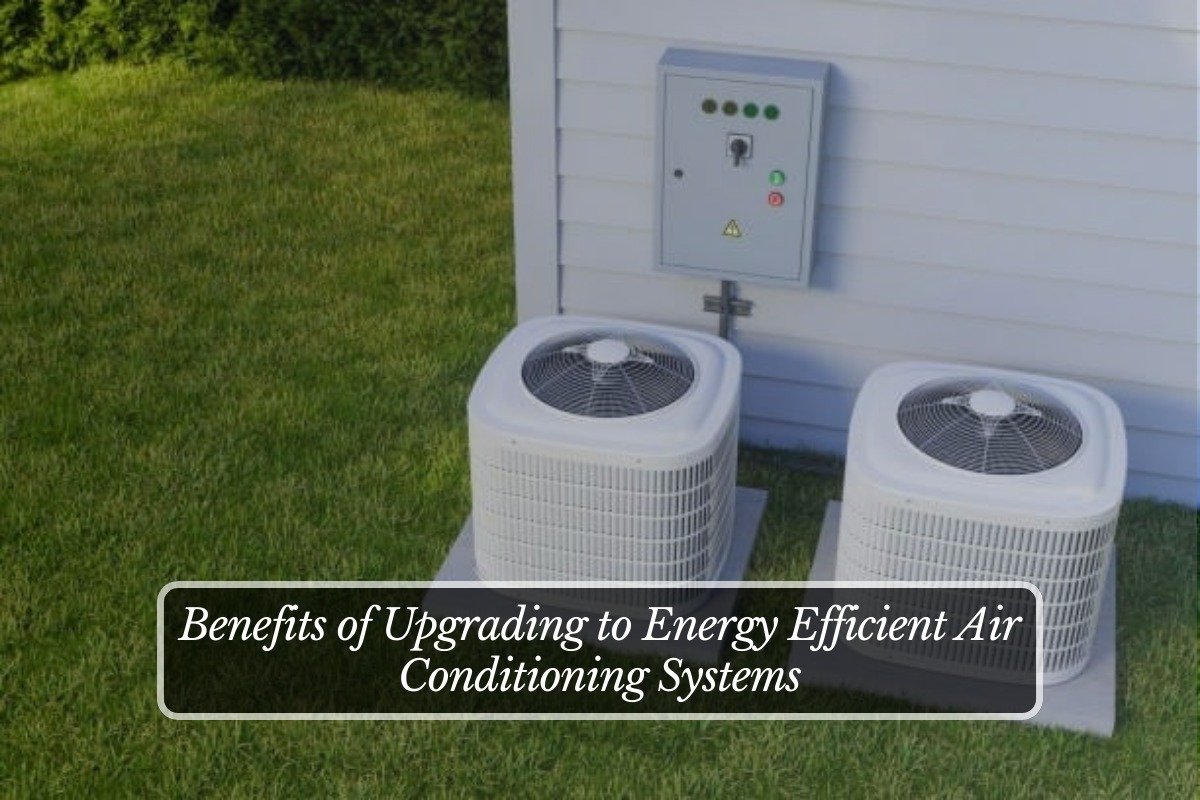
As energy costs rise and environmental concerns grow, upgrading to an energy-efficient air conditioning system has become a smart and forward-thinking investment for homeowners and businesses alike.
Modern energy-efficient AC systems are designed to deliver superior comfort while using less power, reducing long-term costs and environmental impact. Beyond lower utility bills, these systems offer a wide range of benefits that improve performance, reliability, and overall indoor comfort.
Lower Energy Consumption and Utility Costs
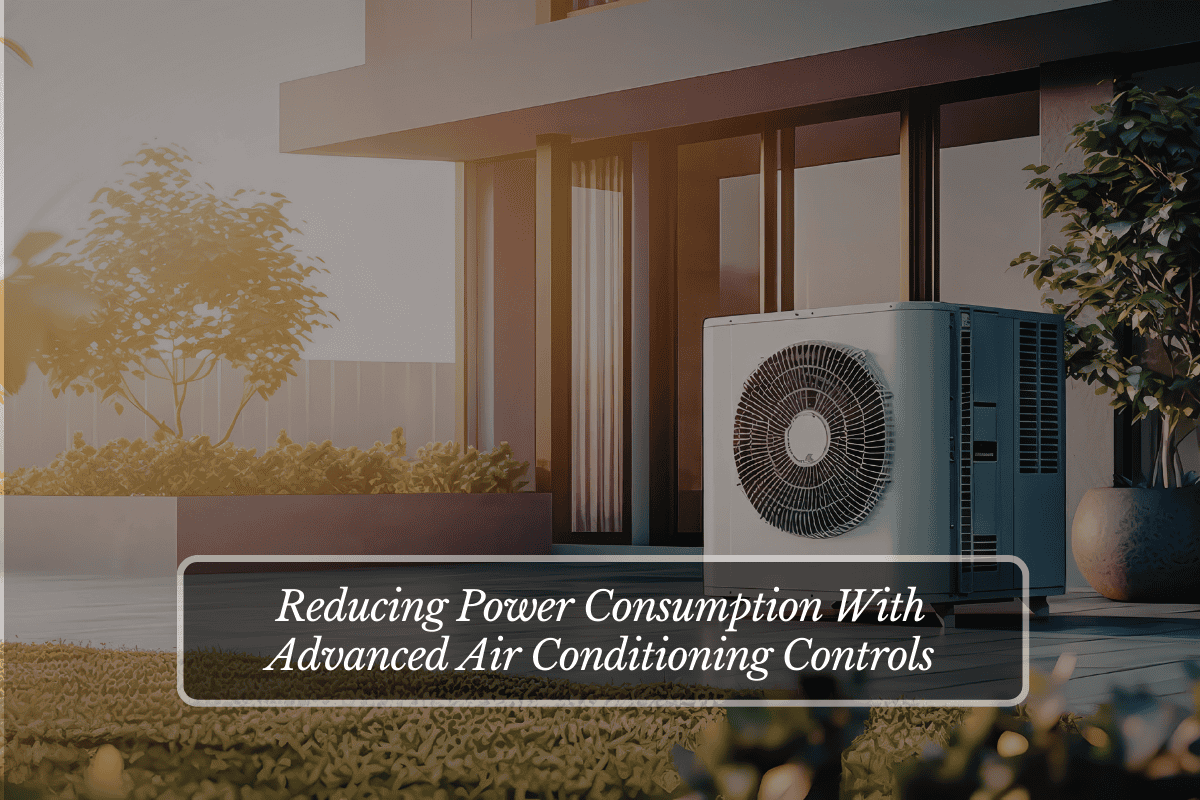
One of the most immediate and noticeable benefits of upgrading to an energy-efficient air conditioning system is reduced energy usage. Advanced systems use improved compressors, variable-speed motors, and smart controls to cool spaces more effectively with less electricity.
Older units often run longer and work harder to maintain temperature, driving up utility bills. In contrast, energy-efficient systems optimize cooling cycles, leading to significant monthly and annual savings. Over time, these savings can offset a substantial portion of the initial upgrade cost.
Improved Cooling Performance and Comfort
Energy-efficient air conditioners provide more consistent and even cooling throughout a space. Features such as variable-speed fans and advanced airflow control allow the system to adjust output based on real-time cooling demands.
This results in fewer temperature fluctuations, reduced hot or cold spots, and better humidity control. Improved moisture removal enhances comfort, especially in humid climates, while also helping to protect indoor furnishings and building materials.
Reduced Environmental Impact
Upgrading to an energy-efficient AC system lowers overall energy demand, which directly reduces greenhouse gas emissions from power generation. Many modern systems also use environmentally safer refrigerants that have a lower impact on the ozone layer and climate.
For environmentally conscious property owners, this upgrade supports sustainability goals while complying with evolving energy and environmental regulations. Reduced energy consumption benefits not only individual households but also the broader community by easing strain on electrical grids.
Quieter Operation and Enhanced Reliability
Newer energy-efficient air conditioning systems are engineered for quieter operation. Improved insulation, advanced fan designs, and variable-speed components reduce noise levels compared to older, single-speed units.
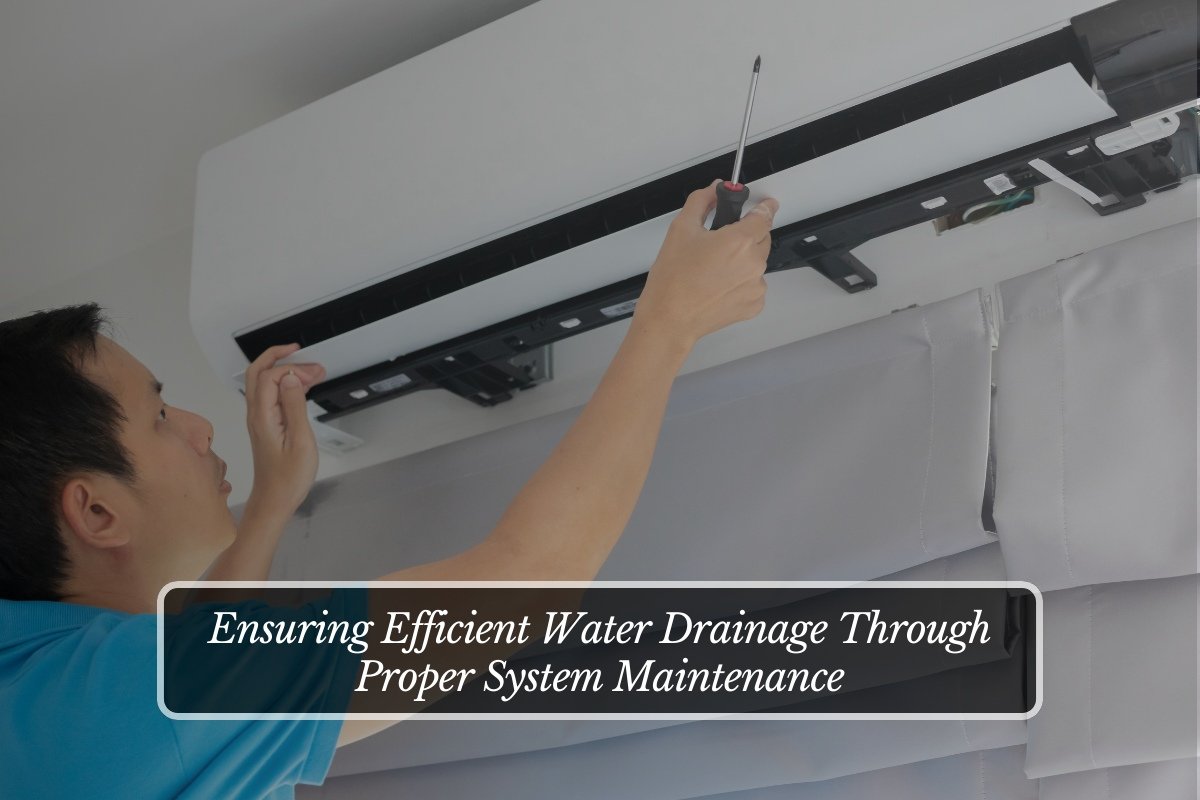
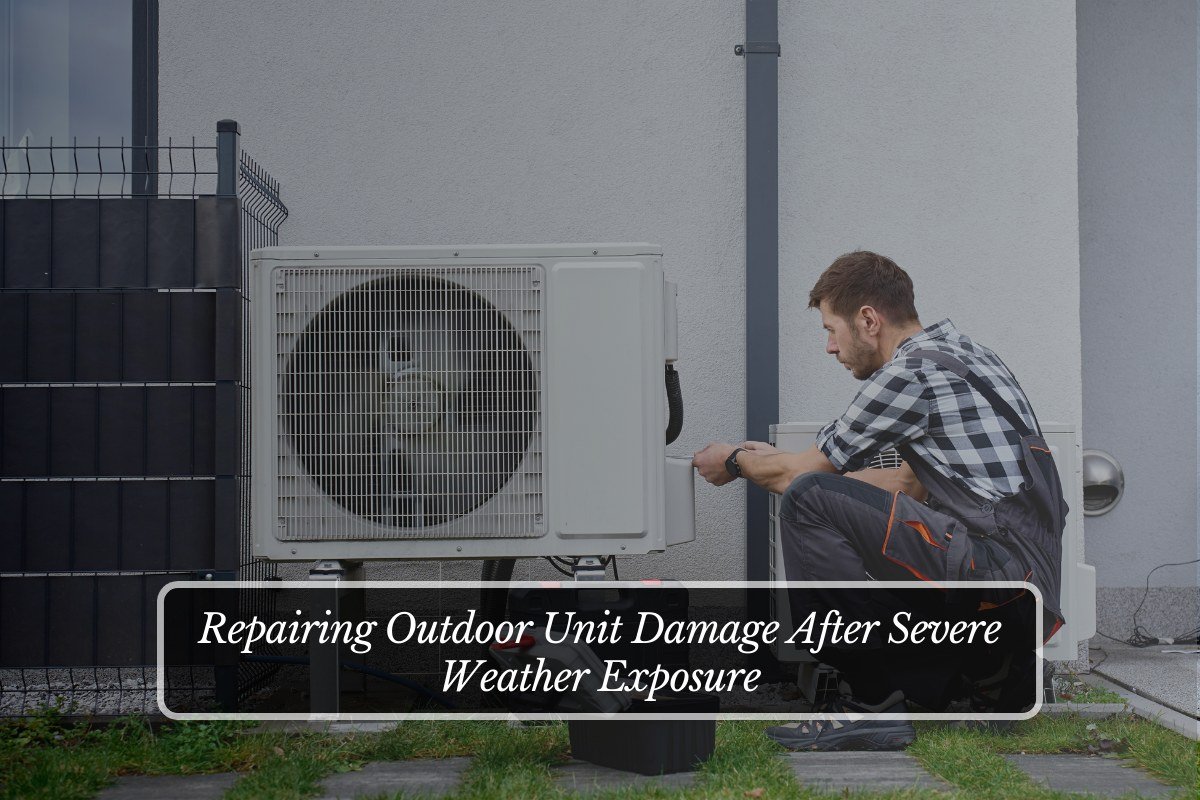
In addition, modern systems experience less wear and tear because they do not constantly cycle on and off at full capacity. This leads to fewer breakdowns, longer system lifespan, and reduced maintenance costs over time.
Smart Technology and Better Control
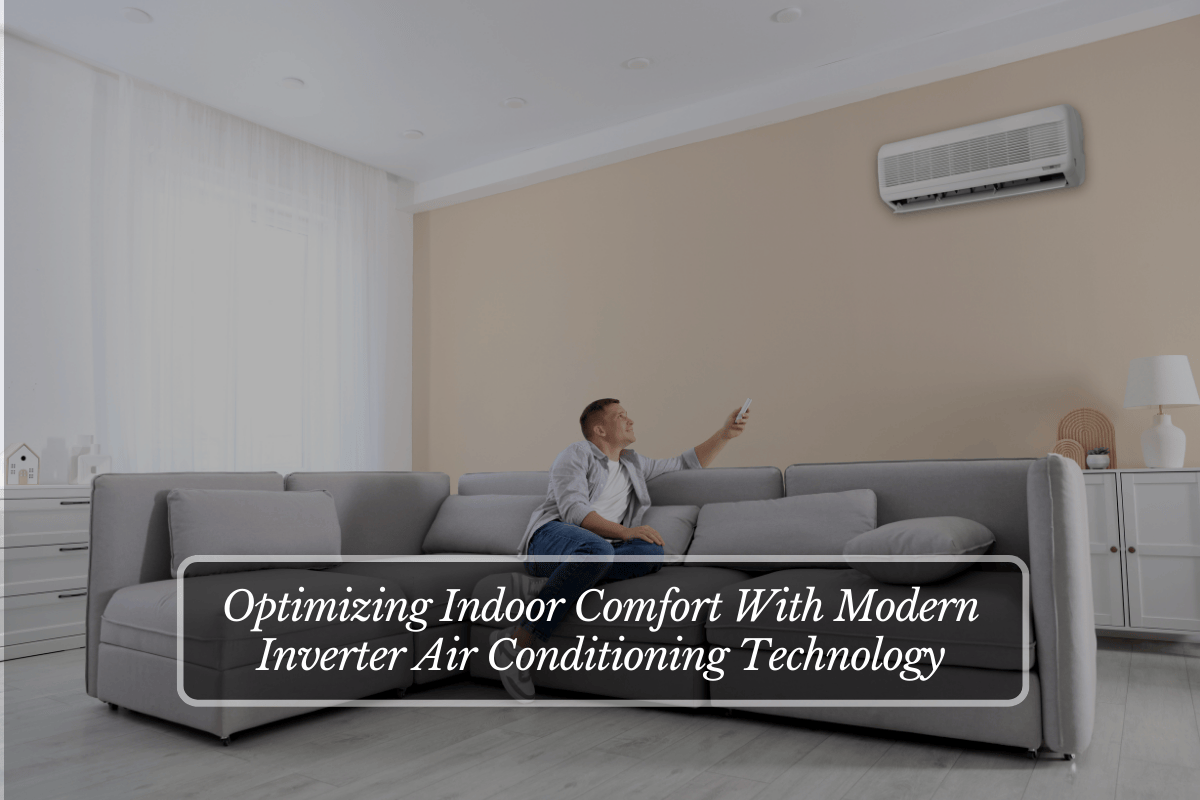
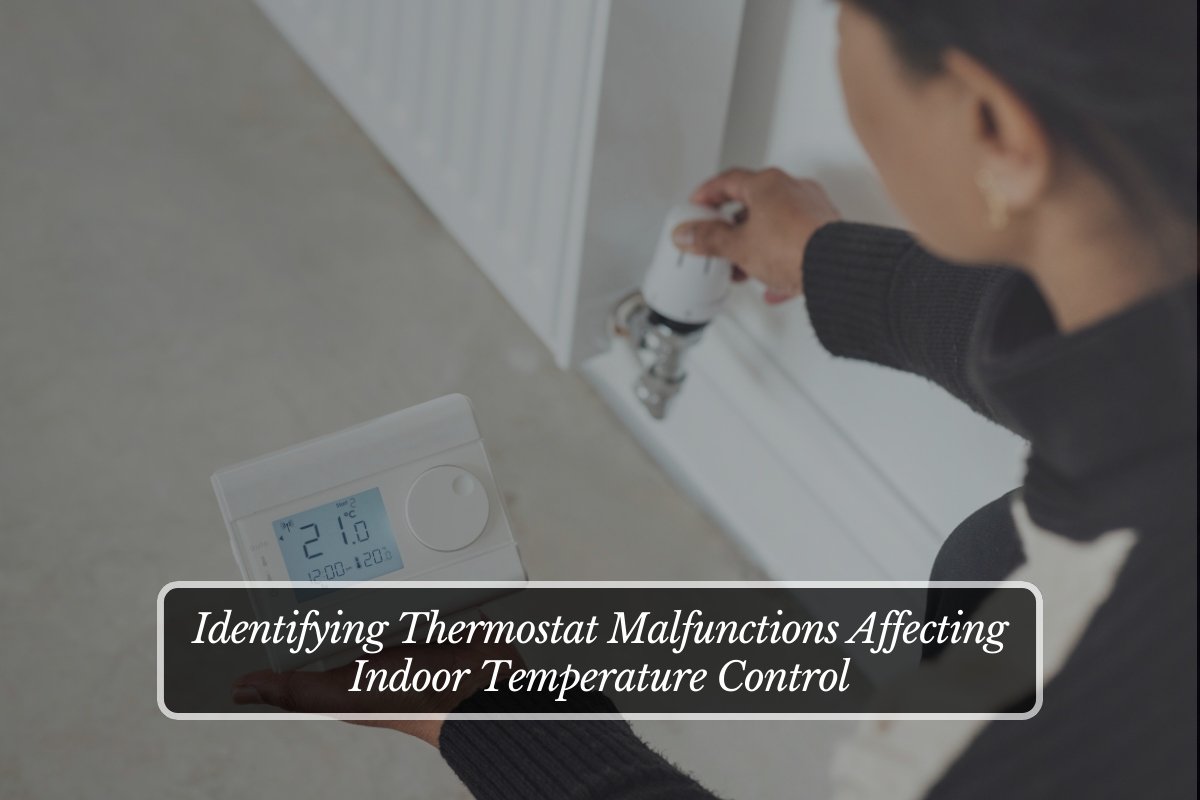
Many energy-efficient systems integrate seamlessly with smart thermostats and home automation platforms. These technologies allow users to monitor and control cooling remotely, set schedules, and optimize energy use based on occupancy patterns.
Smart diagnostics can also alert homeowners to maintenance needs before minor issues become costly repairs. This level of control improves efficiency while providing convenience and peace of mind.
Increased Property Value and Long-Term Savings
Energy-efficient upgrades are increasingly attractive to buyers and tenants. A modern, efficient air conditioning system can enhance property value and marketability by signaling lower operating costs and better comfort.
In commercial settings, energy-efficient cooling contributes to operational savings and demonstrates environmental responsibility, which can be appealing to clients, employees, and investors alike.
A Future-Focused Cooling Investment
Upgrading to an energy-efficient air conditioning system is more than a comfort improvement—it is a strategic investment in cost savings, sustainability, and reliability. With lower energy bills, improved performance, quieter operation, and advanced control options, modern AC systems deliver lasting value.
As energy standards continue to evolve, choosing efficiency today helps ensure long-term compliance and comfort tomorrow.
FAQs
How much can I save by upgrading to an energy-efficient AC system?
Savings vary, but many homeowners reduce cooling costs by 20–40% depending on system efficiency and usage.
Are energy-efficient air conditioners more expensive to maintain?
No. In fact, they often require less maintenance due to improved design and reduced system strain.
Do energy-efficient systems cool as well as traditional units?
Yes. They typically provide better, more consistent cooling while using less energy.
Is an energy-efficient AC upgrade worth it for older homes?
Yes. With proper sizing and duct evaluation, older homes can benefit significantly from improved efficiency and comfort.
How long does it take to recover the upgrade cost?
Many users recover costs within a few years through energy savings, incentives, and reduced repair expenses.