Air conditioning is essential for maintaining comfort in homes and businesses, especially during the hotter months. However, to get the most out of your air conditioner (AC), it’s important to adopt smart cooling practices that optimize performance, improve efficiency, and reduce energy consumption throughout the year. With the right strategies in place, your air conditioner will not only perform better but also have a longer lifespan, saving you money on repairs and energy costs in the long run.
Here are some effective smart cooling practices to improve your air conditioner’s performance year-round:
1. Regular Maintenance and Cleaning
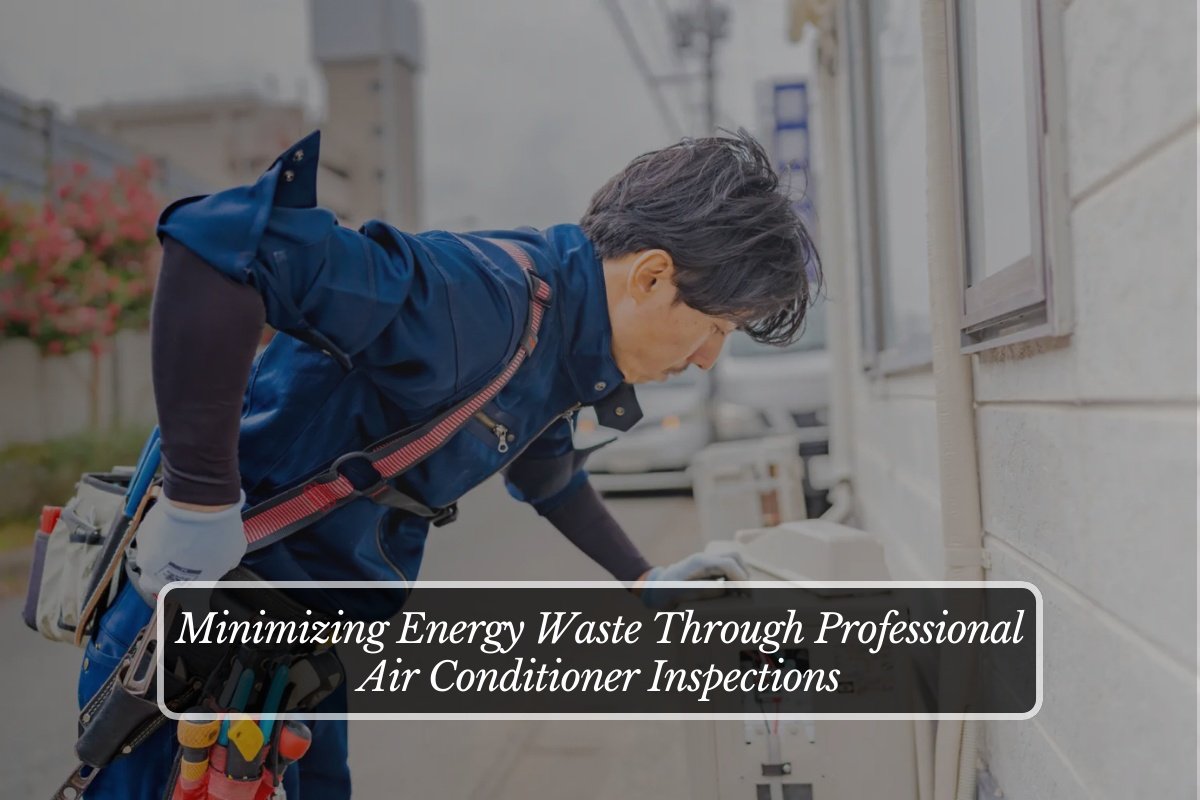
One of the most important factors in ensuring your air conditioner runs efficiently is regular maintenance. Neglecting to clean and maintain your AC can lead to reduced performance, higher energy consumption, and costly repairs. Simple maintenance tasks can significantly improve your system’s efficiency and longevity.
How It Helps:
- Cleaner air: Regular cleaning of filters and ducts helps remove dust, dirt, and allergens, leading to cleaner air quality.
- Enhanced efficiency: Cleaning the evaporator and condenser coils ensures optimal heat exchange, allowing the AC to cool your space more effectively.
- Prevents breakdowns: Routine checks on the system can help identify minor issues before they become major problems, reducing the chances of system failure.
What You Can Do:
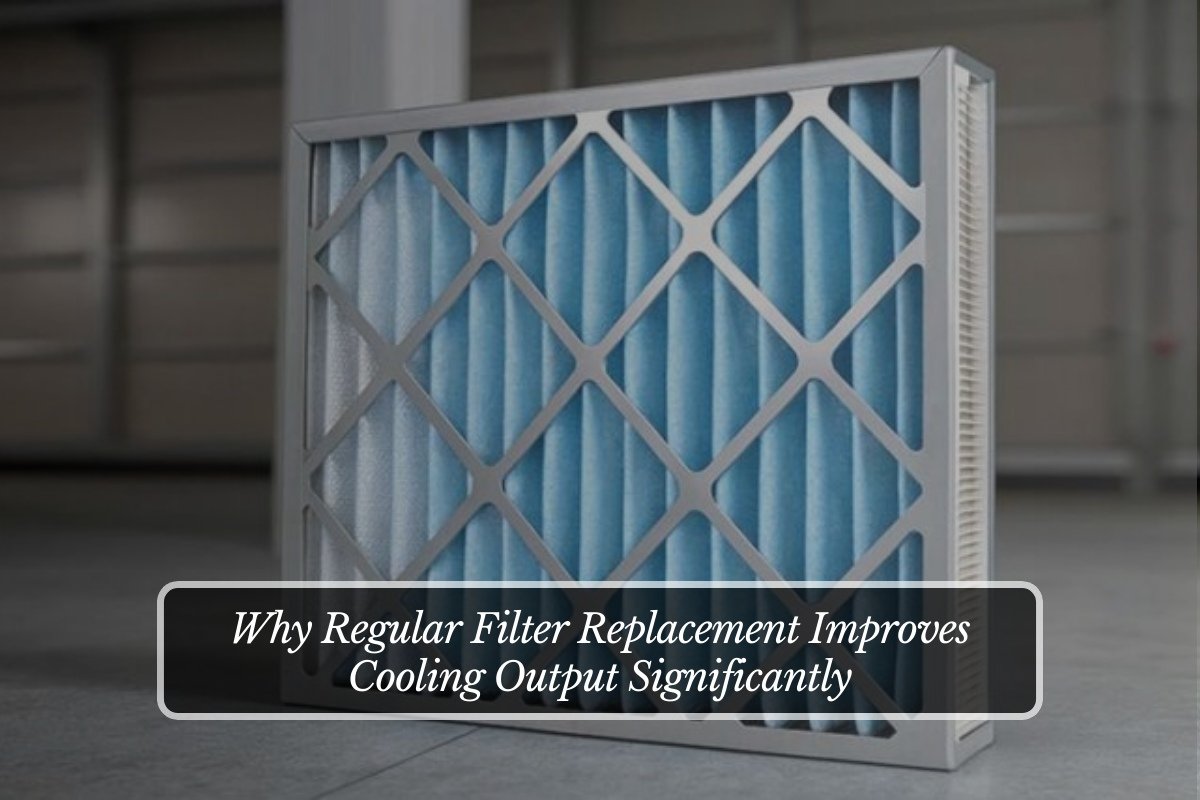
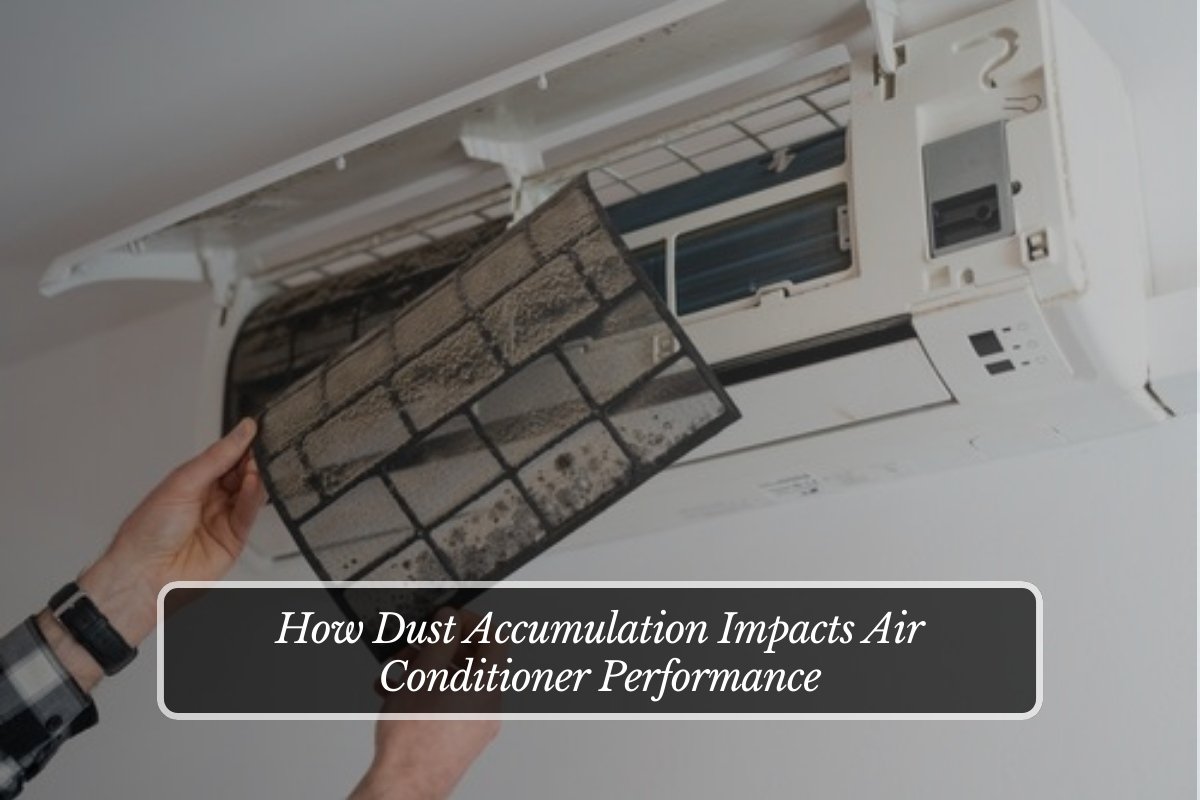
- Replace or clean filters regularly: Dirty filters restrict airflow, making your AC work harder and less efficiently. Check filters every 1–3 months and replace or clean them as needed.
- Clean the coils: Over time, dirt can accumulate on both the evaporator and condenser coils. Have these cleaned during your annual maintenance check.
- Check refrigerant levels: Low refrigerant levels can reduce cooling efficiency. If your refrigerant is low, call a professional to recharge it.
2. Use Programmable or Smart Thermostats
A programmable or smart thermostat is a simple yet highly effective tool to improve your AC’s efficiency. These devices allow you to set schedules for when your AC should be running and at what temperature, ensuring that your home stays comfortable without wasting energy.
How It Helps:
- Reduces energy waste: Set your thermostat to turn the AC off or raise the temperature when you’re not home, so you don’t waste energy cooling an empty house.
- Optimizes cooling times: With a smart thermostat, you can adjust the temperature based on your preferences and lifestyle, ensuring your home is always at a comfortable temperature without overcooling.
- Energy savings: A smart thermostat can track usage patterns and suggest energy-saving adjustments, helping reduce overall energy consumption.
What You Can Do:
- Install a programmable thermostat: Set your thermostat to automatically raise the temperature during the day when you’re at work or asleep, then lower it again before you return home.
- Use a smart thermostat: Upgrade to a smart thermostat that you can control via your phone or voice commands. It can also integrate with other smart home devices for better energy management.
3. Seal Leaks and Insulate Properly
Proper insulation and sealing are crucial in ensuring that your AC works efficiently. Leaks in windows, doors, ducts, and walls allow cool air to escape and hot air to enter, forcing your AC to work harder to maintain the desired temperature.
How It Helps:
- Prevents energy loss: Sealing gaps and adding insulation reduces heat exchange, meaning your AC can maintain the temperature more easily, reducing energy consumption.
- Improves temperature control: Well-insulated spaces are easier to cool and maintain, reducing the workload on your air conditioner.
What You Can Do:
- Seal doors and windows: Check for gaps around doors and windows, and seal them with weatherstripping or caulking to prevent cool air from escaping.
- Insulate your attic and walls: Poor insulation can lead to significant heat loss. Ensure that your attic, walls, and floors are well-insulated to improve both heating and cooling efficiency.
- Seal ductwork: Leaky ducts can waste a lot of cooled air. Have your ducts inspected and sealed to ensure air flows efficiently throughout your home.
4. Use Ceiling Fans and Natural Ventilation
Complementing your air conditioner with ceiling fans and natural ventilation can improve overall cooling efficiency and reduce the amount of work your AC has to do. Fans circulate air more effectively, helping to distribute cool air and eliminate hot spots.
How It Helps:
- Improves air circulation: Ceiling fans help circulate cool air throughout the room, which can make the temperature feel lower, even when the AC is set at a higher temperature.
- Reduces reliance on the AC: Natural ventilation, such as opening windows during cooler parts of the day or evening, can help cool your home without turning on the AC.
What You Can Do:
- Use ceiling fans: Turn on ceiling fans in rooms where you spend the most time. They help maintain even temperatures and make it feel cooler, allowing you to raise your thermostat setting and reduce AC usage.
- Open windows strategically: Use natural ventilation by opening windows when the outside temperature is cooler than the inside temperature. Cross-ventilation can help cool your home without using the AC.
5. Ensure Proper Sizing of Your AC Unit
An air conditioner that is too small for your space will struggle to cool efficiently, while one that is too large will cool too quickly without properly dehumidifying the air, leading to a cold, clammy environment. Ensuring your AC is the right size for your home or office is critical to optimal performance.
How It Helps:
- Better cooling efficiency: A properly sized AC unit cools your space more effectively, ensuring it works efficiently without overexerting itself.
- Prevents excessive wear: When an AC unit is too large or small, it can lead to unnecessary wear and tear, potentially shortening its lifespan.
What You Can Do:
- Have a professional sizing check: If you’re installing a new AC, have a professional HVAC technician assess the size of the unit needed for your space. They’ll take into account factors like room size, insulation, and sunlight exposure.
- Avoid oversizing: Don’t assume bigger is better. An oversized unit will cycle on and off too frequently, leading to inefficiency and increased wear.
6. Optimize Airflow Around the Unit
The area around your air conditioner should be clear of obstructions to ensure optimal airflow. An air conditioner that is blocked by furniture, curtains, or debris will have to work harder to circulate air, reducing its efficiency.
How It Helps:
- Improves airflow: Ensuring proper airflow allows your AC to operate at peak efficiency, cooling the space faster and using less energy.
- Prevents overheating: Blocking vents or condenser coils can cause your AC to overheat and malfunction, reducing its lifespan and performance.
What You Can Do:
- Keep vents and filters clear: Make sure air vents, ducts, and filters are free from blockages, and trim any plants or obstacles near the outdoor unit.
- Clean condenser coils: Regularly clean the outdoor condenser coils to prevent dirt from building up and hindering airflow.
7. Upgrade to an Energy-Efficient AC
If your air conditioner is old or inefficient, upgrading to a newer, energy-efficient model can significantly improve your cooling performance while lowering energy costs.
How It Helps:
- Energy savings: Newer models use advanced technology to reduce energy consumption while maintaining high performance.
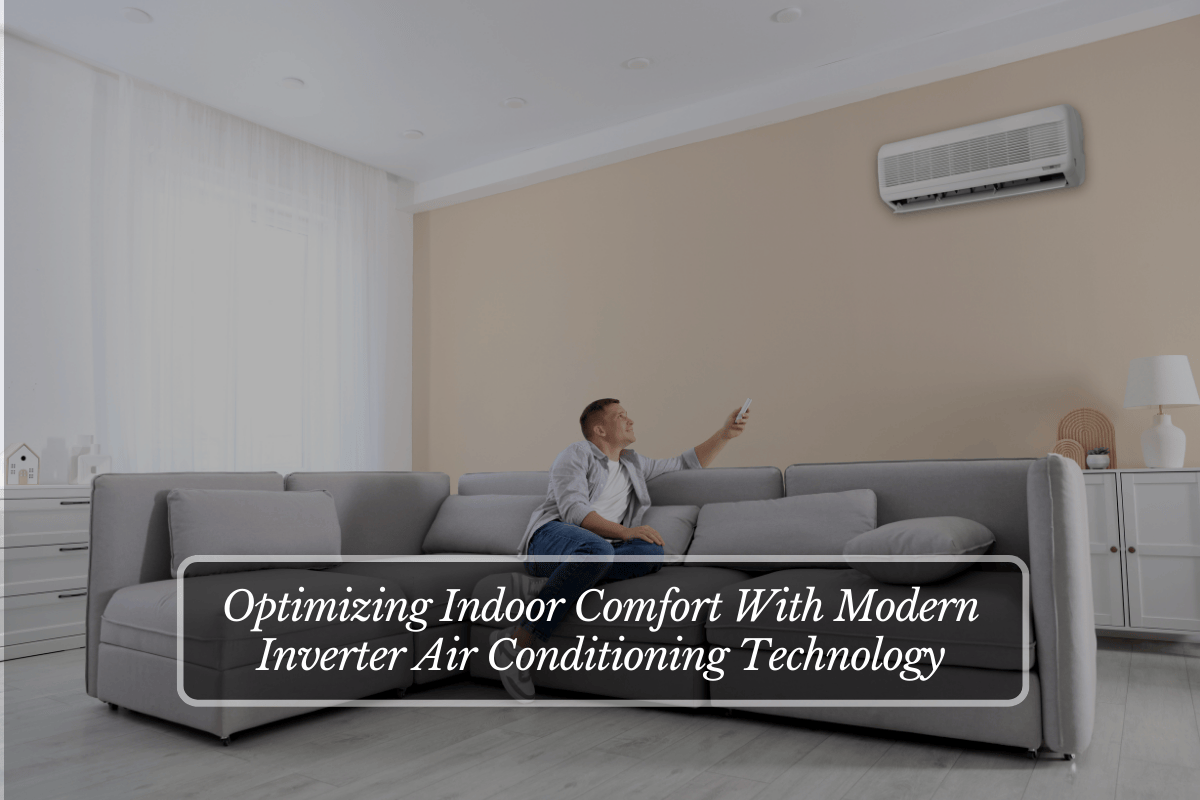
- Better cooling performance: Modern air conditioners are designed to cool spaces more effectively, using features such as variable-speed compressors and advanced refrigerants.
What You Can Do:
- Invest in an Energy Star-rated AC: When replacing your AC, look for units that have the Energy Star label, which indicates they meet high energy efficiency standards.
- Regularly assess the need for replacement: If your AC is over 10 years old, it may be time to replace it. Newer units offer improved performance and energy efficiency.
By adopting smart cooling practices, you can optimize the performance of your air conditioner, save on energy costs, and create a more comfortable environment year-round. Regular maintenance, proper insulation, time management with programmable thermostats, and leveraging natural cooling methods like fans and ventilation are all simple steps that can help enhance your AC’s efficiency. Whether you’re looking to extend the lifespan of your current unit or improve its performance, these strategies will ensure that your home stays cool without breaking the bank.
Frequently Asked Questions (FAQ)
1. How often should I clean my air conditioner’s filter?
Air conditioner filters should be cleaned or replaced every 1–3 months, depending on usage and the type of filter. Regular maintenance ensures efficient airflow and better cooling.
2. What is the best thermostat setting for energy savings?
A common recommendation is setting your thermostat to 78°F (25°C) when you’re home and raising it by a few degrees when you’re away or asleep. This balances comfort with energy savings.
3. Why should I upgrade to an energy-efficient air conditioner?
Upgrading to an energy-efficient model can help reduce energy consumption, lower your utility bills, and provide better cooling performance.
4. Can using fans with my AC reduce energy usage?
Yes, ceiling fans can help circulate cool air, making the temperature feel lower, which may allow you to raise your thermostat setting and reduce AC usage.
5. How can I improve airflow around my AC unit?
Keep vents, filters, and outdoor units clear of debris and obstructions. This allows for better airflow, making your AC more efficient and helping it cool your space faster.