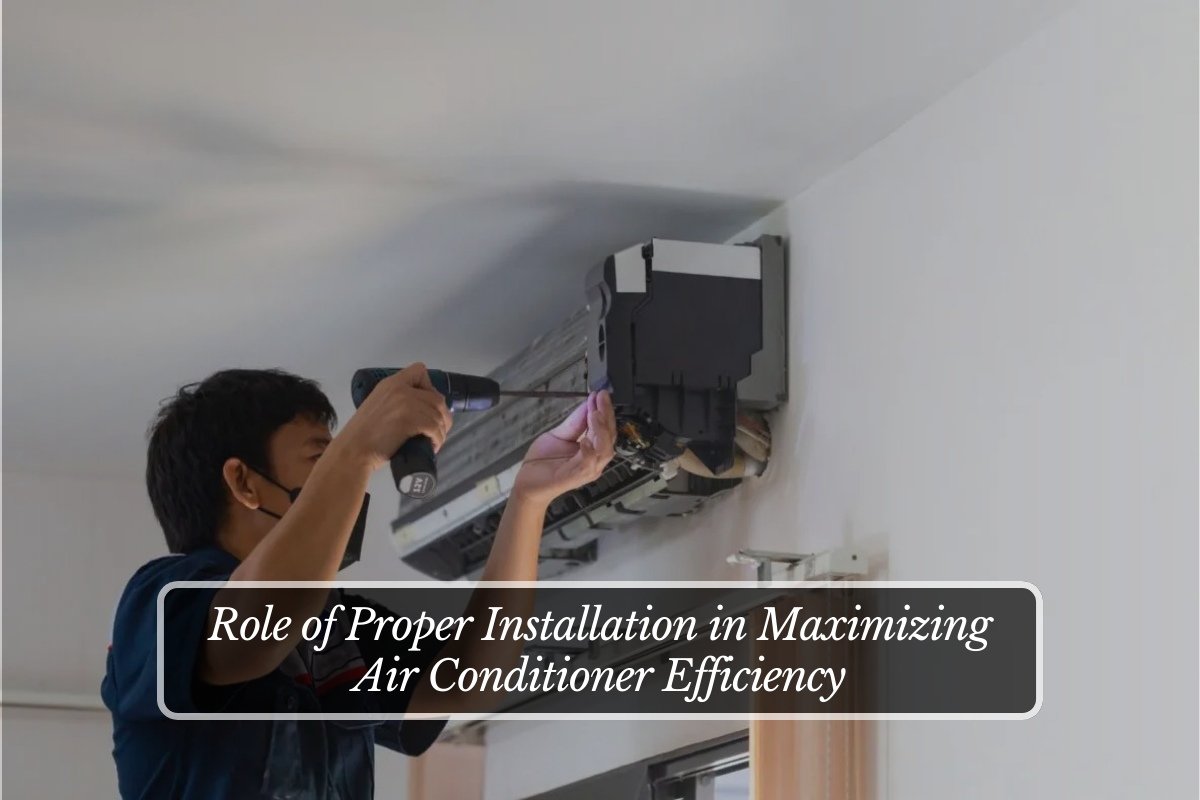
When homeowners think about air conditioner efficiency, they often focus on the unit’s brand, size, or energy rating. While these factors matter, one of the most critical—and frequently overlooked—elements is proper installation. Even the most advanced, high-efficiency air conditioning system cannot perform as intended if it is incorrectly installed. Proper installation directly affects energy consumption, comfort, system lifespan, and long-term operating costs.
Why Installation Matters More Than Many Realize
Air conditioners are engineered to operate under specific conditions. Incorrect installation disrupts these conditions, forcing the system to work harder to deliver the same level of cooling. Studies consistently show that poor installation can reduce system efficiency by 20–30%, negating the benefits of even the most energy-efficient equipment.
Proper installation ensures that the system operates as designed, delivering optimal airflow, balanced cooling, and reliable performance throughout its lifespan.
Correct System Sizing and Load Calculation
One of the most important aspects of installation is selecting the correct system size. This process involves performing a detailed load calculation that considers:
- Home size and layout
- Insulation quality
- Window placement and orientation
- Local climate conditions
- Occupancy and usage patterns
An oversized system cools the home too quickly, leading to short cycling, increased wear, higher humidity, and wasted energy. An undersized system struggles to maintain comfort and runs continuously, driving up energy costs and shortening equipment life. Proper sizing ensures efficient operation and consistent indoor comfort.
Ductwork Design and Airflow Balance
Even a perfectly sized and efficient air conditioner will underperform if the ductwork is poorly designed or installed. Leaky, undersized, or improperly sealed ducts can lose a significant amount of cooled air before it ever reaches living spaces.
Proper installation includes:
- Sealing duct joints to prevent air leakage
- Ensuring correct duct sizing for airflow demands
- Balancing airflow to different rooms
Well-installed ductwork allows the system to distribute air evenly, reducing strain on the unit and improving overall efficiency.
Refrigerant Charging and System Calibration
Refrigerant levels play a crucial role in cooling performance. Too little or too much refrigerant forces the compressor to work harder, increasing energy use and the risk of failure.
During professional installation, technicians precisely charge the system according to manufacturer specifications and calibrate controls for optimal operation. This fine-tuning ensures the air conditioner achieves maximum efficiency and maintains stable performance during peak demand.
Electrical Connections and Safety Considerations
Improper electrical installation can lead to voltage imbalances, inefficient operation, and safety hazards. Loose or incorrect wiring may cause frequent shutdowns, component damage, or even system failure.
A proper installation includes:
- Correct electrical sizing and grounding
- Secure, code-compliant connections
- Verification of voltage and amperage levels
These steps protect both the system and the home while ensuring efficient, uninterrupted operation.
Thermostat Placement and Control Accuracy
The thermostat acts as the command center for the air conditioning system. Incorrect placement—such as near windows, appliances, or direct sunlight—can cause inaccurate temperature readings and inefficient cycling.
Professional installers ensure the thermostat is positioned for accurate sensing and properly programmed. This improves temperature consistency, reduces unnecessary run time, and enhances energy efficiency.
Impact on Energy Bills and Operating Costs
When installed correctly, an air conditioner operates closer to its rated efficiency, reducing energy consumption and monthly utility costs. Systems that meet ENERGY STAR performance expectations rely heavily on professional installation to achieve advertised savings.
Over time, lower energy bills and reduced repair needs often offset the higher upfront cost of professional installation, making it a financially sound investment.
Longevity and Reduced Repair Frequency
Poor installation increases mechanical stress on components such as compressors, fans, and motors. This stress accelerates wear and leads to frequent breakdowns.
Proper installation minimizes strain, promotes smooth operation, and extends system lifespan. Homeowners benefit from fewer repairs, longer equipment life, and greater reliability during peak cooling seasons.
Warranty Protection and Manufacturer Requirements
Most manufacturers require professional installation for warranty coverage to remain valid. Improper installation can void warranties, leaving homeowners responsible for costly repairs or replacements.
Documented professional installation ensures compliance with manufacturer guidelines and protects the investment for years to come.
Frequently Asked Questions (FAQ)
Q. Can a high-efficiency AC still be inefficient if installed incorrectly?
Yes. Poor installation can significantly reduce efficiency, regardless of the unit’s energy rating.
Q. How do I know if my air conditioner was installed properly?
Signs of improper installation include uneven cooling, high energy bills, frequent cycling, excessive noise, and recurring repairs.
Q. Is professional installation worth the extra cost?
Absolutely. Professional installation improves efficiency, lowers long-term costs, and protects warranties.
Q. Does ductwork affect AC efficiency?
Yes. Leaky or poorly designed ducts can waste a large percentage of cooled air, reducing overall efficiency.
Q. Can improper installation shorten system lifespan?
Yes. Increased strain from poor installation leads to faster wear and premature failure.
Proper installation is the foundation of air conditioner efficiency. From correct sizing and airflow to precise calibration and safety compliance, installation quality determines how well a system performs throughout its life. Investing in professional, properly executed installation ensures lower energy bills, greater comfort, fewer repairs, and maximum return on your cooling system investment.