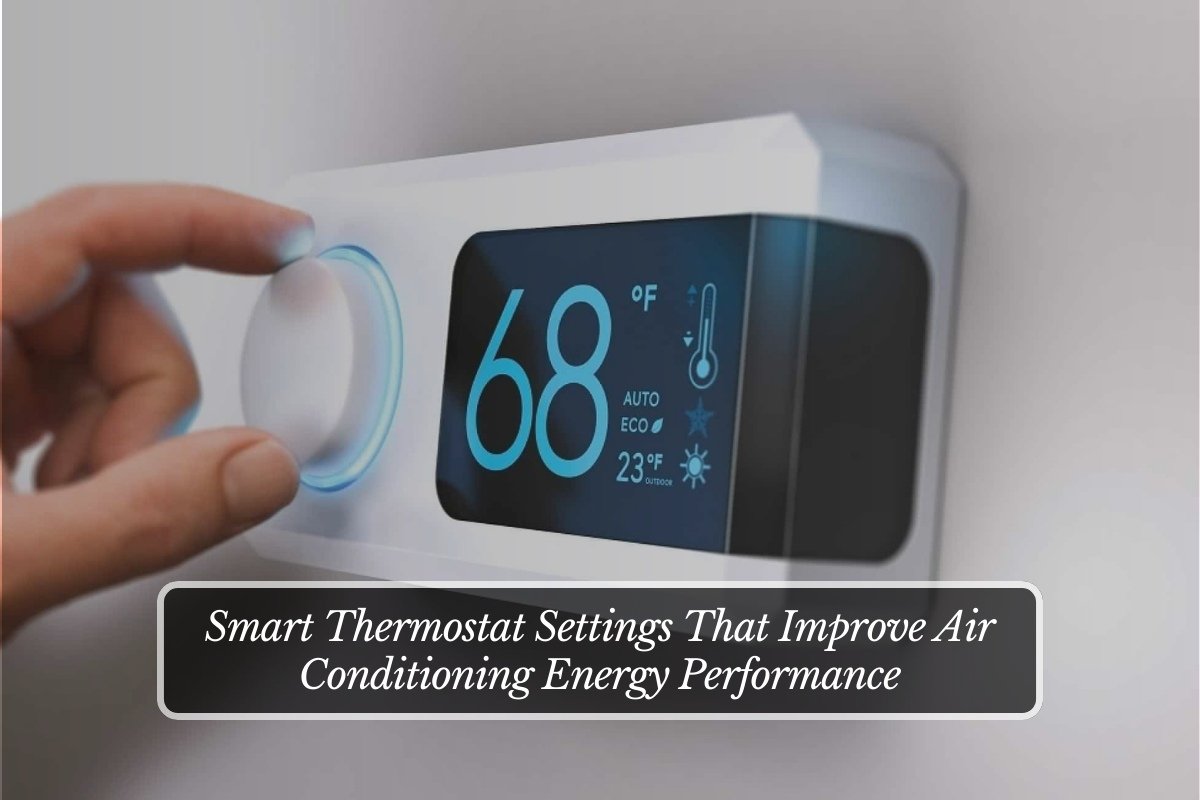
Smart thermostat settings optimize air conditioning energy performance by automating adjustments based on occupancy, weather, and habits, potentially saving 10-30% on bills in India’s hot climates. Features like learning algorithms and geofencing ensure cooling only when needed, reducing runtime while maintaining comfort at efficient setpoints like 24-26°C.
Optimal Temperature Schedules
Set base temperatures to 24-26°C during occupancy for Indian summers—BEE recommends 24°C, balancing comfort and efficiency with fans for perceived cooling equivalent to 20°C. Program schedules: 26-28°C overnight (sleep mode saves 10-15%), 28-30°C when away (away mode cuts 20-29% energy per studies raising from 22°C to 25°C).
Daytime (home): 25°C; evenings: 24°C. Gradual ramps—1-2°C/hour—prevent compressor overwork; avoid drops over 3°C at once. Weekly tweaks for weekends; vacation mode at 30°C+ preserves units.
Leveraging Learning and Adaptive Modes
Adaptive learning analyzes patterns—wakeup, departures, returns—to auto-create schedules, saving 8% via optimized profiles without manual input. Eco mode selects energy-efficient temps during low activity; enable for 15-20% seasonal reductions.
Link to weather APIs for preemptive adjustments (e.g., precool before peaks); humidity sensors trigger dry mode in monsoons, dehumidifying without full cooling. Monthly reviews refine via usage reports, identifying peaks for further tweaks.
Geofencing and Occupancy Detection
Geofencing uses phone GPS for virtual boundaries (0.25-0.5 miles): away mode at 28-30°C when leaving, ramps to 24°C 30 mins pre-arrival. Motion sensors detect internal presence, overriding for empty homes—savings up to 20% by limiting runtime.
Multi-user setup averages locations; integrate with security for true vacancy. In multi-room setups, zoning prioritizes occupied areas.
Advanced Features for Peak Efficiency
Remote control via apps overrides manually; voice integration (Alexa/Google) enables quick eco shifts. Standby modes enter low-power when idle; IFTTT automates with lights/doors.
Precision sensors monitor room variations/humidity for micro-adjusts; predictive analytics forecast loads from weather/history. For inverters, pair with “auto” modes avoiding constant highs.
Sample Daily Schedule for Indian Homes
| Time | Setting | Feature | Savings |
|---|---|---|---|
| 6-9 AM | 25°C | Wake-up ramp | 5-10% |
| 9 AM-6 PM | 28-30°C | Geofencing away | 20-25% |
| 6-10 PM | 24°C | Home comfort | Baseline |
| 10 PM-6 AM | 26-28°C | Sleep + fan | 10-15% |
Integration and Monitoring Tips
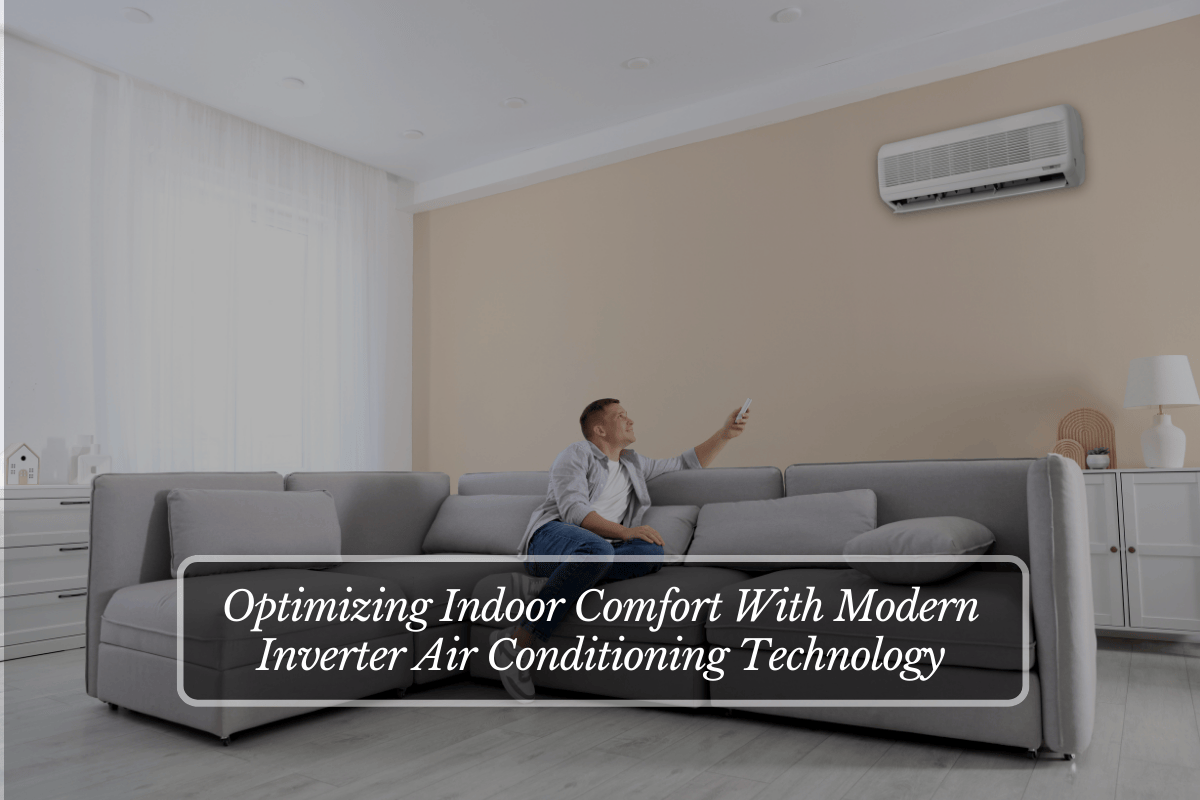
Pair with compatible ACs (Wi-Fi/inverter); apps track kWh, comparing pre/post-install (expect 10-15% drops). Monthly audits: adjust for seasons (higher winter setpoints), set alerts for extremes. ENERGY STAR models ensure quick standby.
Frequently Asked Questions (FAQ)
1. What’s the ideal AC setpoint for energy savings in India?
24-26°C occupied, 28-30°C away—BEE standard; each 1°C rise saves 6%.
2. How much can geofencing save?
15-25% by auto-switching away modes based on location/motion.
3. Do learning thermostats need manual setup?
Minimal—observe 1-2 weeks, then auto-optimize; review reports quarterly.
4. Can they work with non-smart ACs?
Yes, via IR controllers like Sensibo; full integration best with Wi-Fi ACs.
5. What’s the ROI on smart thermostats?
Pays back in 1-2 years via 10-30% savings; longer lifespan from reduced cycles.