Air conditioning systems play a vital role in maintaining indoor comfort, especially during warm weather. One of the simplest yet most effective maintenance practices for improving cooling performance is regular filter replacement. Air filters are responsible for trapping dust, pollen, and other airborne particles before they enter the HVAC system.
Over time, these filters can become clogged, restricting airflow and forcing the system to work harder. By replacing filters regularly, homeowners and facility managers can significantly improve cooling efficiency, maintain indoor air quality, and extend the lifespan of their air conditioning systems.
The Role of Air Filters in Cooling Systems
Air filters are essential components of heating, ventilation, and air conditioning (HVAC) systems. They serve as the first line of defense against dust and contaminants entering the system.
The main functions of air filters include:
- Capturing dust, pollen, and airborne particles
- Preventing debris from reaching internal components
- Maintaining consistent airflow throughout the system
- Supporting healthier indoor air quality
When filters function properly, the cooling system can operate efficiently and deliver consistent airflow to indoor spaces.
How Dirty Filters Affect Cooling Performance
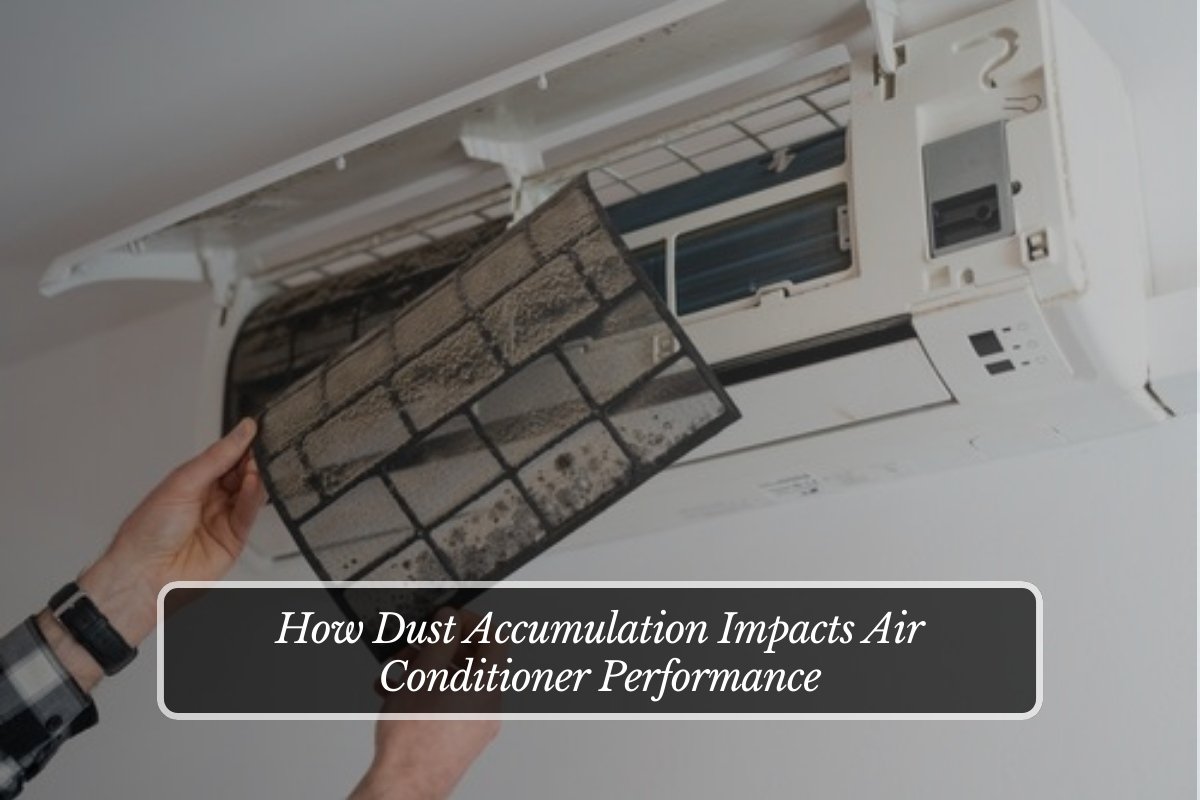
Over time, air filters accumulate dust and debris. When this buildup becomes excessive, it creates resistance in the airflow path, making it difficult for the cooling system to circulate air.
Common effects of clogged air filters include:
- Reduced airflow through the system
- Increased energy consumption
- Uneven cooling throughout rooms
- Overheating of HVAC components
- Increased wear and tear on the system
These issues can significantly reduce cooling output and may lead to costly repairs if not addressed promptly.
Impact of Filter Replacement on Cooling Efficiency
Regular filter replacement ensures that air can flow freely through the HVAC system. This simple maintenance task can dramatically improve system efficiency.
| Condition of Air Filter | Effect on Airflow | Impact on Cooling |
|---|---|---|
| Clean Filter | Smooth and unrestricted airflow | Efficient and consistent cooling |
| Partially Clogged Filter | Reduced airflow | Moderate cooling performance |
| Severely Clogged Filter | Restricted airflow | Poor cooling output and higher energy use |
Replacing filters at recommended intervals helps maintain optimal airflow and cooling capacity.
Benefits of Regular Filter Replacement
Replacing air filters regularly provides several advantages that directly improve cooling performance and overall HVAC system health.
Improved Cooling Output
Clean filters allow air to move freely through the system, enabling the air conditioner to cool rooms more effectively and quickly.
Lower Energy Consumption
When airflow is unrestricted, the system does not need to work as hard to cool the space. This reduces energy usage and lowers electricity costs.
Better Indoor Air Quality
Fresh filters capture dust, allergens, and pollutants more effectively, helping maintain cleaner indoor air.
Extended HVAC Lifespan
Reducing strain on the system prevents premature wear on components such as fans, compressors, and coils.
Reduced Maintenance Costs
Regular filter replacement helps prevent system breakdowns and costly repairs caused by airflow restrictions.
Recommended Filter Replacement Schedule
The frequency of filter replacement depends on several factors, including filter type, household conditions, and system usage.
General recommendations include:
- Every 1–2 months: Homes with pets or high dust levels
- Every 2–3 months: Average households with moderate system use
- Every 3–6 months: Homes with minimal HVAC usage
Checking filters regularly ensures they are replaced before becoming severely clogged.
Types of Air Filters Used in Cooling Systems
Different types of air filters are available for HVAC systems, each offering varying levels of filtration and durability.
| Filter Type | Features | Typical Usage |
|---|---|---|
| Fiberglass Filters | Basic filtration, affordable | Light residential use |
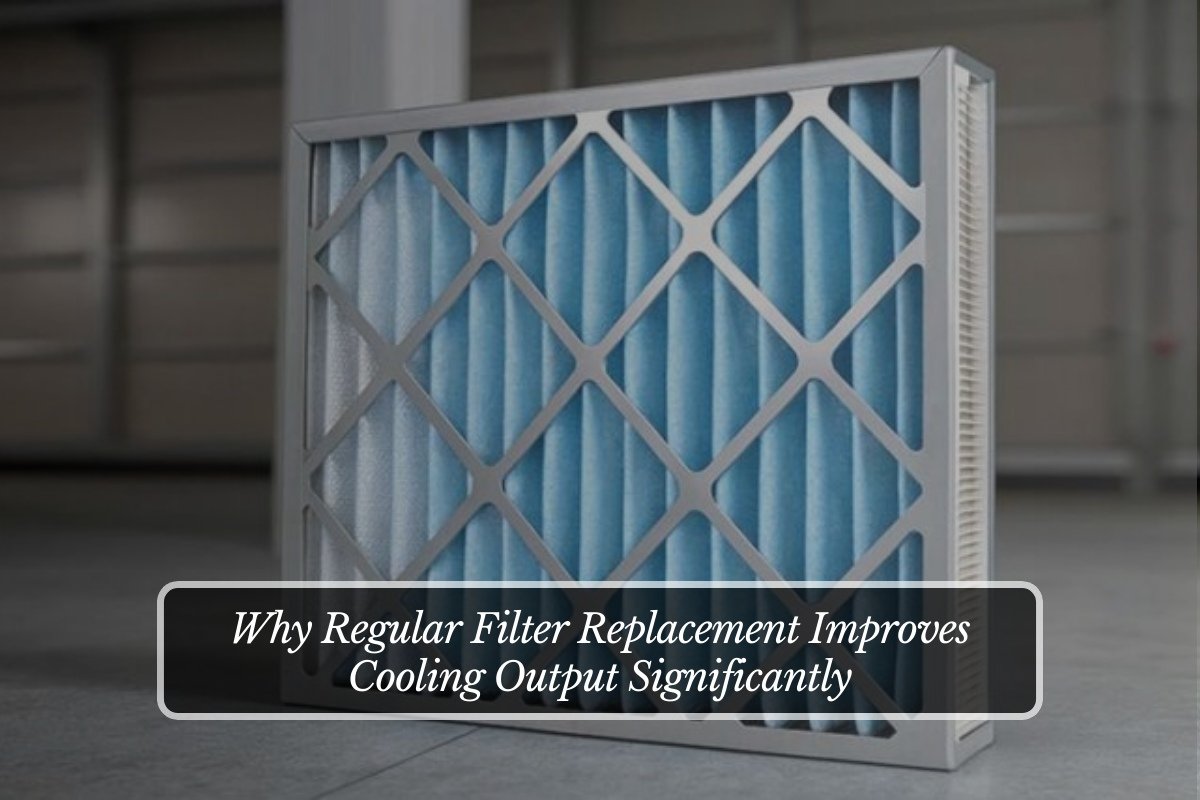
| Pleated Filters | Improved dust and allergen capture | Common in homes and offices |
| HEPA Filters | High-efficiency filtration | Hospitals and allergy-sensitive environments |
| Washable Filters | Reusable after cleaning | Long-term cost-effective option |
Choosing the right filter type can enhance both system performance and air quality.
Signs That an Air Filter Needs Replacement
Recognizing when a filter needs replacement can help prevent reduced cooling performance.
Common warning signs include:
- Weak airflow from vents
- Increased indoor dust levels
- Higher energy bills without increased usage
- Uneven cooling in different rooms
- Visible dirt or discoloration on the filter
Replacing the filter as soon as these signs appear can restore cooling efficiency.
Additional Maintenance Tips for Better Cooling
While filter replacement is important, other maintenance practices can further improve cooling system performance.
Helpful tips include:
- Cleaning air vents and ducts regularly
- Ensuring outdoor condenser units remain free of debris
- Scheduling annual HVAC system inspections
- Sealing air leaks around doors and windows
- Keeping thermostat settings optimized for efficiency
Combining these practices with regular filter replacement ensures maximum cooling efficiency.
FAQs
How often should HVAC filters be replaced?
Most HVAC filters should be replaced every 2–3 months, although homes with pets or high dust levels may require more frequent replacement.
Can a dirty filter reduce cooling performance?
Yes. A clogged filter restricts airflow, forcing the air conditioner to work harder and reducing overall cooling efficiency.
Does replacing filters reduce electricity bills?
Yes. Clean filters improve airflow and system efficiency, which can reduce energy consumption and lower electricity costs.
What happens if air filters are not replaced regularly?
Neglecting filter replacement can lead to reduced cooling output, increased energy usage, poor air quality, and potential HVAC system damage.
Are reusable air filters effective?
Reusable filters can be effective if cleaned regularly. However, they must be properly maintained to ensure consistent airflow and filtration performance.