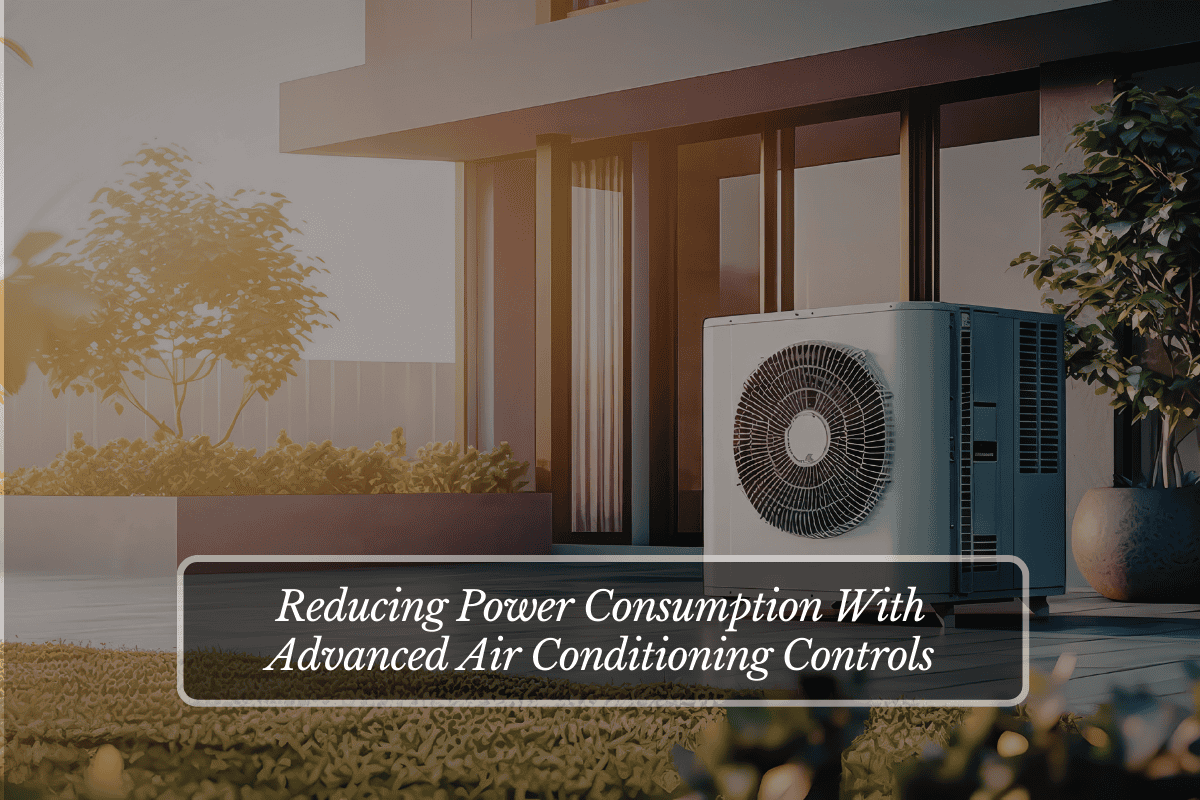
Reducing power consumption with advanced air conditioning controls offers U.S. homeowners and businesses significant energy savings amid rising electricity costs. Smart systems like demand-controlled ventilation (DCV) and multi-speed fans can cut HVAC usage by 24-35%, depending on climate and building type.
Smart Thermostat Basics
Programmable and Wi-Fi thermostats learn occupancy patterns, adjusting temperatures automatically—setbacks of 7-10°F for 8 hours save 10% yearly. Models like Nest or Ecobee use geofencing to cool only when residents arrive, reducing runtime by 15-20%. Integrate with apps for remote tweaks, prioritizing efficiency during peak rates.
Zoning and Occupancy Sensors
Divide homes into zones with dampers in ductwork, cooling only occupied rooms via motion or CO2 sensors. Occupancy-based controls slash energy 20-30% in large spaces by varying airflow. Wireless IoT sensors provide real-time data, enabling precise adjustments without rewiring.
Demand-Controlled Ventilation
DCV modulates fresh air based on CO2 levels, not fixed timers—critical for variable occupancy like offices. Paired with economizers, it yields 10-35% savings, dominating in heating-heavy climates. Enthalpy sensors differentiate humidity from temperature for optimal free cooling.
Variable Speed Technology
Multi-speed or ECM fans run at low speeds most times, using 60-75% less electricity than single-speed units. Two-stage compressors match load precisely, cutting cycles and peaks by 9% in hot areas. VRF systems zone multi-room cooling with 40% efficiency gains over central AC.
Building Management Integration
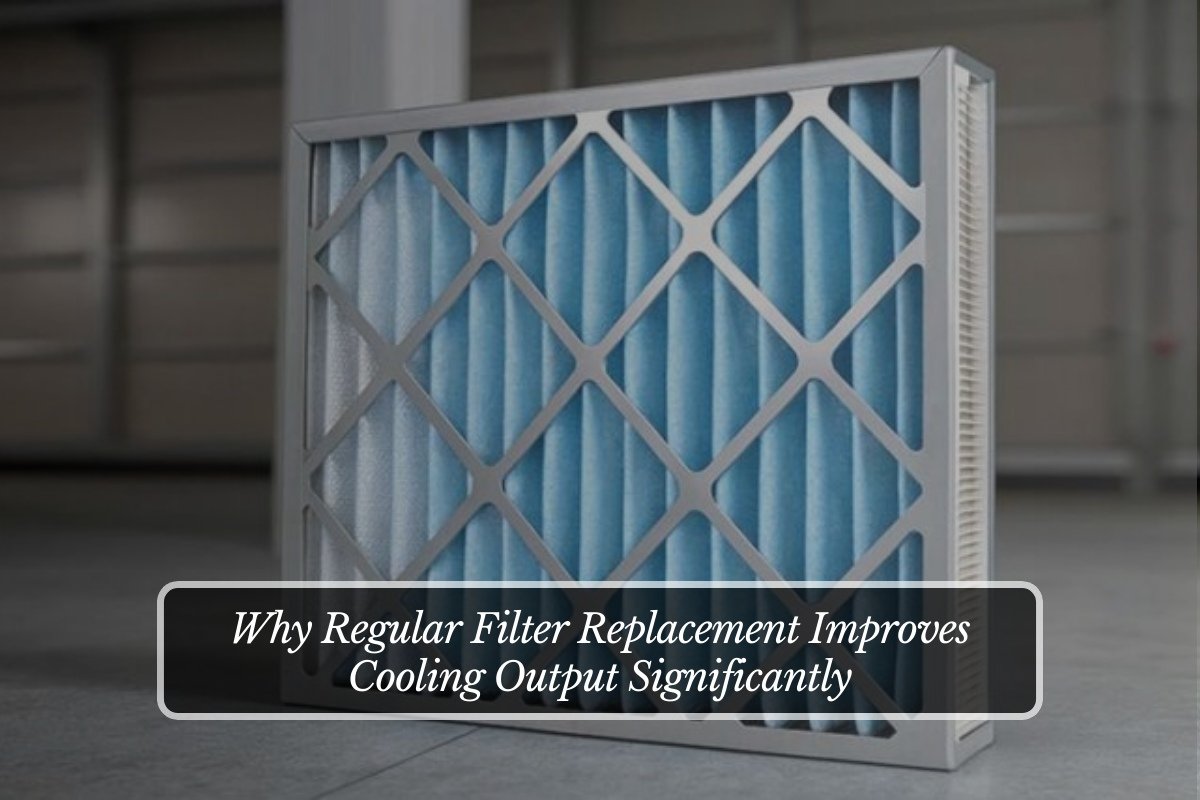
BMS platforms unify controls, using AI for predictive maintenance—fault detection prevents 15% waste from issues like dirty filters. Open protocols like BACnet ensure scalability; submetering tracks zone usage for targeted tweaks.
Retrofit Strategies
Upgrade existing units with aftermarket controllers: add economizers ($1,500-3,000) for 28% savings in retail strips. LED demand boards signal full/partial loads. ROI hits 2-4 years via utility rebates under ENERGY STAR.
Maintenance matters: annual tune-ups plus software updates sustain 85% peak efficiency.
Real-World Savings Examples
Small offices see 38-67% HVAC cost drops with full retrofits across 15 U.S. climates. Supermarkets average 28-55%, equivalent to powering fewer coal plants nationwide. Smart homes report 30% bills cuts via combined zoning and learning thermostats.
Long-Term Benefits
Advanced controls extend equipment life 20-30%, lower emissions, and qualify for IRA incentives up to $8,000. They adapt to 2026 grid demands, stabilizing peaks.
FAQs
1. Biggest single saver?
Multi-speed fans and DCV, up to 35% combined.
2. Zoning retrofit cost?
$2,000-5,000, pays back in 3 years via 20-30% cuts.
3. Thermostat savings?
10-20% from learning schedules and geofencing.
4. VRF for homes?
Yes, 40% efficiency over central in multi-zone setups.
5. Payback timeline?
2-4 years with rebates; 85% sustained efficiency.