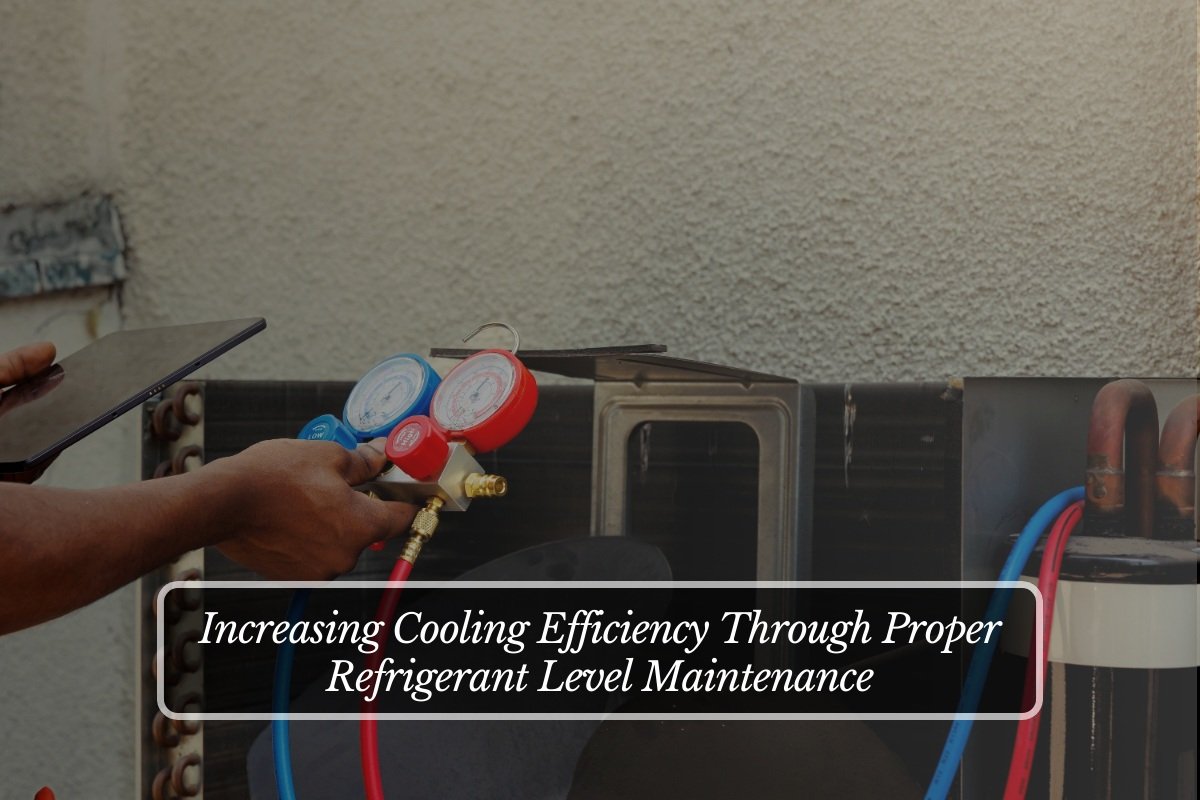
Refrigerant is the lifeblood of an air conditioning system. It is responsible for absorbing heat from the indoor air and releasing it outside, ensuring your space remains cool and comfortable. However, improper refrigerant levels, whether too high or too low, can severely impact the performance of your cooling system. Proper refrigerant level maintenance is crucial for maintaining the efficiency, longevity, and overall performance of your air conditioner.
The Role of Refrigerant in Air Conditioners
Refrigerant is a substance that undergoes a phase change as it absorbs and releases heat. In a typical air conditioning system, refrigerant cycles between gas and liquid forms within the evaporator and condenser coils, carrying heat away from the air in your home.
| Refrigerant Function | Explanation |
|---|---|
| Absorbing Heat | The refrigerant absorbs heat from indoor air via the evaporator coil. |
| Releasing Heat | It releases the absorbed heat outside through the condenser coil. |
| Cooling Process | As the refrigerant evaporates and condenses, it facilitates the cooling of the indoor space. |
When the refrigerant is at the correct level, it enables the system to operate efficiently. If the refrigerant level is off, the system struggles to achieve the desired temperature, resulting in poor performance and increased energy consumption.
The Impact of Low Refrigerant Levels
Low refrigerant levels are the most common issue affecting air conditioning efficiency. When refrigerant is insufficient, it directly impacts the system’s ability to cool the air effectively. Here’s how low refrigerant levels can affect your AC unit:
- Reduced Cooling Capacity: If there’s not enough refrigerant, the system cannot absorb enough heat from the indoor air, resulting in poor cooling performance.
- Increased Energy Consumption: The AC will work harder to compensate for the lack of refrigerant, leading to higher electricity bills.
- Frozen Coils: Low refrigerant levels can cause the evaporator coil to freeze because the reduced refrigerant flow prevents the coil from reaching the necessary temperature to facilitate heat exchange.
- Compressor Damage: Running an AC with low refrigerant can cause the compressor to overheat and fail prematurely, leading to expensive repairs.
The Impact of High Refrigerant Levels
While low refrigerant levels are often discussed, it’s equally important to monitor for high refrigerant levels, which can also disrupt cooling efficiency.
- Increased Pressure: Too much refrigerant causes the system to operate under excessive pressure. This can lead to damage in the compressor and other components.
- Reduced Efficiency: A system with excess refrigerant may struggle to perform optimally, reducing cooling efficiency and increasing energy consumption.
- Potential Leaks: Overcharging can cause the refrigerant to leak, resulting in the need for additional top-ups and causing further system instability.
Benefits of Proper Refrigerant Level Maintenance
Maintaining the correct refrigerant level ensures that your air conditioning system operates at peak performance. Below are the key benefits:
1. Enhanced Cooling Efficiency
Proper refrigerant levels enable your AC unit to absorb and release heat more effectively. As a result, the system cools your space more quickly and efficiently, reducing the time it takes to achieve the desired indoor temperature.
- Faster Cooling: With the correct amount of refrigerant, the system can efficiently remove heat, providing quicker cooling.
- Consistent Performance: A well-maintained refrigerant level ensures that the system doesn’t lose its cooling power over time.
2. Lower Energy Bills
When your air conditioning system is properly charged, it doesn’t have to overwork to meet the set temperature. As a result, it uses less energy, leading to reduced electricity consumption and lower energy bills.
- Energy Efficiency: Proper refrigerant levels allow the AC unit to run at optimal efficiency, cutting energy waste.
- Cost Savings: By reducing energy consumption, maintaining the correct refrigerant level can save you money in the long term.
3. Prolonged Lifespan of the AC Unit
An air conditioning unit that runs with low or high refrigerant levels is at a higher risk of experiencing problems, including compressor damage or coil freezing. Ensuring the refrigerant level is optimal reduces stress on the system, leading to fewer breakdowns and an extended lifespan.
- Fewer Repairs: Regular refrigerant maintenance prevents issues that may require costly repairs, such as compressor failure.
- Increased Longevity: Maintaining the correct refrigerant level reduces the wear and tear on system components, helping the AC last longer.
4. Avoid Expensive Repairs
Maintaining the correct refrigerant level helps you avoid expensive repairs caused by improper cooling. Running your unit with improper refrigerant levels can lead to permanent damage to critical components such as the compressor, coils, and condenser.
- Fewer Component Failures: With proper refrigerant levels, the unit operates efficiently and is less likely to experience failures.
- Lower Repair Costs: By preventing damage, regular refrigerant maintenance keeps repair costs low.
How to Maintain Proper Refrigerant Levels
Proper refrigerant maintenance requires a systematic approach. Here are the steps you can take to ensure the refrigerant levels in your air conditioner are always maintained:
1. Regularly Inspect the System
Even if there are no obvious signs of low refrigerant, having your air conditioner professionally inspected on a regular basis is essential. Technicians will check the refrigerant levels and look for any potential leaks.
- Frequency: It’s recommended to schedule an inspection at least once a year before the cooling season begins.
2. Look for Signs of Low Refrigerant
Some signs that your air conditioner may be low on refrigerant include:
- Warm air blowing from vents even when the AC is running.
- Ice formation on the evaporator coil.
- High energy bills due to the system working harder than necessary.
3. Fix Leaks Immediately
If a leak is found in your system, it’s crucial to repair it immediately. A refrigerant leak can cause your AC to lose coolant, which can lead to low refrigerant levels and impact performance.
- Professional Repair: Only qualified technicians should repair refrigerant leaks to ensure proper sealing and recharging of the system.
4. Recharging Refrigerant
If your system is low on refrigerant, it may need to be recharged. This should be done by a certified technician who will add the correct amount of refrigerant based on the manufacturer’s specifications.
- Don’t Overcharge: Adding too much refrigerant can cause the system to malfunction and reduce efficiency, so always rely on a professional for recharging.
FAQs
Q. How often should refrigerant levels be checked?
It is recommended to have the refrigerant levels checked annually during a routine maintenance service. However, if your system is showing signs of refrigerant issues, such as poor cooling performance or ice buildup, it may need to be checked sooner.
Q. Can I top up refrigerant myself?
Refrigerant is a regulated substance, and it’s illegal to handle or top up refrigerant yourself without the proper certifications. Always hire a licensed HVAC technician to recharge your system.
Q. What happens if I continue using my AC with low refrigerant?
Using your air conditioner with low refrigerant can cause several issues, such as reduced cooling efficiency, frozen coils, and compressor damage. It’s best to address refrigerant issues as soon as they arise.
Q. How can I tell if my AC unit has too much refrigerant?
Signs of excess refrigerant include higher-than-usual pressure within the system, reduced cooling efficiency, and frequent breakdowns. If you suspect your system is overcharged, call a professional technician for an inspection.