Air conditioning systems rely on multiple components working together to deliver consistent cooling. Among these, the outdoor condenser unit plays a critical role in releasing heat absorbed from indoor air. When condenser coils become clogged with dirt, dust, and debris, system efficiency drops significantly. Keeping condenser units clean is one of the simplest yet most effective ways to boost air conditioning performance.
Understanding the Role of the Condenser Unit
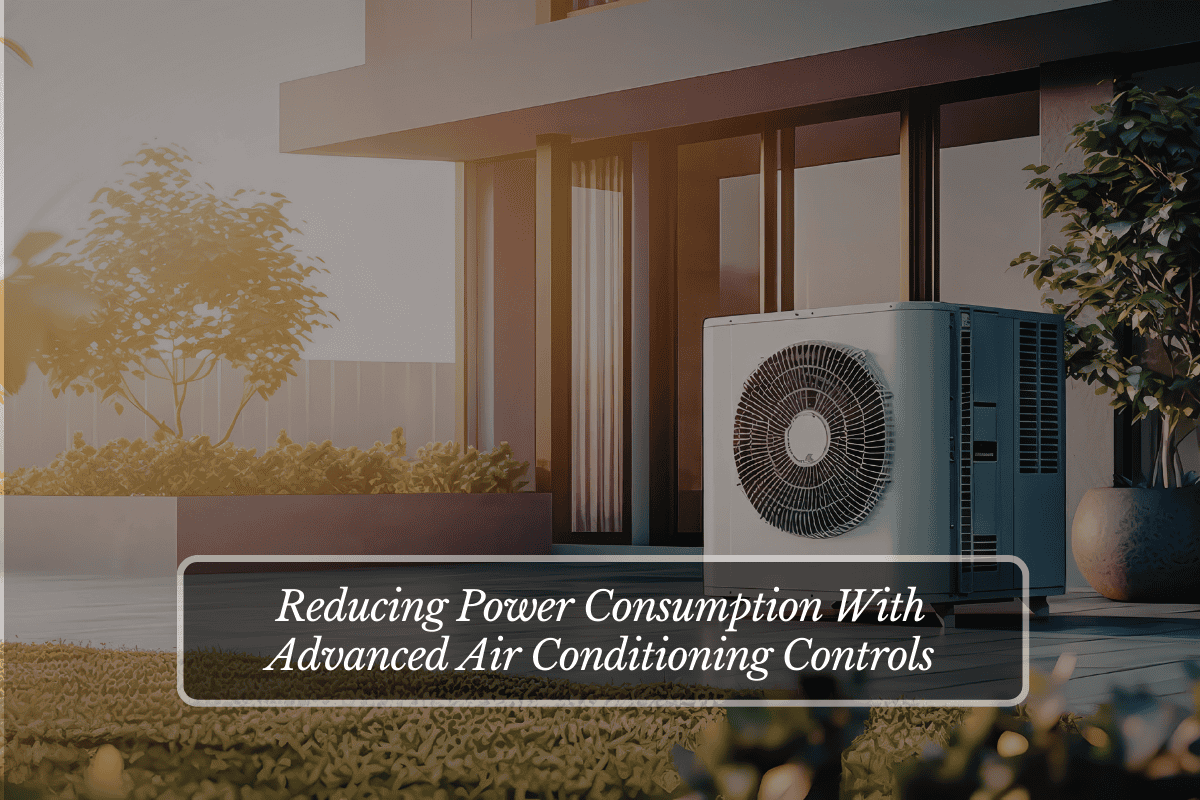
The condenser unit is typically located outside the building and is responsible for releasing heat extracted from indoor spaces. It contains:
- Condenser coils
- Compressor
- Fan motor
- Fins for heat dissipation
The refrigerant absorbs heat indoors and travels to the condenser coils, where it releases that heat into the outside air. For this process to work efficiently, airflow around the coils must remain unrestricted.
How Dirt and Debris Affect Performance
Over time, outdoor units accumulate:
- Dust and pollen
- Leaves and grass clippings
- Pollution buildup
- Insects and organic debris
When condenser coils are covered with dirt, heat transfer efficiency declines. The system must work harder to expel heat, leading to reduced cooling capacity and higher energy usage.
Impact of Dirty Condenser Coils
| Issue | Resulting Effect |
|---|---|
| Restricted airflow | Poor heat release |
| Increased compressor strain | Higher energy consumption |
| Overheating | System wear and tear |
| Longer cooling cycles | Reduced efficiency |
| Higher utility bills | Increased operating costs |
Even a thin layer of grime can significantly impact performance.
Benefits of Keeping Condenser Units Clean
Regular cleaning offers multiple performance advantages.
1. Improved Heat Transfer Efficiency
Clean coils allow heat to dissipate quickly and effectively. This ensures the refrigerant cools properly before returning indoors to absorb more heat.
2. Reduced Energy Consumption
When airflow is unobstructed, the compressor operates under less stress. This reduces power usage and lowers electricity bills.
3. Faster Cooling Cycles
An efficient condenser shortens cooling cycles, allowing the system to reach the desired temperature more quickly.
4. Extended Equipment Lifespan
Reduced strain on components minimizes wear and tear, extending the life of the compressor and fan motor.
5. Lower Risk of Breakdowns
Accumulated dirt can cause overheating, leading to system shutdowns or costly repairs. Cleaning reduces the likelihood of unexpected failures.
Signs Your Condenser Unit Needs Cleaning
Property owners should watch for warning signs, including:
- AC running longer than usual
- Warm air blowing from vents
- Increased energy bills
- Noticeable debris around the outdoor unit
- Unusual noises from the compressor
Regular inspection helps detect buildup before performance declines severely.
Recommended Cleaning Frequency
Cleaning schedules depend on location and environmental factors.
General Guidelines:
- Residential units: At least once per year
- Areas with heavy dust or foliage: Twice per year
- Commercial systems: Quarterly inspections recommended
Homes near construction sites, highways, or wooded areas may require more frequent cleaning.
Professional Cleaning vs. DIY Maintenance
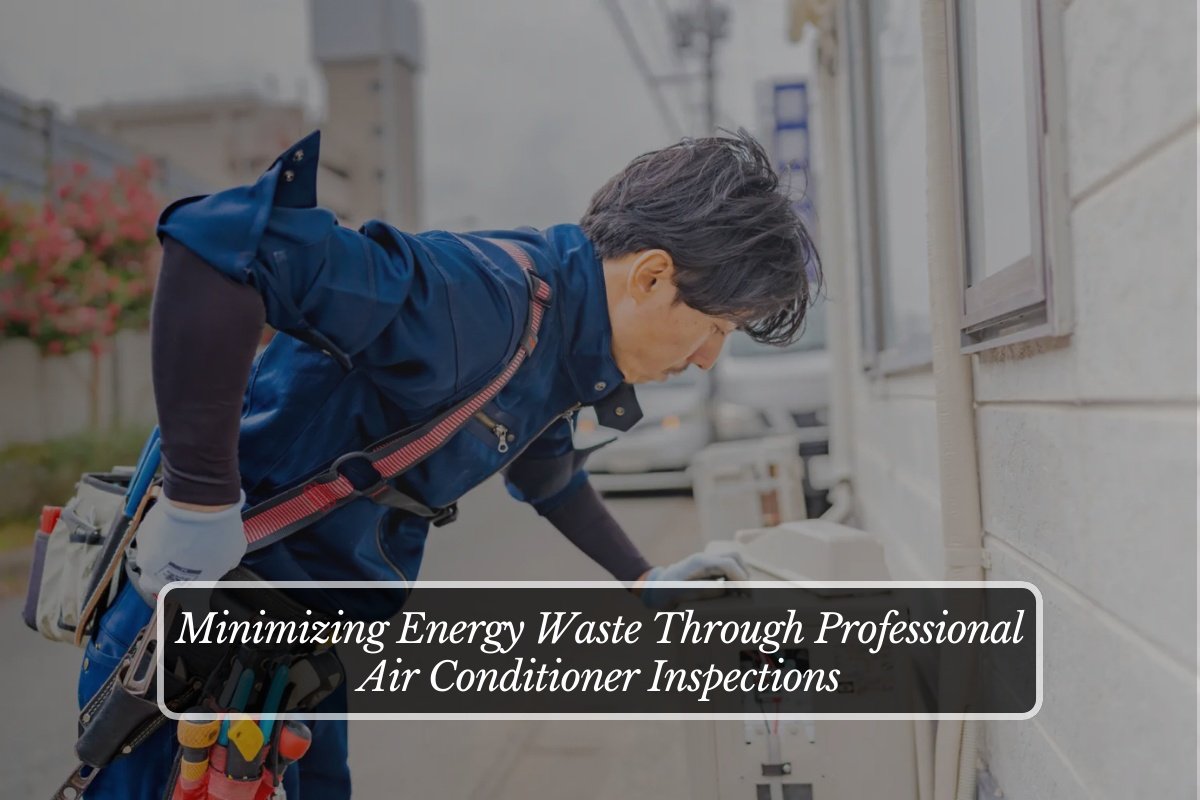
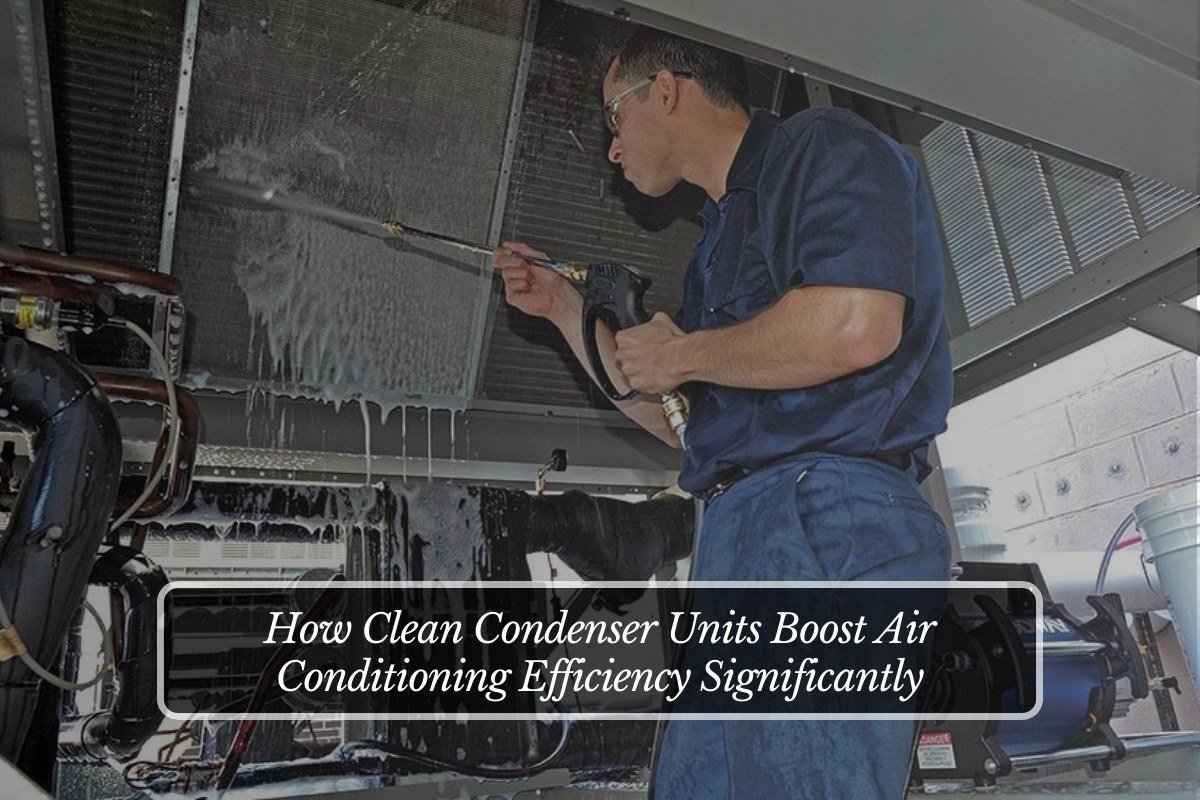
While light debris removal can be done by homeowners, professional servicing provides deeper cleaning.
DIY Maintenance Includes:
- Removing leaves and debris around the unit
- Gently rinsing exterior fins
- Ensuring proper clearance (at least 2 feet around unit)
Professional Cleaning Involves:
- Safe disassembly of protective panels
- Deep coil cleaning with specialized solutions
- Inspection of refrigerant levels
- Checking electrical connections
- Testing overall system performance
Professional maintenance ensures thorough cleaning without damaging delicate fins or components.
Preventive Measures for Long-Term Efficiency
In addition to regular cleaning, consider:
- Installing protective covers (seasonal use only)
- Maintaining proper landscaping clearance
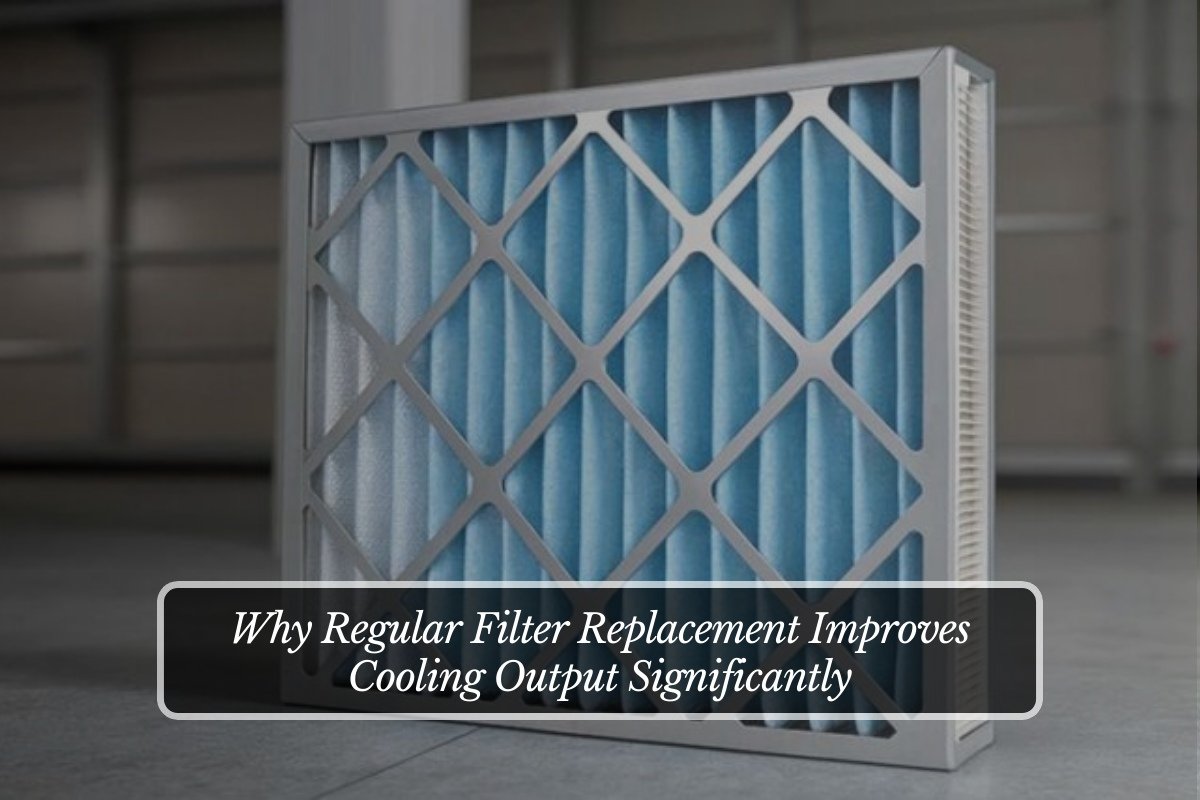
- Replacing air filters regularly
- Scheduling annual HVAC inspections
Preventive care supports consistent system performance year-round.
Energy and Cost Savings Over Time
A clean condenser unit can improve system efficiency by up to 10–20% depending on the level of buildup. Improved efficiency means:
- Lower monthly energy bills
- Reduced carbon footprint
- Fewer repair expenses
- Longer system lifespan
Small maintenance efforts result in substantial long-term savings. Clean condenser units are essential for maximizing air conditioning efficiency. By ensuring unrestricted airflow and optimal heat transfer, regular cleaning reduces energy consumption, improves cooling performance, and extends equipment life. Whether through routine homeowner maintenance or professional servicing, keeping the condenser unit clean is a simple yet highly effective strategy for maintaining reliable and cost-efficient cooling.
FAQs
How often should condenser coils be cleaned?
At least once a year, though dusty environments may require more frequent cleaning.
Can dirty condenser coils increase electricity bills?
Yes, restricted airflow forces the system to work harder, increasing energy consumption.
Is it safe to clean the condenser unit myself?
Basic cleaning is safe, but deep cleaning and inspections are best handled by professionals.
Does cleaning the condenser improve cooling speed?
Yes, improved heat transfer allows the system to cool spaces more quickly.
What happens if condenser coils are never cleaned?
Neglected coils can cause overheating, reduced efficiency, and eventually compressor failure.