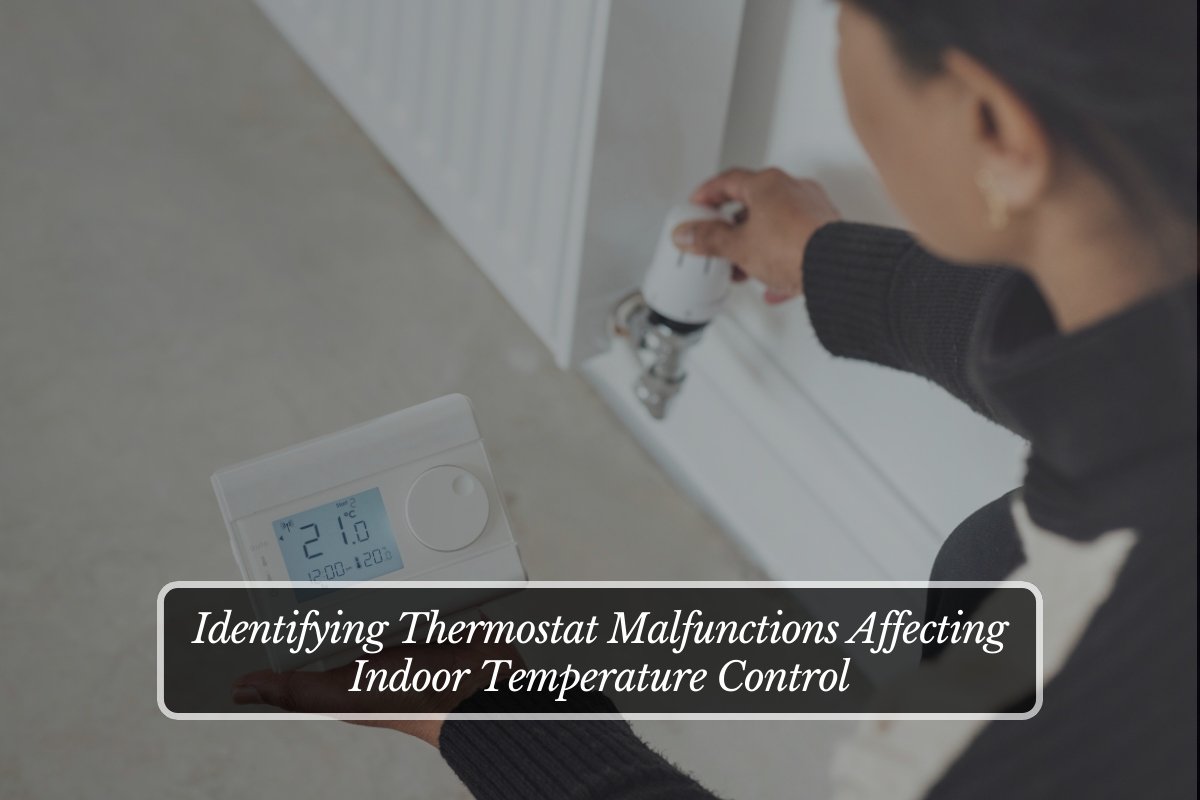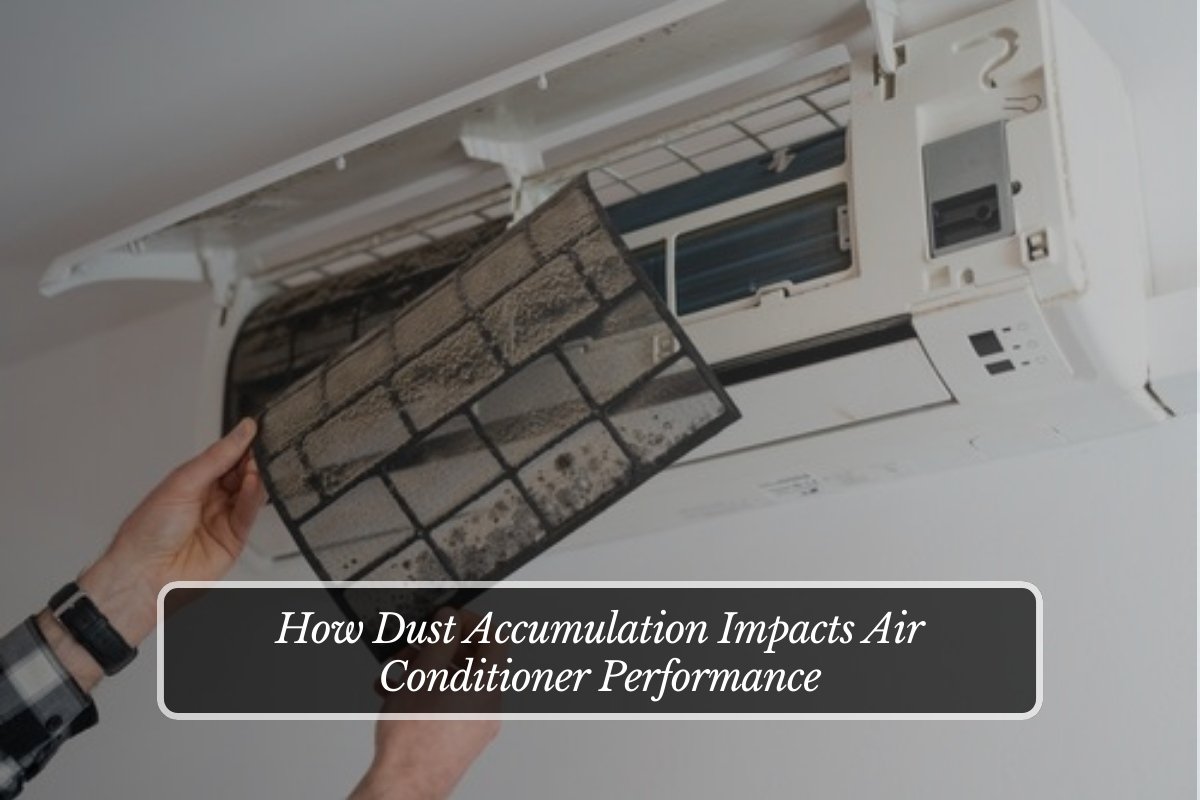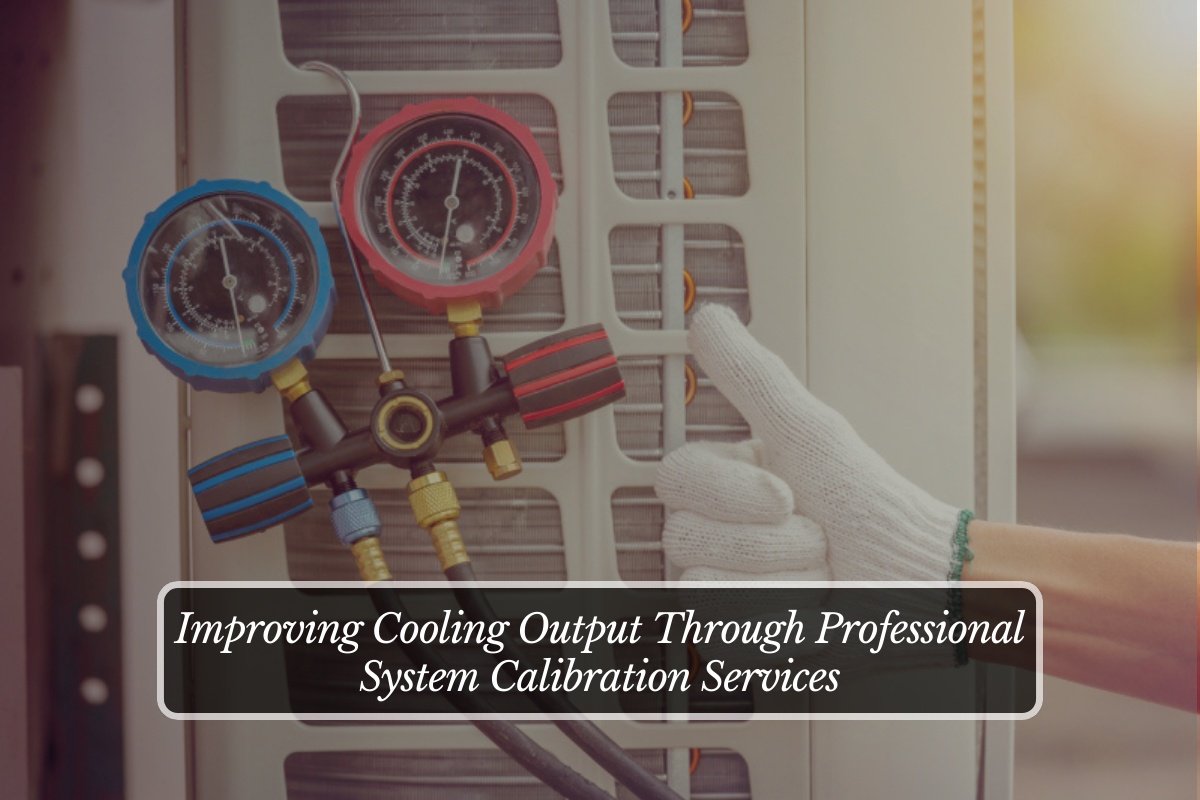
Efficient cooling is essential for comfort, productivity, and equipment performance in residential, commercial, and industrial environments. However, even high-quality air conditioning systems can lose efficiency over time due to improper settings, component wear, or environmental changes. Professional system calibration services help restore and optimize cooling output by fine-tuning system components for peak performance.
What Is System Calibration?
System calibration involves adjusting and synchronizing the key components of a cooling system to ensure optimal operation. Unlike basic maintenance, calibration focuses on precision tuning, measurement accuracy, and performance balancing.
Key Components Typically Calibrated:
- Thermostats
- Temperature sensors
- Refrigerant pressure levels
- Airflow rates
- Control systems
- Compressor performance settings
Accurate calibration ensures the system operates as designed by the manufacturer.
Common Causes of Reduced Cooling Output
Before calibration, it is important to understand why cooling performance may decline.
Typical Issues Include:
- Incorrect thermostat settings
- Refrigerant imbalance
- Airflow restrictions
- Sensor inaccuracies
- Duct leakage
- Poor system synchronization
Even small deviations can significantly impact cooling efficiency and energy consumption.
Benefits of Professional Calibration Services
Professional calibration delivers measurable improvements in system performance.
1. Enhanced Cooling Efficiency
Precise adjustments restore proper airflow and temperature control, resulting in faster and more consistent cooling.
2. Energy Savings
An improperly calibrated system consumes more electricity. Calibration reduces strain on components and lowers energy bills.
3. Extended Equipment Lifespan
Balanced systems experience less mechanical stress, reducing wear and tear on compressors, motors, and fans.
4. Improved Indoor Comfort
Accurate temperature control eliminates hot and cold spots, ensuring consistent indoor conditions.
5. Reduced Repair Costs
Preventative calibration helps detect minor issues before they escalate into major repairs.
Calibration Process Overview
Professional technicians follow a systematic approach to ensure optimal results.
| Calibration Step | Purpose |
|---|---|
| System Inspection | Identify performance gaps |
| Refrigerant Testing | Verify pressure and levels |
| Thermostat Calibration | Ensure temperature accuracy |
| Airflow Measurement | Optimize distribution |
| Control System Adjustment | Synchronize system components |
| Final Performance Testing | Confirm improved output |
Advanced diagnostic tools help technicians measure temperature differentials, airflow volume, and pressure levels with precision.
Signs Your System Needs Calibration
Property owners should watch for early warning signs:
- Uneven cooling across rooms
- AC running continuously without achieving desired temperature
- Higher-than-normal electricity bills
- Frequent short cycling
- Thermostat inaccuracies
- Weak airflow from vents
If these symptoms persist despite routine maintenance, calibration may be necessary.
Why Choose Professional Services?
While minor maintenance tasks can be performed independently, calibration requires specialized tools and technical expertise.
Professional Advantages:
- Accurate diagnostic equipment
- Knowledge of manufacturer specifications
- Safe refrigerant handling
- Compliance with safety standards
- Comprehensive system analysis
Improper adjustments can reduce efficiency further or even damage the system.
Calibration vs. Regular Maintenance
It is important to understand the difference between maintenance and calibration.
- Maintenance involves cleaning filters, inspecting components, and general servicing.
- Calibration involves precision tuning and adjustment of operational parameters.
Both are essential for maintaining optimal cooling performance.
How Often Should Calibration Be Performed?
The frequency depends on system usage and environmental conditions.
General Recommendations:
- Residential systems: Every 1–2 years
- Commercial systems: Annually
- Industrial systems: As per manufacturer guidelines or heavy usage cycles
Regular scheduling ensures sustained efficiency and prevents unexpected performance decline.
Long-Term Value of Calibration Services
Investing in professional calibration enhances reliability and performance consistency. Over time, improved efficiency translates to lower operating costs and a more comfortable environment. For businesses, this can also mean better productivity and reduced downtime caused by system failures.
Calibration is particularly valuable in regions with extreme temperatures, where cooling systems operate under higher stress.
FAQs
How is calibration different from AC servicing?
Servicing focuses on cleaning and basic maintenance, while calibration involves precise system adjustments to optimize performance.
Can calibration lower my electricity bill?
Yes, a properly calibrated system operates more efficiently and typically consumes less energy.
Is calibration necessary for new systems?
New systems are factory-calibrated, but periodic checks ensure performance remains optimal over time.
How long does a calibration service take?
Depending on system complexity, it may take 1–3 hours for residential units and longer for commercial systems.
Will calibration fix all cooling issues?
Calibration resolves performance inefficiencies, but mechanical faults may require repairs or part replacement.