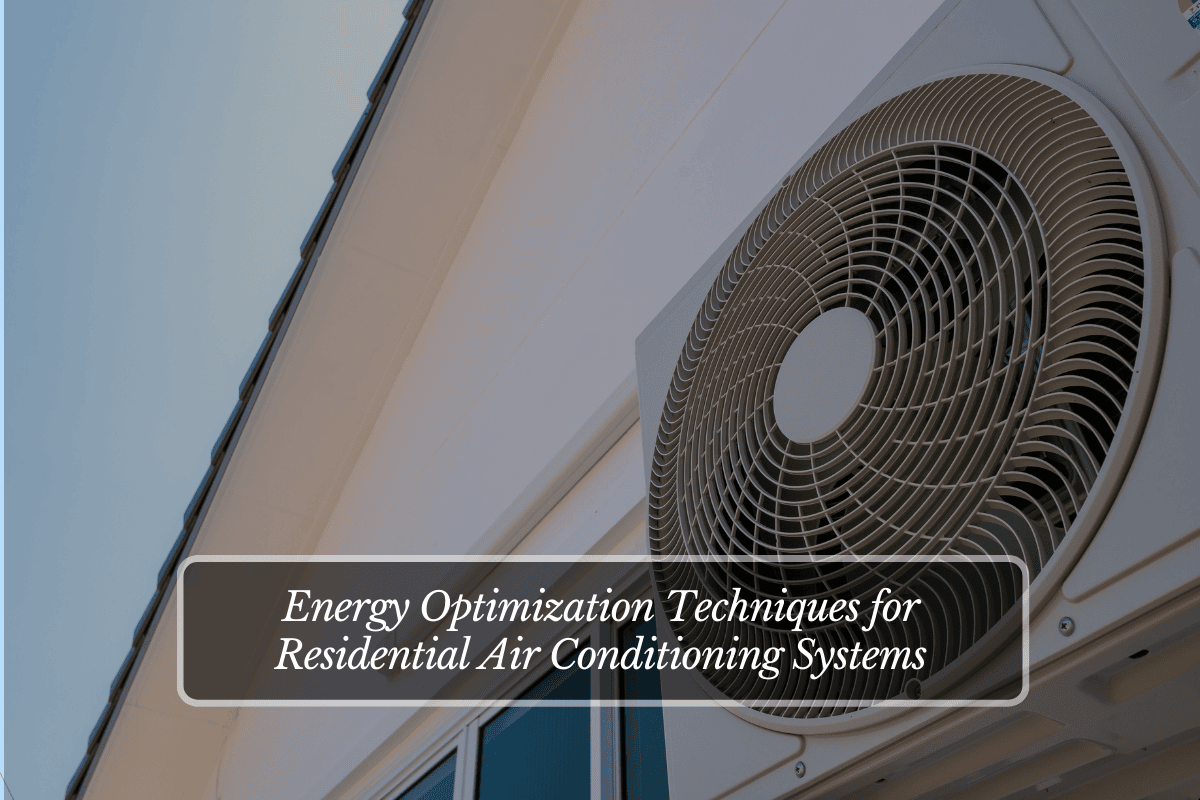
Energy optimization techniques for residential air conditioning systems help U.S. homeowners slash electricity bills by up to 30% amid rising 2026 energy costs and hotter summers.
These methods combine smart tech, maintenance, and upgrades to boost efficiency without sacrificing comfort, especially in high-demand regions like Texas and Florida. With SEER2 ratings now mandatory at 15+, modern systems deliver more cooling per kilowatt-hour.
Smart Thermostats and Automation
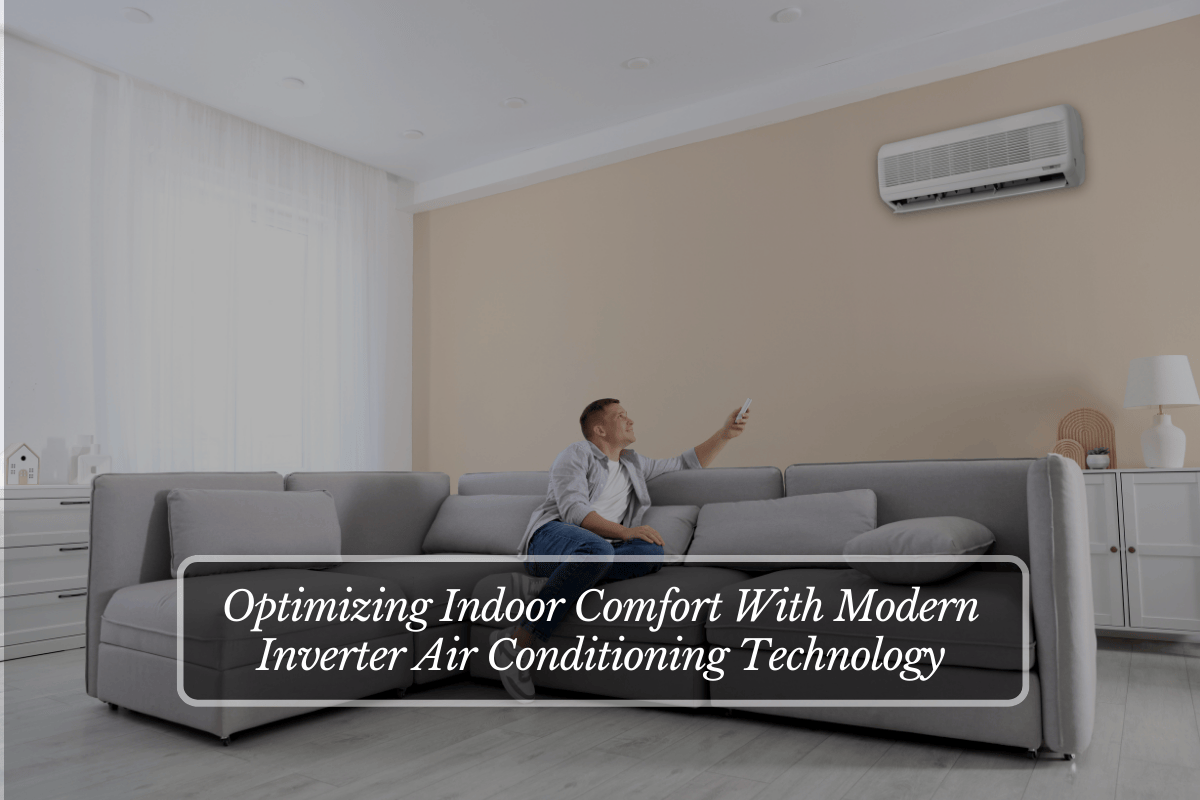
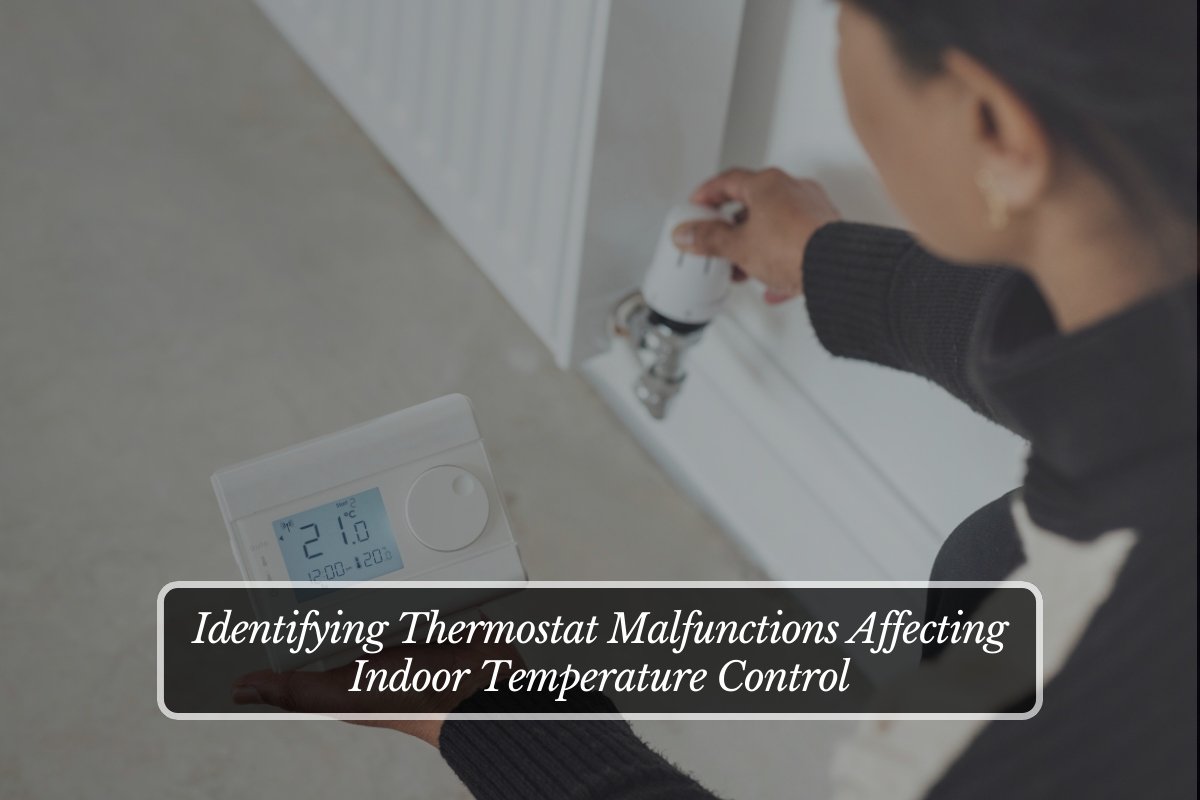
Install Wi-Fi smart thermostats like Nest or Ecobee, which learn habits and adjust temperatures automatically—saving 10-15% on cooling by raising settings 7-10°F when away. Program schedules: 78°F daytime, 82°F unoccupied, dropping to 76°F evenings. Geofencing detects arrivals via phone GPS for pre-cooling.
Zoning systems divide homes into areas, cooling only occupied rooms via ductless mini-splits, ideal for additions or multi-story homes—cutting waste in unused spaces by 25%. Integrate with apps for voice control via Alexa, optimizing based on weather forecasts.
High-Efficiency Equipment Upgrades
Choose variable-speed compressors in new units; they ramp output precisely, avoiding inefficient on-off cycles and reducing energy use 30-40% over single-stage models. SEER2 18+ systems, standard in 2026, use low-GWP refrigerants like R-454B or R-32 for better heat transfer and eco-compliance.
Ductless mini-splits suit retrofits without ductwork, offering zoned control and 20-30% savings; geothermal heat pumps leverage ground temps for 50% cooling reductions, with 30% federal tax credits via IRA extensions. Size units correctly—oversized short-cycles waste energy; pros use Manual J calculations.
Maintenance for Peak Performance
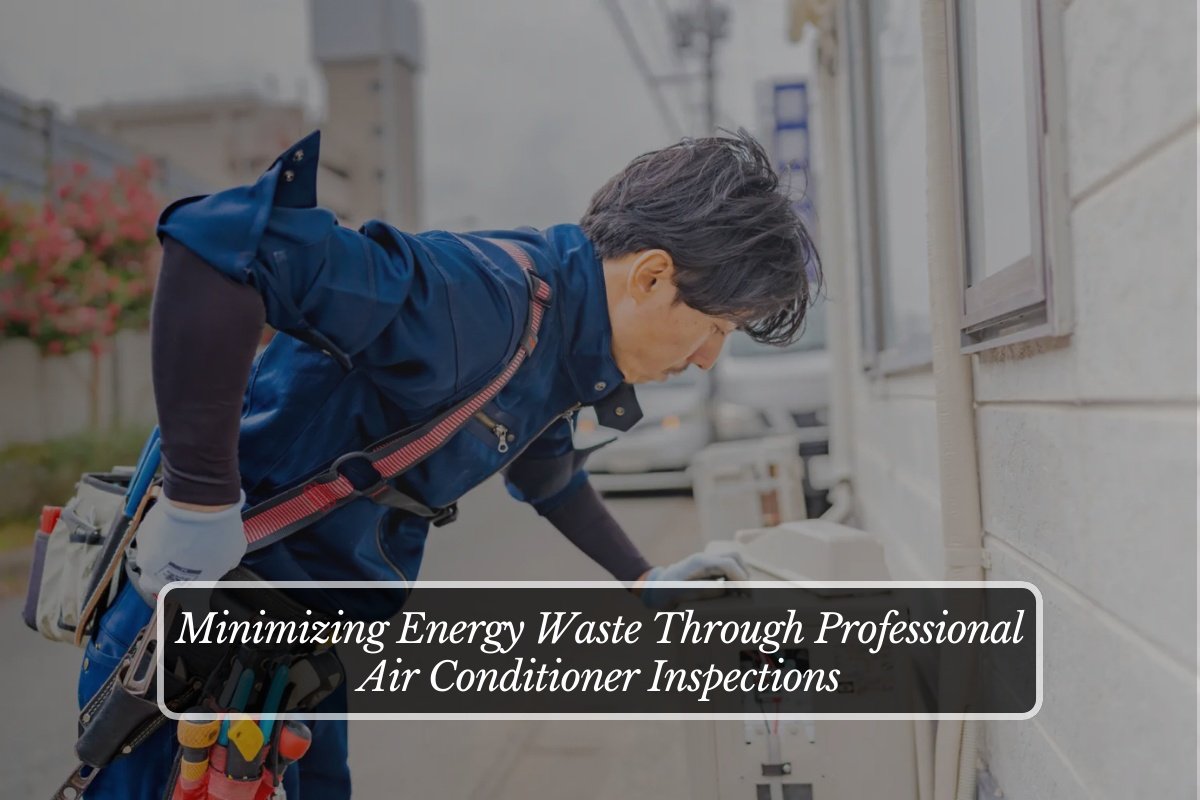
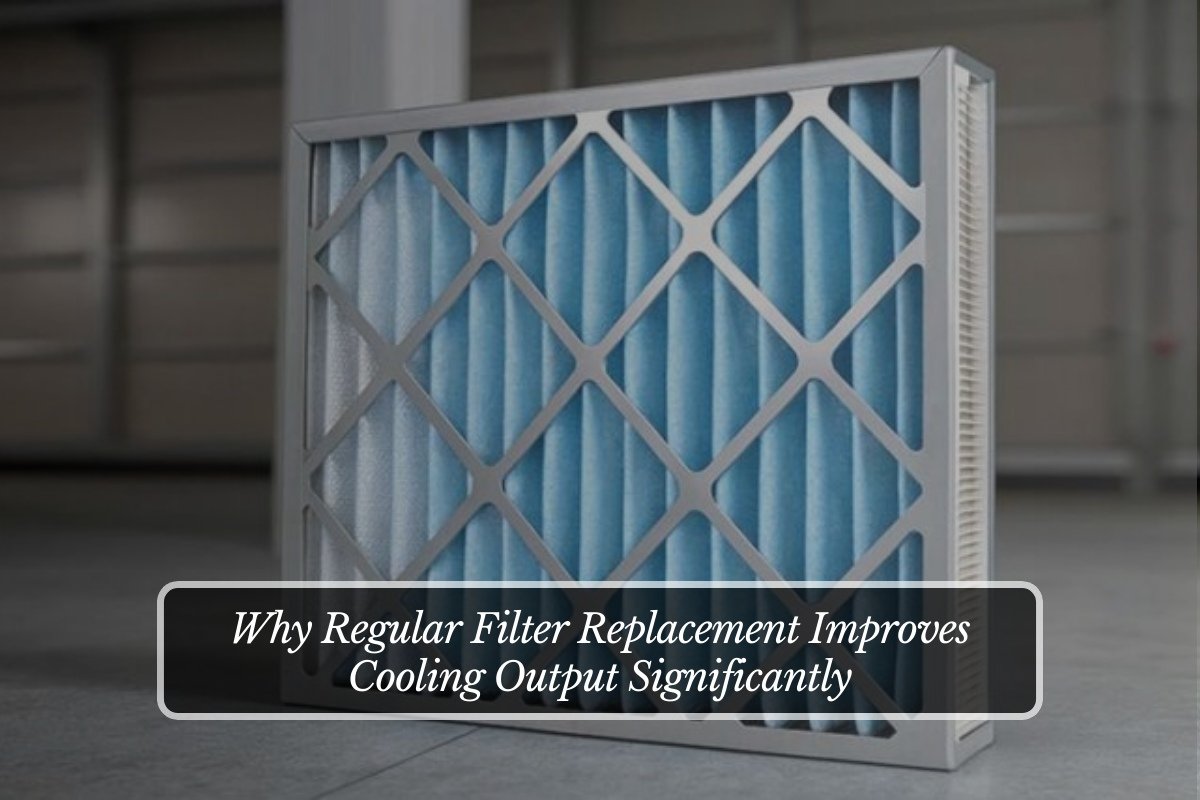
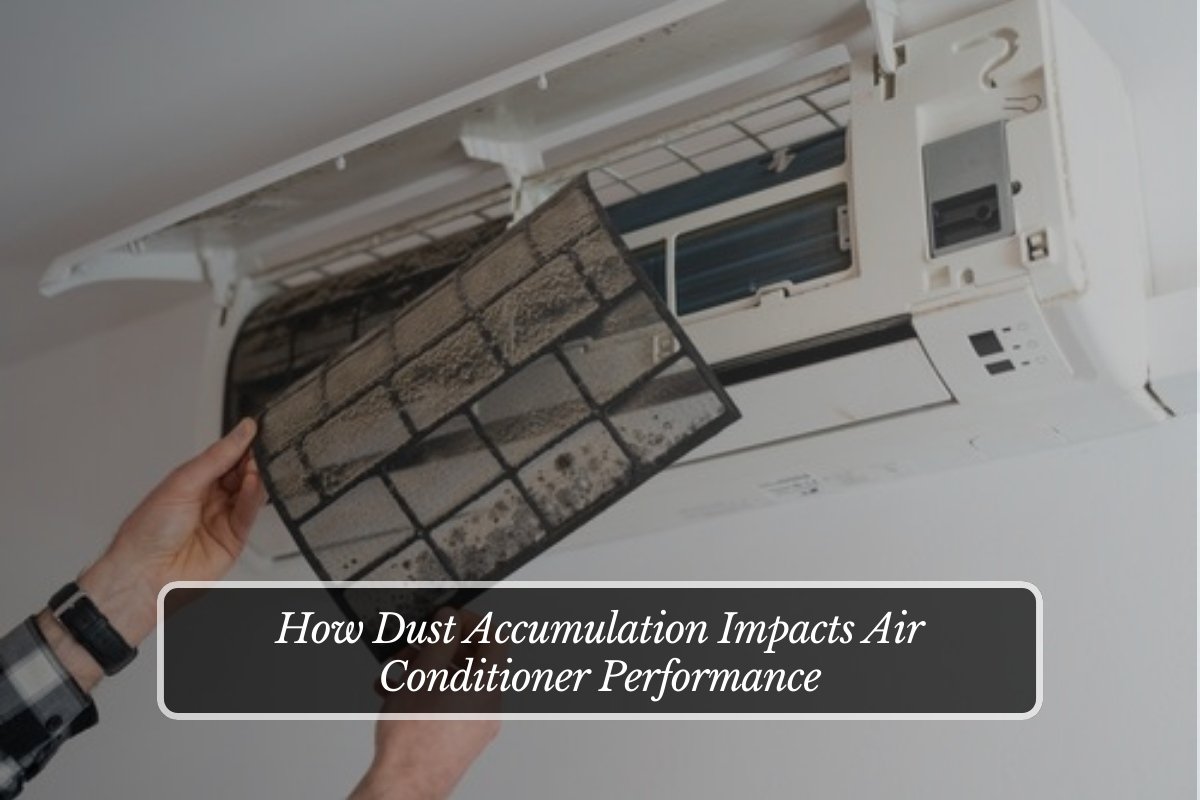
Annual tune-ups clean coils, check refrigerant, and calibrate airflow, restoring 10-20% efficiency lost to dirt. Replace filters monthly (MERV 13 for balance), as clogs spike use 15%. Seal duct leaks with mastic—leaky systems lose 20-30% cooled air in attics.
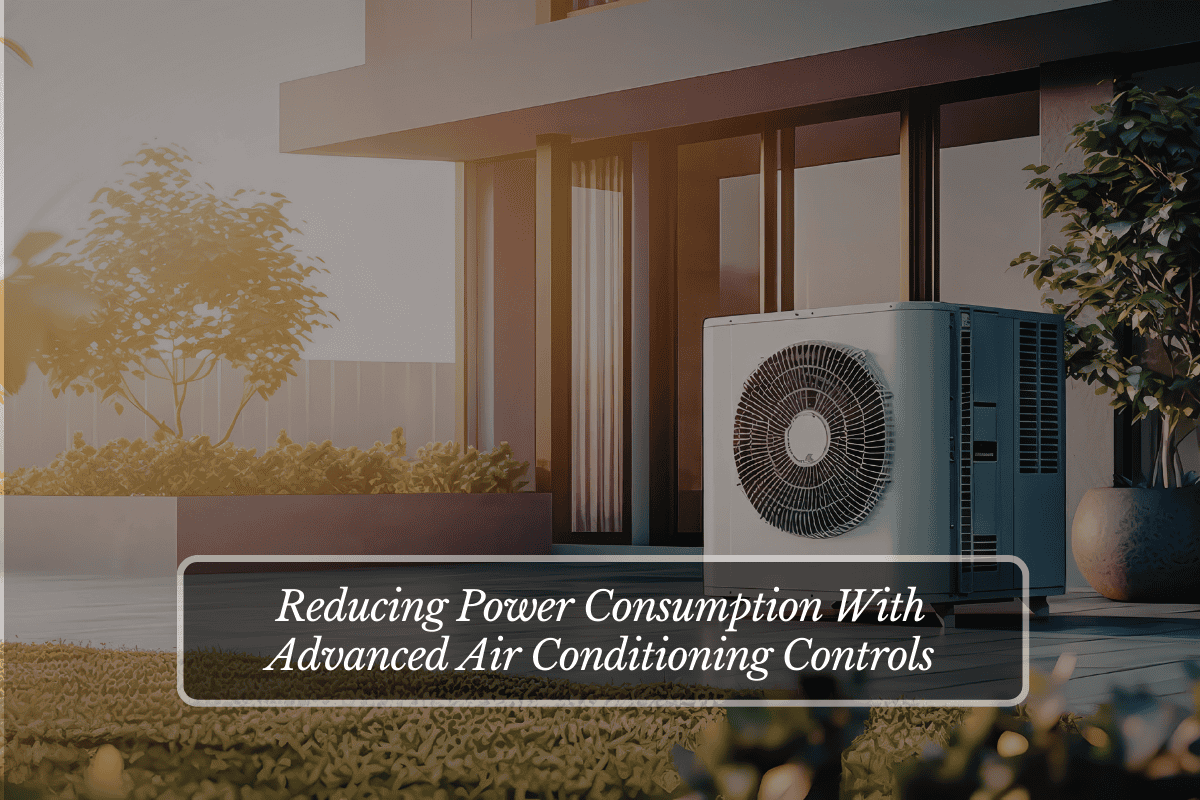
Straighten fins with brushes and level outdoor units for drainage. Insulate refrigerant lines and add covers to protect from elements.
Behavioral and Home Optimization
Set fans to “auto” and close vents in unused rooms. Use ceiling fans counterclockwise to push air down, allowing 4°F higher settings comfortably. Shade east/west windows with blinds; plant deciduous trees for summer shade, cutting solar gain 25%.
Upgrade attic insulation to R-49 and seal gaps around windows/doors—reduces load 15%. Dehumidifiers pair with AC for drier air at higher temps, as humans feel 5°F cooler below 50% humidity.
Advanced and Renewable Integrations
Energy recovery ventilators (ERVs) precondition fresh air, slashing humidity loads in humid Southeast. Solar-powered AC supplements via panels, offsetting 50-100% runtime in sunny states like Arizona.
AI-driven systems in 2026 models predict usage, integrating with home batteries for peak shaving—avoiding high utility rates. Programmable shades automate for passive cooling.
Long-Term Savings Impact
Combined techniques yield 20-50% bill drops; a 3-ton unit at SEER2 16 saves $300/year vs. old 10 SEER in average U.S. home. ROI hits in 3-7 years, plus rebates from utilities and ENERGY STAR programs. These cut carbon footprints 1-2 tons annually per household.
Frequently Asked Questions
1. What is a smart thermostat’s energy impact?
Saves 10-15% by auto-adjusting and learning patterns; pair with zoning for 25% total gains.
2. Why choose variable-speed AC?
Adjusts output precisely, cuts use 30-40%, runs quieter with even temps over single-stage.
3. How often maintain AC systems?
Annually for pros, monthly filter swaps; boosts efficiency 10-20% and extends life.
4. Do refrigerants affect efficiency?
2026 low-GWP like R-454B improve heat transfer in SEER2 15+ units for better performance.
5. Can solar integrate with AC?
Yes, panels offset 50-100% runtime, with batteries for peaks—ROI in sunny climates.