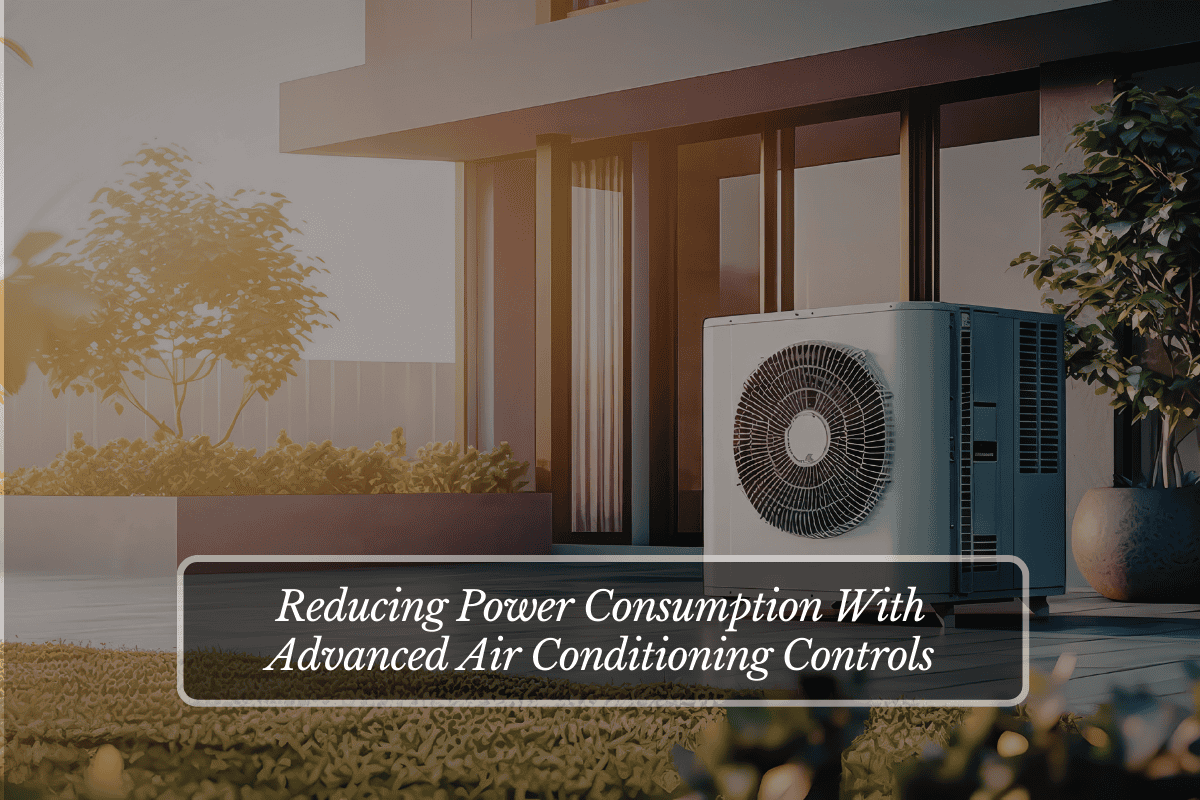
Commercial buildings consume up to 40% of energy on HVAC systems, making efficient air conditioning strategies essential for cost savings, occupant comfort, and sustainability goals. Proven approaches like smart controls, zoning, and regular maintenance can cut energy use by 20-40% while meeting U.S. codes like ASHRAE 90.1.
Smart HVAC Controls and Automation
Building automation systems (BAS) with AI-driven controls optimize runtime based on occupancy, weather forecasts, and real-time demand. Demand-controlled ventilation adjusts fresh air via CO2 sensors, reducing over-ventilation by 30%. Programmable schedules shut down zones during off-hours, saving 15-25% on utilities.
Zoning and Damper Systems
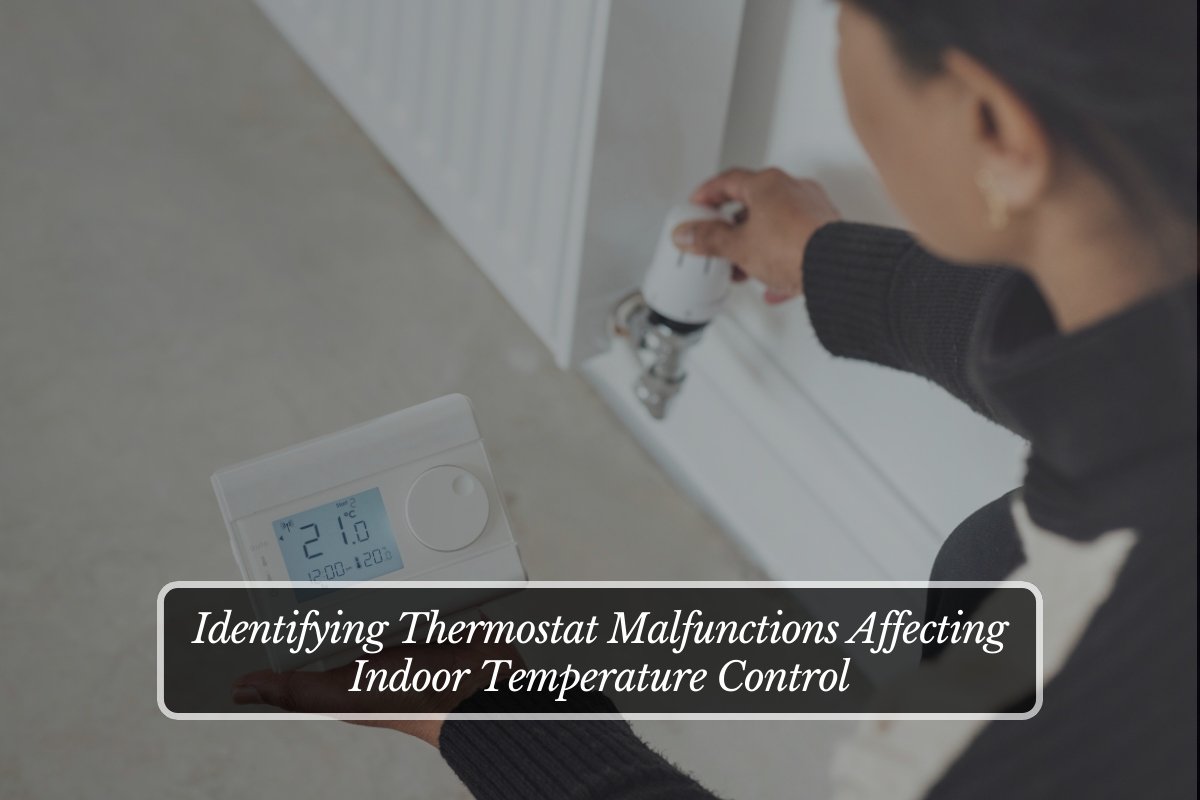
Divide buildings into zones with motorized dampers and independent thermostats, cooling only occupied areas like offices or conference rooms. Occupancy sensors auto-adjust—e.g., conference spaces cool on entry, idle at night—preventing waste in vacant wings. This cuts energy 20-35% in multi-tenant properties.
High-Efficiency Equipment Upgrades
Replace outdated units with variable refrigerant flow (VRF) or ductless mini-splits (SEER 20+), which modulate output precisely. Heat pumps serve dual heating/cooling needs efficiently in milder climates. Energy recovery ventilators (ERVs) precondition outside air, slashing loads by 50-70% in high-ventilation spaces like hospitals.
Building Envelope Optimization
Seal leaks around windows, doors, and penetrations with weatherstripping; upgrade insulation to R-20+ walls and R-30 roofs. Low-E glazing reduces solar gain by 40%, easing cooling demands. These passive measures extend HVAC life and drop peak loads 15-25%.
Regular Maintenance Protocols
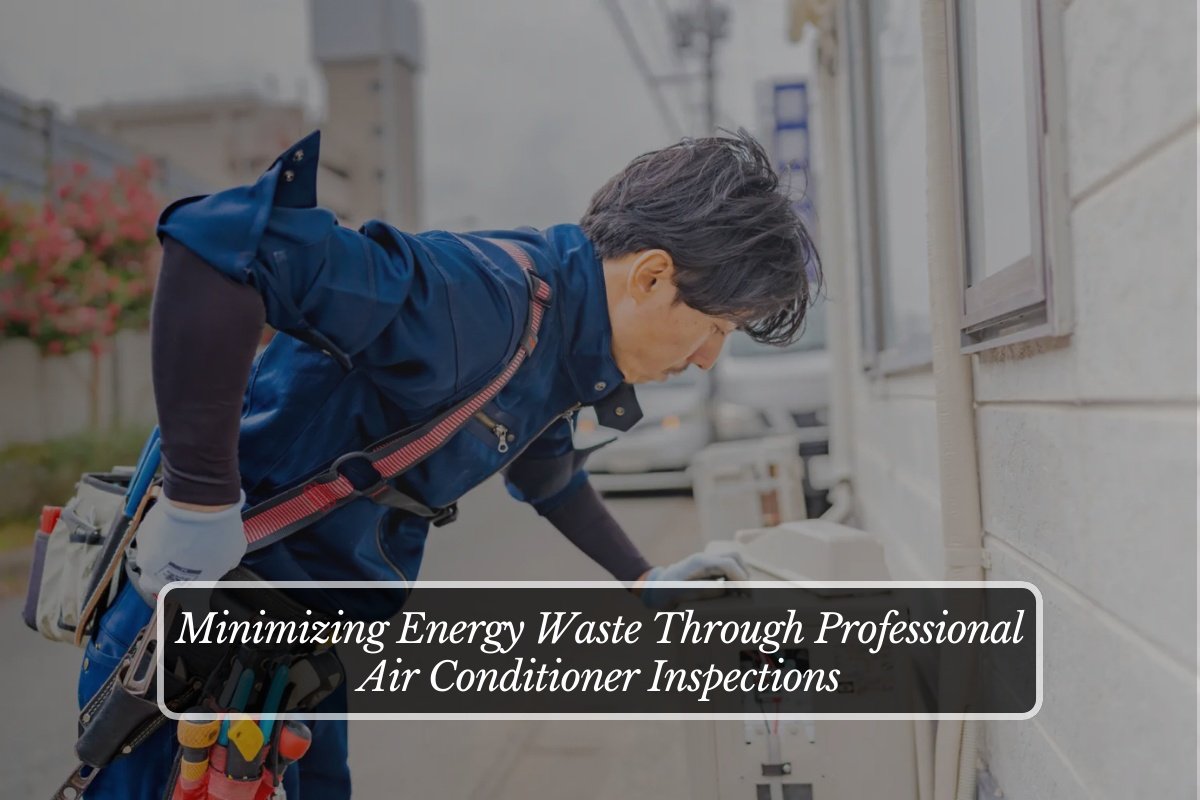
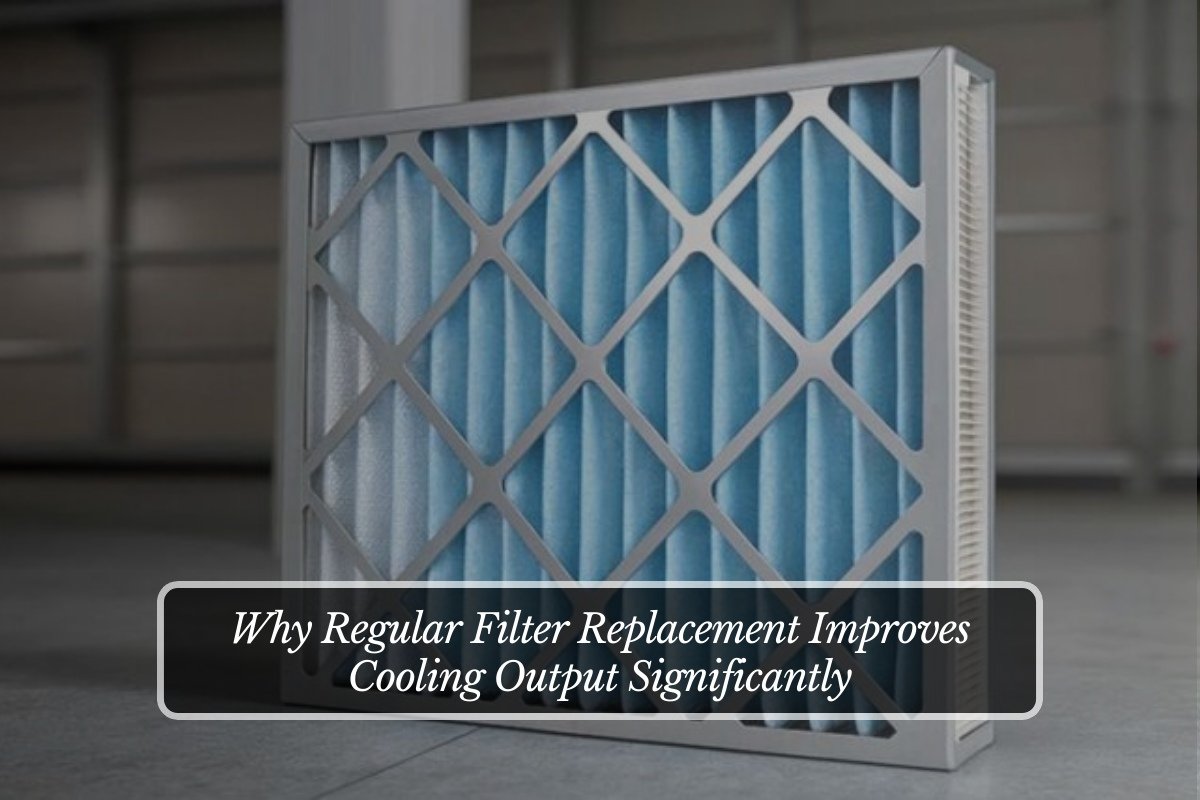
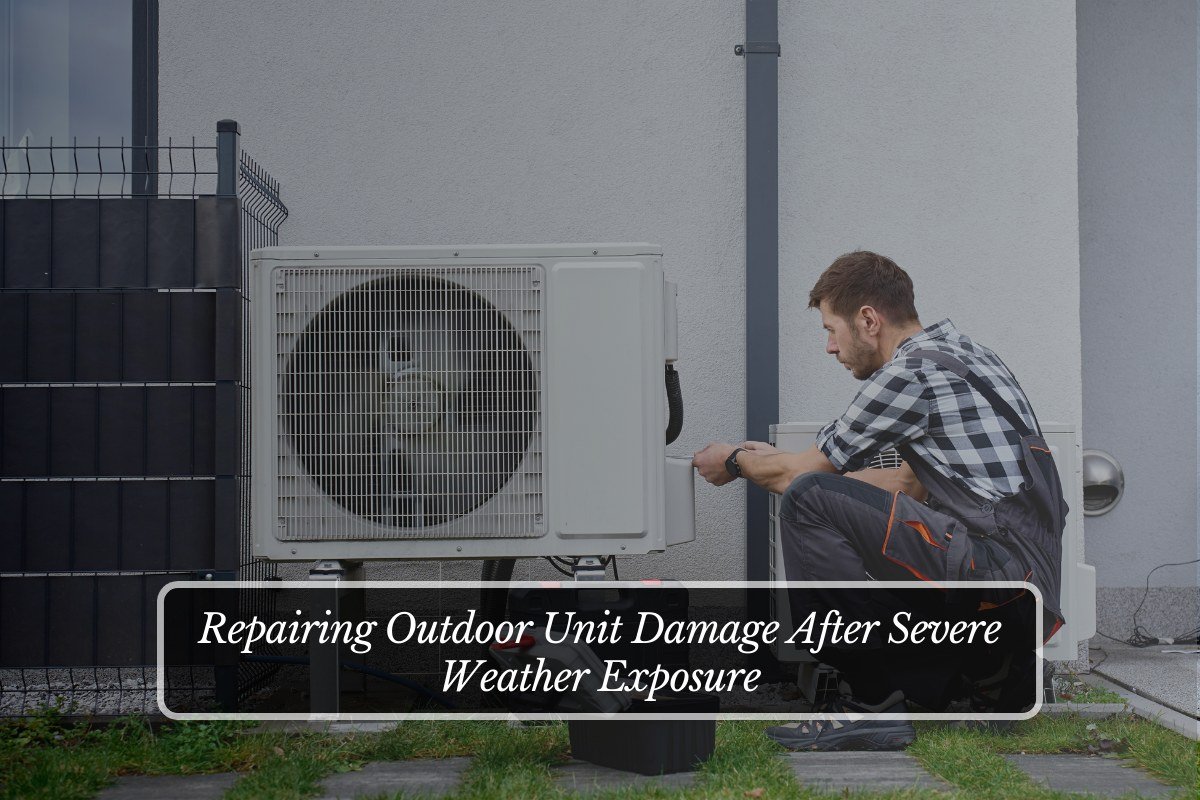
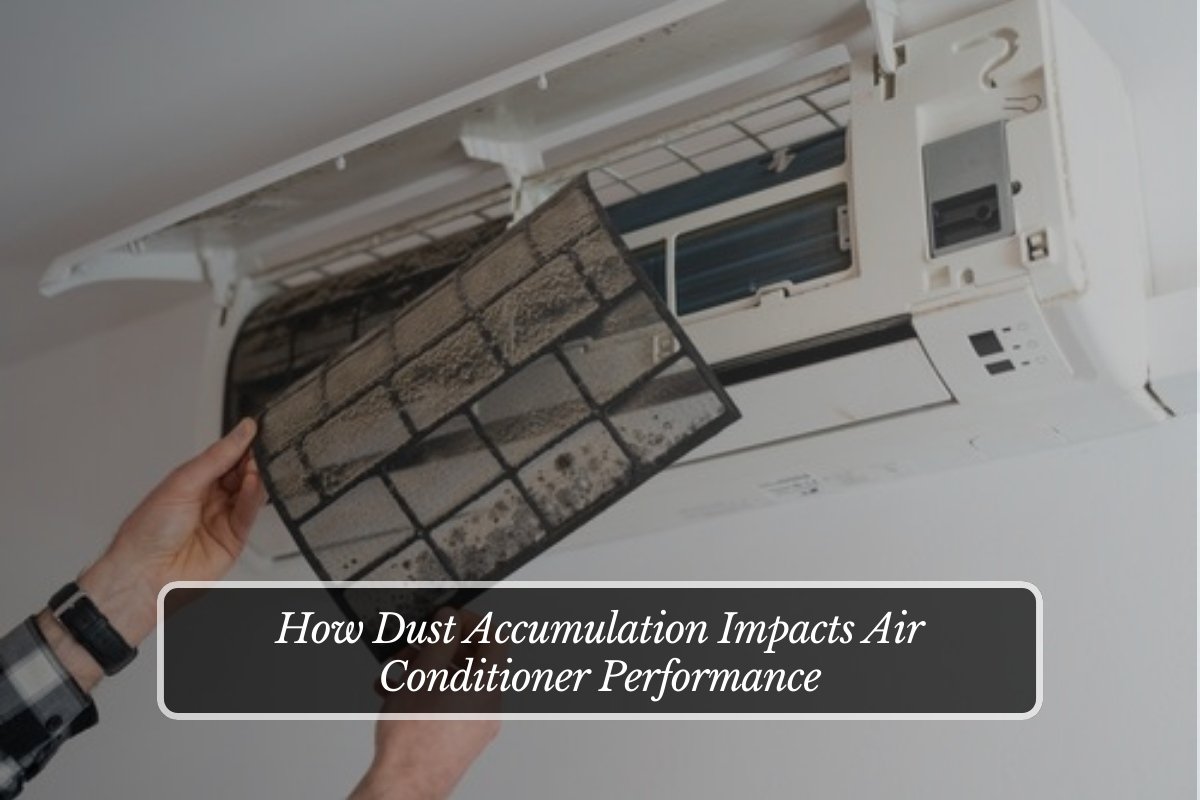
Bi-annual tune-ups clean coils (boosting efficiency 10-15%), calibrate sensors, and balance airflow to 400 CFM/ton. Dirty filters raise energy 20%; schedule quarterly changes. Infrared scans detect duct leaks early, preventing 30% losses.
Energy Management Systems (EMS)
EMS platforms integrate HVAC with lighting and plugs, using predictive analytics for setbacks—e.g., pre-cool before occupancy peaks. Off-peak charging for thermal storage shifts loads to cheaper rates, yielding 10-20% savings. Benchmark against ENERGY STAR portfolios for continuous gains.
Demand Response Participation
Enroll in utility programs to curtail loads during peaks, earning rebates up to $50/kW reduced. Automated curtailment via EMS throttles non-critical zones without comfort loss, common in California and New York incentives.
These strategies deliver ROI in 2-5 years, enhancing tenant satisfaction and property values in competitive markets.
Frequently Asked Questions
1. What’s zoning’s biggest benefit?
Cools occupied areas only, saving 20-35% energy in variable-use buildings.
2. How often maintain commercial HVAC?
Bi-annual pro tune-ups; quarterly filter changes.
3. Best upgrade for efficiency?
VRF systems or ERVs for precise control and recovery.
4. Do EMS really pay off?
Yes, 10-20% savings via predictive scheduling.
5. Envelope fixes impact?
15-25% load reduction via seals and insulation.