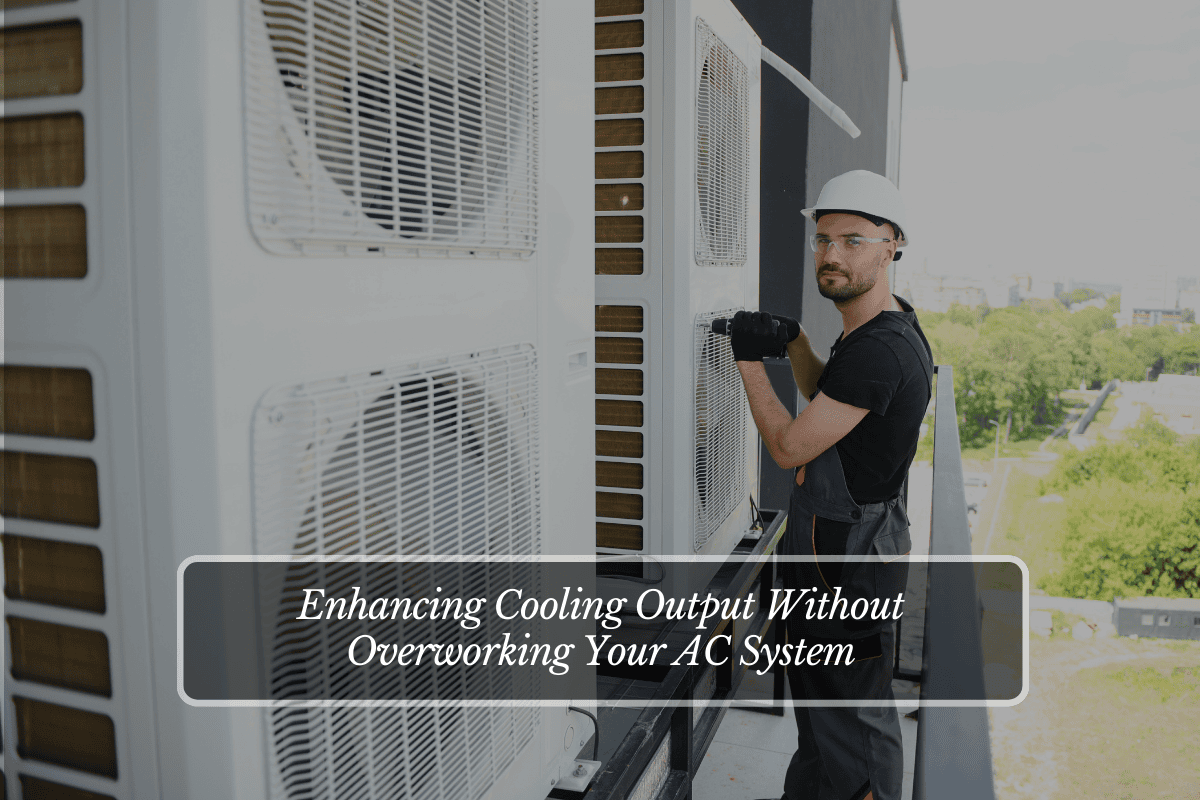
Enhancing cooling output without overworking your AC system extends equipment life, cuts energy bills by 20-50%, and maintains comfort during US summers that average 10-20 extra cooling days annually. Simple, proactive steps like maintenance and smart habits optimize airflow and efficiency for central, window, or ductless units prevalent in 90% of American homes.
Regular Maintenance Essentials
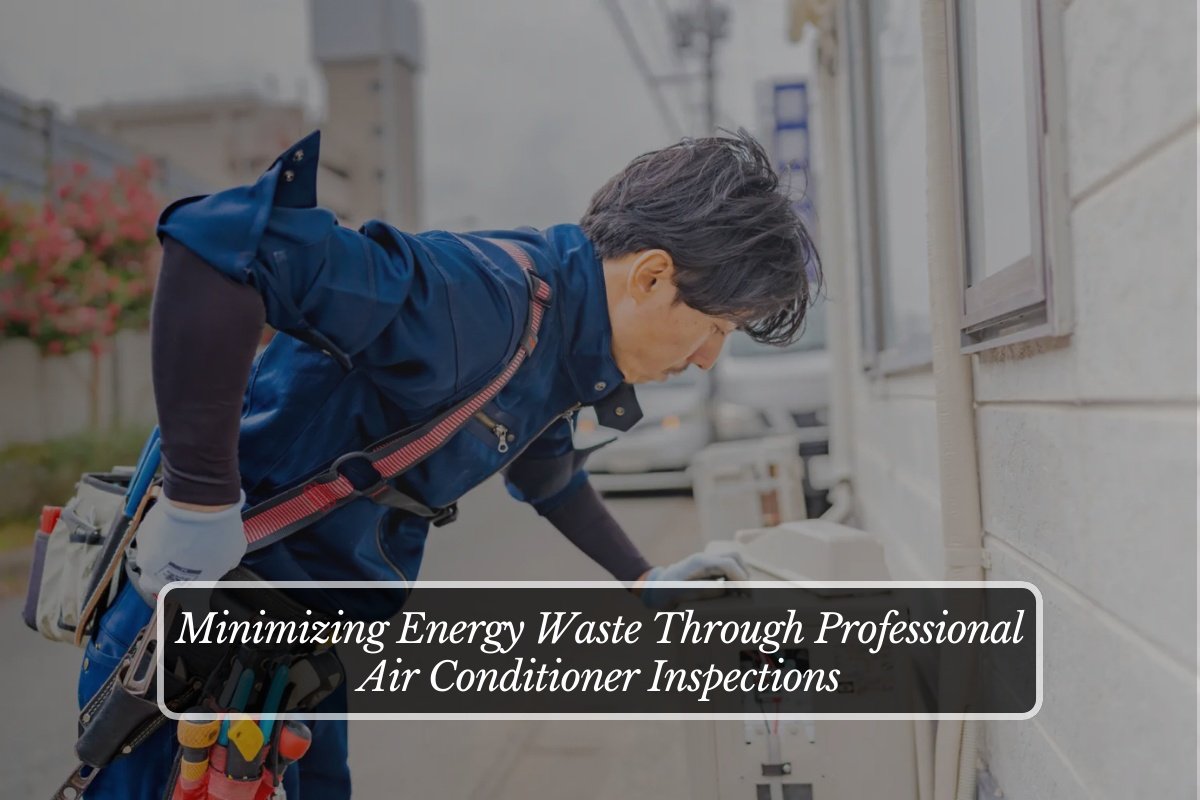
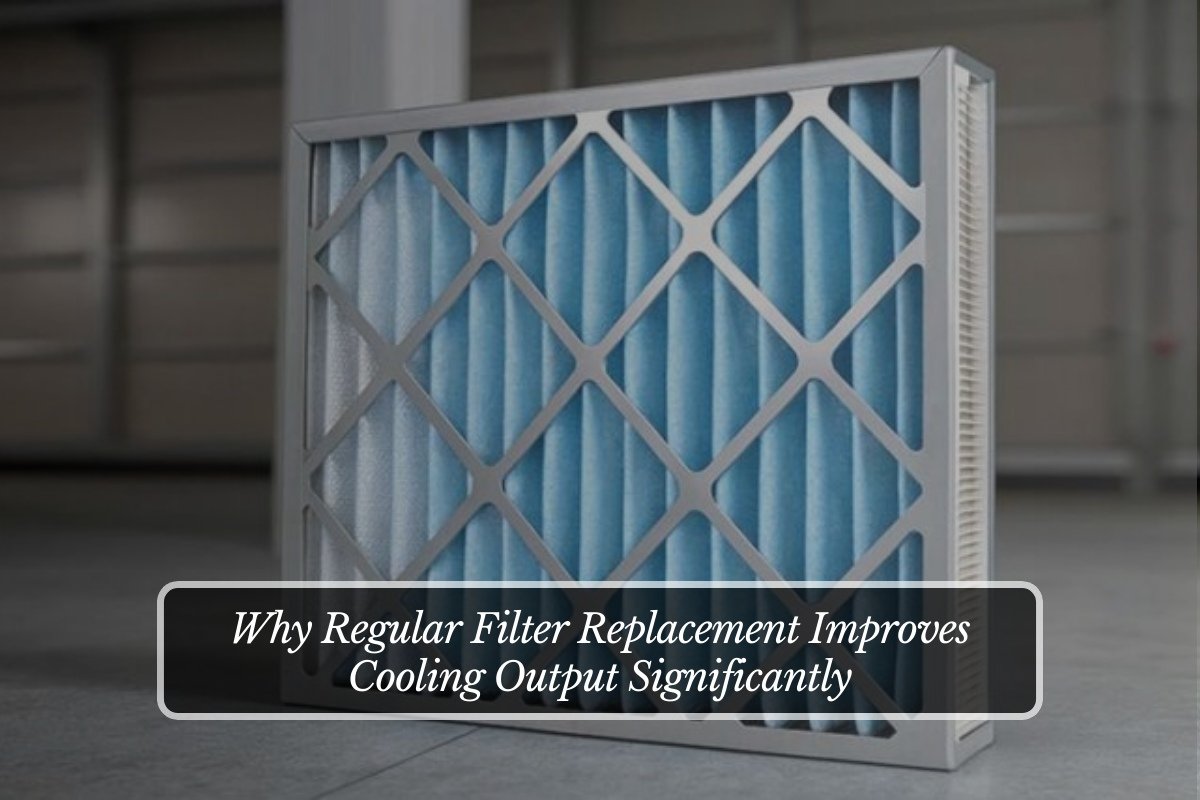
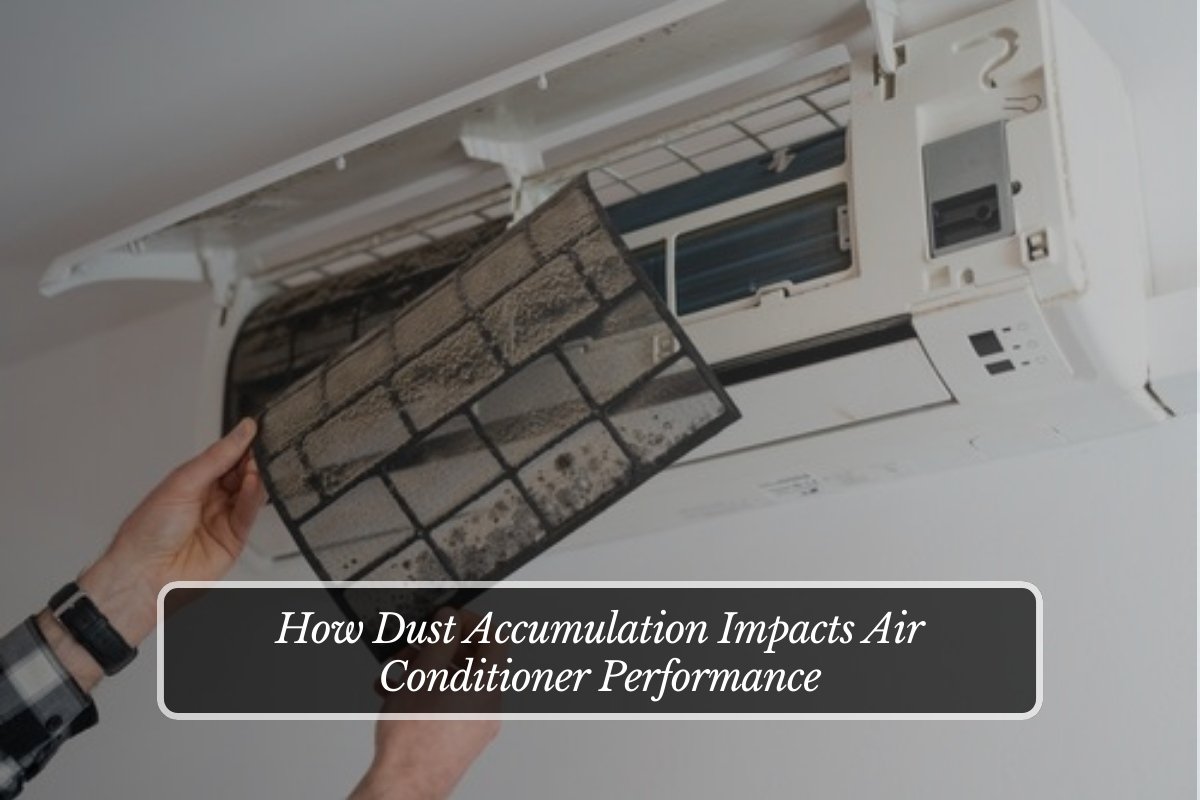
Dirty components force ACs to labor 15-30% harder. Change filters every 1-3 months—pleated MERV 8-11 types trap more dust without restricting flow, improving efficiency 10-15%.
Clean evaporator coils annually with no-rinse spray; pros handle condenser coils outside, removing debris that blocks heat exchange. Schedule tune-ups twice yearly: check refrigerant (R-410A standard), tighten belts, lubricate motors—preventing 80% of breakdowns.
Straighten fins with a fin comb; level units to ensure proper drainage, avoiding water damage.
Thermostat Optimization
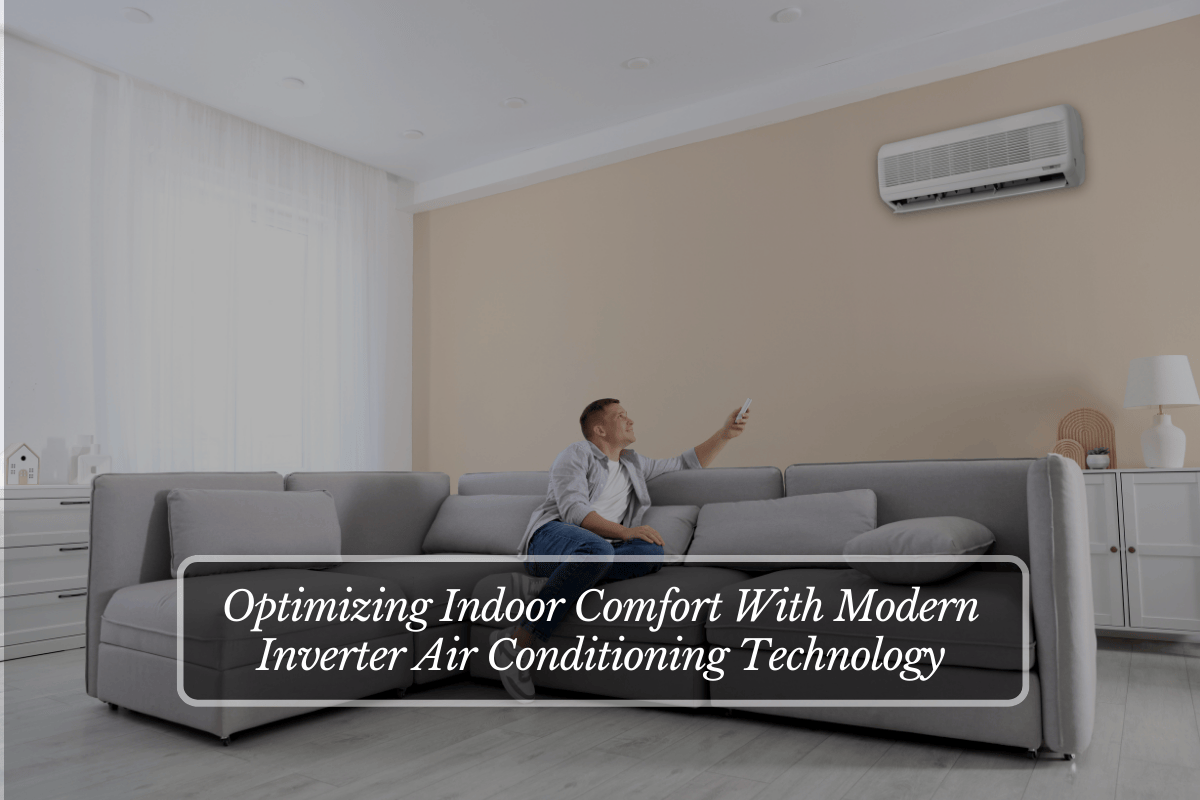
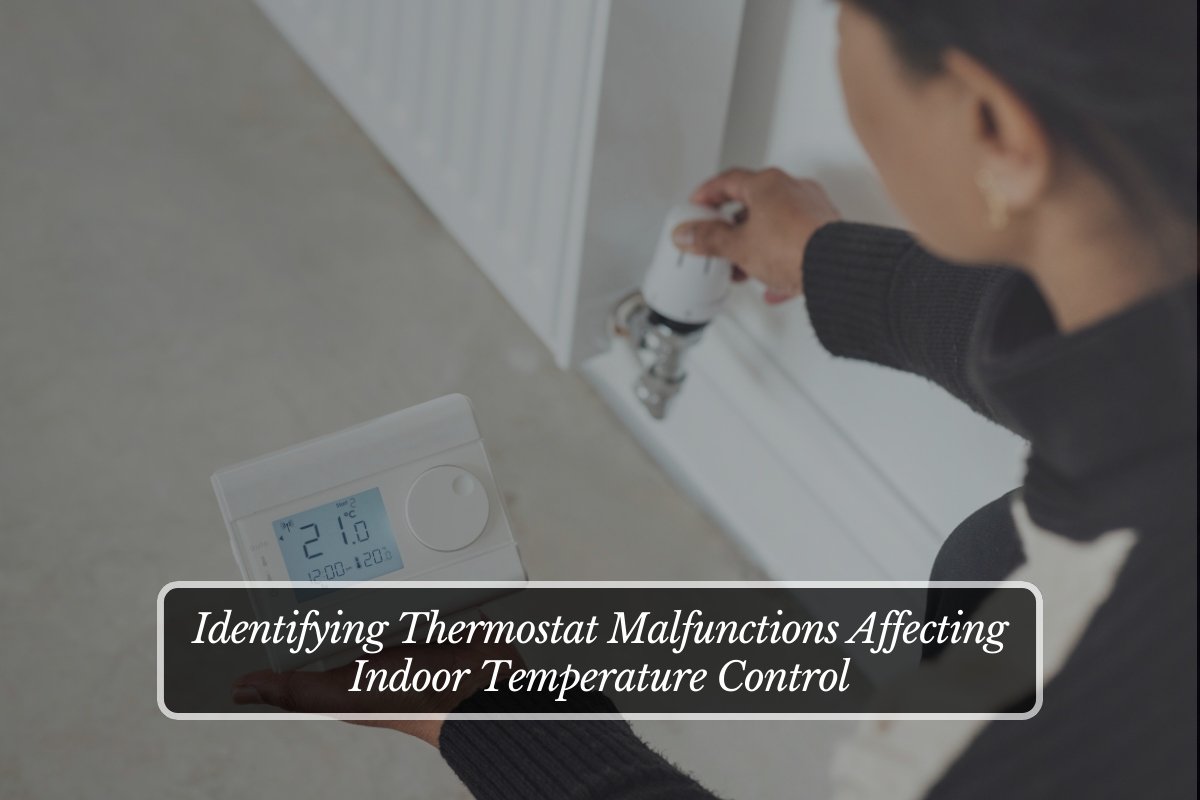
Set to 78°F when home, 85°F away—each degree below 78 adds 8% energy use. Programmable/smart models like Nest or Ecobee automate via geofencing, saving 10-20% ($100-200/year). Pre-cool 30 minutes before peak heat; ceiling fans allow +4°F settings (counterclockwise summer mode cools via wind chill). Avoid frequent adjustments—modern inverters handle steady loads efficiently.
Sealing and Insulation Upgrades
Leaky ducts waste 20-30% cooled air; seal with mastic or foil tape at joints (not duct tape). Aeroseal technology injects sealant for hard-to-reach leaks, boosting delivery 30%. Add R-30 attic insulation, weatherstrip doors/windows (door sweeps save 10%), and low-E window film—reducing solar gain 40% in sunny states like Arizona or Florida.
Rigid foam skirting under mobile homes prevents ground heat infiltration.
Strategic Shading and Ventilation
Block sun with exterior shades/awnings (60% heat reduction); deciduous trees east/west drop leaves winter. Interior drapes work secondarily. Exhaust fans vent kitchens/baths outdoors, removing humidity that makes AC strain 20% more. Attic vents (ridge + soffit) expel hot air; solar-powered whirlybirds enhance passive flow.
Zoning and Airflow Improvements
HVAC zoning dampers cool occupied rooms only, saving 25-30% in multi-story homes. Balance registers: high-velocity vents in corners, deflectors avoid direct furniture blockage. Keep supply/return paths clear—furniture 6+ inches away. Variable-speed blowers in modern units adjust to demand, cutting cycles.
Dehumidification Boosts
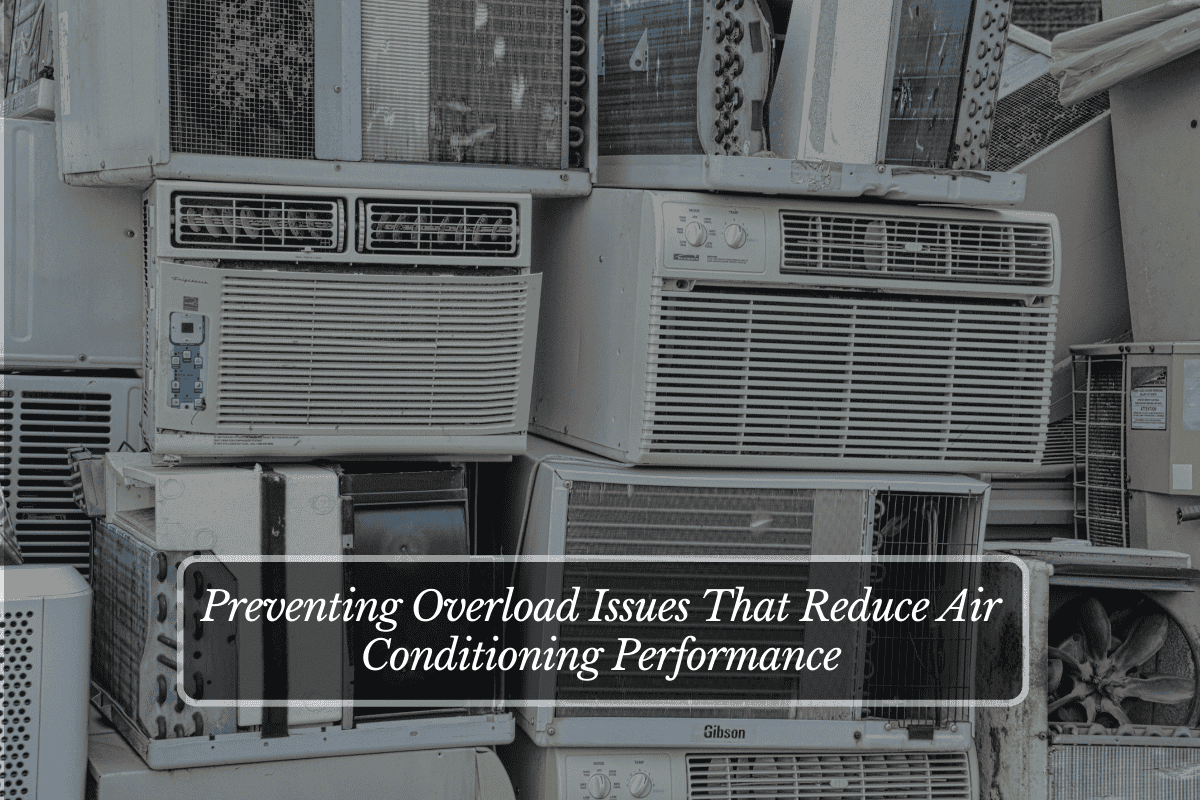
High humidity feels warmer; standalone or whole-home dehumidifiers (50-60 pints/day) hit 45-55% RH, allowing higher temps while feeling cooler. ACs dehumidify best at 55% runtime—avoid oversized units. Desiccant wheels in ductwork enhance without extra energy.
Landscaping and Exterior Tactics
Plant shade trees/vines 10-15 feet from unit (avoid debris); mulch beds retain soil moisture, cooling microclimates. Gravel/pea stone around condensers dissipate heat better than grass. Elevate units 2-3 feet on blocks for airflow; clean monthly.
Peak Demand Management
Run appliances evenings; LED bulbs cut internal heat 80% vs. incandescents. Geothermal heat pumps or mini-splits zone efficiently but pair with basics. Energy audits ($200-500 rebates via IRA) pinpoint issues via blower door tests (<3 ACH50 target).
Monitoring and Tech Aids
Smart monitors like Sense track kWh usage; apps alert filter swaps. Variable refrigerant flow (VRF) systems for additions scale output precisely. ROI: $1 saved per $1 spent in 1-3 years; extend AC life 5-10 years.
Implement layered: maintenance + seals + shades yield 40% gains without new units. Sustainable cooling starts now.
FAQs
1. How often change AC filters?
Every 1-3 months; pleated MERV 8-11 improves efficiency 10-15%.
2. Optimal thermostat setting?
78°F home, 85°F away; saves 10-20% with smart automation.
3. Why seal ducts?
Prevents 20-30% loss; mastic best for joints.
4. Do ceiling fans help AC?
Yes, allow +4°F; counterclockwise for cooling effect.
5. Shading impact?
Exterior shades/trees cut solar gain 40-60%.