Cooling performance can be dramatically improved in homes and facilities using passive strategies, smart tech, and efficient systems that slash electricity bills by 30-50% without sacrificing comfort. These U.S.-focused methods leverage weatherization, ventilation, and renewables, ideal for hot summers in zones like your Panipat summers or Southern states.
Optimize Existing AC Systems
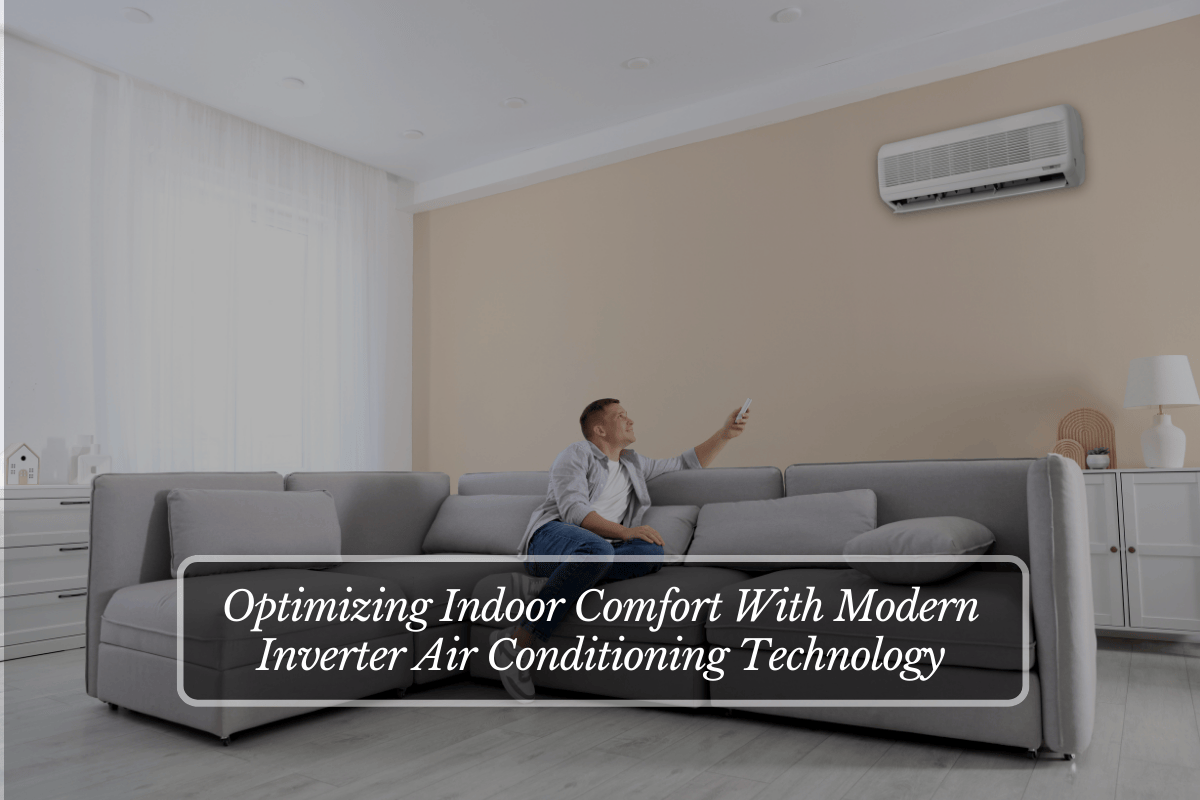
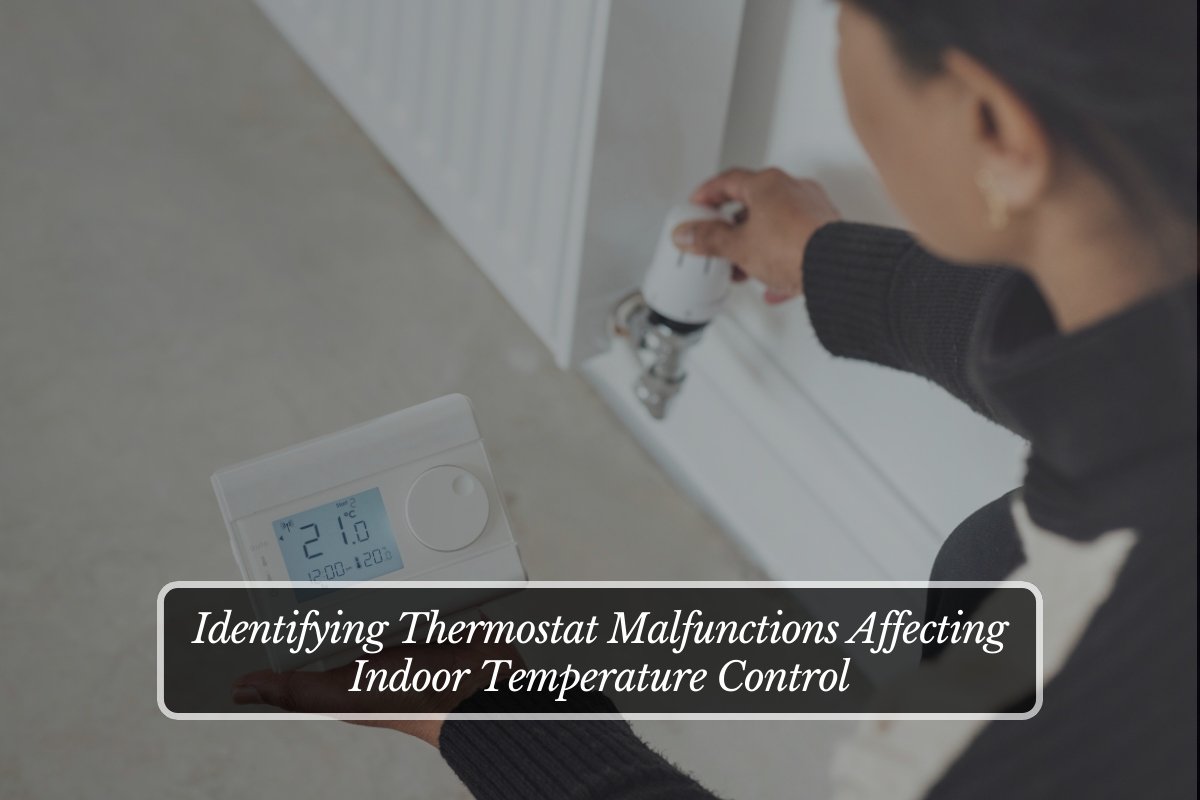
- Smart Thermostats. Devices like Nest or Ecobee learn habits, adjusting temps 1-2°F during peaks—savings hit 10-15% ($100-200 yearly). Program setbacks when away; geofencing auto-adjusts for occupants.
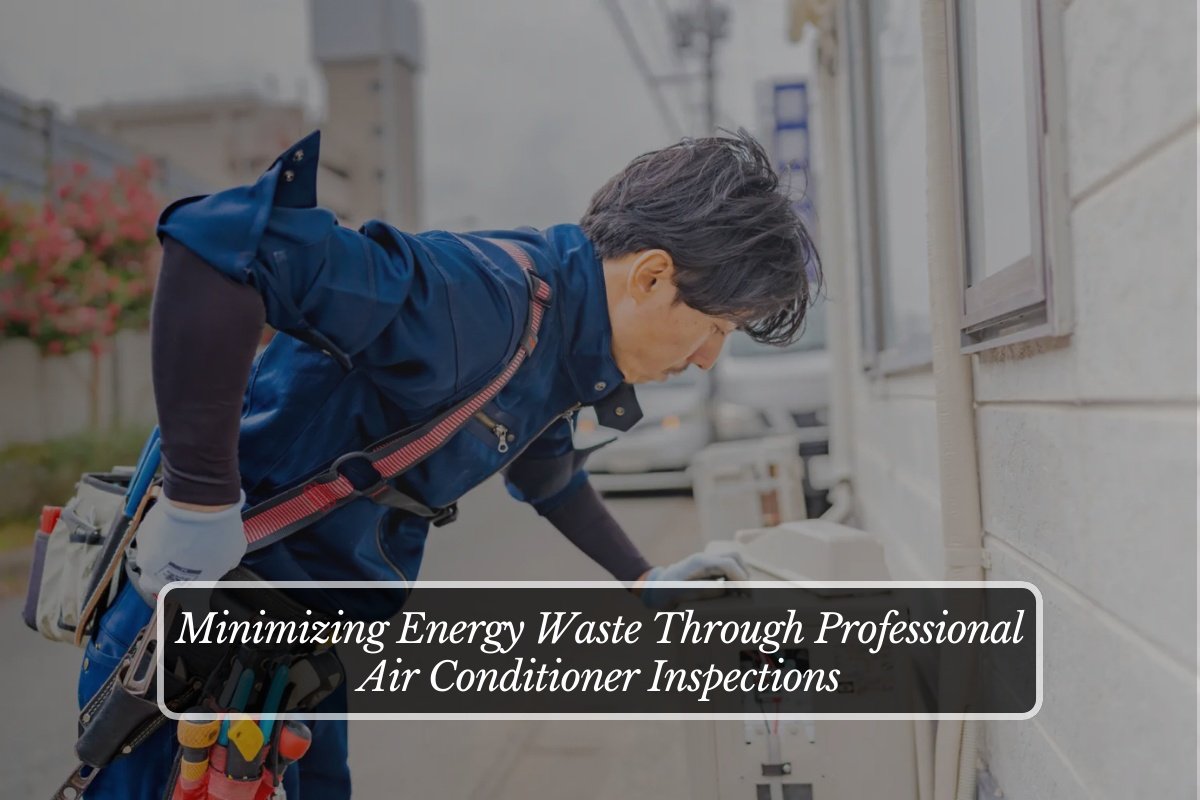
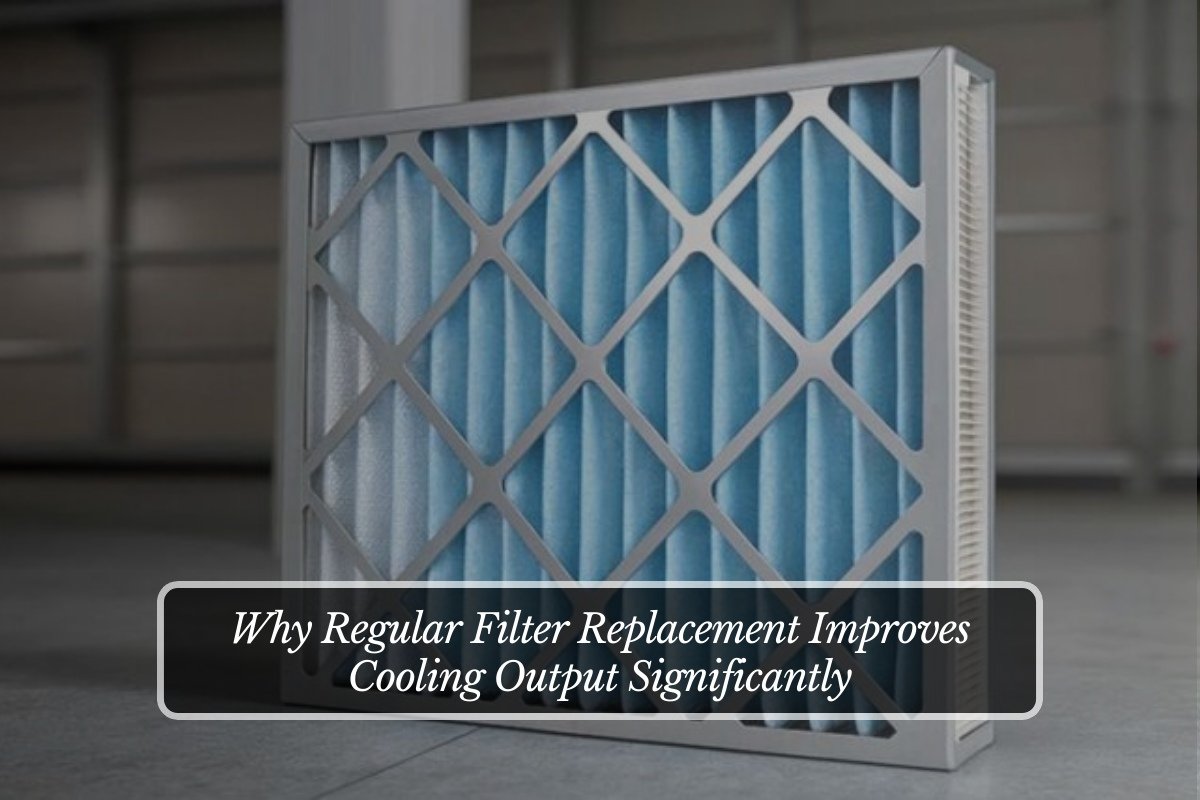
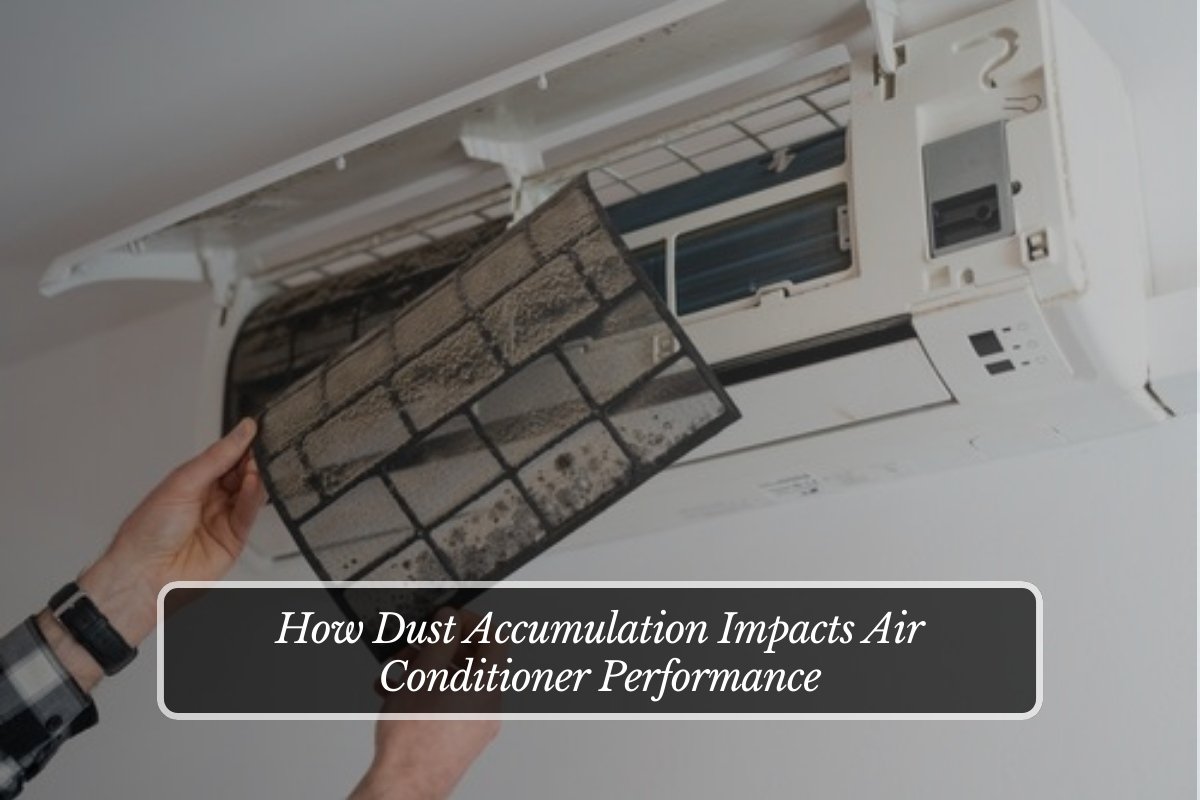
- Maintenance First. Clean filters monthly (boosts efficiency 15%), annual coil tune-ups add 20% output. Variable-speed compressors in modern units ramp precisely, cutting cycles.
- Ceiling Fans Right. Run counterclockwise at high for 4-6°F perceived drop; whole-house fans exhaust hot air evenings, dropping indoor temps 5-10°F overnight.
Passive Cooling Techniques
- Strategic Shading. Exterior shades, awnings, or reflective films block 60-80% solar gain; fast-growing vines on trellises cool walls naturally. South-facing overhangs cut peak loads 30%.
- Insulation Upgrades. Attic R-49 (vs. R-30 standard) and sealed ducts prevent 20% loss; radiant barriers reflect 97% heat in attics. Spray foam edges yield quick ROI.
- Night Purge Ventilation. Open windows/cross-breeze 10 PM-6 AM flushes heat; whole-house fans move 2,000+ CFM, preconditioning thermal mass for daytime.
High-Efficiency Alternatives
- Evaporative Coolers. Swamp coolers use 90% less power than AC (200W vs. 2kW); ideal for dry climates (Southwest), dropping temps 15-25°F with fresh air.
- Ductless Mini-Splits. Zone cooling skips duct losses (30%); SEER 25+ units cool one room efficiently. Heat pumps double as winter heat.
- Ceiling Radiant Systems. Chilled panels absorb heat silently; pair with DOAS for dehumidification—40% savings in humid areas.
Renewable Integration
- Solar PV Pairing. 5kW systems offset 70-100% AC runtime; net metering credits peak use. Incentives via IRA yield 30% tax credit.
- Geothermal. Ground-source loops stable at 55°F; 400% efficient vs. AC’s 300%. Long-term for larger homes.
Quick-Win Habits
| Technique | Savings | Effort |
|---|---|---|
| Programmable Thermostat | 10-15% | Low |
| Window Films/Shades | 20-30% | Medium |
| Night Ventilation | 15-25% | Low |
| Fan + Setback | 5-10°F effective | Low |
| LED + Occupancy Sensors | 10% indirect | Low |
Total potential: 50% bill cut, per DOE.
Seasonal U.S. Applications
Southern zones: Evaporative + shades. Humid East: Dehumidifying heat pumps. Track via apps like EnergyHub for real-time tweaks.
Long-Term ROI
Retrofits pay back 3-7 years; combine for compounding—e.g., insulation + solar halves peaks. Matches your gardening: Shade cloths double for plants/homes.
FAQs
1. Dry climates only evaporative?
Best under 40% humidity; hybrid elsewhere.
2. Smart thermostat hack?
Pre-cool 2°F below daytime; savings max.
3. Radiant barriers worth?
Attics yes—97% reflection, $0.10/sq ft.
4. Fans replace AC?
Augment—4-6°F feel; use with setbacks.
5. Solar offset full bills?
70-100% AC portion; size for peaks.