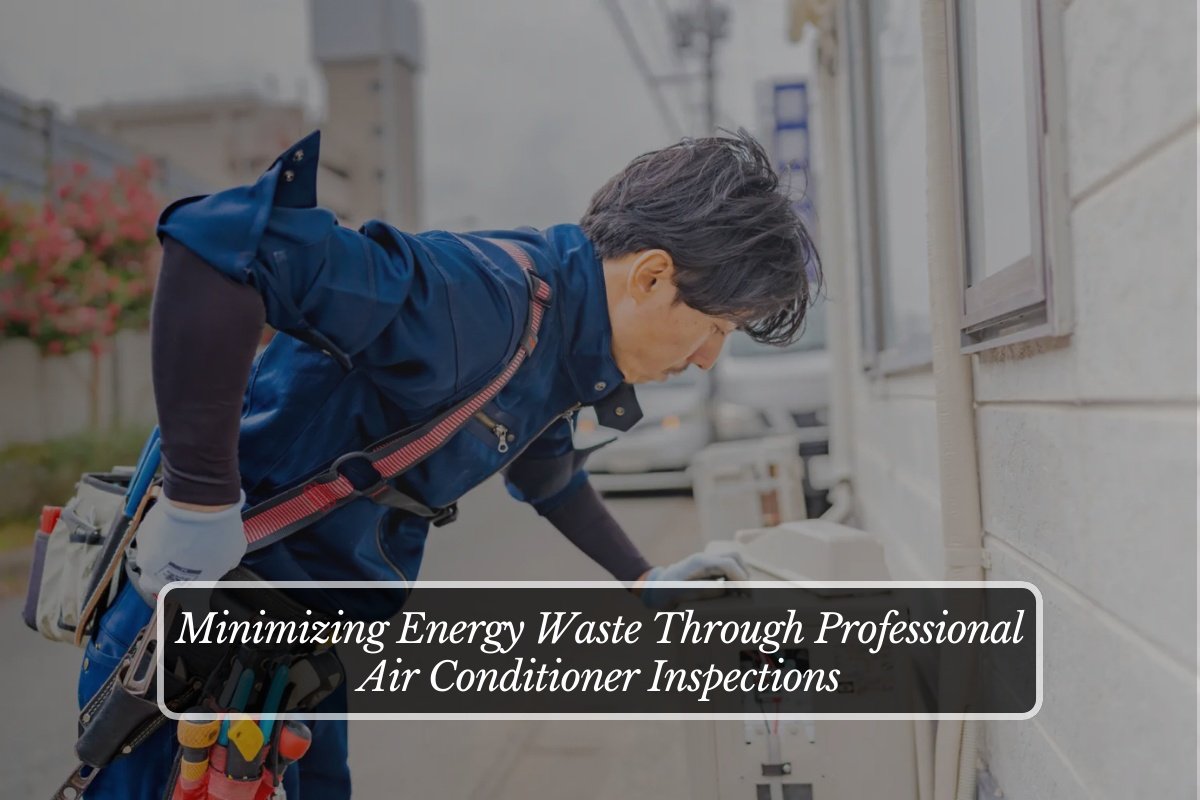
Professional servicing is essential for peak cooling efficiency in air conditioning systems, preventing energy waste and ensuring reliable performance during hot U.S. summers. Regular technician visits optimize components like coils and refrigerant, extending unit life by up to 5 years while slashing bills 15-20%.
Energy Efficiency Gains
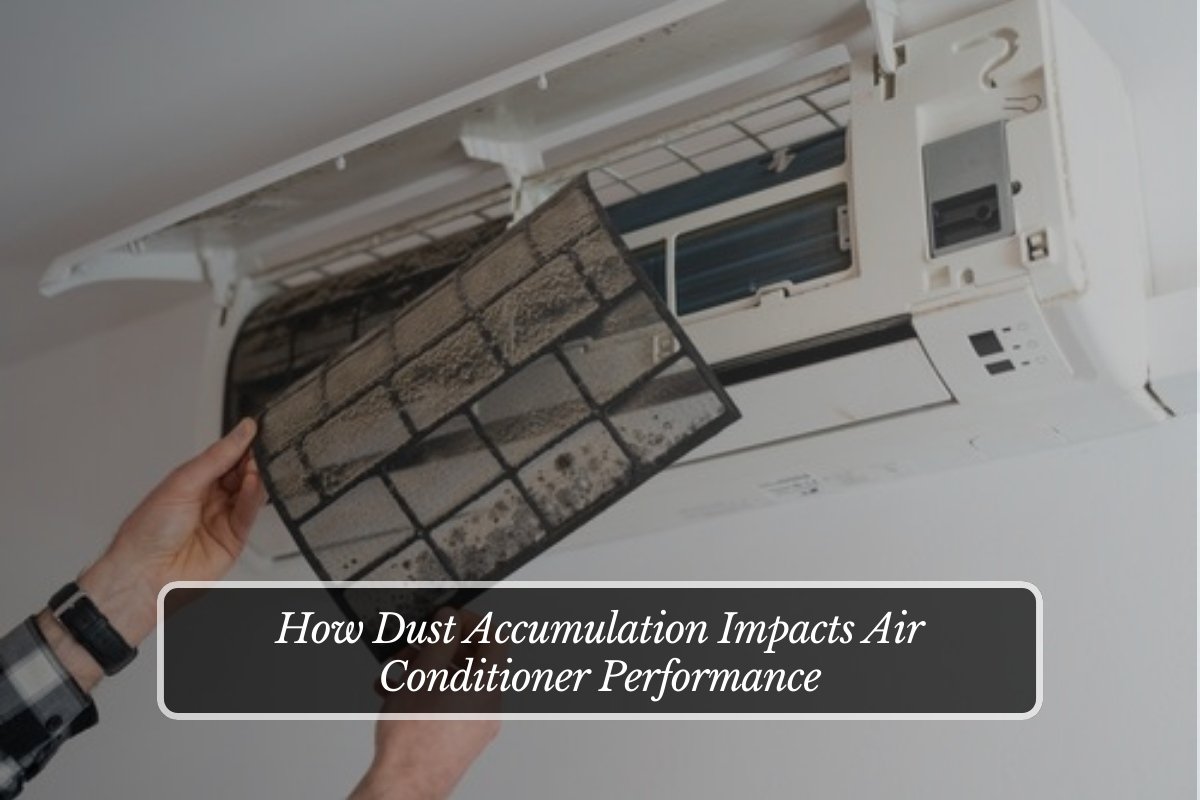
Dust buildup on evaporator and condenser coils restricts airflow, forcing AC units to work 20-30% harder and hike electricity use. Pros clean these thoroughly, restore refrigerant levels, and calibrate thermostats for SEER ratings near 20+, versus neglected systems dropping to 10-12. This precision tuning matches output to demand, ideal for variable climates from Texas to the Midwest.
Breakdown Prevention
Minor issues like loose wiring or low Freon escalate to compressor failures costing $2,000+ without early detection. Biannual inspections spot capacitor wear or belt fraying, fixing them pre-peak season when emergency calls surge 300%. Consistent service cuts downtime 50-70%, keeping homes comfortable without sweltering outages.
Extended System Lifespan
Well-maintained units last 15-20 years versus 10 for DIY-only care, as lubrication reduces friction on fans and motors. Electrical checks prevent shorts that void warranties, while drain cleaning averts mold-induced corrosion. Homeowners save $5,000+ on premature replacements, per industry data on serviced versus neglected systems.
Indoor Air Quality Boost
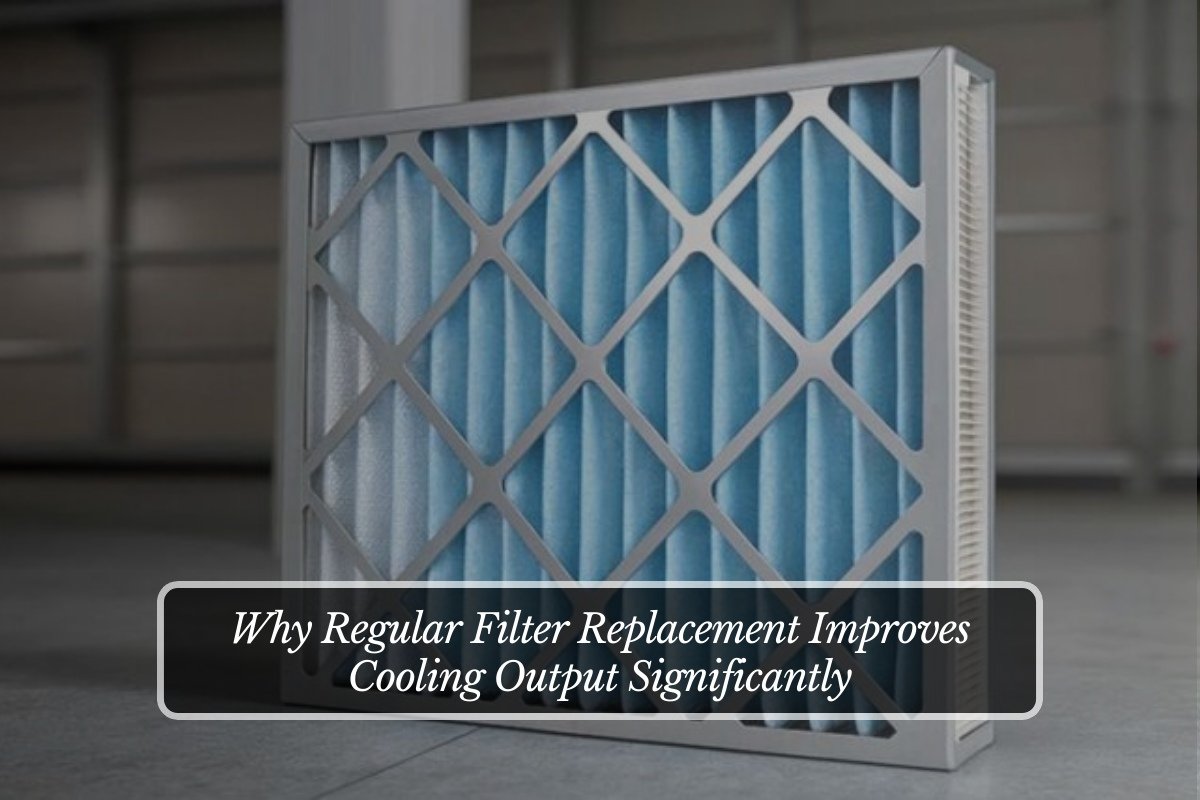
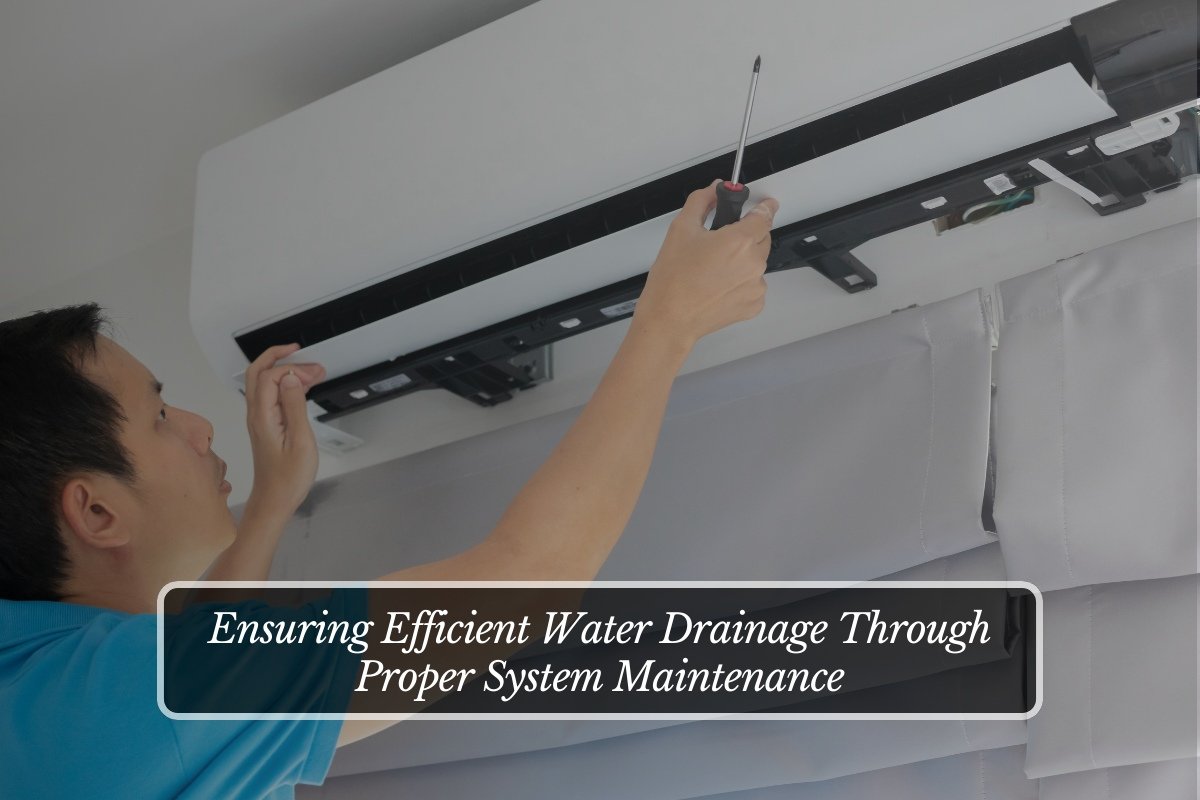
Clogged filters and coils breed allergens; pros swap HEPA-grade media and sanitize ducts, dropping particulate levels 40%. UV lights and antimicrobial coatings added during service kill bacteria, benefiting allergy-prone families. Cleaner air reduces HVAC strain, circling back to efficiency gains in humid regions.
Optimized Refrigerant Management
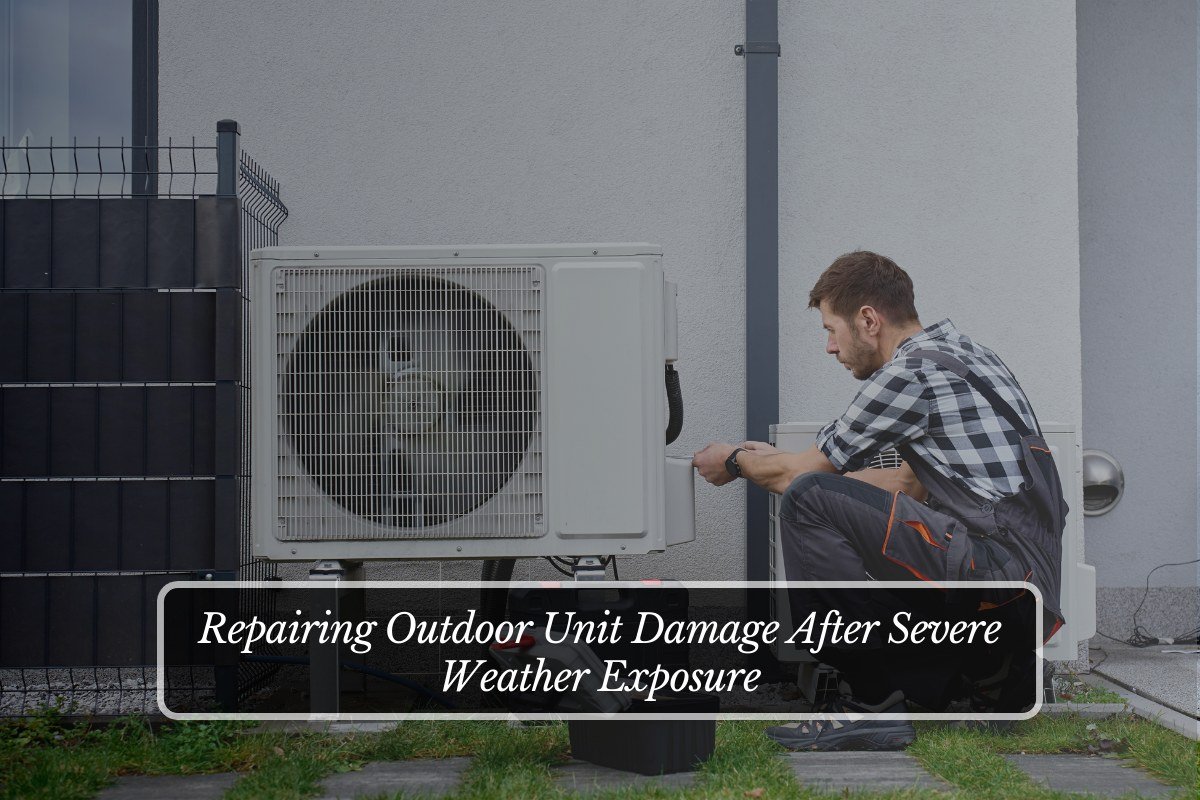
EPA-certified techs handle R-410A or low-GWP blends legally, sealing leaks that leak 10% yearly in older units. Proper charge restores heat transfer, preventing icing or overcooling. This compliance avoids fines and ensures eco-friendly operation amid 2026 phase-downs.
Cost Savings Analysis
Annual contracts at $150-300 yield ROI via 10-15% lower utilities—$200+ yearly for average homes. Fewer parts failures offset fees; tuned systems qualify for rebates under ENERGY STAR programs. Long-term, serviced ACs appreciate 12% more on resale, per real estate metrics.
Smart System Integration
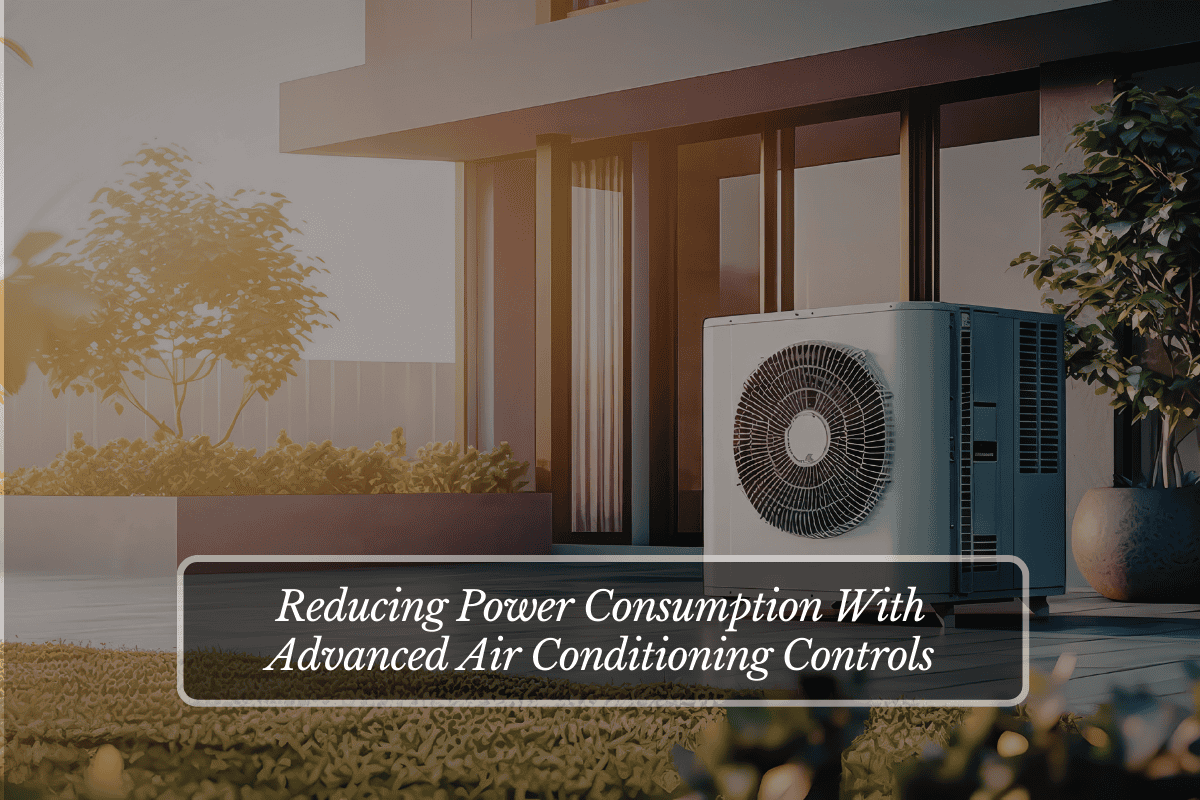
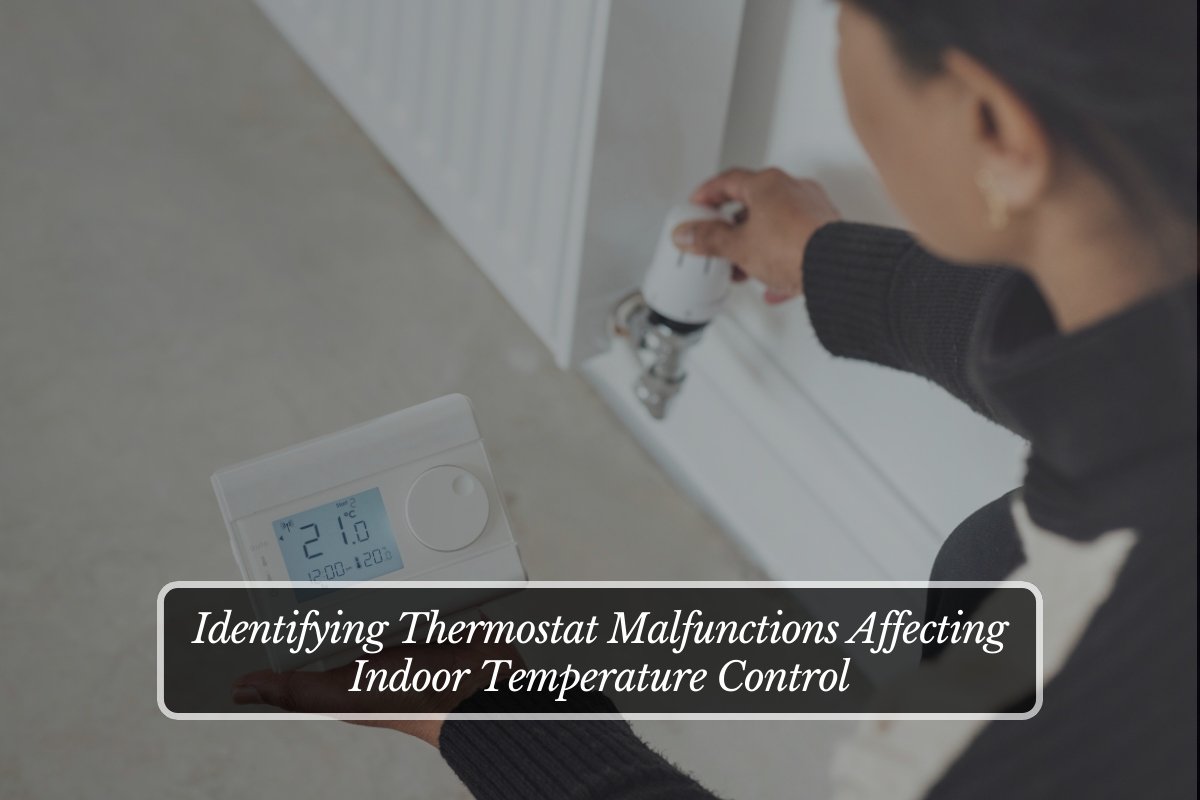
Pros update firmware on WiFi thermostats like Nest, enabling predictive cooling that saves 12% energy. Zoning audits balance multi-room flow, eliminating hot spots. For high-efficiency heat pumps, service verifies reversing valves, doubling value in mild zones.
Seasonal Preparation Tips
Spring tune-ups preempt summer loads; fall checks prep for shoulder-season efficiency. Signs needing service: uneven cooling, odd noises, or 5°F+ temp swings. Ties to your home improvement interests: reliable cooling supports wellness routines year-round.
Professional care transforms ACs from energy hogs to efficient allies, ensuring comfort without compromise.
FAQs
1. How often should ACs get professional service?
Twice yearly—spring for cooling, fall for heating—to catch issues early.
2. Does maintenance lower energy bills?
Yes, 15-20% via clean coils and proper refrigerant, per tech audits.
3. What common problems do pros prevent?
Coil dirt, leaks, capacitor fails—slashing breakdowns 50-70%.
4. Can servicing improve air quality?
Absolutely—filter swaps and duct sanitizing cut allergens 40%.
5. Is professional service worth the cost?
ROI via savings ($200+/year), longer life (5 extra years), and rebates.