Air conditioners are vital for comfort, especially in regions with long, hot seasons. However, many homeowners delay or skip routine AC maintenance to save time or money—only to face much higher repair expenses later. Skipping regular servicing doesn’t just reduce cooling performance but can also trigger serious mechanical issues, reduce lifespan, and increase operating costs. Understanding how preventive maintenance plays a role can save both money and stress in the long run.
How Regular Maintenance Keeps Costs Low
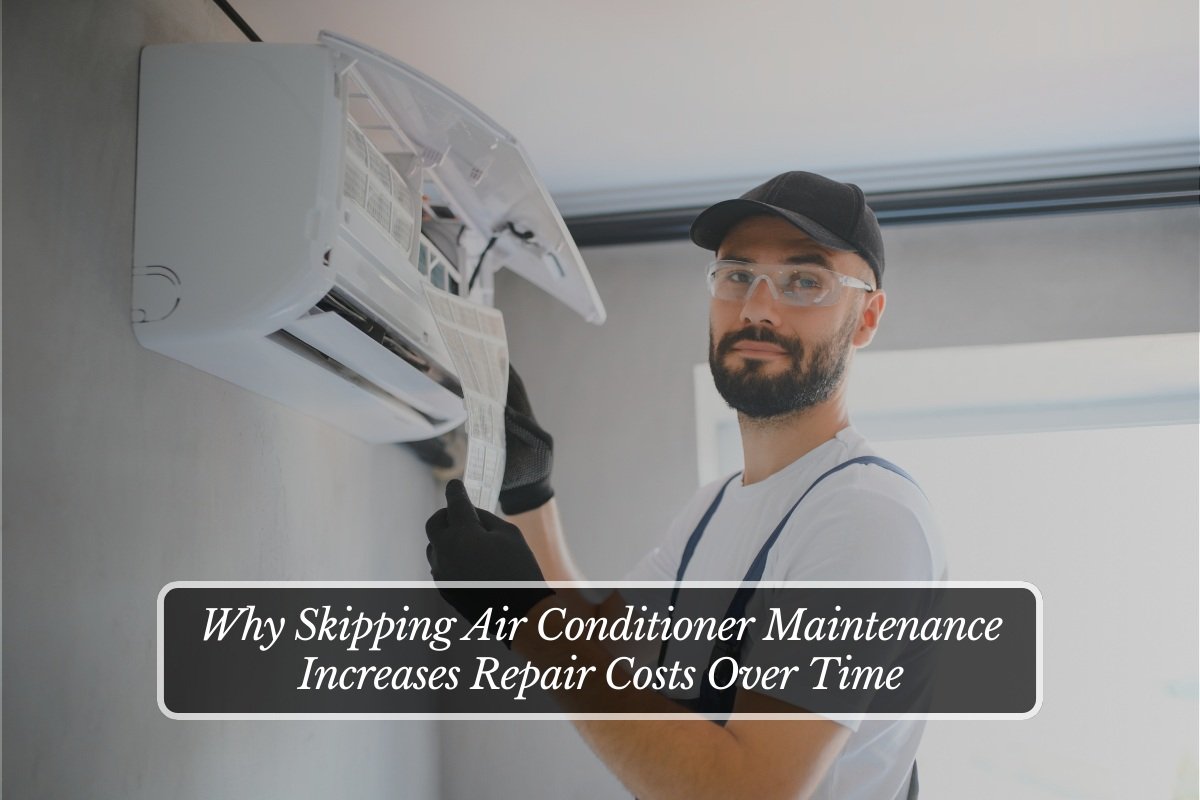
Routine AC maintenance is like an annual health check-up for your cooling system. It ensures that every part functions efficiently and that small problems are fixed before they turn into costly breakdowns.
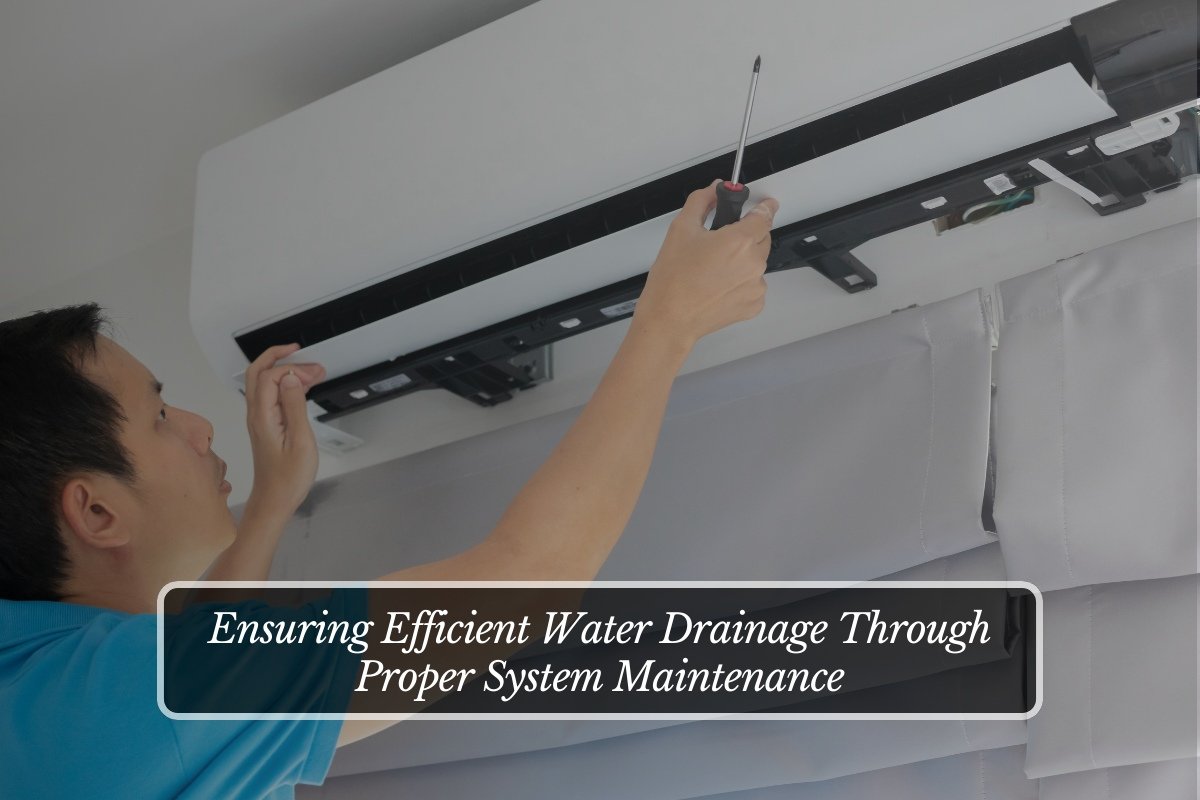
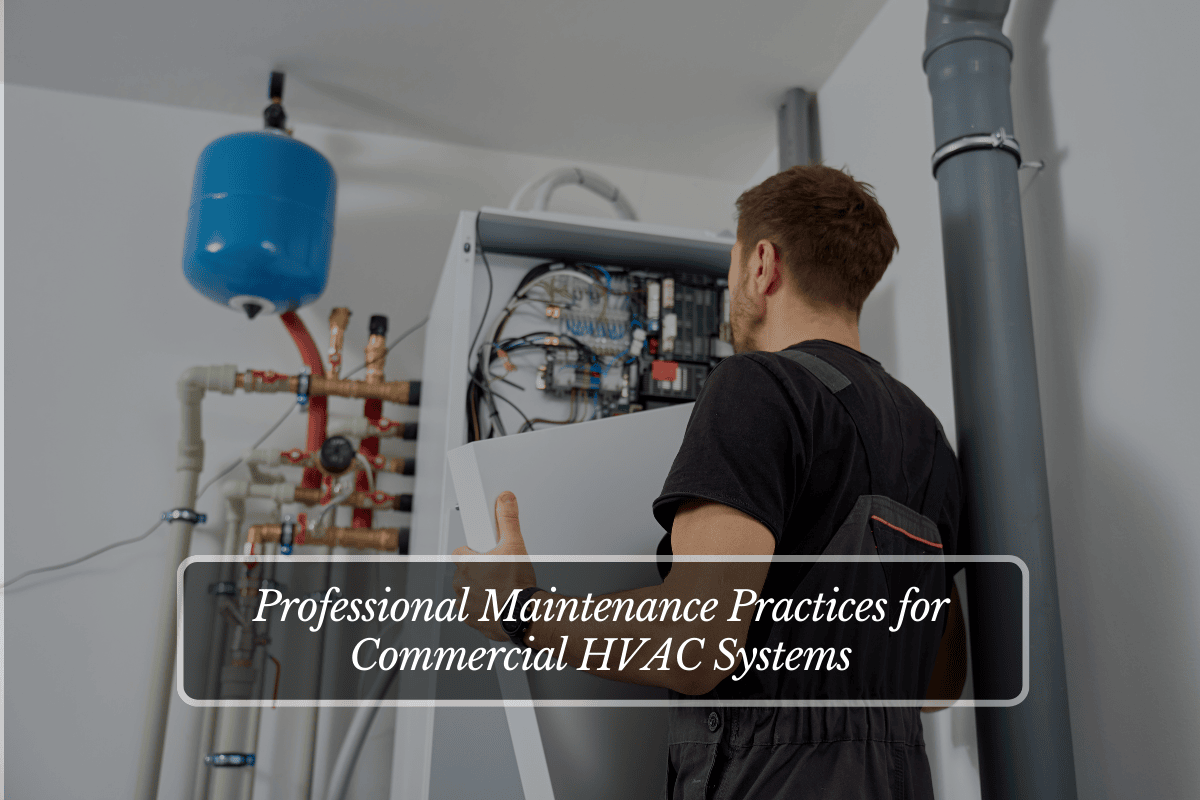
A standard maintenance check typically includes cleaning the air filters and coils, checking the refrigerant level, tightening loose electrical connections, lubricating moving parts, and inspecting the thermostat. These steps keep the airflow steady, efficiency high, and internal components safe from early wear and tear.
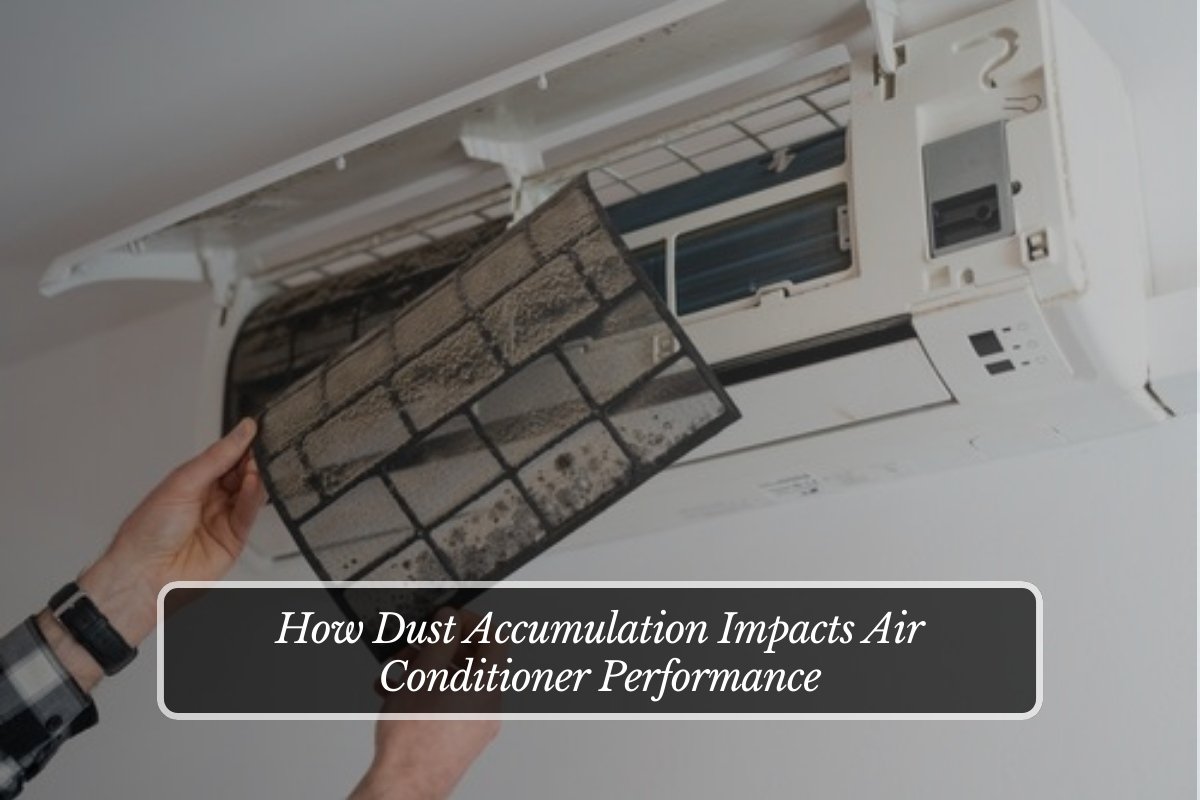
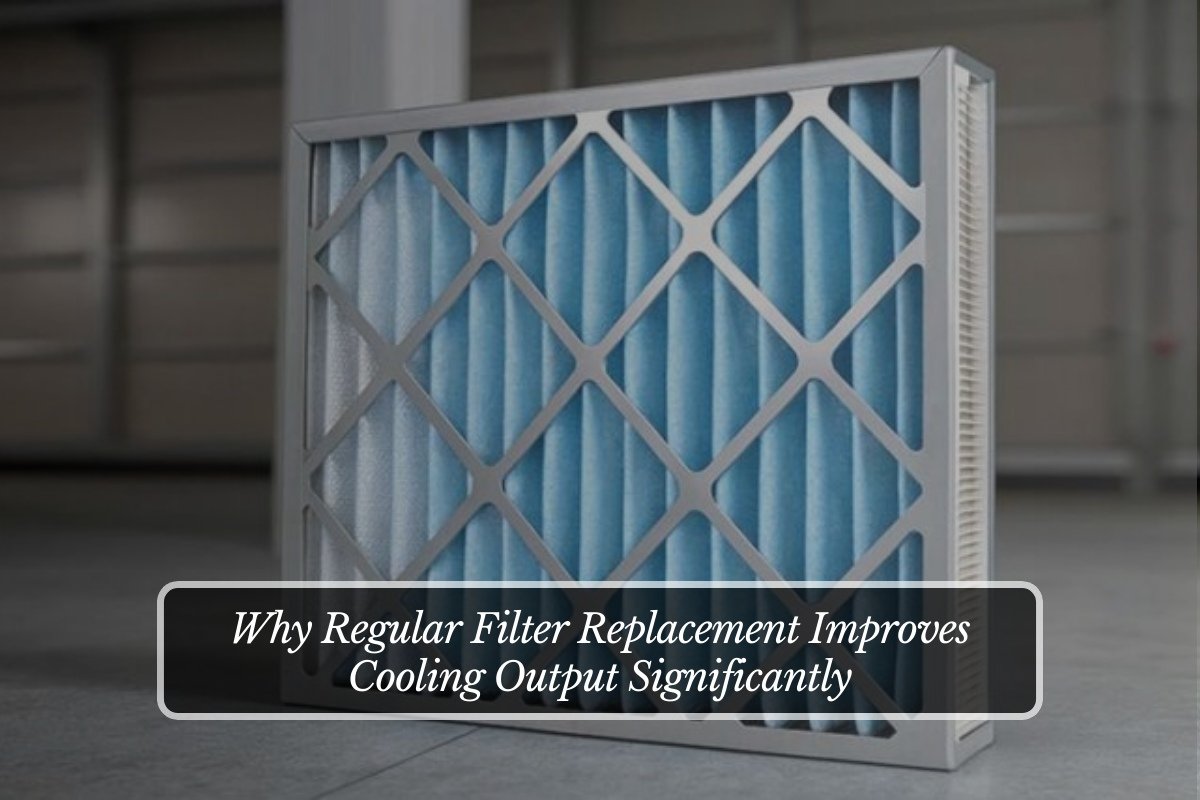
When maintenance is skipped, dust and debris start to accumulate in filters and coils, causing the unit to work harder than necessary. Over time, this increases energy use, raises utility bills, and places additional strain on critical components such as the compressor and fan motor.
The Domino Effect of Neglecting Maintenance
Skipping an annual service may seem harmless, but the impact compounds over time.
- Reduced Efficiency: Dirty filters and coils restrict airflow, forcing the system to operate longer cycles to achieve the same temperature. This not only increases energy bills but also accelerates component wear.
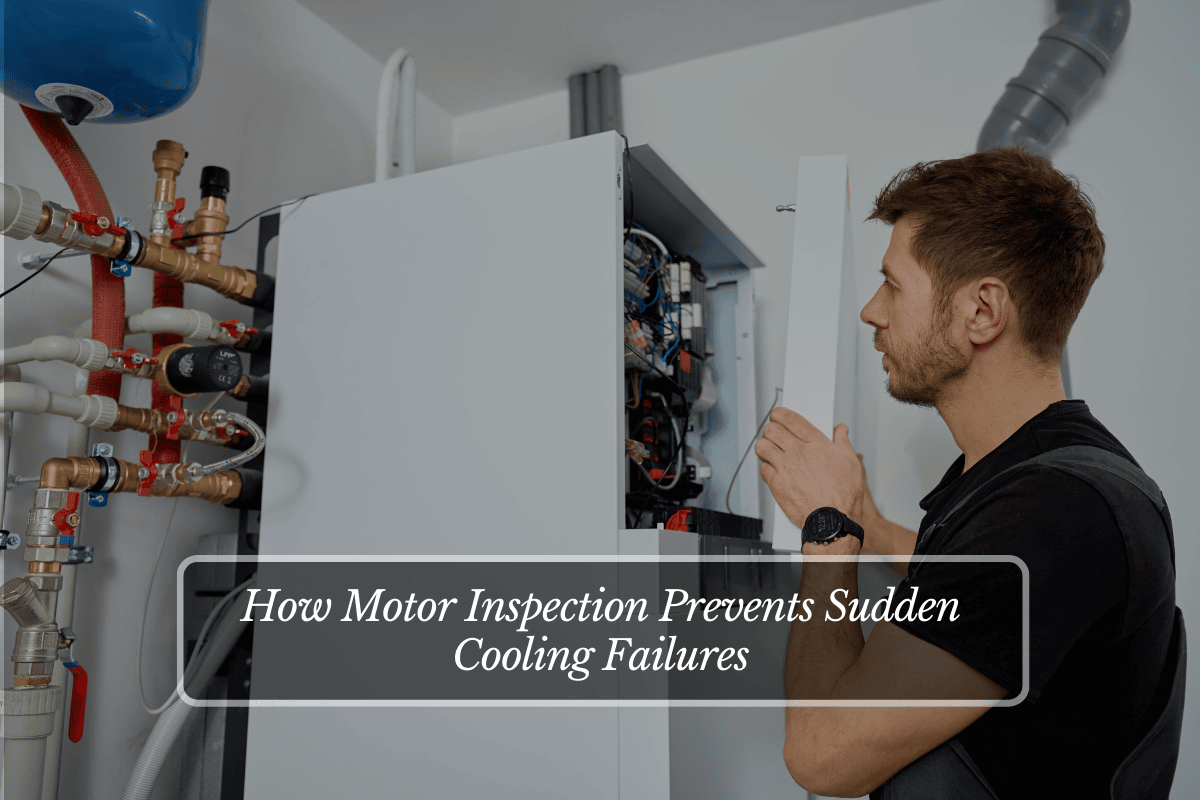
- Increased Component Stress: When airflow decreases, the compressor and blower motor overheat and strain, dramatically increasing the chance of malfunction. Replacing these parts can cost thousands of rupees or dollars, depending on your model.
- Refrigerant Problems: Undetected leaks can cause your AC to lose refrigerant, leading to poor cooling and possible compressor damage—a particularly expensive repair.
- Electrical Issues: Loose wiring or a failing capacitor may not show symptoms initially, but they can result in sudden breakdowns or even pose safety hazards.
- Shortened Lifespan: A well-maintained AC can last 12–15 years, but neglect may cut that lifespan by nearly half.
Essentially, routine maintenance acts as preventive care that stops minor issues from escalating into major, costly problems.
The Hidden Costs of Poor Maintenance
While the direct repair costs are easy to see, there are other less noticeable expenses tied to neglected AC care.
- Higher Energy Bills: A poorly maintained air conditioner loses about 5% of its efficiency each year. What seems like a small drop can translate to hundreds of extra rupees or dollars on utility bills annually.
- Reduced Comfort: An unmaintained AC cannot evenly cool your home, leading to hot spots or poor humidity control.
- Health Risks: Dirty filters and coils become breeding grounds for mold, dust mites, and bacteria, which circulate through your living space and degrade indoor air quality.
- Frequent Breakdowns: An AC that hasn’t been serviced is far more likely to fail on the hottest days, when it’s working its hardest—and when technicians are busiest, which can increase repair wait times and costs.
- System Replacement: Ultimately, skipping maintenance accelerates system failure, forcing premature replacement. Buying a new air conditioner can cost 10–15 times more than an annual service plan.
How Preventive Maintenance Saves Money
Regular servicing not only lowers the chances of costly repairs but also helps you plan financially. Most AC repair costs spike because problems go unnoticed until too late. For instance, clearing a clogged drain line or replacing a $10 capacitor during routine service can prevent a future $500 repair.
Additionally, maintenance helps sustain manufacturer warranties. Many warranty terms require proof of regular professional servicing. If you skip maintenance, the manufacturer may reject warranty claims, leaving you to pay the full repair cost out of pocket.
Preventive care also preserves the system’s energy efficiency rating. A well-maintained air conditioner operates at optimal efficiency, using less electricity for the same cooling output, which directly reduces monthly expenditures.
Professional vs. DIY Maintenance
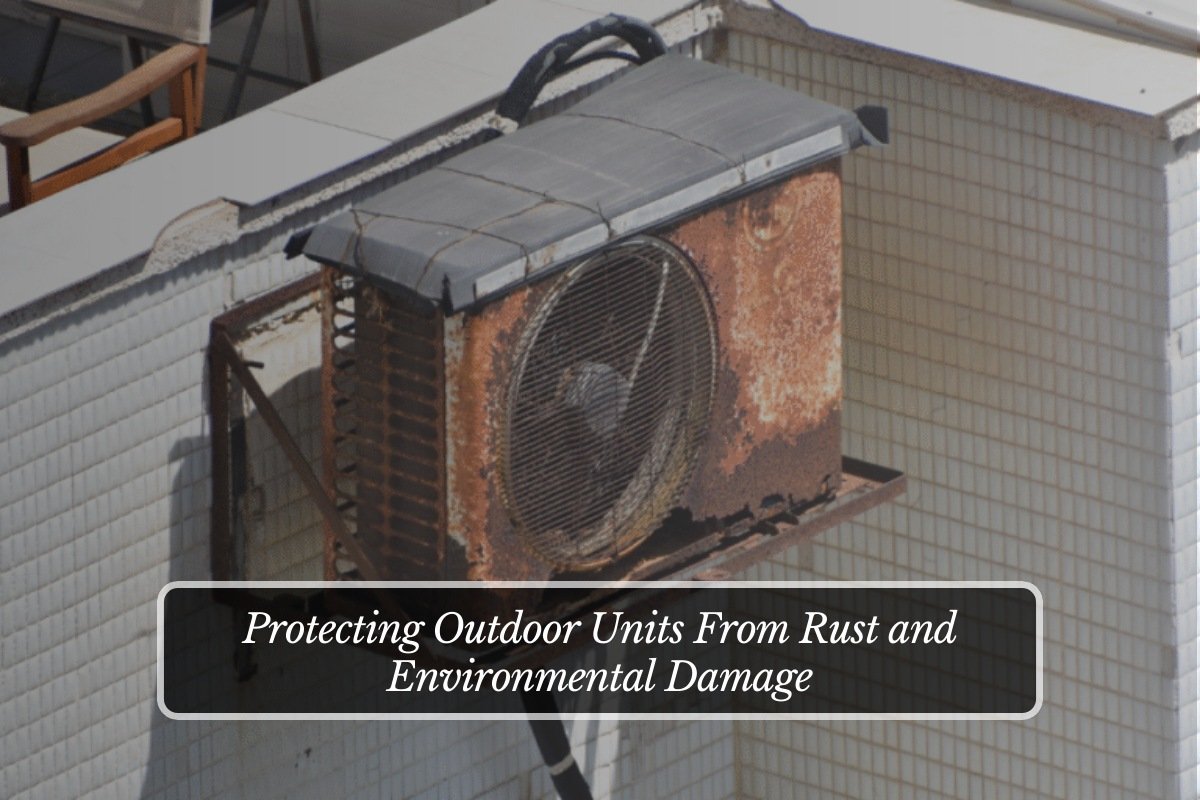
Some maintenance tasks, such as cleaning or replacing filters every one to three months, can be done at home. Homeowners can also keep outdoor units clear of leaves and debris for better airflow. However, professional maintenance provides deeper checks, such as refrigerant pressure testing, coil cleaning, and electrical diagnostics—essential for long-term reliability.
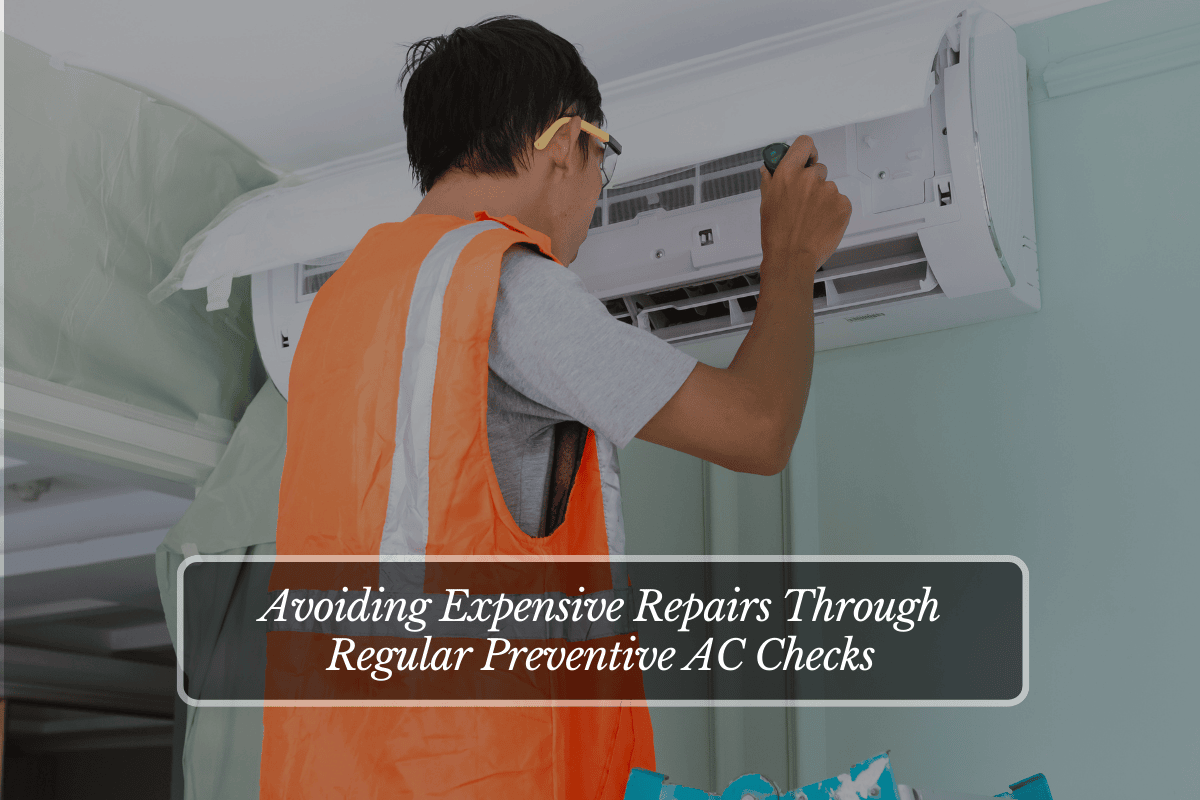
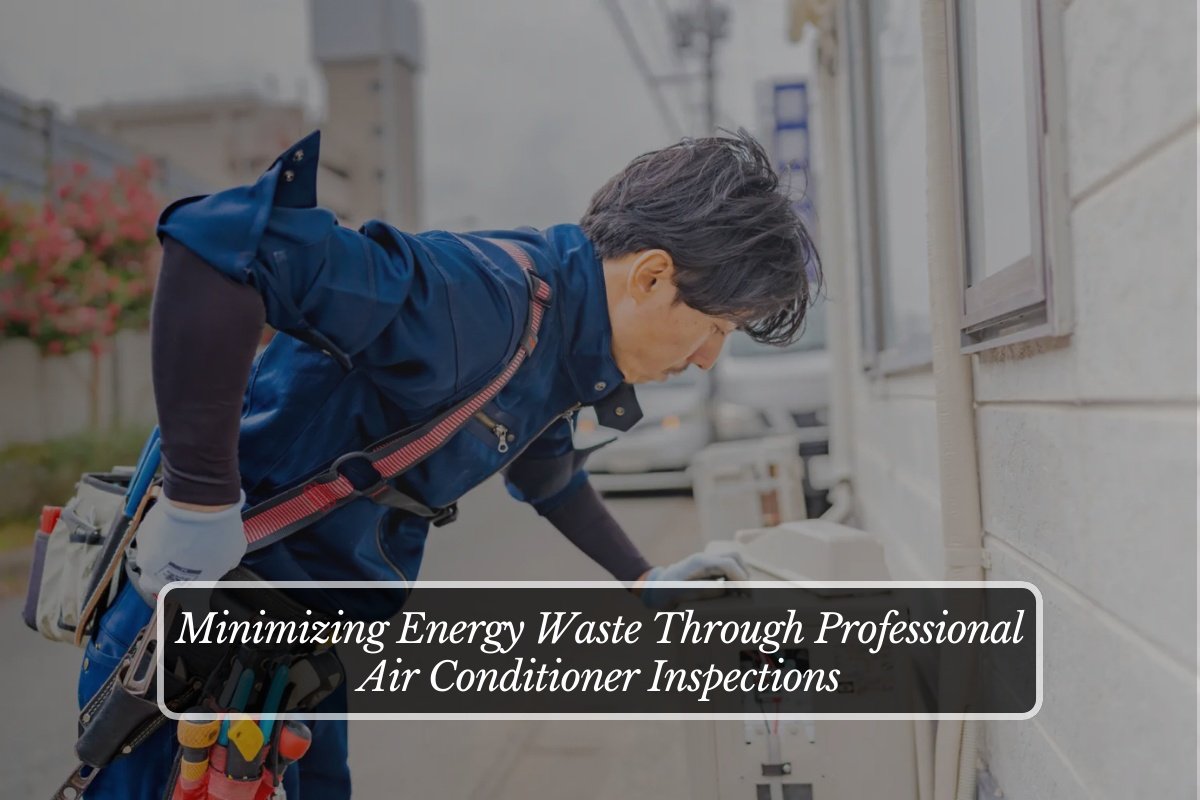
Professional technicians have the tools and training to identify small issues the average homeowner may overlook, preventing minor wear from snowballing into expensive damage. Ideally, a professional inspection should be scheduled at least once per year, preferably before summer begins.
Frequently Asked Questions (FAQ)
1. How often should an AC unit be serviced?
Most experts recommend annual servicing, ideally before the start of the cooling season. In areas with heavy usage or dusty conditions, twice a year may be beneficial.
2. What does a standard AC maintenance visit include?
It usually includes cleaning filters and coils, checking refrigerant levels, tightening electrical connections, lubricating parts, checking thermostat accuracy, and inspecting the condensate drain.
3. How can I tell if my AC needs maintenance right away?
Warning signs include weak airflow, higher electricity bills, strange noises, water leaks, or inconsistent cooling.
4. Can skipping maintenance void my warranty?
Yes. Many manufacturers require proof of regular maintenance by a qualified technician to honor warranty claims. Skipping maintenance could lead to losing warranty protection entirely.
5. Is professional servicing really worth it?
Absolutely. The minor cost of annual servicing is far less than the potential expense of replacing a compressor or system prematurely. Proper maintenance pays for itself through reduced repair costs and energy savings.