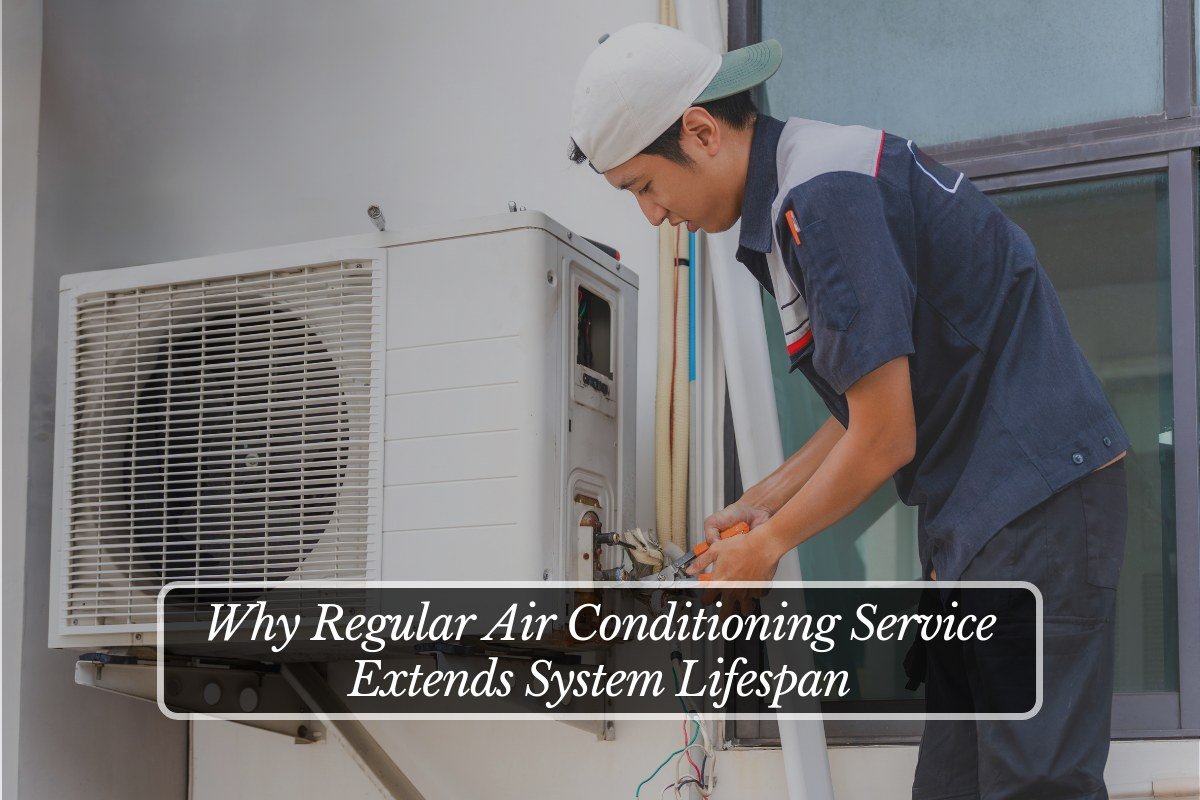
Regular air conditioning service significantly extends system lifespan by preventing minor issues from escalating into major failures, with well-maintained units lasting 15-20 years compared to 5-10 years for neglected ones.
Professional tune-ups clean coils, optimize refrigerant, and detect wear early, reducing strain that causes 30-50% premature breakdowns while cutting energy use by 15-25%. Homeowners investing in biannual maintenance avoid $5,000+ replacement costs, ensuring reliable cooling amid rising summer demands.
Preventing Component Wear and Tear
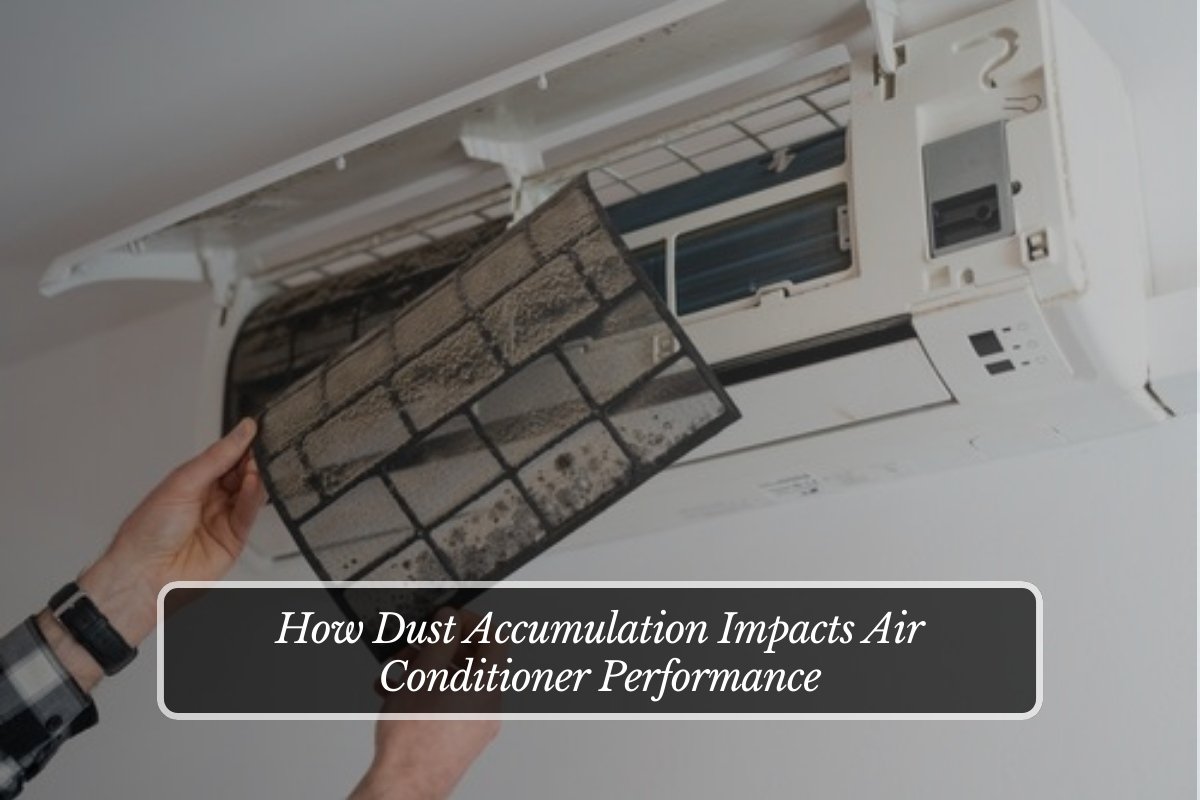
Dust and debris accumulate on evaporator and condenser coils, insulating them and forcing compressors to overwork, shortening lifespan by 20-30%. Service technicians clean these surfaces, restoring heat transfer efficiency and reducing runtime by 10-15%, as dirty coils demand 35% more energy.
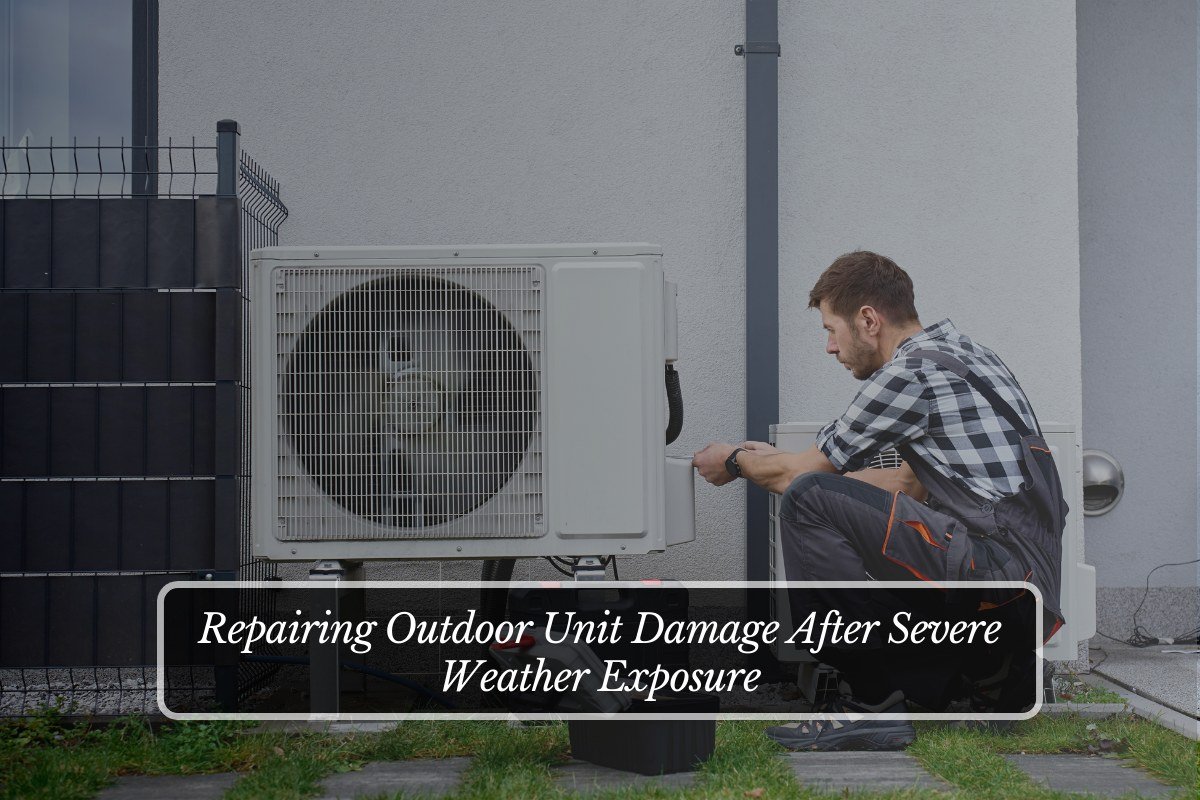
Loose electrical connections and worn belts spark failures; inspections tighten and replace them, averting 40% of electrical breakdowns. Refrigerant leaks, undetected, starve systems of coolant, damaging compressors costing $1,500+; recharges and seals during service maintain optimal levels.
Enhancing Energy Efficiency
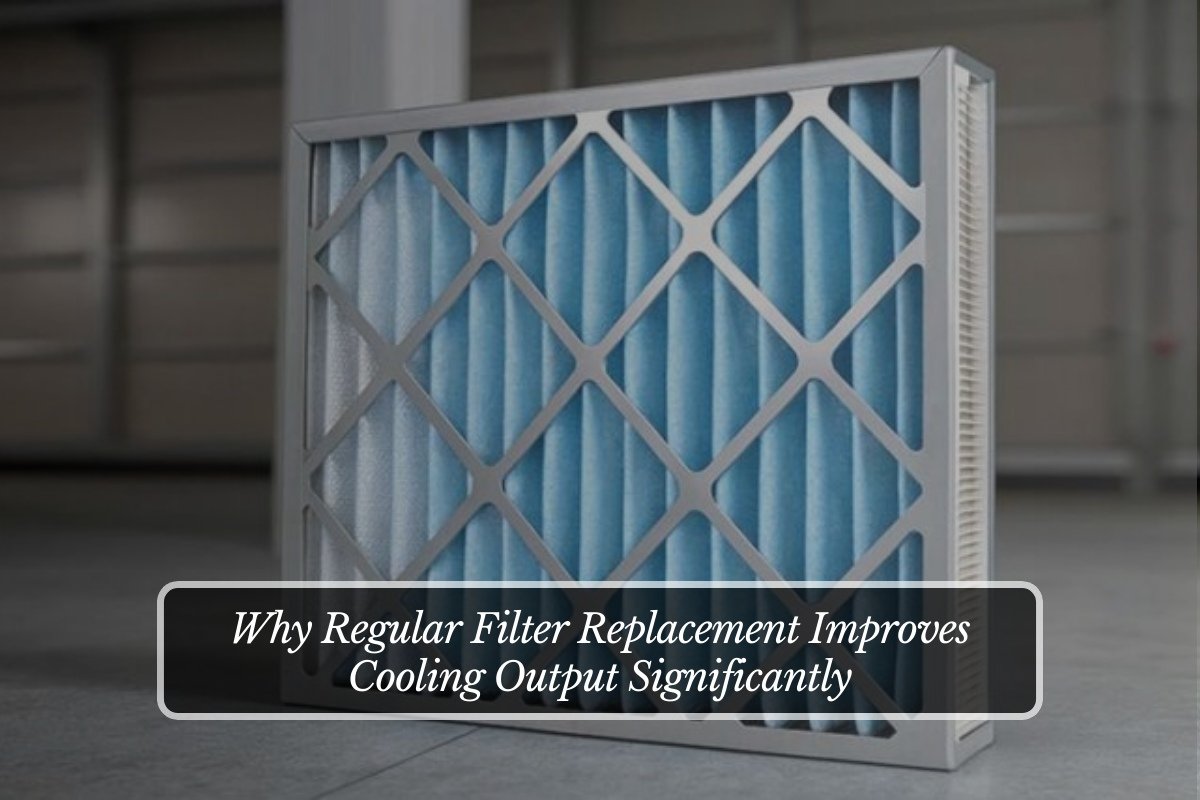
Clogged filters restrict airflow, straining blowers and dropping SEER ratings 20%; monthly changes during service restore 95% efficiency. Straightening bent fins with combs ensures even refrigerant flow, preventing hotspots that degrade coils prematurely.
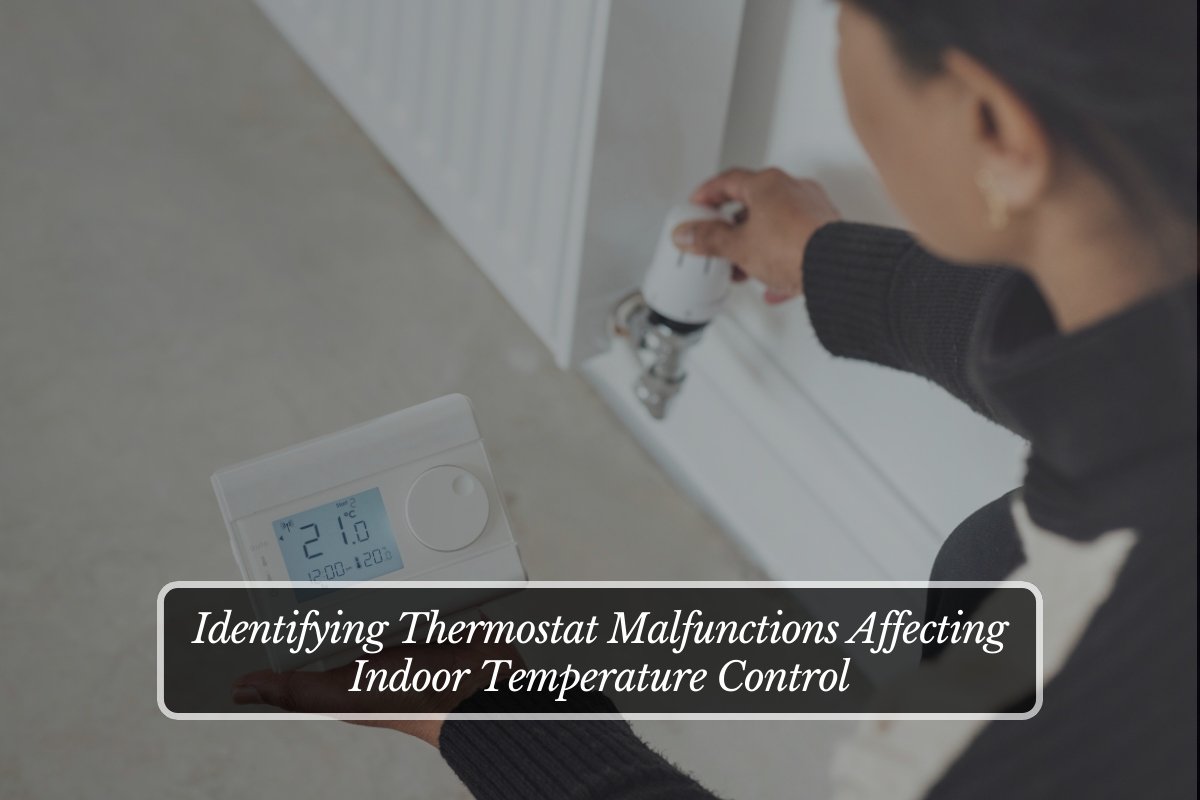
Optimal thermostat calibration and duct sealing eliminate 10-20% leaks, balancing loads across zones. Maintained systems cycle less frequently, cutting wear cycles by 25% and utility bills proportionally.
Early Detection of Hidden Issues
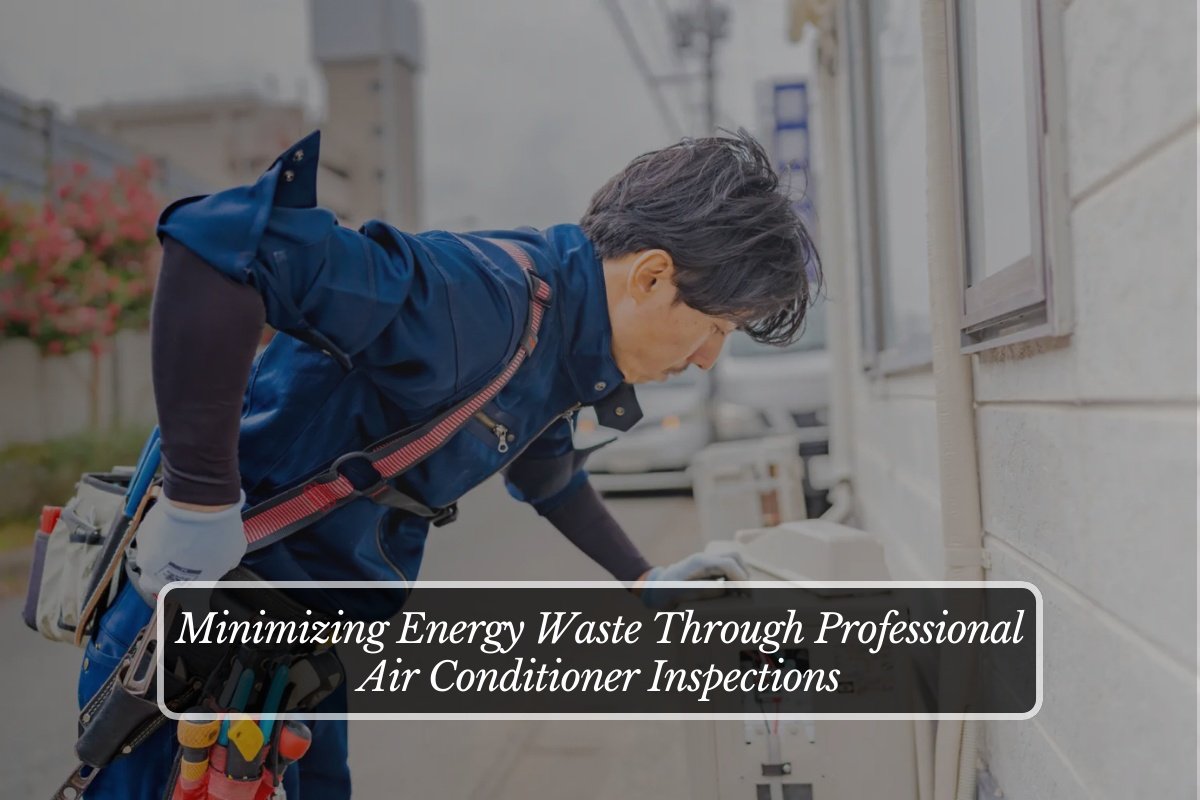
Technicians use gauges, thermography, and airflow meters to spot failing capacitors, motors, or thermostats before symptoms appear, resolving 70% of issues pre-failure. Vibration analysis flags imbalanced fans; pressure tests reveal micro-leaks invisible to owners.
Annual checks validate warranties—many void without service records—saving thousands on covered repairs like compressor swaps. In humid climates, antimicrobial treatments prevent mold in coils, extending drain lines 50% longer.
Improving Indoor Air Quality and Safety
Clean coils and filters trap 90% more pollutants, reducing allergens and extending system health by minimizing biological buildup. Service flushes condensate lines, preventing overflows that corrode pans and void warranties.
Safety checks eliminate carbon monoxide risks from heat exchangers and ensure safe refrigerant handling under EPA rules. Better IAQ lowers respiratory issues, indirectly preserving usage patterns that overstress neglected units.
Cost Savings and ROI Analysis
Service costs $100-200 biannually yield 5-10x ROI via 15% energy savings ($200+/year) and averted $2,000 emergencies. Systems last 50% longer, amortizing $8,000 units over decades versus hasty replacements.
Quarterly checks in harsh climates boost expectancy 50%; programmable thermostats integrate for 7-10% further gains.
Best Practices for Homeowners
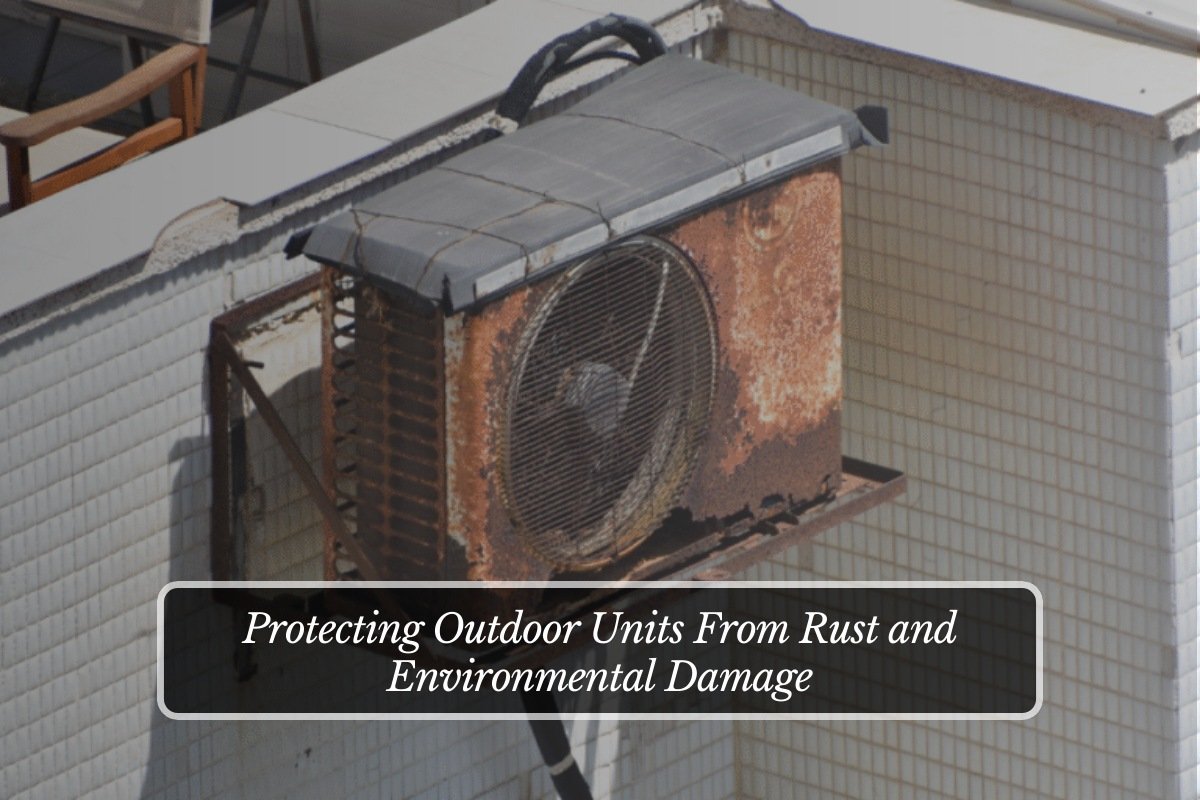
Schedule spring/fall tune-ups; change filters monthly; clear outdoor units of debris. Use soft brushes for coils; monitor for uneven cooling signaling issues. Smart thermostats auto-adjust, reducing cycles 20%.
DIY limits to filters—leave electrical/refrigerant to NATE-certified pros for safety.
Long-Term System Health Trends
2025 sees IoT sensors for predictive alerts, extending life via app notifications. Variable-speed units with maintenance hit 25+ years; EPA Phaseout accelerates eco-refrigerants needing vigilant service.
FAQs
Q. How much longer do serviced ACs last?
15-20 years vs. 5-10 neglected; maintenance prevents 30-50% breakdowns via early fixes.
Q. Why clean coils during service?
Removes insulating dirt, restoring efficiency and cutting compressor strain 20-30%.
Q. Does filter changing extend lifespan?
Yes, unrestricted airflow reduces blower wear, boosting SEER 20% and runtime.
Q. What early issues do tune-ups detect?
Leaks, loose wires, failing capacitors—resolving 70% pre-failure for $ savings.
Q. How does service save energy costs?
15-25% via optimal refrigerant/airflow, yielding $200+/year on $8K units.