Air conditioner cooling issues are among the most common homeowner complaints during hot weather. Whether your system is blowing warm air, cooling unevenly, or running continuously, identifying the root cause quickly can prevent expensive repairs.
This guide explains how to troubleshoot common cooling problems effectively before calling for professional service.
Step 1: Confirm Basic Settings
Before assuming a mechanical fault, verify:
- Thermostat is set to Cool mode
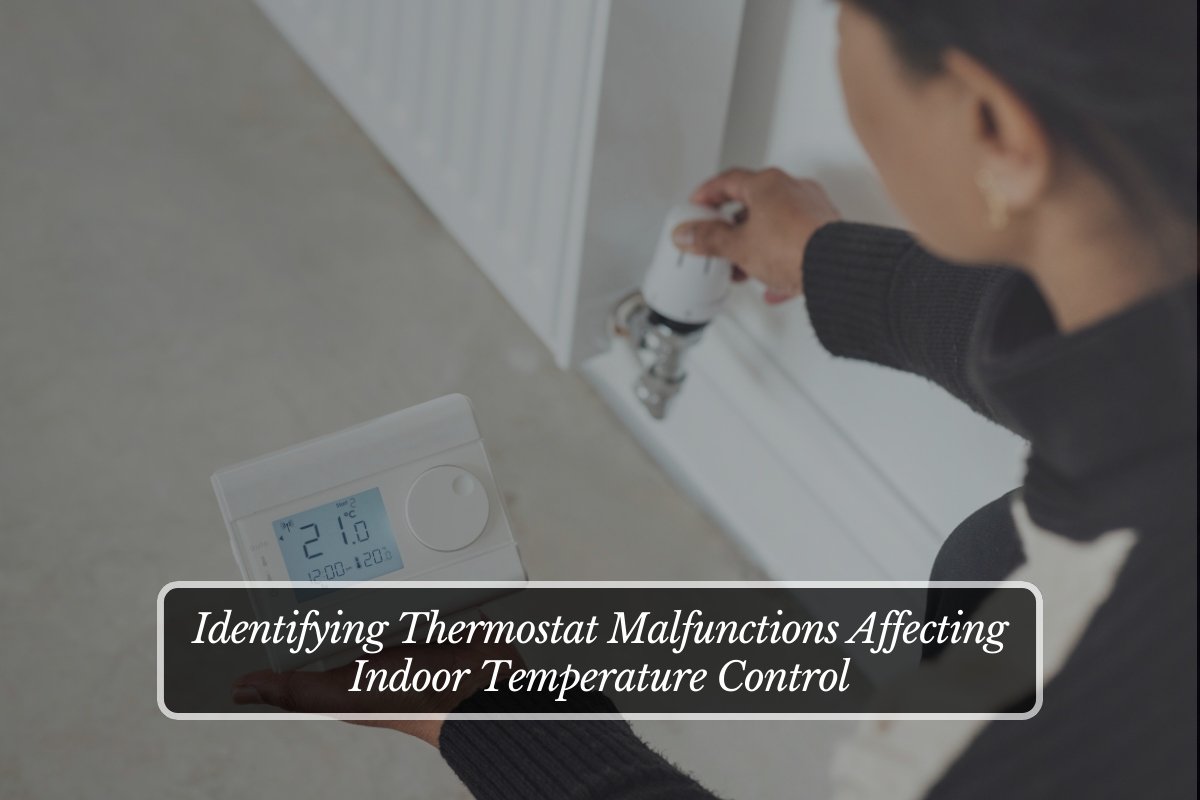
- Temperature is set lower than room temperature
- Fan setting is on “Auto” (not just “On”)
- Circuit breakers have not tripped
Simple setting errors account for many service calls.
1. AC Blowing Warm Air
Possible Causes
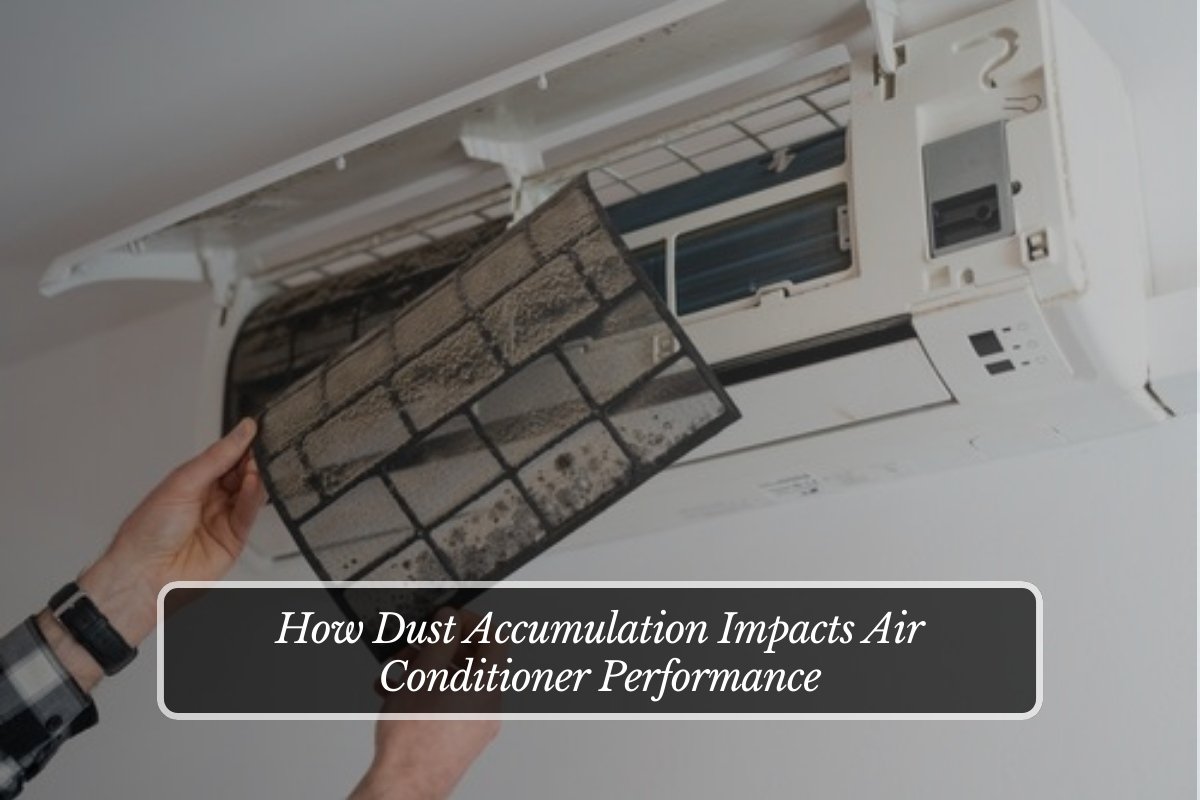
- Dirty air filter
- Low refrigerant levels
- Dirty condenser coils
- Compressor malfunction
Quick Troubleshooting
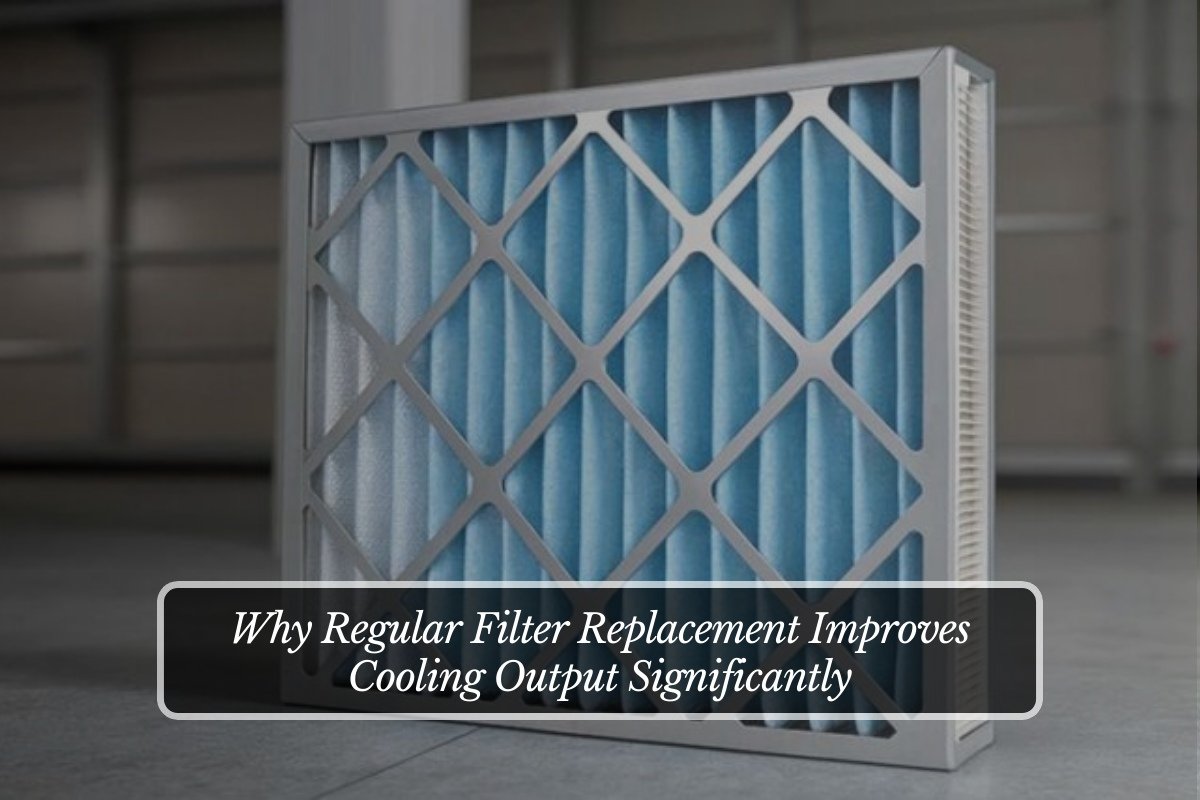
- Replace or clean the air filter.
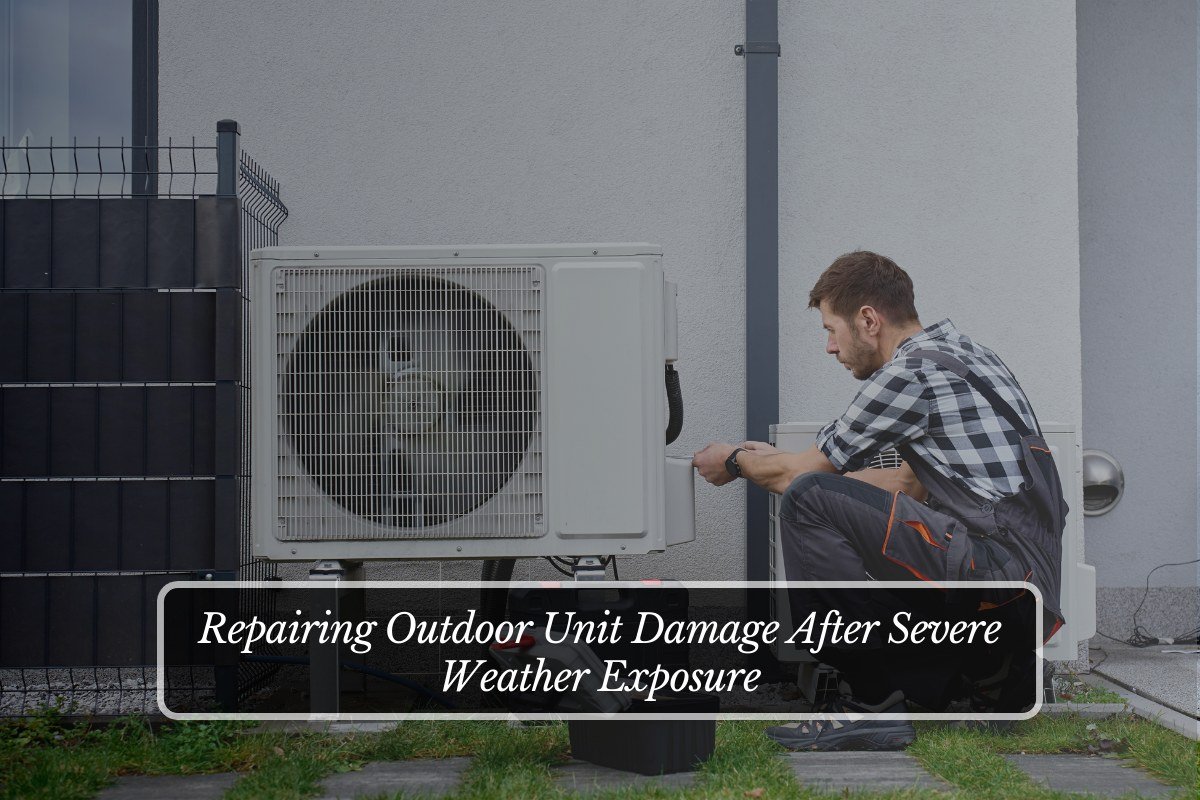
- Inspect outdoor unit for debris.
- Ensure condenser fan is running.
- Check if refrigerant lines feel cool (avoid touching exposed wiring).
If warm air persists, professional refrigerant inspection may be required.
2. Weak or Reduced Airflow
Common Causes
- Clogged air filters
- Blocked vents
- Duct leaks
- Frozen evaporator coils
Solutions
| Problem | Action |
|---|---|
| Dirty Filter | Replace immediately |
| Blocked Vent | Remove obstructions |
| Frozen Coil | Turn off system and allow thawing |
| Duct Leakage | Schedule duct inspection |
Frozen coils often result from airflow restriction or low refrigerant.
3. AC Running Constantly Without Cooling
When the system runs nonstop but fails to cool adequately:
Potential Reasons
- Extremely high outdoor temperatures
- Dirty coils reducing heat exchange
- Improper system sizing
- Poor home insulation
What You Can Do
- Close blinds to reduce heat gain
- Check filter condition
- Inspect outdoor unit for dirt buildup
- Avoid frequent thermostat adjustments
If runtime remains excessive even in moderate weather, a professional efficiency evaluation is recommended.
4. Uneven Cooling Between Rooms
Some rooms feel cool, others remain warm.
Likely Causes
- Duct imbalance
- Poor insulation
- Closed dampers
- Blocked returns
Quick Fixes
- Ensure all vents are open
- Use ceiling fans to improve circulation
- Seal window gaps
- Check attic insulation
Zoning systems may help in larger homes.
5. Ice Forming on AC Unit
Ice buildup is a serious warning sign.
Causes
- Low refrigerant
- Restricted airflow
- Dirty evaporator coil
Immediate Action
- Turn off AC.
- Switch fan to “On” to thaw ice.
- Replace filter.
- Call technician if ice returns.
Running the system while frozen can damage the compressor.
6. AC Turns On and Off Frequently (Short Cycling)
Short cycling increases wear and energy costs.
Causes
- Oversized unit
- Thermostat placement issues
- Electrical faults
- Refrigerant imbalance
Professional inspection is often necessary if short cycling persists.
7. Unusual Noises During Operation
| Noise Type | Possible Cause |
|---|---|
| Buzzing | Electrical issue |
| Grinding | Motor bearing problem |
| Clicking | Relay or capacitor issue |
| Hissing | Refrigerant leak |
Strange noises should never be ignored, as they often signal early-stage failure.
8. High Electricity Bills with Normal Cooling
If cooling feels adequate but energy costs spike:
- Replace filters
- Clean condenser coils
- Check thermostat calibration
- Inspect duct leakage
Inefficiency can increase power usage by 15–30% over time.
Preventive Tips to Avoid Cooling Complaints
- Replace filters monthly in summer
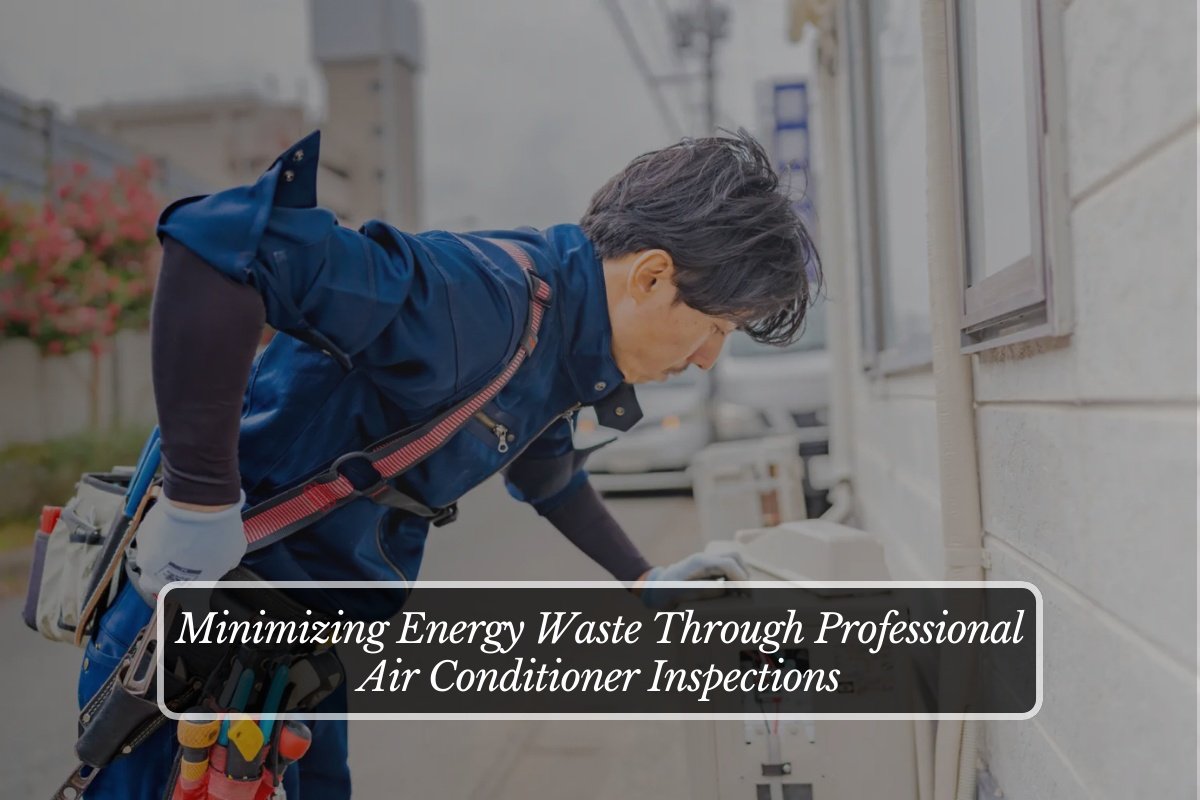
- Schedule annual professional maintenance
- Keep outdoor unit area clear (2–3 feet clearance)
- Seal doors and windows
- Avoid setting thermostat excessively low
Small maintenance habits prevent most cooling problems.
When to Call a Professional
You should seek professional help if:
- Refrigerant issues are suspected
- Ice repeatedly forms
- Compressor fails to start
- Electrical issues occur
- Cooling remains inadequate after basic troubleshooting
Prompt servicing prevents minor problems from escalating.
FAQs
Why is my AC running but not cooling?
Dirty filters, low refrigerant, or condenser problems are common causes.
How often should filters be replaced?
Every 30 days during heavy summer use.
Is ice on the AC unit dangerous?
Yes. It indicates airflow or refrigerant issues and can damage the compressor.
When should I call a technician?
If basic troubleshooting fails or you suspect refrigerant or electrical problems.