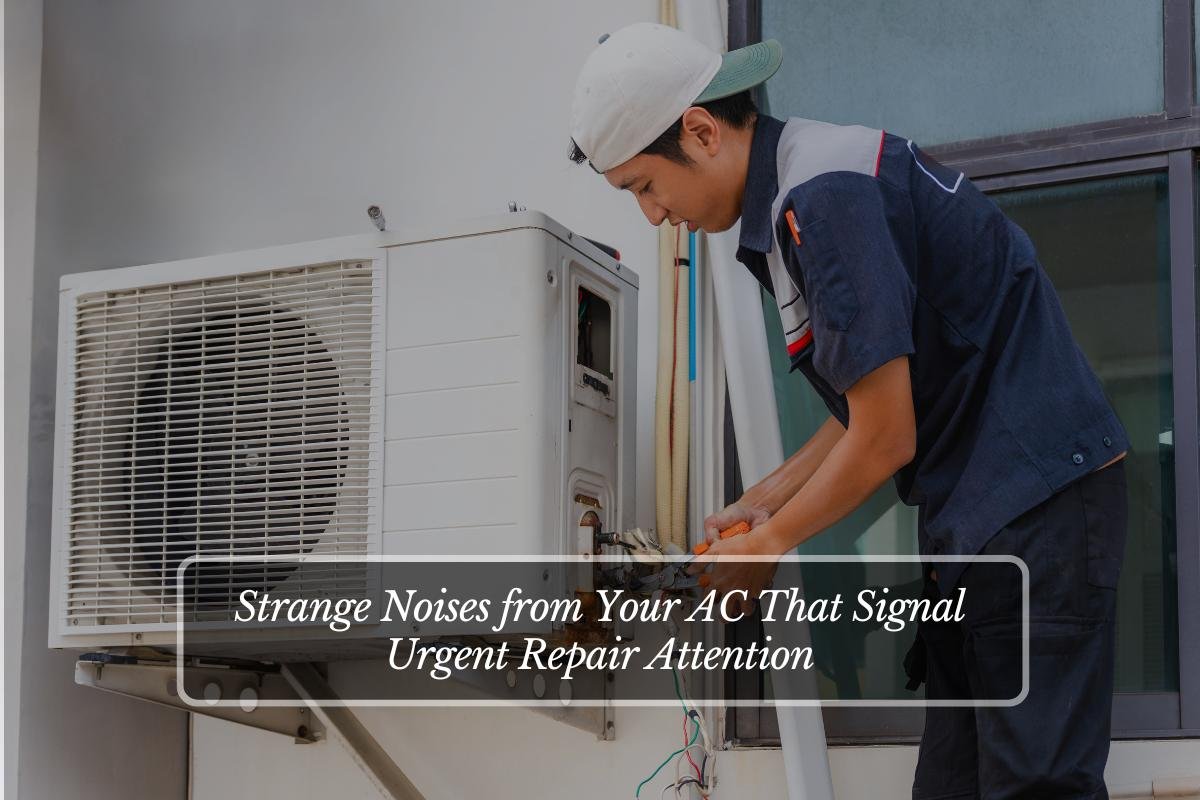
Strange noises from your AC unit signal potential breakdowns, especially critical in hot U.S. summers where failure strands families without cooling. Normal operation hums softly, but banging, screeching, or buzzing demands urgent repair to avoid $5K+ compressor replacements or safety risks like electrical fires. Technicians from One Hour and Goettl emphasize immediate calls, as DIY ignores refrigerant hazards and warranties.
Banging and Clanking Noises
Loud bangs or clanks often mean loose parts in the compressor—pistons, rods, or crankshafts rattling—or an unbalanced blower fan. In ductwork, expanding metal pops normally on startup, but persistent banging risks further damage or shrapnel from explosions. Shut off immediately; pros secure components, common in aging 10+ year units prevalent across Texas to California.
Screeching and Squealing Sounds
High-pitched screeches point to worn fan belts slipping, unlubricated motors, or compressor overpressure—grinding metal-on-metal accelerates failure. Squealing blower wheels need balancing. These escalate fast in humid Southeast, voiding warranties if ignored. Replace belts ($100-300); motor swaps run $500+.
Buzzing and Humming Vibrations
Electrical buzzing signals failing motors, loose wiring, or arcing—fire hazard demanding power cut. Overloaded capacitors hum loudly. RPM issues from bad bearings cause whirring. Common in coastal salt-corroded units; annual maintenance prevents, but urgent fixes average $200-800.
Whistling and Hissing Alerts
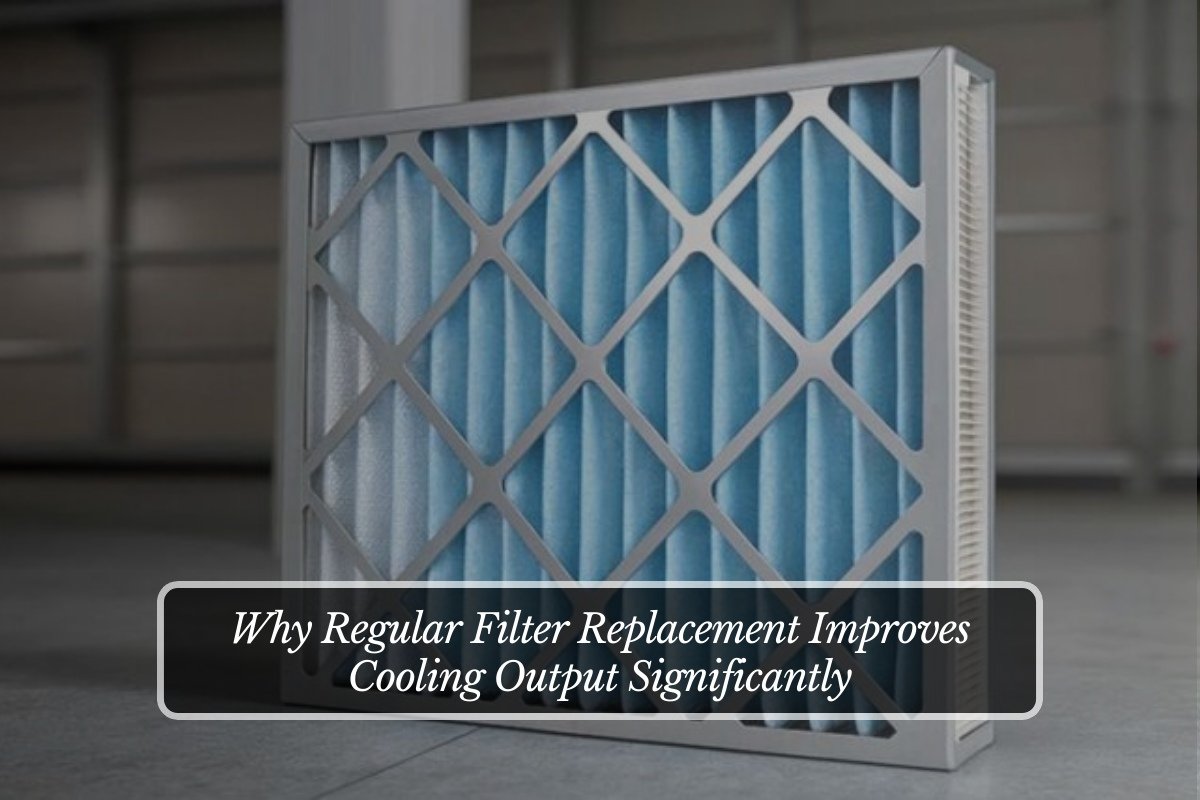
Whistling indicates dirty filters restricting airflow, duct leaks, or blocked vents—forcing strain. Hissing refrigerant leaks (gurgling/bubbling) release toxic gas, nauseating occupants; illegal venting per EPA. Clogged drains gurgle water backups, risking mold. Change filters first ($20), but leaks need EPA-certified techs ($400-1500).
Rattling and Clicking Cycles
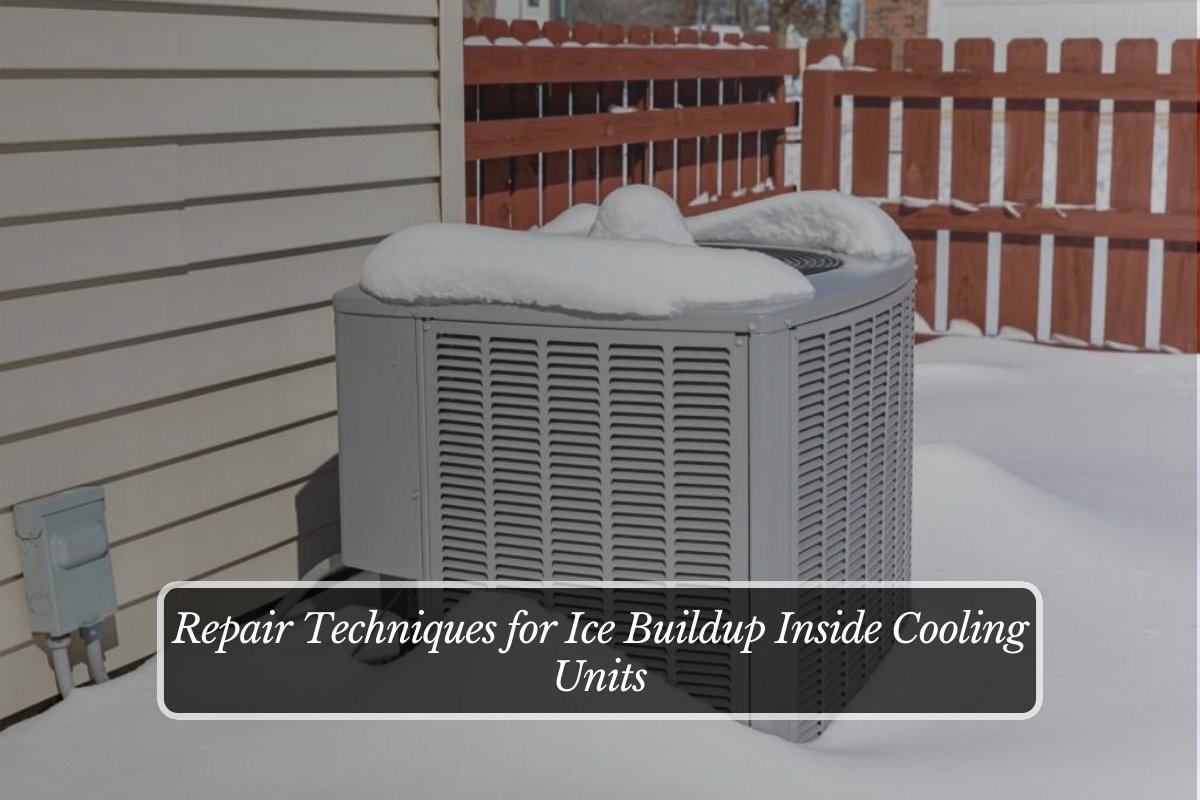
Repeated clicking shows faulty thermostats or capacitors failing to start fans/compressors, overworking relays. Rattling from debris (leaves, sticks) in outdoor coils or loose panels vibrates units. Indoor evaporator coils freeze/click from low refrigerant. Clear debris safely; electrical fixes prevent total burnout.
Prevention and When to Call Pros
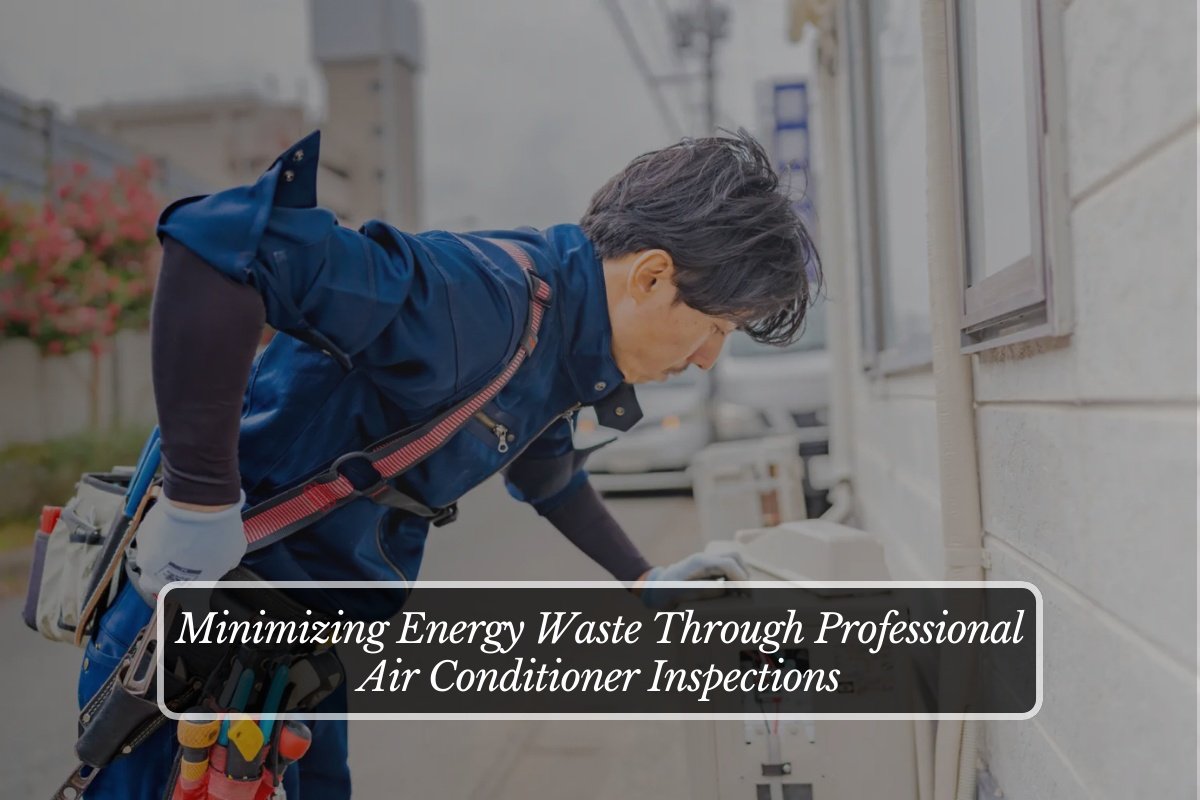
Annual tune-ups ($75-200) catch issues early—clean coils, check belts, recharge refrigerant. Signs always warrant NATE-certified techs via Angi or HomeAdvisor; ignore at peril of $3K-8K full replacements. Energy Star units last 15 years with care; track via apps like CoolCare.
Heeding noises safeguards comfort, health, and budgets in America’s variable climates.
Frequently Asked Questions (FAQs)
1. Is a banging AC noise dangerous?
Yes—loose compressor parts risk explosion/shrapnel; shut off and call pros immediately.
2. Can I fix whistling myself?
Try filter/vent checks; duct leaks need sealing—DIY risks inefficiency, pros diagnose fully.
3. What causes screeching in new units?
Rarely belts/motors; often installation—warranty service free if under 5 years.
4. How much for refrigerant leak repair?
$400-1500 EPA-certified; includes recharge, leak seal—DIY illegal/toxic.
5. When is humming normal vs. urgent?
Soft startup hum okay; loud/persistent signals electrical/motor failure—inspect ASAP.