Electrical malfunctions disrupt commercial HVAC operations across U.S. facilities, causing downtime, discomfort, and repair bills often exceeding $5,000. Proactive troubleshooting and maintenance can resolve 80% of these issues before they escalate into full failures.
Common Electrical Faults
Tripped circuit breakers and blown fuses top the list, often from overloads due to dirty filters, failing motors, or shorts drawing excess current. Faulty capacitors—bulging or leaking—fail to start compressors or fans, mimicking total power loss.
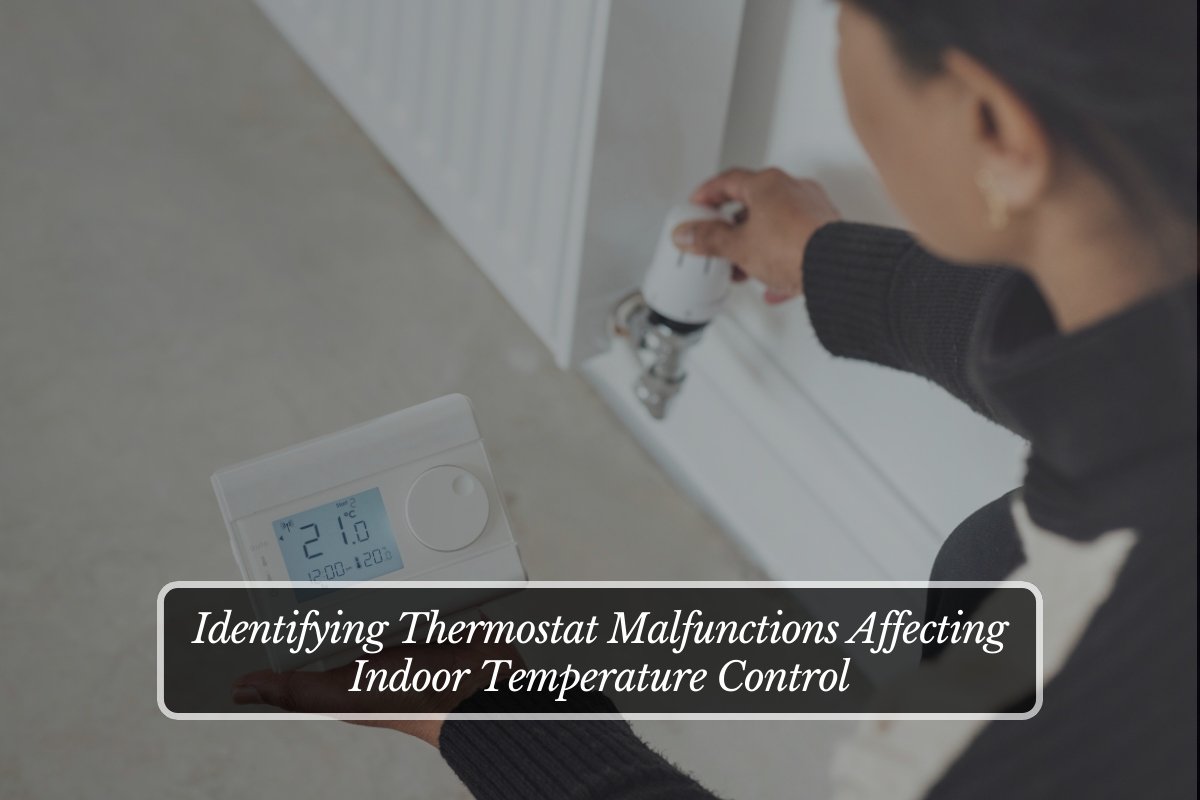
Loose or frayed wiring, corroded contacts, and worn contactors/relays interrupt signals, leading to erratic cycling or shutdowns. Thermostat glitches from bad batteries, loose wires, or sensor faults prevent proper communication with the unit.
Initial Troubleshooting Steps
Always prioritize safety: shut off main power at the disconnect and breaker before inspections. Start with basics—verify all switches are on, reset tripped breakers (once only, to avoid repeats), and replace obvious blown fuses with exact matches.
Use a multimeter to check voltage at the unit (typically 208/230/460V for commercial); low readings signal supply issues. Inspect visible wiring for frays, burns, or rodent damage common in attics or rooftops.
Diagnosing Capacitors and Contactors
Capacitors demand visual checks for swelling, oil leaks, or rust—then test capacitance with a discharged meter against rated microfarads (replace if 10% off). Run/Start caps fail seasonally from heat cycles in rooftop units.
Contactor pits or burnt coils won’t engage; test coil resistance (near zero ohms) and points for arcing. Replace pitted ones immediately to protect compressors from overload.
Wiring and Control Circuit Fixes
Trace low-voltage controls (24V): test thermostat continuity, check for open safeties like pressure switches, and tighten terminals. Moisture or vibration loosens these in VAV boxes or air handlers.
For high-voltage wiring, pros use insulation testers (megohmmeter) to spot grounds or shorts. Surge protectors guard against spikes from storms or grid fluctuations in urban U.S. sites.
Advanced Diagnostics for Pros
Commercial techs employ amp clamps on motors (compare to nameplate FLA), thermal imaging for hot spots at connections, and EMS logs for error codes on VFDs or BMS-integrated systems. Vibration analysis flags early bearing wear mimicking electrical faults.
Refrigerant/electrical interplay—low charge stresses compressors electrically—requires gauges and recovery tools per EPA Section 608 rules. Firmware updates fix control board glitches in modern digital units.
Preventive Measures and Maintenance
Tighten connections quarterly, lubricate as needed, and clean dust from boards to avert 15-20% of failures. Annual IR scans and PM contracts catch 90% of issues early, slashing callbacks.
Install hardwired surge suppression and monitor via IoT sensors for voltage dips or amp spikes. Train staff on basic resets but mandate licensed electricians for repairs to meet NEC codes.
When to Call Specialists
DIY stops at visuals/resets—never probe live circuits. Pros handle EPA-certified refrigerant work, high-voltage repairs, and root-cause analysis like harmonic distortion in VFDs.
In multi-zone commercial setups, failures cascade; rapid response teams with stocked vans minimize downtime under service contracts.
FAQ
1. What causes most tripped breakers in commercial HVAC?
Overloads from clogged filters, failing motors/compressors, or internal shorts—reset once, then diagnose to prevent repeats.
2. How do you test a faulty capacitor safely?
Visually inspect for damage, discharge it, then use a multimeter on capacitance mode—replace if reading is low vs. rated value.
3. Can loose wiring cause intermittent HVAC shutdowns?
Yes, vibrations loosen terminals, creating high resistance, arcing, or opens—tighten and torque during PM to fix.
4. Why do thermostats fail electrically in commercial systems?
Dead batteries, corroded/loose wires, or sensor faults disrupt 24V signals—check batteries first, then wiring continuity.
5. How does preventive maintenance stop electrical faults?
Quarterly tightening, cleaning, IR scans, and surge protection catch 80-90% early, extending component life and cutting emergency calls.