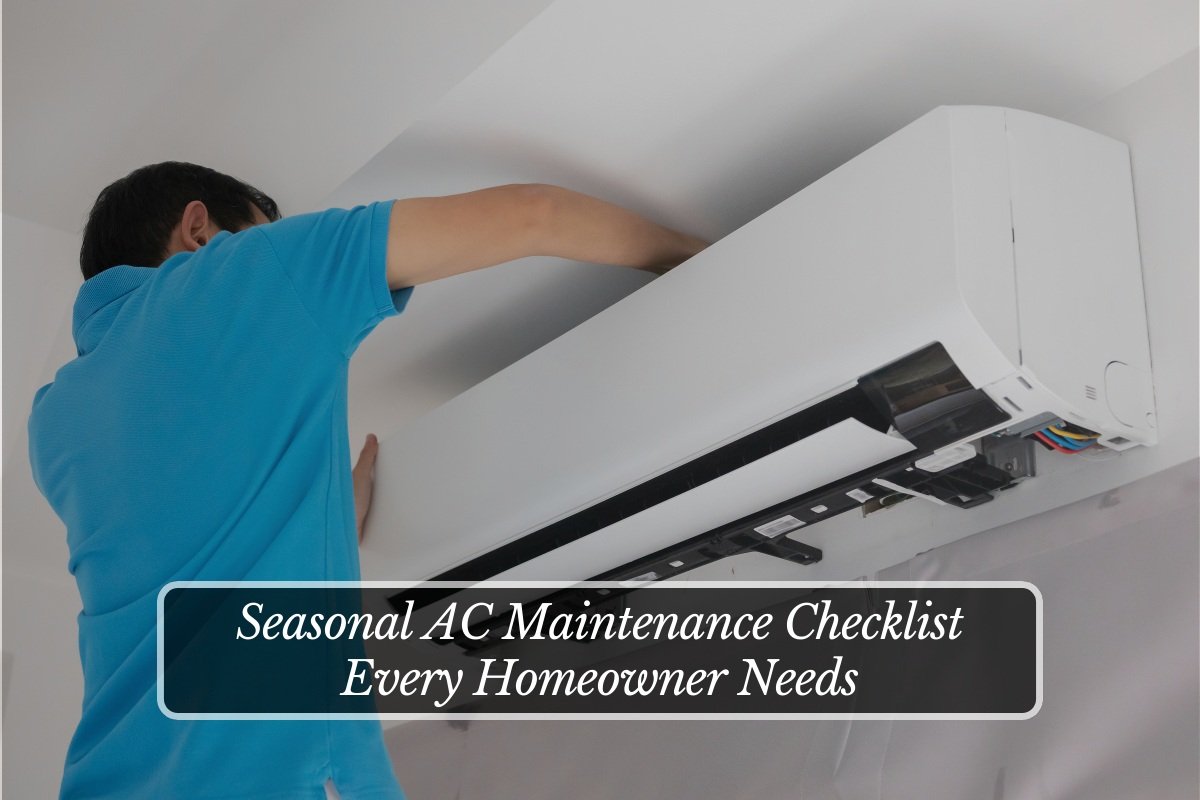
Regular seasonal AC maintenance ensures optimal performance, energy efficiency, and longevity, with systems lasting 15-20 years under proper care versus 8-12 without it. Homeowners following structured checklists prevent 70% of breakdowns by addressing filters, coils, and drains proactively, saving 15-25% on bills and avoiding $3,000+ repairs. This guide outlines tasks by season, blending DIY steps with pro services for year-round reliability amid varying climates.
Spring Preparation: Pre-Cooling Tune-Up
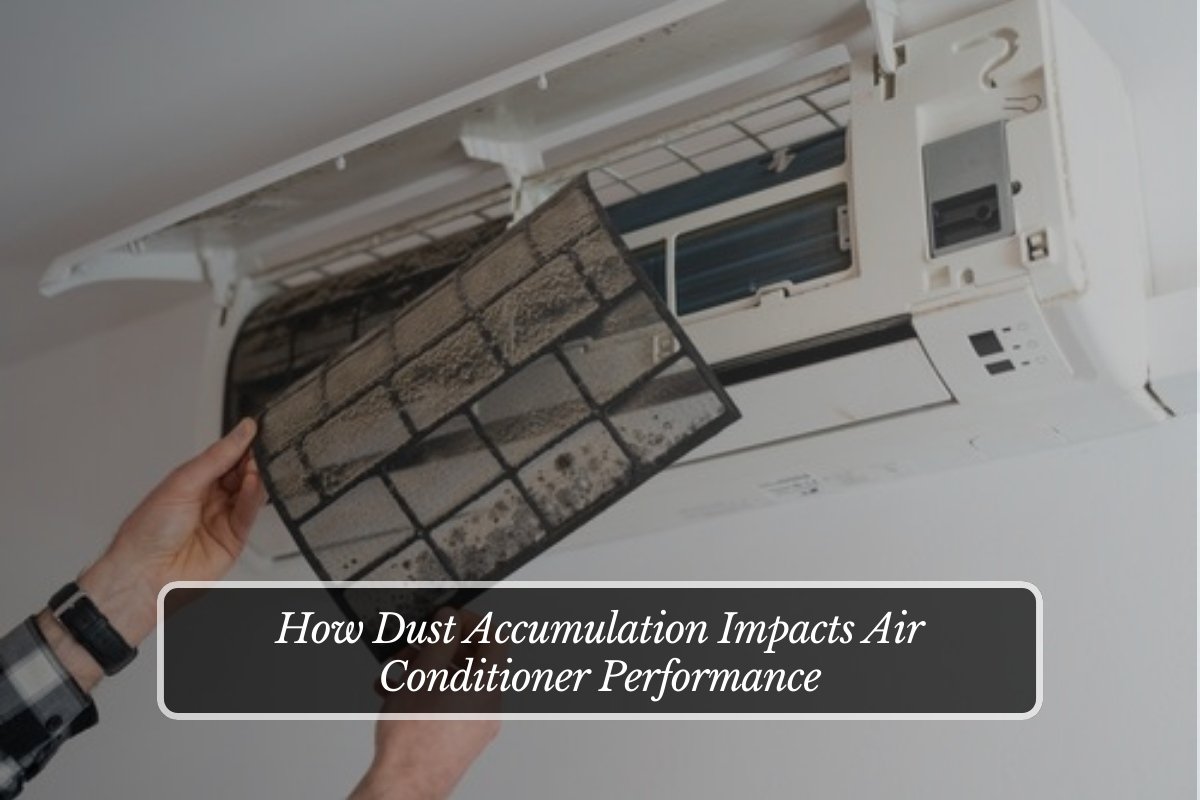
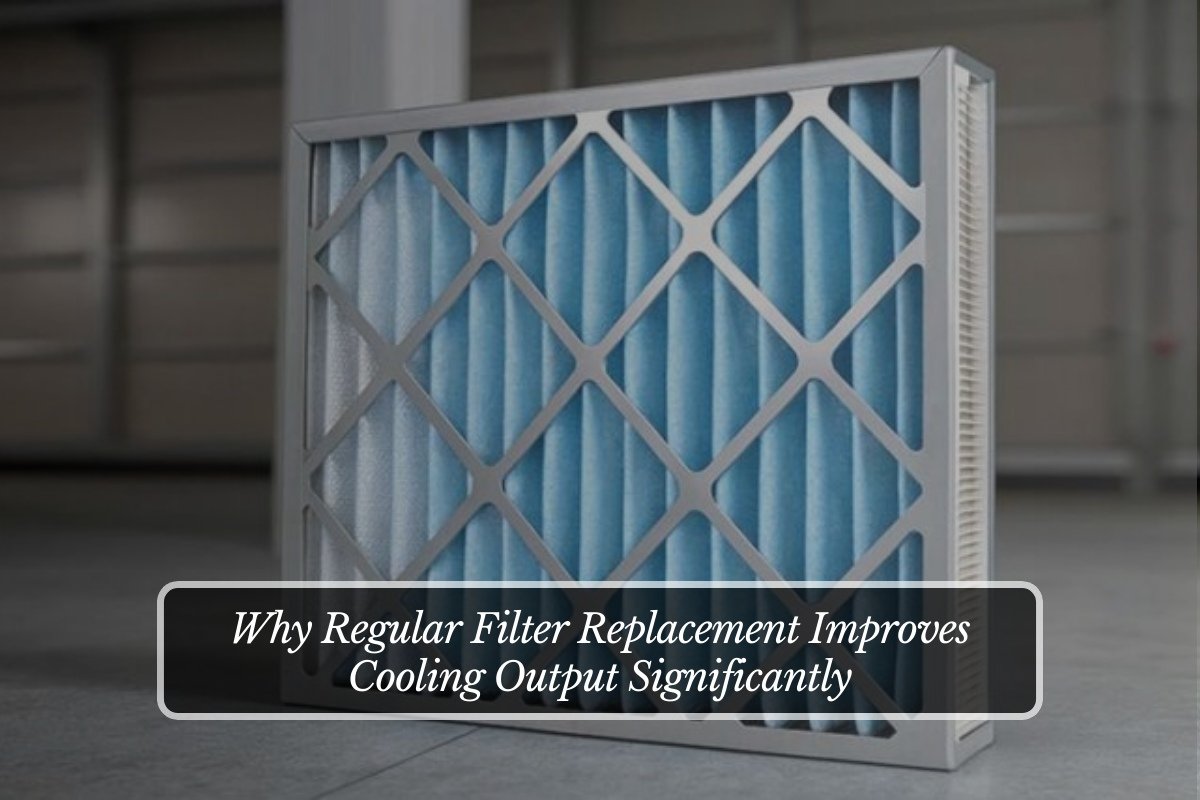
Spring readies systems for summer loads: replace air filters to restore airflow, as clogged ones strain blowers 20-30%. Clear debris from outdoor condensers—leaves, grass—ensuring 2-foot clearance for ventilation; inspect fins for bends and straighten with combs.
Check thermostat calibration and switch to cool mode; test drain lines with vinegar flushes to avert clogs causing water damage. Schedule pro inspections for refrigerant levels and electrical connections, preventing 40% of seasonal failures.
Summer Peak: High-Use Monitoring
Intense operation demands monthly filter swaps, especially in humid areas where pollen/dust clogs 50% faster. Monitor coils visually—dirty evaporator coils drop efficiency 15%—and vacuum gently if accessible; pros deep-clean during visits.
Watch condensate pans for algae; add bleach tablets quarterly. Trim vegetation around units; log runtime and bills for anomalies signaling low refrigerant or capacitor issues. Run fans high for even cooling, reducing cycles 10%.
Fall Transition: Heating Prep and Recovery
Post-summer, clean vents/registers of dust buildup restricting heat flow; inspect belts for cracks and lubricate motors. Flush drains fully; cover outdoor units with breathable tarps against leaves, avoiding plastic traps for moisture.
Test heat modes if dual-fuel; seal ducts with mastic, recapturing 20% lost air. Annual pro tune-ups check blower wheels, safety controls, and superheat for winter readiness.
Winter Off-Season: Protection and Inspection
Idle periods prevent corrosion: change final filters; power off breakers to safeguard electronics. Inspect insulation on linesets; rodent-proof vents with screens. Store accessories dry; review warranty logs for compliance.
Pre-spring pros verify capacitors, contactors, and amperage, catching 60% hidden wear from inactivity.
Essential Tools and Safety Tips
Stock MERV 8-13 filters, fin combs, screwdrivers, and no-rinse coils spray; wear gloves for sharp fins. Shut breakers before indoor work; never handle refrigerant—EPA fines apply. Smart thermostats log data for trends; apps alert filter life.
Humidity meters guide dehumidifier use, easing AC loads 15%.
Common Mistakes to Avoid
Skipping filters causes 30% failures; over-oiling motors gums bearings. Ignoring odd noises risks $1,500 compressors; DIY beyond basics voids warranties. In humid zones like India, monsoon checks prevent mold 50% more effectively.
Long-Term Benefits and Schedules
Biannual pros + monthly DIY yield 50% lifespan extension, 20% savings; track via apps for reminders. Upgrades like variable-speed units amplify gains.
FAQs
Q. How often change AC filters seasonally?
Monthly in peak use (summer), quarterly off-season; restores airflow, cuts strain 20-30%.
Q. Why clear debris from outdoor units?
Ensures ventilation, prevents overheating; 2-foot clearance boosts efficiency 10-15%.
Q. What spring pro service is essential?
Refrigerant check/charge and electrical inspection avert 40% summer breakdowns.
Q. How does drain flushing prevent damage?
Clears clogs causing overflows/corrosion; vinegar monthly, bleach tablets quarterly.
Q. Can smart thermostats aid checklists?
Yes, log runtime/bills for anomalies, auto-remind filters, saving 7-10% energy.