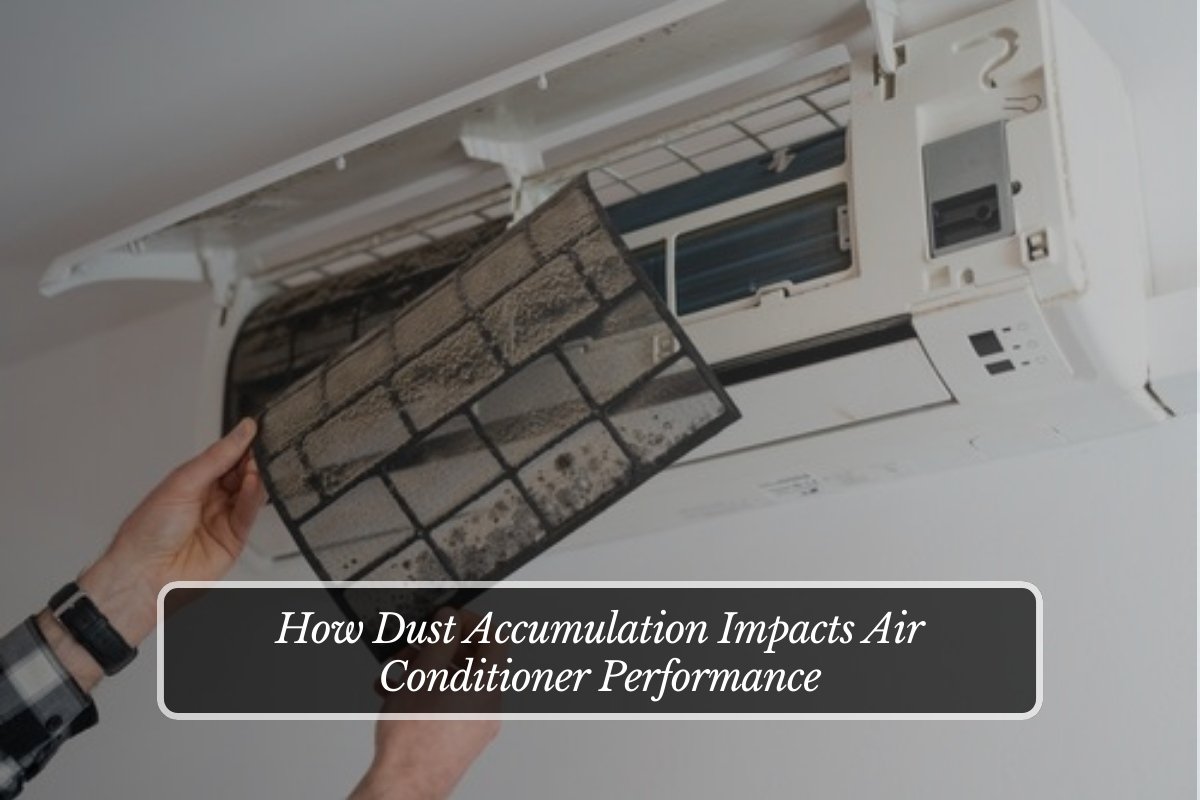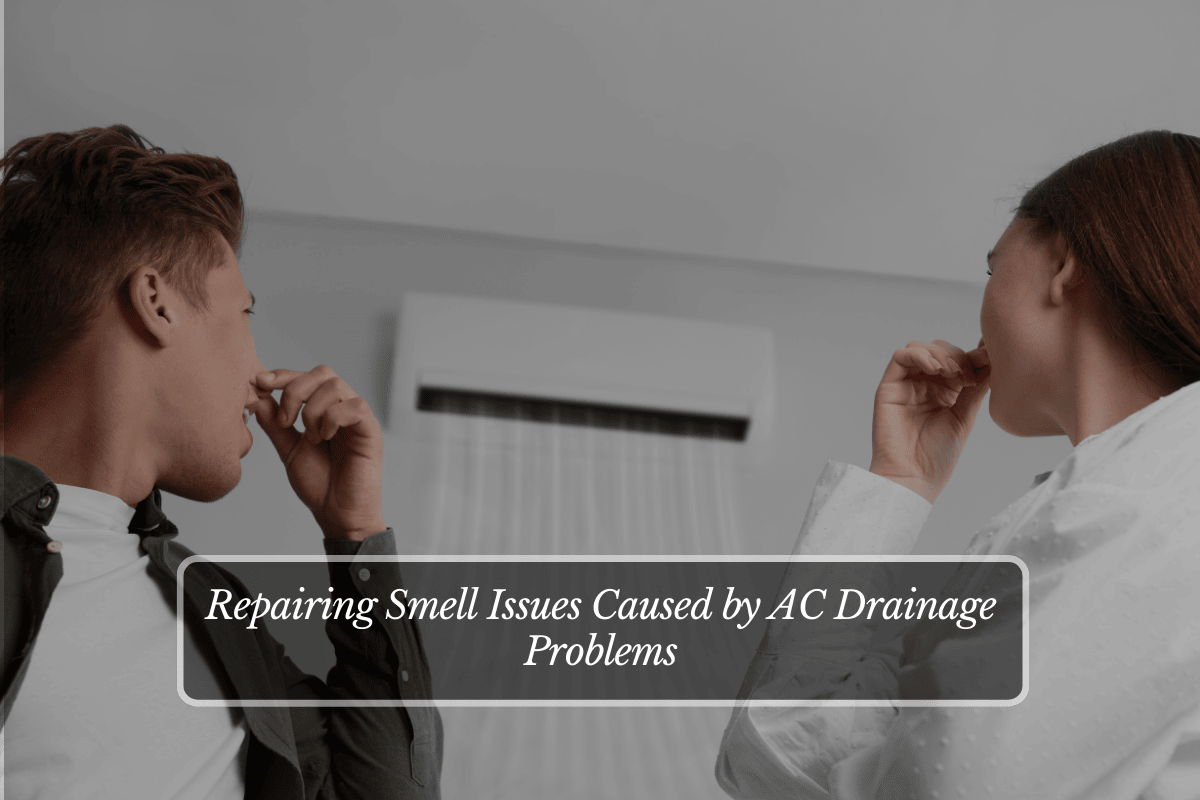
Skipping AC drainage maintenance allows mold, algae, and stagnant water to breed foul odors in U.S. homes, turning cooling systems into musty nightmares during humid summers. Timely repairs restore fresh air, prevent water damage, and extend HVAC life, saving homeowners thousands in escalation costs.
How Drainage Problems Cause Smells
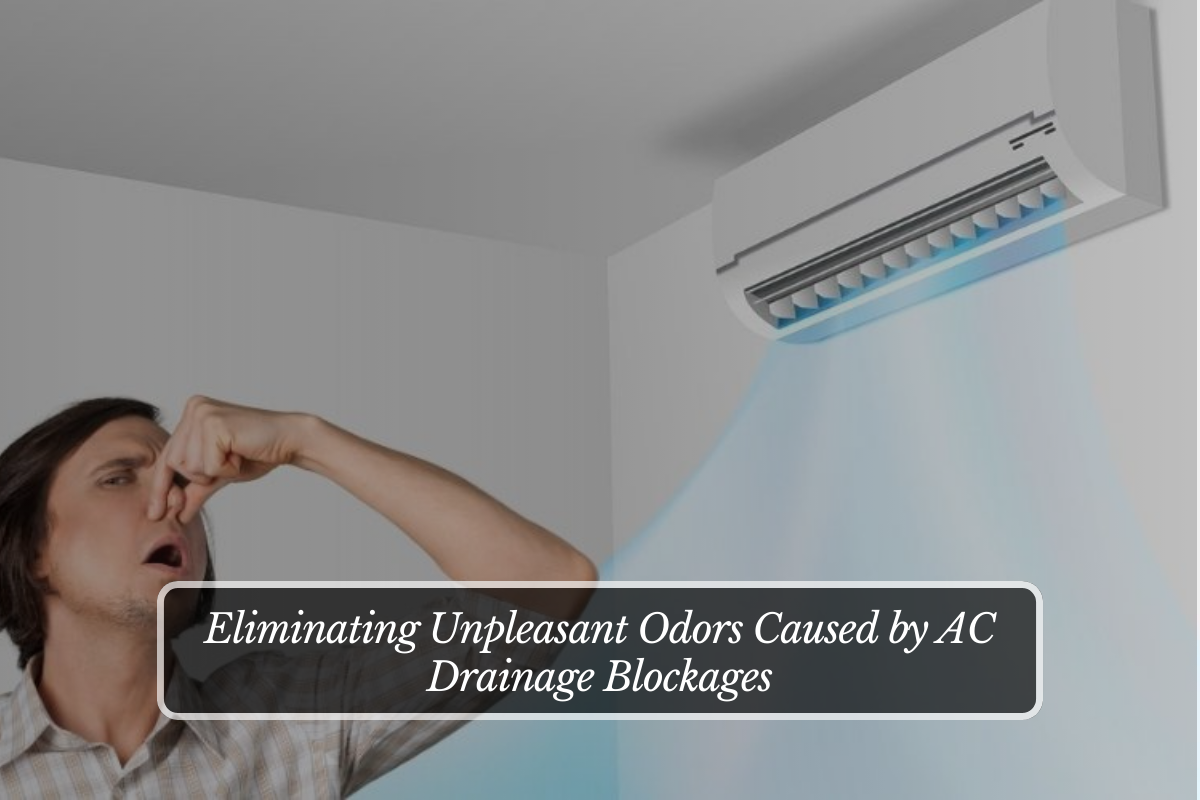
AC units produce 5-20 gallons of condensate daily in humid regions like Florida or Texas, draining via PVC lines to exterior or sewers. Clogs from algae, dirt, or debris trap water, creating anaerobic bacteria hotspots that emit rotten egg or mildew stench. Sewer gases backflow through dry P-traps, amplifying odors when blowers run.
Common Culprits
- Algae/Mold Growth: Thrives in 60-80°F drain pans; biofilms block 90% of lines yearly without bleach flushes.
- Dirty Evap Coils: Debris sheds into drains, compounding clogs and IAQ issues.
- Dry Traps: Evaporation in off-seasons lets sewer smells infiltrate vents.
- Poor Installation: Flat slopes (<1/8″ per foot) or missing traps fail drainage codes.
- High Humidity: Overloads systems in Southeast, freezing coils and overwhelming pans.
Step-by-Step Repair Guide
Safety First: Power off at breaker; wear gloves/mask for biohazards.
- Locate Components: Indoor evap coil/drain pan (attic/closet), PVC line (3/4-1″ dia) to exit.
- Visual Check: Inspect pan for standing water/rust; sniff vents for confirmation.
- Unclog Drain: Wet vac on exterior end (90% success); pour 1:1 bleach-water mix or vinegar (kills 99% growth).
- Flush Line: Garden hose from indoor T-access (if present); reverse flush if stubborn.
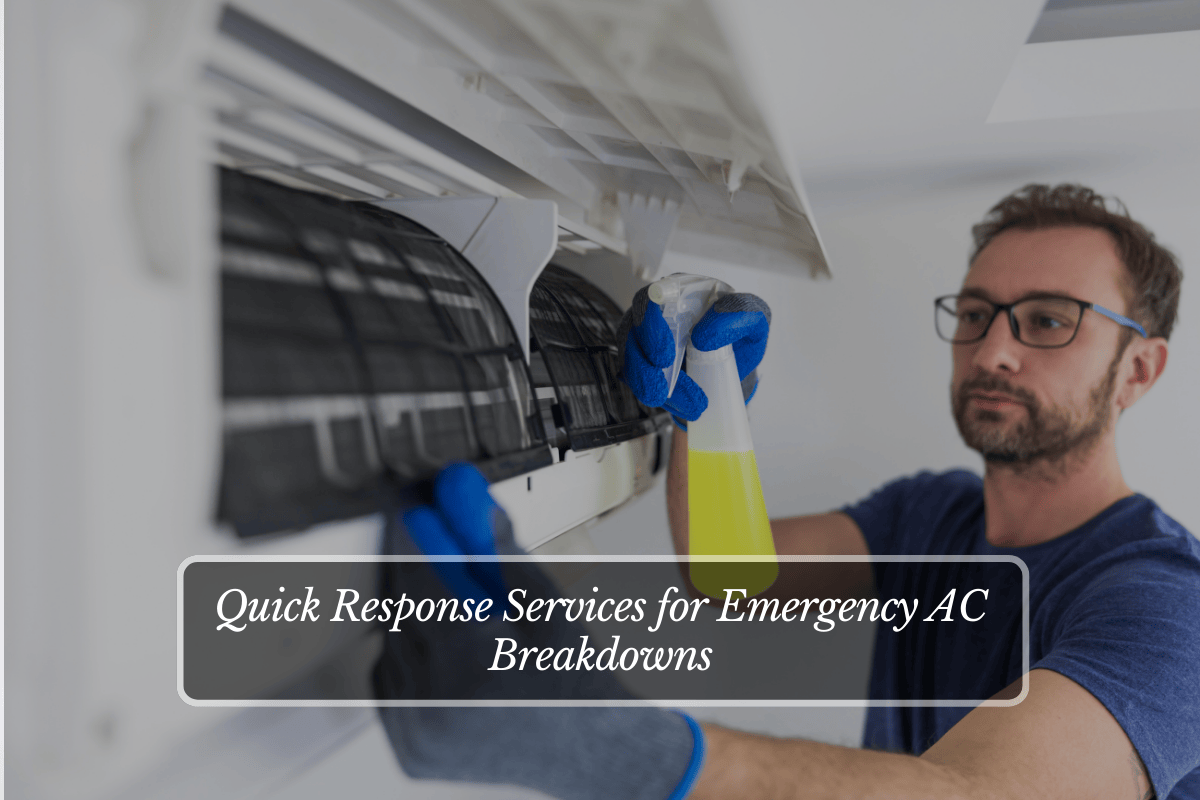
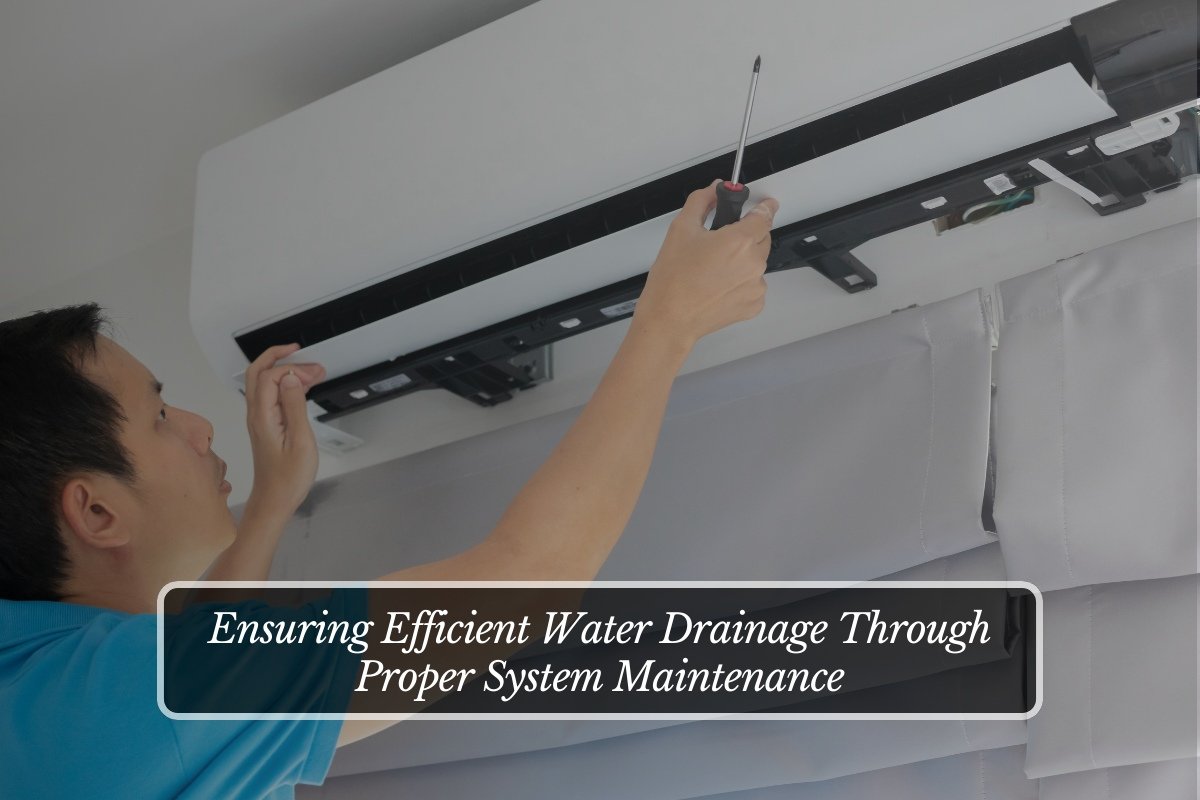
- Clean Pan/Coil: Remove access panel; scrub with no-rinse coils cleaner; vacuum debris.
- Refill Trap: Pour 1/2 cup water post-clean to reseal.
- Test Run: Monitor 30 mins for leaks; check delta-T (15-20°F).
Pro vs. DIY Thresholds
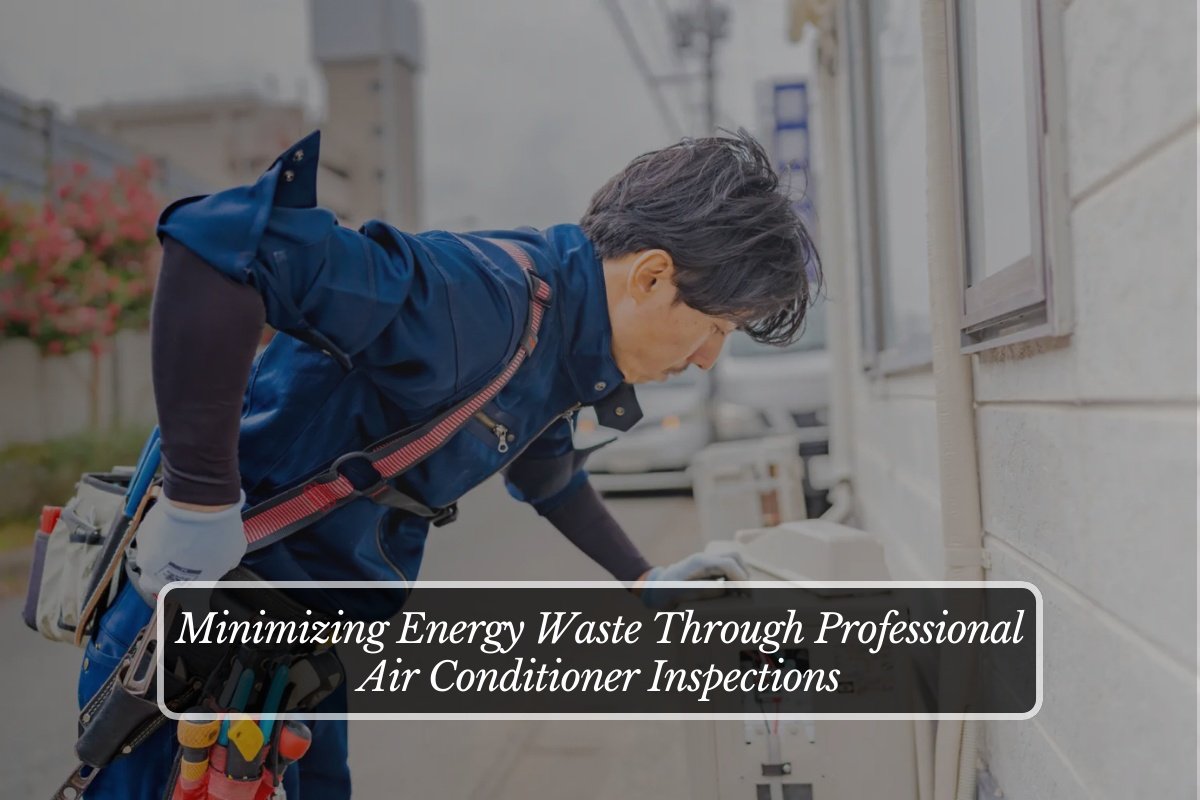
DIY handles 80% clogs under $20; call EPA 608 techs for coils/refrigerant ($200-500). Annual plans ($150) include UV lights ($300 install) or float switches to auto-shutoff.
Health and Damage Risks
Stagnant water breeds Legionella, spiking respiratory risks 20% in vulnerable homes. Overflow damages ceilings ($1-5K), promotes black mold ($3K remediation). Odors signal systemic IAQ drops, affecting sleep/productivity.
Preventive Maintenance
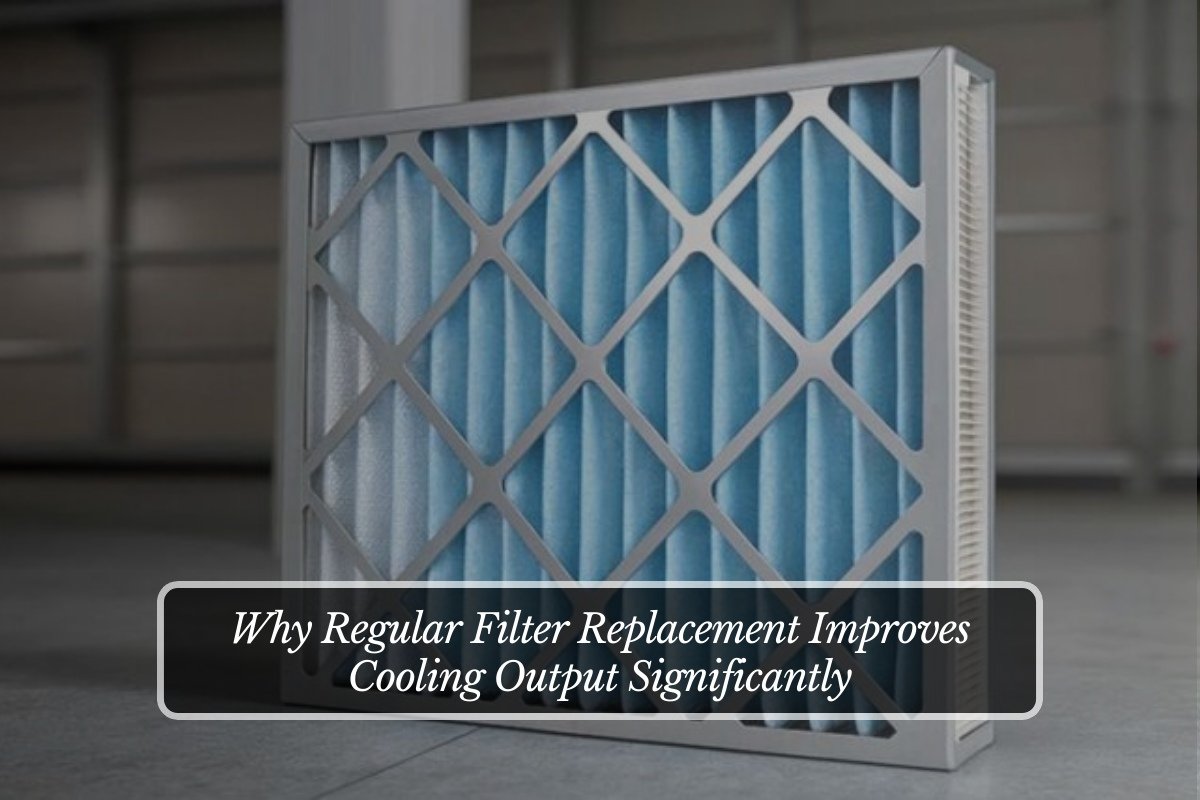
- Monthly: Filters, pan vinegar rinse.
- Seasonal: Bleach flush, trap refill.
- Upgrades: PVC tablets ($10/6mo) dissolve slime; mini-pumps for uphill drains.
- Smart Sensors: WiFi alerts for high pan levels ($50).
U.S. Regional Notes
Southeast: Bleach tablets essential vs. humidity. Southwest: Dust clogs demand coil cleans. Northeast: Freeze risks need insulation. IRA rebates fund efficient upgrades post-repair.
Long-Term Solutions
Replace galvanized pans with plastic ($200); insulate lines in attics. Integrate dehumidifiers (30 pints/day) for chronic overloads. Log fixes for warranties—most void sans proof.
Prompt repairs banish smells, safeguard homes, and optimize cooling across America’s varied climates.
FAQ
Q. What causes AC smells from drainage?
Algae/mold in clogs, dry traps letting sewer gas in.
Q. DIY unclog method?
Wet vac exterior end + bleach flush; 90% effective.
Q. When to call a pro?
Coil dirt, refrigerant, persistent leaks—$200-500.
Q. Prevention frequency?
Monthly filters, quarterly flushes, annual pro tune-up.
Q. Health risks if ignored?
Mold, bacteria spread via vents; water damage $1-5K.