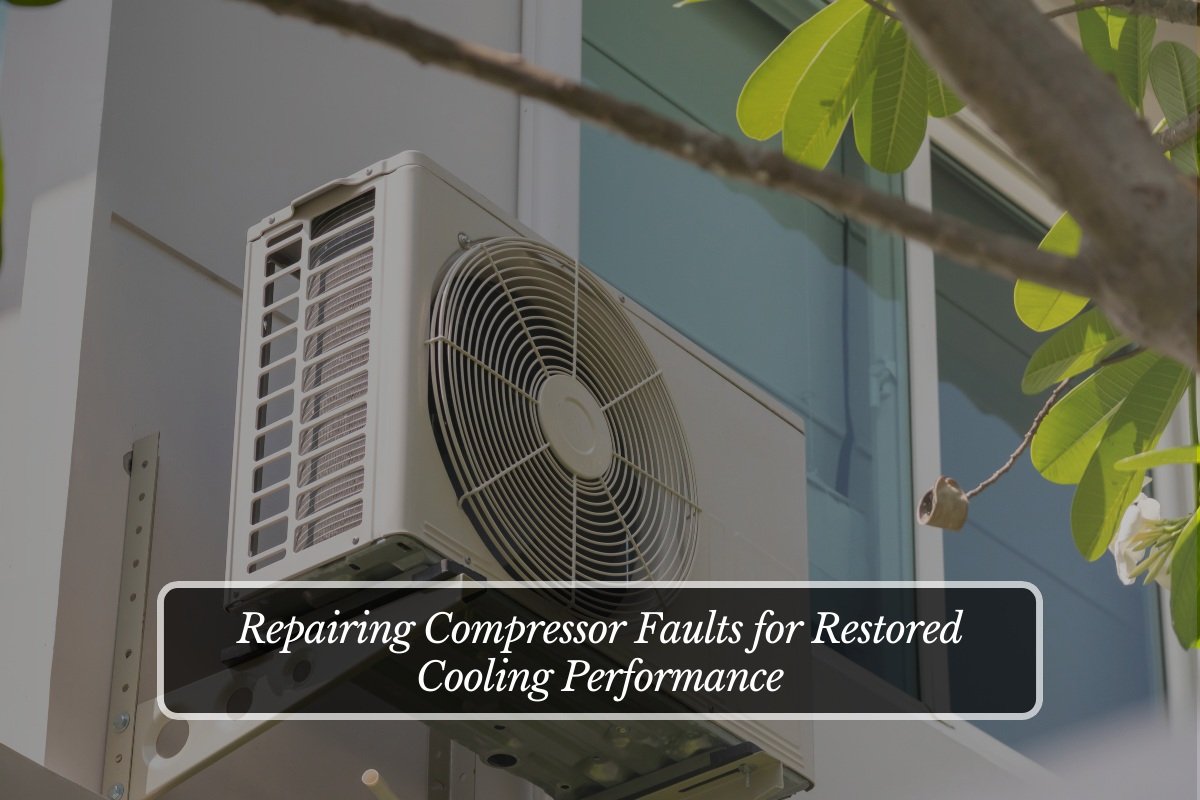
The compressor is often referred to as the heart of any cooling or refrigeration system. Whether in residential air conditioning units, commercial HVAC systems, or industrial refrigeration equipment, the compressor is responsible for circulating refrigerant and maintaining proper cooling performance. When compressor faults occur, the entire system can lose efficiency, struggle to maintain temperature, or stop functioning altogether.
Timely diagnosis and repair of compressor faults are essential to restoring cooling performance, preventing further damage, and extending equipment lifespan. This article explores common compressor issues, diagnostic approaches, and effective repair strategies.
Understanding the Role of the Compressor
The compressor pressurizes refrigerant gas and moves it through the cooling cycle. It enables heat exchange by increasing refrigerant pressure and temperature before it flows to the condenser.
Core Compressor Functions
- Compresses low-pressure refrigerant gas
- Circulates refrigerant through the system
- Maintains pressure differences
- Supports consistent cooling output
If the compressor fails, cooling efficiency drops significantly or stops entirely.
Common Compressor Faults
Compressor problems can develop due to electrical, mechanical, or refrigerant-related issues.
Most Frequent Compressor Issues
- Electrical failures (burned contacts, capacitor failure)
- Overheating
- Refrigerant contamination
- Low refrigerant levels
- Mechanical wear and tear
- Motor winding damage
- Seized or locked rotor
| Fault Type | Symptoms | Potential Cause |
|---|---|---|
| Electrical Failure | Unit won’t start | Faulty capacitor or wiring |
| Overheating | System shuts down | Poor ventilation or high pressure |
| Low Refrigerant | Weak cooling | Leaks in system |
| Mechanical Damage | Loud noises | Worn bearings or internal damage |
Identifying the root cause is essential before attempting repairs.
Diagnosing Compressor Problems
Accurate diagnosis prevents unnecessary part replacements and ensures effective repairs.
Diagnostic Steps
- Check electrical connections and voltage levels
- Inspect capacitors and relays
- Measure refrigerant pressure
- Test motor windings for continuity
- Evaluate system airflow and ventilation
- Listen for abnormal noises
Technicians often use multimeters, pressure gauges, and thermal sensors to identify malfunctioning components.
Repairing Electrical Faults
Electrical issues are among the most common compressor-related failures.
Electrical Repair Actions
- Replace faulty capacitors
- Repair damaged wiring
- Replace contactors or relays
- Tighten loose electrical connections
- Reset tripped overload protectors
Proper electrical repairs restore startup functionality and prevent repeated shutdowns.
Addressing Refrigerant Issues
Low refrigerant or contamination can place excessive strain on the compressor.
Refrigerant Repair Solutions
- Locate and repair leaks
- Evacuate and recharge refrigerant
- Replace contaminated refrigerant
- Clean or replace filters and driers
Maintaining proper refrigerant levels reduces compressor workload and improves efficiency.
Managing Overheating Problems
Overheating can significantly shorten compressor lifespan.
Overheating Prevention Measures
- Clean condenser coils
- Ensure proper airflow
- Check refrigerant pressure levels
- Inspect cooling fans
- Verify system ventilation
| Overheating Cause | Corrective Action |
|---|---|
| Dirty Coils | Thorough cleaning |
| Blocked Airflow | Clear obstructions |
| High Pressure | Adjust refrigerant levels |
| Faulty Fan | Replace motor or blades |
Prompt action prevents permanent internal damage.
Repairing Mechanical Damage
Mechanical wear can cause internal friction, noise, or reduced compression efficiency.
Mechanical Repair Considerations
- Replace worn bearings
- Repair damaged valves
- Replace gaskets and seals
- Inspect piston or scroll components
- Evaluate for full compressor replacement if severely damaged
In some cases, replacing the compressor may be more cost-effective than extensive internal repairs.
When to Replace the Compressor
Not all faults are repairable.
Replacement Indicators
- Burned motor windings
- Severe internal mechanical failure
- Repeated overheating incidents
- Age beyond recommended service life
- Cost of repair exceeds replacement value
A cost-benefit analysis helps determine the best course of action.
Preventive Maintenance for Compressor Longevity
Regular maintenance reduces the likelihood of compressor failure.
Maintenance Best Practices
- Schedule routine system inspections
- Clean condenser and evaporator coils
- Check refrigerant levels periodically
- Inspect electrical components
- Monitor operating pressures
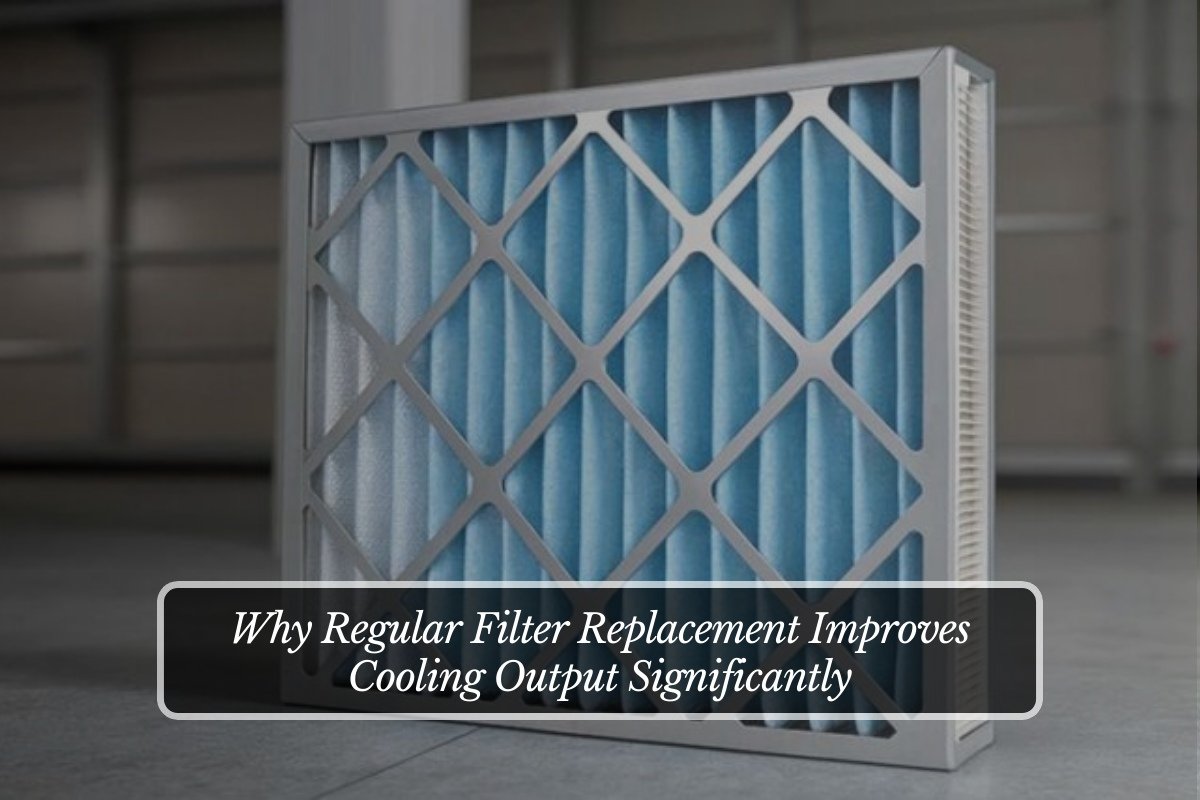
- Replace filters regularly
Preventive maintenance improves reliability and energy efficiency.
Restoring Optimal Cooling Performance
After repairs, system testing ensures restored performance.
Post-Repair Testing Steps
- Monitor operating pressures
- Measure temperature differentials
- Check electrical load balance
- Confirm proper startup sequence
- Test cooling capacity under load
Proper testing confirms that the system operates safely and efficiently.
Energy Efficiency Considerations
A malfunctioning compressor increases energy consumption.
Efficiency Improvements After Repair
- Reduced power usage
- Stable temperature control
- Lower operating costs
- Improved system reliability
Efficient compressors contribute to reduced utility expenses and environmental impact.
Conclusion
Repairing compressor faults is essential for restoring cooling performance and preventing costly system breakdowns. By identifying electrical, refrigerant, mechanical, or overheating issues early, technicians can implement targeted repairs that extend equipment life and improve operational efficiency.
Routine maintenance, accurate diagnostics, and timely interventions ensure compressors function at optimal performance levels. Whether in residential, commercial, or industrial systems, a well-maintained compressor is critical for dependable cooling and long-term system reliability.
FAQs
Q. What are the signs of a failing compressor?
Common signs include weak cooling, loud noises, frequent system shutdowns, overheating, and increased energy consumption.
Q. Can a compressor be repaired instead of replaced?
Yes, electrical or minor mechanical faults can often be repaired, but severe internal damage may require replacement.
Q. What causes compressor overheating?
Overheating can result from dirty coils, low refrigerant levels, blocked airflow, or excessive system pressure.
Q. How often should compressors be inspected?
Regular inspections are recommended at least once or twice a year, depending on system usage.
Q. Does low refrigerant damage the compressor?
Yes, low refrigerant forces the compressor to work harder, potentially leading to overheating and mechanical failure.