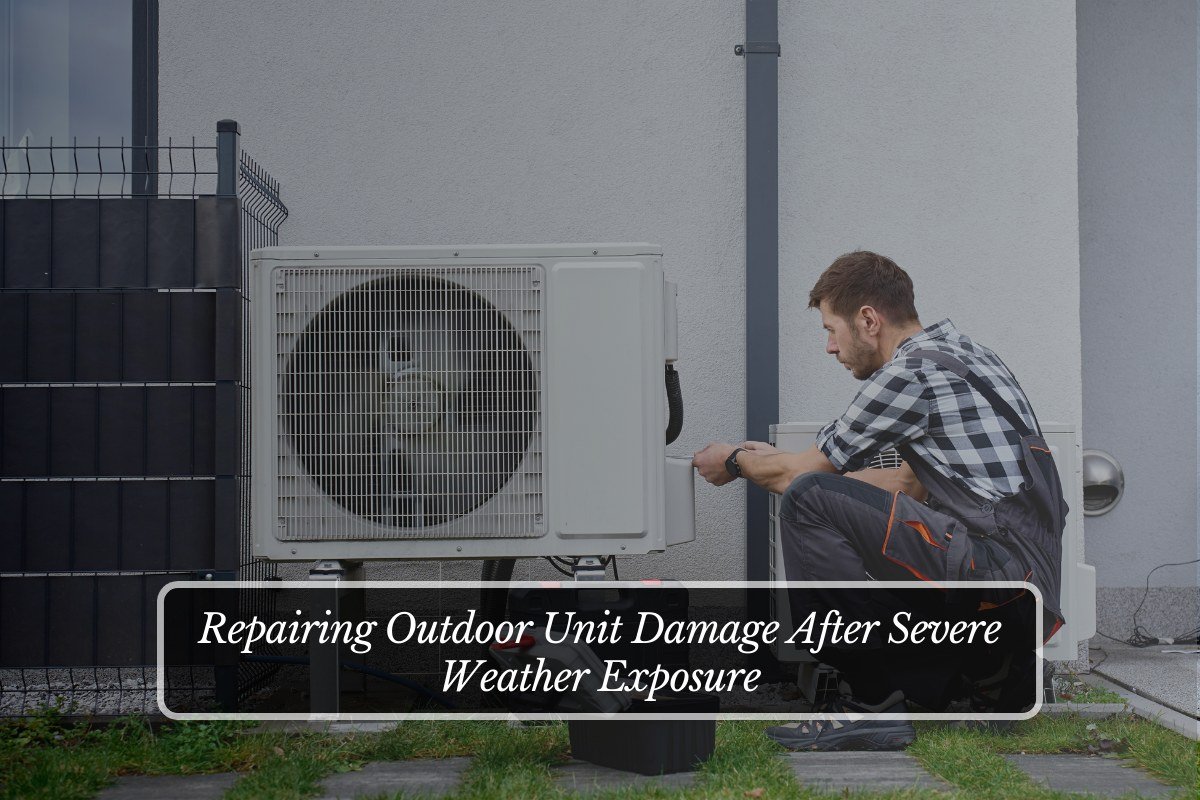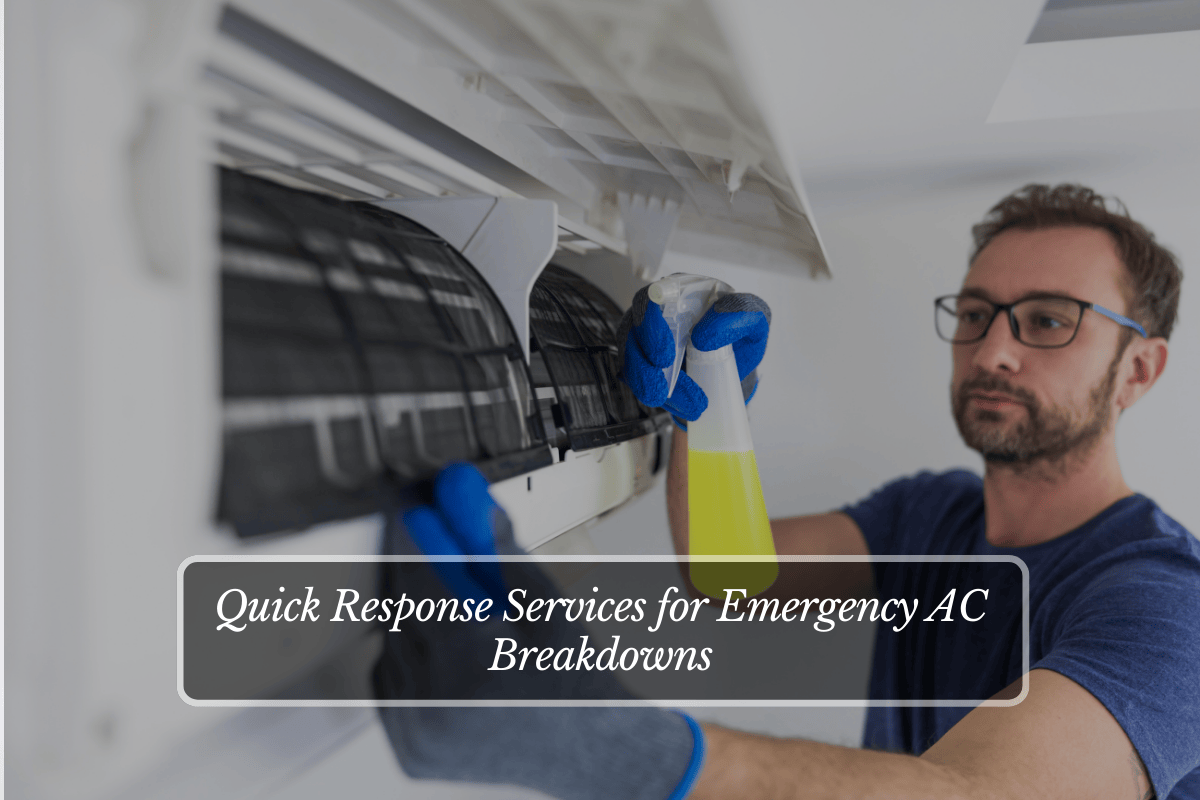
Quick response services for emergency AC breakdowns are vital for U.S. businesses and homes facing sudden heat waves or system failures. These 24/7 operations restore cooling fast, minimizing downtime costs that can hit $10,000+ per day in commercial spaces.
Signs You Need Emergency AC Service
Watch for no cold air, strange noises like grinding or buzzing, constant cycling, or water leaks around indoor units—these signal compressor failure, low refrigerant, or clogged drains. In commercial setups, rising indoor temps above 78°F or humidity spikes trigger health risks and productivity drops.
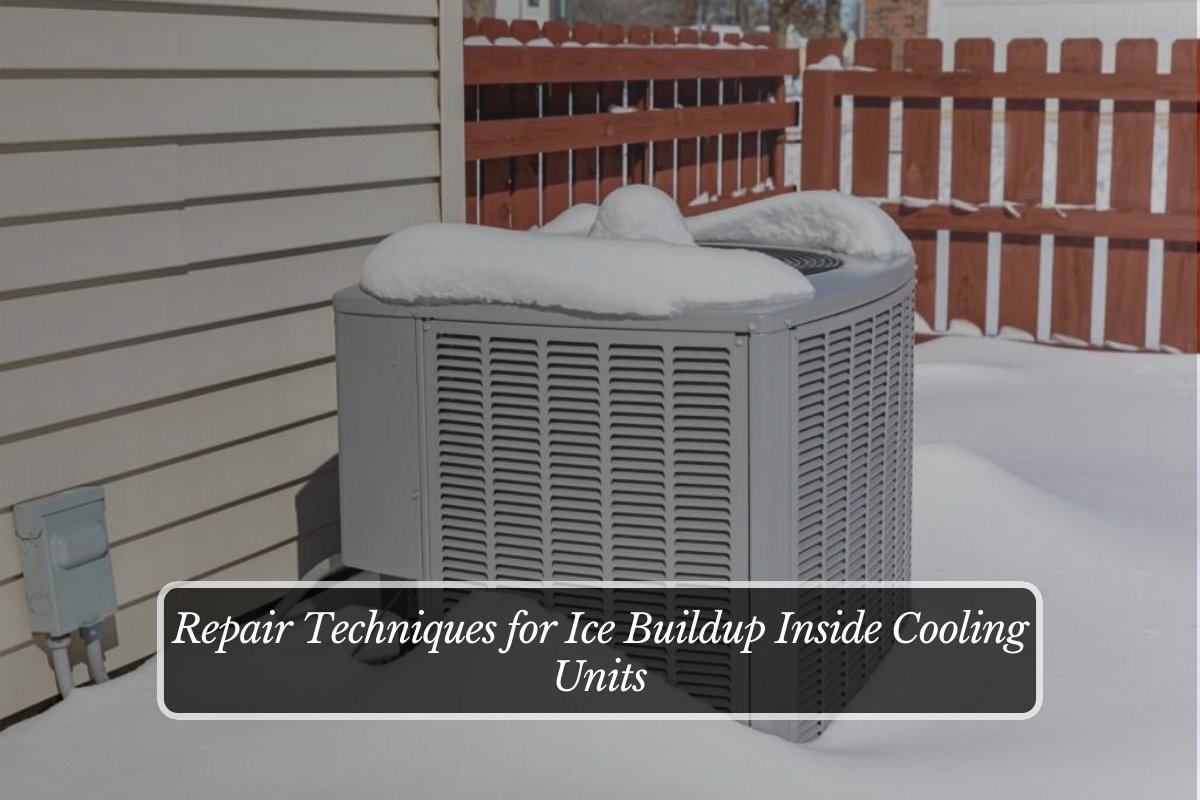
Power issues, frozen evaporator coils, or tripped breakers demand immediate action, as delays worsen damage like motor burnout. During peak U.S. summer demand, grid strains amplify these risks in states like California or Texas.
What 24/7 Services Provide
Certified techs arrive in 1-2 hours with stocked vans carrying capacitors, refrigerants, contactors, and diagnostic tools for on-site fixes 80% of the time. They handle rooftop units, chillers, VRF systems, and split setups common in offices, retail, and hotels.
Upfront diagnostics pinpoint root causes—electrical shorts, refrigerant leaks, or fan failures—before repairs start, with no overtime surcharges on contracts. Many offer guarantees like “cooling restored or no charge” for commercial clients.
Response Process Step-by-Step
Call a local provider; live operators dispatch the nearest tech without voice mail delays. On arrival, they secure the site, perform safety lockouts, run system scans with gauges and multimeters, then quote fixes.
Temporary solutions like spot coolers or fan relays bridge gaps during parts waits, crucial for hospitals or data centers. Post-repair, techs test full cycles, adjust setpoints, and log findings for warranties.
Benefits for Commercial Users
Businesses gain priority queuing, flat-rate emergency fees ($300-1,500/site), and annual contracts slashing response to 30 minutes in metro areas. These services cut secondary damage—mold from leaks or spoilage in stores—saving thousands.
Integration with BMS alerts enables predictive dispatches, while EPA-compliant refrigerant handling avoids fines. U.S.-wide networks like ARS or Aire Serv cover multi-site portfolios seamlessly.
Choosing Reliable Providers
Select NATE-certified firms with 4.5+ Google ratings, 24/7 lines, and fleet GPS tracking for ETAs. Review contracts for caps on after-hours fees, parts markups under 20%, and free follow-ups within 48 hours.
Local players excel in regional climates—Bay Area fog corrosion or Seattle humidity—over national chains. Verify licenses via state boards and insurance for liability protection.
Preventive Tips to Reduce Calls
Pair emergencies with quarterly PM: clean coils, check belts, and monitor amps to spot 70% of failures early. Smart IoT sensors on critical units flag anomalies 24/7, auto-triggering preemptive service.
Upgrade aging R-410A gear to low-GWP options before 2030 phaseouts, and seal ducts to ease loads. Maintenance logs qualify for insurance discounts up to 15%.
Costs and Insurance Angles
Single calls run $250-800 diagnostics plus parts/labor; subscriptions drop to $150/response. Compare to $15K+ full replacements from ignored breakdowns—ROI hits in one event.
Many policies cover emergency HVAC under “equipment breakdown” endorsements; document calls for claims.
FAQ
1. How fast do emergency AC services respond in the U.S.?
Typically 1-2 hours in cities, 24/7 availability with stocked vans for 80% same-visit fixes; contracts guarantee 30-60 minutes.
2. What common issues do these services fix on arrival?
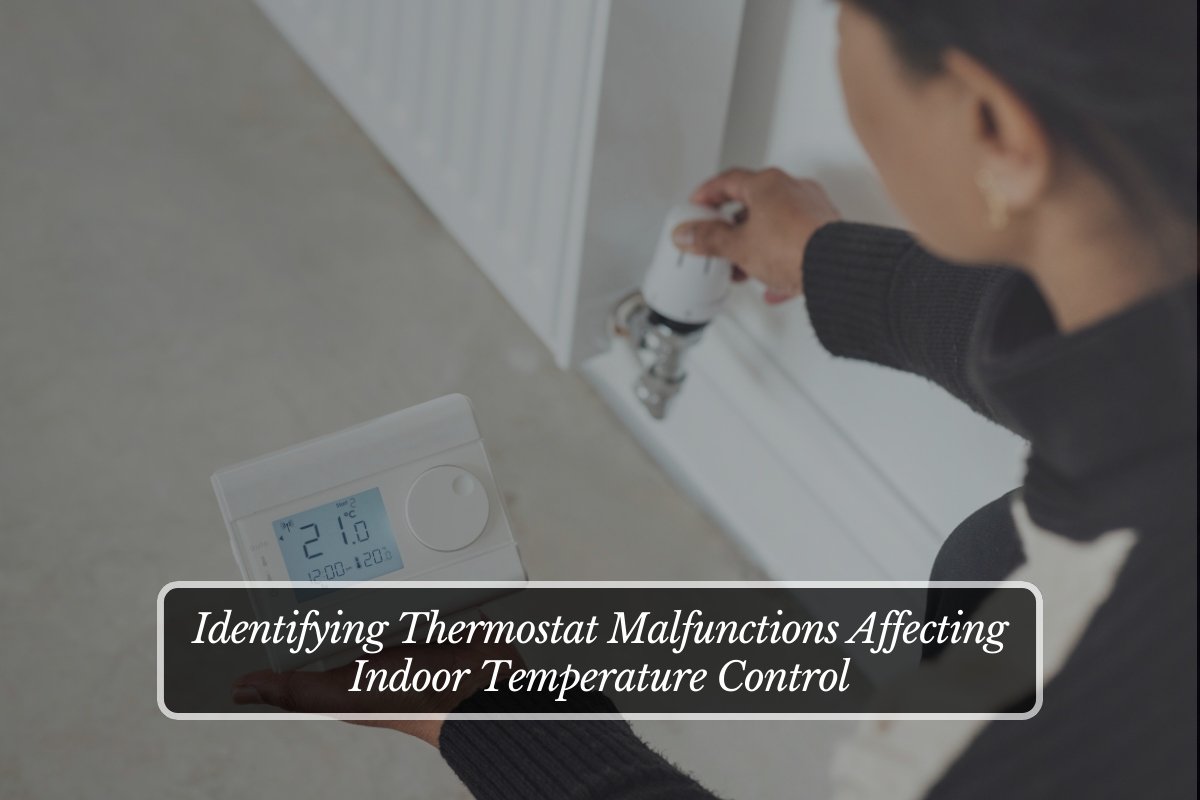
Refrigerant leaks, compressor starts, frozen coils, electrical faults, and thermostat failures—full diagnostics before work begins.
3. Are there extra fees for nights or weekends?
No surcharges on most pro contracts; flat rates quoted upfront, often $300-1,500 total for commercial sites.
4. Can they handle large commercial systems like chillers?
Yes, techs service rooftop units, VRF, and central plants with EPA tools and cranes if needed.
5. How to prevent needing emergency services?
Bi-annual tune-ups, filter changes, and IoT monitoring cut calls by 70%; log trends for early warnings.