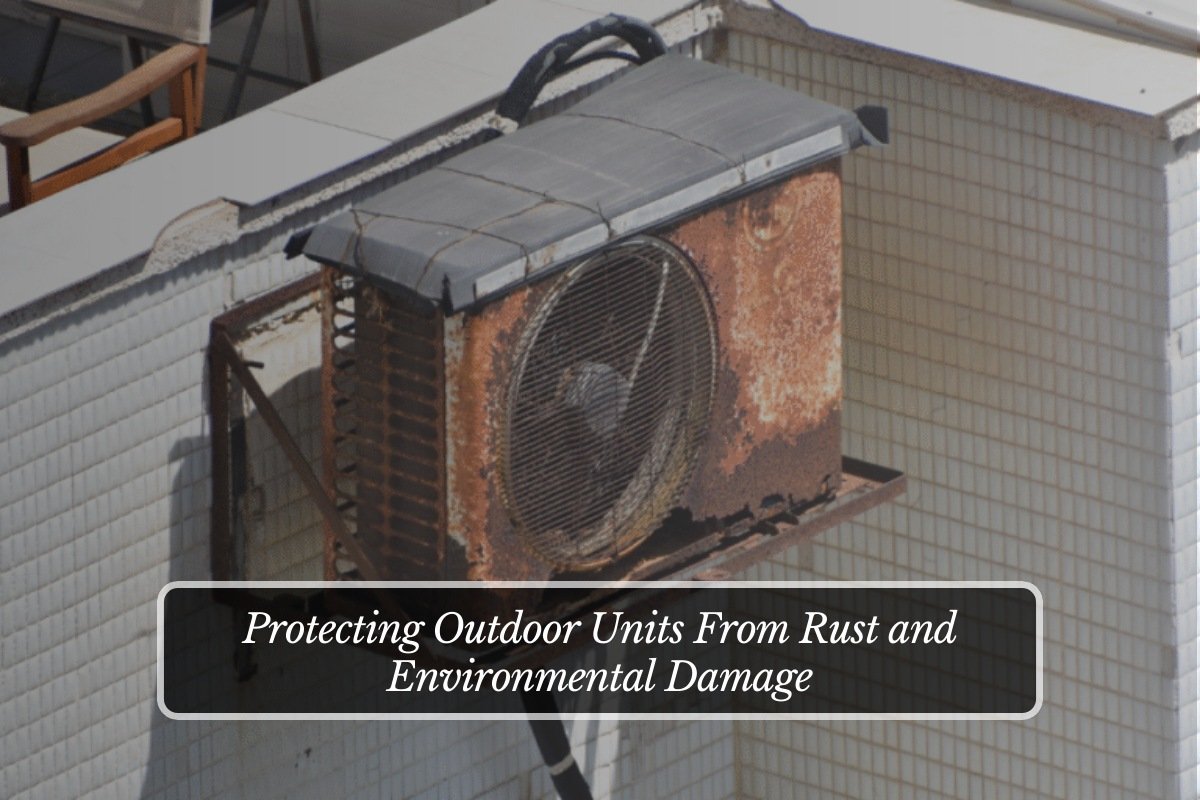
Outdoor air conditioning units are exposed to harsh environmental conditions, including moisture, dust, debris, and fluctuating temperatures. Over time, these factors can cause significant wear and tear, leading to rust and other forms of damage.
Protecting your outdoor AC unit from rust and environmental harm is essential for ensuring its longevity and maintaining optimal performance. This article explores various methods and tips for safeguarding your outdoor unit from environmental damage.
Why Outdoor Units Are Vulnerable
Outdoor air conditioning units, or condensers, are designed to endure outdoor conditions, but they are not immune to damage. The primary factors contributing to environmental harm include:
| Environmental Factor | Explanation |
|---|---|
| Moisture and Humidity | Rain, snow, and high humidity can lead to corrosion and rust on metal components. |
| Salt and Airborne Particles | Coastal environments expose units to saltwater air, which accelerates corrosion. |
| Sun Exposure | Prolonged exposure to the sun can degrade the unit’s protective coatings and plastic components. |
| Debris | Falling leaves, twigs, and other debris can clog the unit’s fins or obstruct airflow. |
| Temperature Fluctuations | Extreme temperature changes can stress materials and cause cracking or warping. |
How Rust and Environmental Damage Affect AC Units
Rust and environmental damage can impact an AC unit in several ways:
- Decreased Efficiency
Rust and debris buildup can obstruct airflow, reduce the cooling capacity, and cause the system to work harder, increasing energy consumption. - Component Corrosion
Components such as the evaporator coils, condenser coils, and metal parts are at risk of corrosion, which can lead to leaks and system failure. - Shortened Lifespan
Environmental damage accelerates wear and tear, causing the unit to deteriorate faster and requiring costly repairs or replacements. - Increased Maintenance Costs
Damaged outdoor units often require more frequent maintenance and repairs, which can add up over time.
Effective Ways to Protect Your Outdoor AC Unit
1. Install a Protective Cover
A weather-resistant cover provides an easy and effective way to protect your outdoor AC unit from dust, debris, rain, and snow. These covers come in various sizes and materials, including durable fabric and waterproof materials, designed to shield the unit from the elements.
- Pros: Easy to install, provides protection from rain and debris, prevents rust buildup.
- Cons: Must be removed during the cooling season to ensure proper airflow.
2. Use Rust-Resistant Coatings
Applying a rust-resistant coating to metal components of your AC unit, including coils and fan blades, can significantly reduce the likelihood of corrosion. Look for specialized coatings designed for outdoor HVAC systems.
- Pros: Helps prevent corrosion and rust, extends the life of components, maintains efficiency.
- Cons: Requires professional application and periodic reapplication.
3. Place the Unit on a Raised Platform
Installing your outdoor AC unit on a raised platform, such as a concrete pad or stand, can prevent direct contact with the ground, which is often the main source of moisture accumulation. It also keeps the unit elevated from floodwaters or snowmelt.
- Pros: Prevents water damage, reduces exposure to ground moisture, improves airflow.
- Cons: Requires professional installation and may involve additional cost.
4. Regular Cleaning and Maintenance
Keeping the outdoor unit clean is one of the most effective ways to prevent damage. Regularly remove leaves, dirt, and debris from around the unit and clear the fins to ensure proper airflow. You can use a garden hose to gently wash the unit, or a soft brush to clean the fins.
- Pros: Enhances efficiency, prevents debris buildup, reduces the risk of rust and corrosion.
- Cons: Requires periodic maintenance and effort to clean.
5. Install a Drainage System
To prevent water from pooling around the outdoor unit, it’s essential to have a proper drainage system in place. This will direct rainwater away from the unit and prevent it from accumulating in and around the base.
- Pros: Prevents water damage, reduces the risk of rust, and helps keep the area dry.
- Cons: May require professional installation and maintenance of drainage channels.
6. Use a UV Protection Film
Exposure to the sun can cause deterioration of plastic components and coatings. Applying a UV protection film on the AC unit can help protect against the sun’s harmful rays and reduce degradation over time.
- Pros: Protects plastic parts from UV damage, extends the life of the unit, reduces fading.
- Cons: Requires professional installation and periodic reapplication.
7. Choose a Suitable Location
When installing your outdoor unit, choose a location that minimizes exposure to harmful elements. Place the unit in a shaded area to reduce sun exposure, and avoid locations near trees or bushes that may shed debris onto the unit.
- Pros: Reduces exposure to debris, limits sun damage, prevents excessive moisture buildup.
- Cons: May require adjustments to the placement of the unit, depending on your property layout.
Regular Inspections and Professional Help
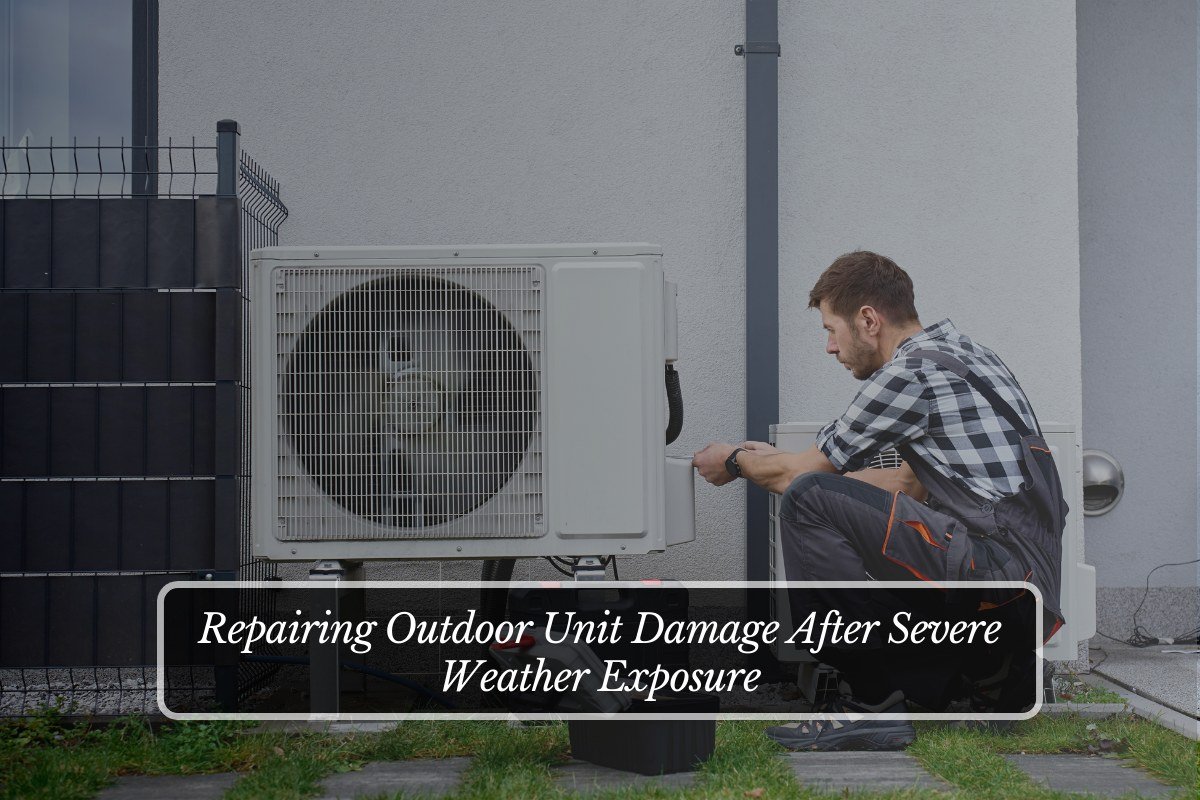
To ensure long-term protection, schedule regular professional inspections. Technicians can spot potential issues, apply protective coatings, clean the coils, and ensure the unit is functioning optimally. Routine checks prevent small problems from becoming bigger, costlier issues.
FAQs
Q. How can I protect my outdoor AC unit from saltwater corrosion?
For coastal areas, consider installing a corrosion-resistant cover, applying a rust-resistant coating to metal components, and using UV protection for plastic parts. Additionally, rinsing the unit with fresh water after exposure to saltwater can help prevent salt buildup.
Q. Is it safe to cover my outdoor AC unit during the cooling season?
No. While covering the unit during the off-season is fine, the cover should be removed during the cooling season to allow for proper airflow. A lack of airflow can cause the system to overheat and lead to inefficiency.
Q. Can I paint my outdoor AC unit to prevent rust?
It’s not recommended to paint the entire unit, as this can interfere with airflow and performance. However, applying a specialized rust-resistant coating to metal parts like coils and fan blades can help protect against corrosion.
Q. How often should I clean the outdoor unit?
It’s advisable to clean the outdoor unit every 3 to 6 months, depending on the environment. Regular cleaning removes dirt, leaves, and other debris that can clog the unit and reduce performance.
Q. Can I use any type of cover for my outdoor unit?
It’s important to use covers designed specifically for air conditioners. These covers are made from breathable materials that protect against weather elements while allowing proper airflow when necessary.