As temperatures rise, air conditioners shift from occasional use to continuous operation. Peak summer demand puts significant strain on HVAC systems, and without proper preparation, performance issues, higher energy bills, and unexpected breakdowns can occur. Preparing your air conditioner before the hottest months ensures reliable cooling, improved efficiency, and extended equipment lifespan.
Proactive maintenance and system optimization are essential for keeping your air conditioner ready to handle peak summer demand. This article outlines practical steps homeowners and facility managers can take to maintain optimal cooling performance.
Schedule a Professional HVAC Inspection
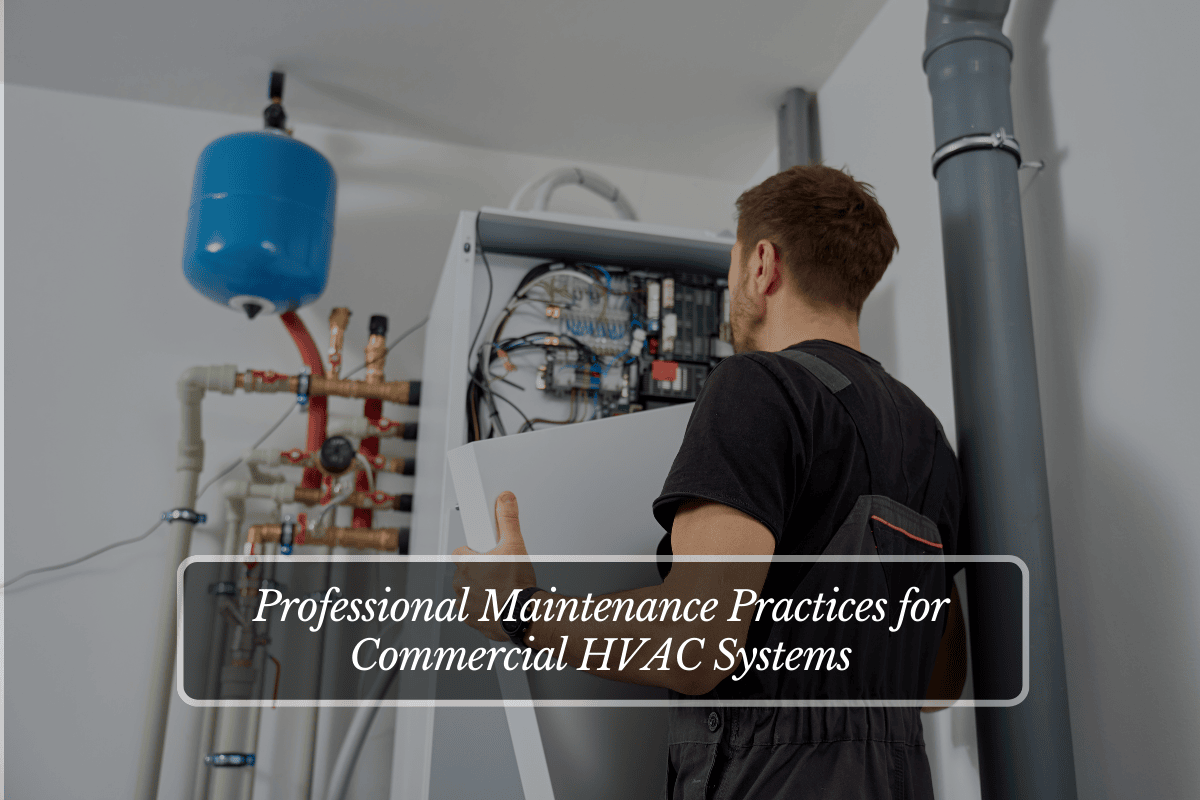
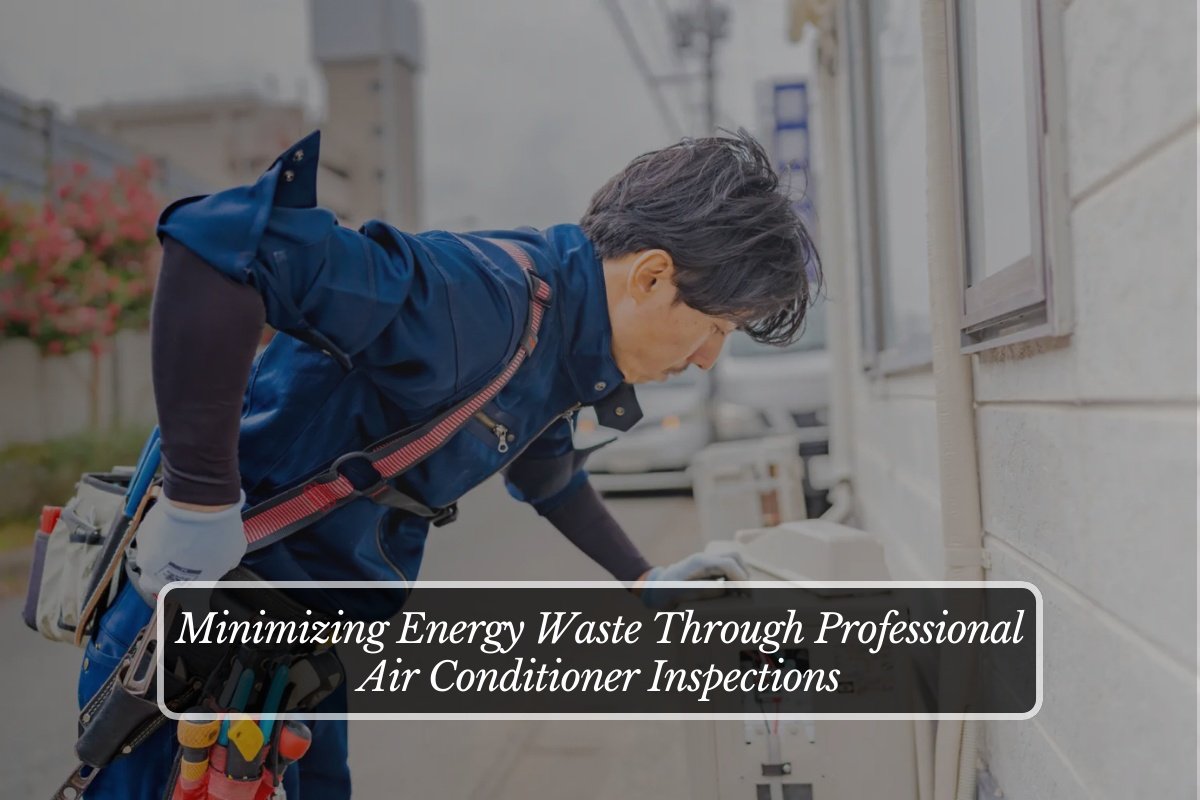
The most effective way to prepare for summer is to schedule a comprehensive professional inspection.
What Technicians Typically Check
- Refrigerant levels and pressure
- Electrical connections and components
- Thermostat calibration
- Compressor performance
- Condenser and evaporator coils
- Airflow and duct integrity
| Inspection Area | Purpose |
|---|---|
| Refrigerant Check | Ensures proper cooling capacity |
| Electrical System | Prevents startup failures |
| Coil Cleaning | Improves heat exchange efficiency |
| Airflow Assessment | Maintains consistent cooling |
Professional inspections identify potential issues before they escalate during peak demand.
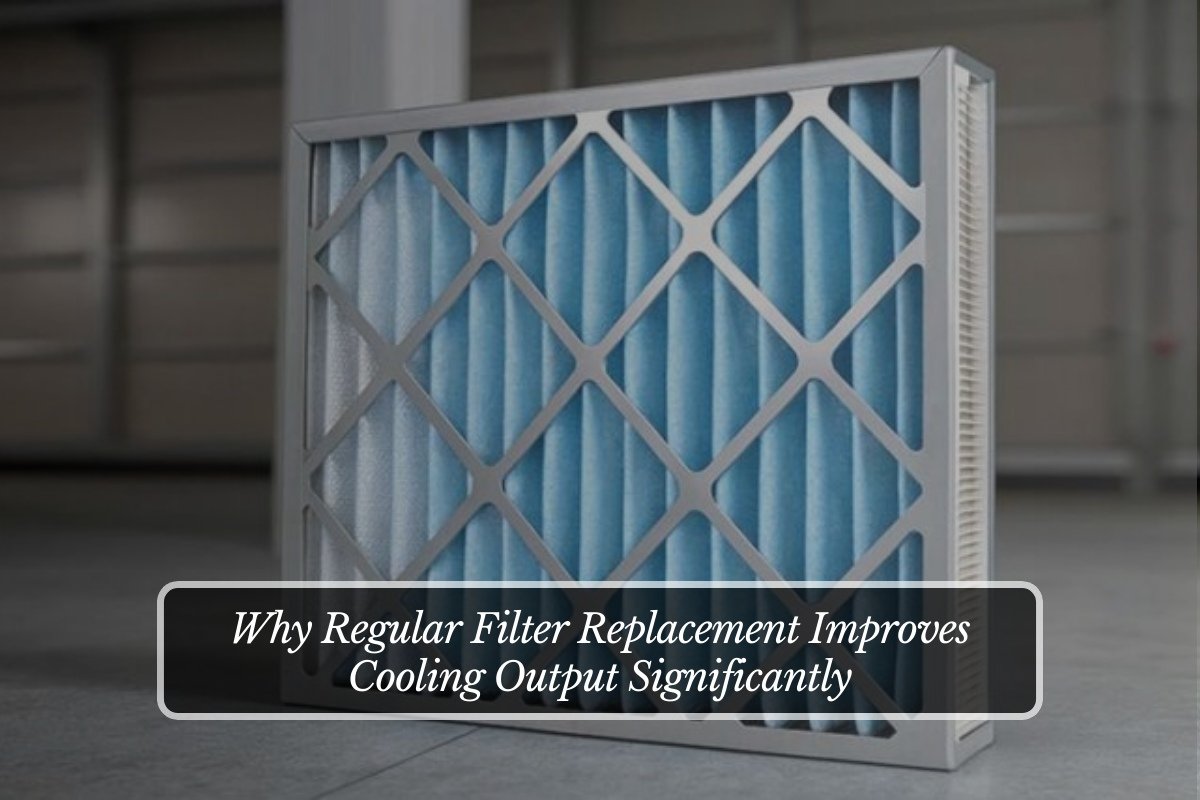
Replace or Clean Air Filters
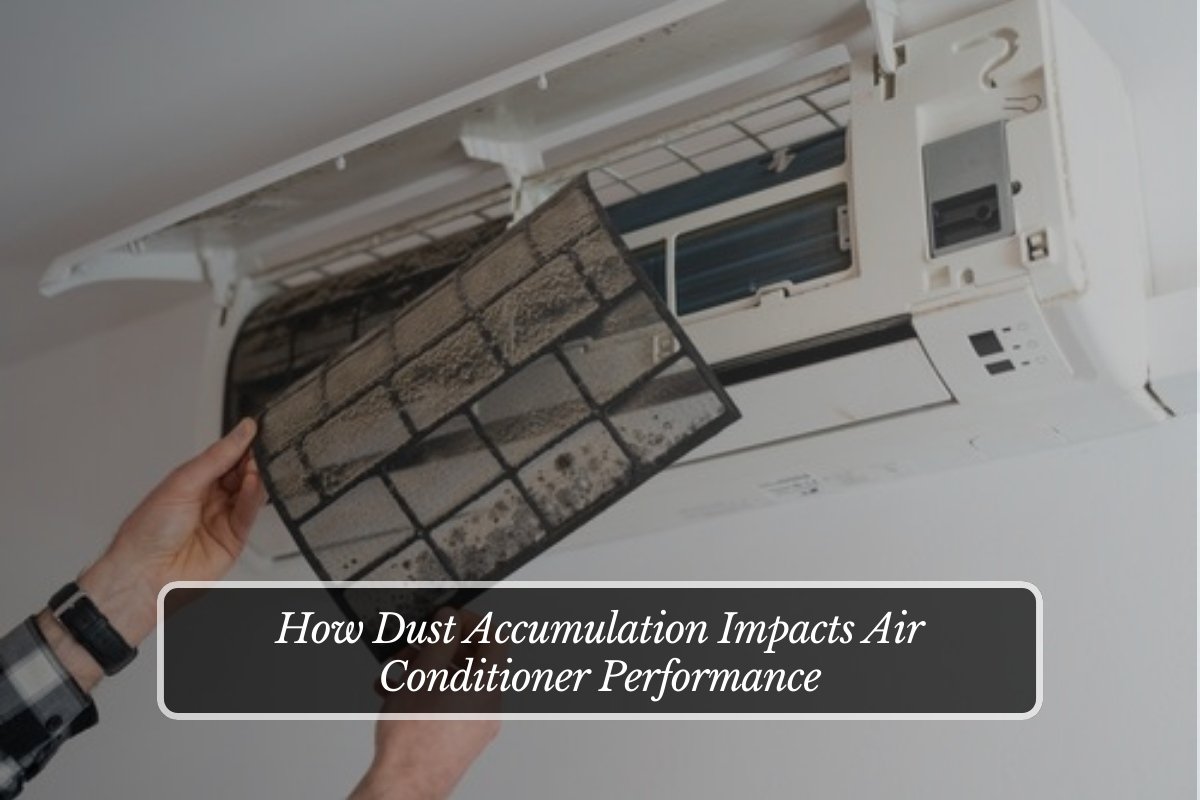
Dirty air filters restrict airflow, forcing the system to work harder.
Benefits of Clean Filters
- Improved airflow
- Better indoor air quality
- Reduced system strain
- Lower energy consumption
- Enhanced cooling efficiency
Filters should be checked monthly during heavy usage and replaced as needed.
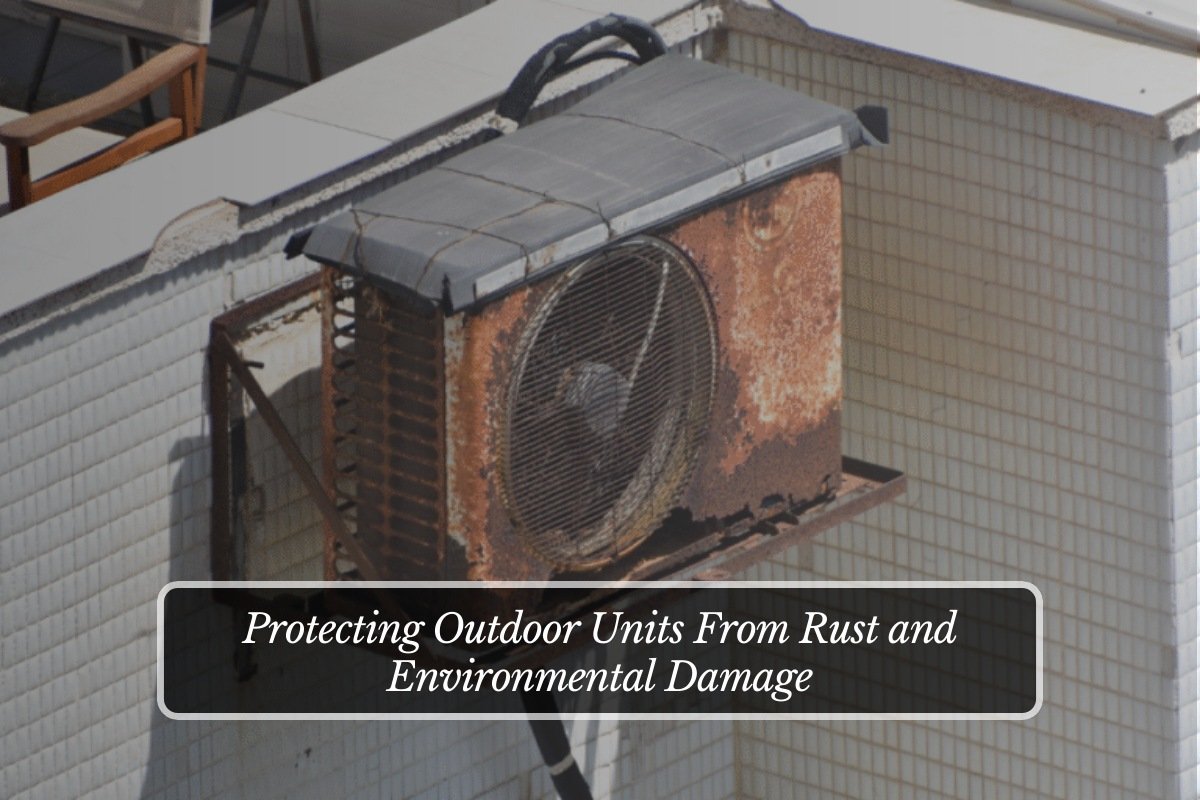
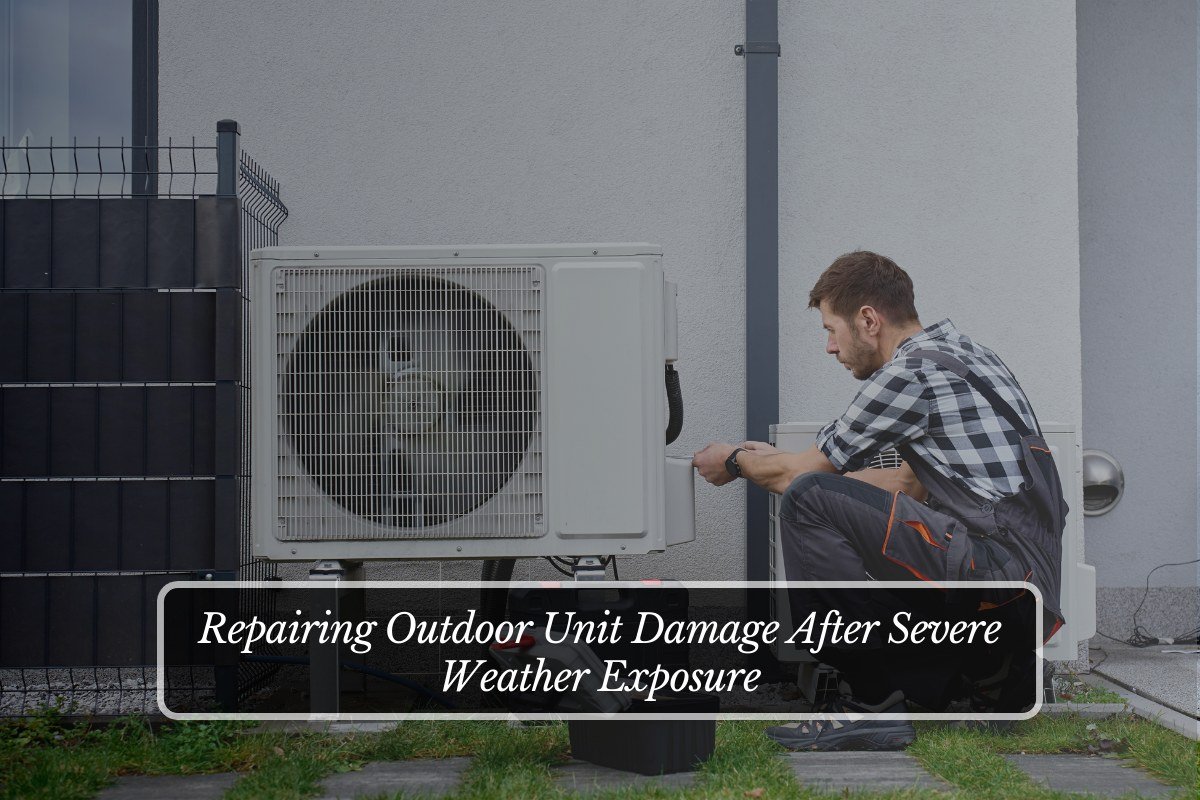
Clean the Outdoor Condenser Unit
The outdoor condenser unit plays a crucial role in releasing heat absorbed from indoors.
Outdoor Maintenance Steps
- Remove debris, leaves, and dirt
- Trim vegetation around the unit
- Clean condenser coils
- Ensure proper clearance for airflow
Blocked airflow around the condenser reduces efficiency and increases operating costs.
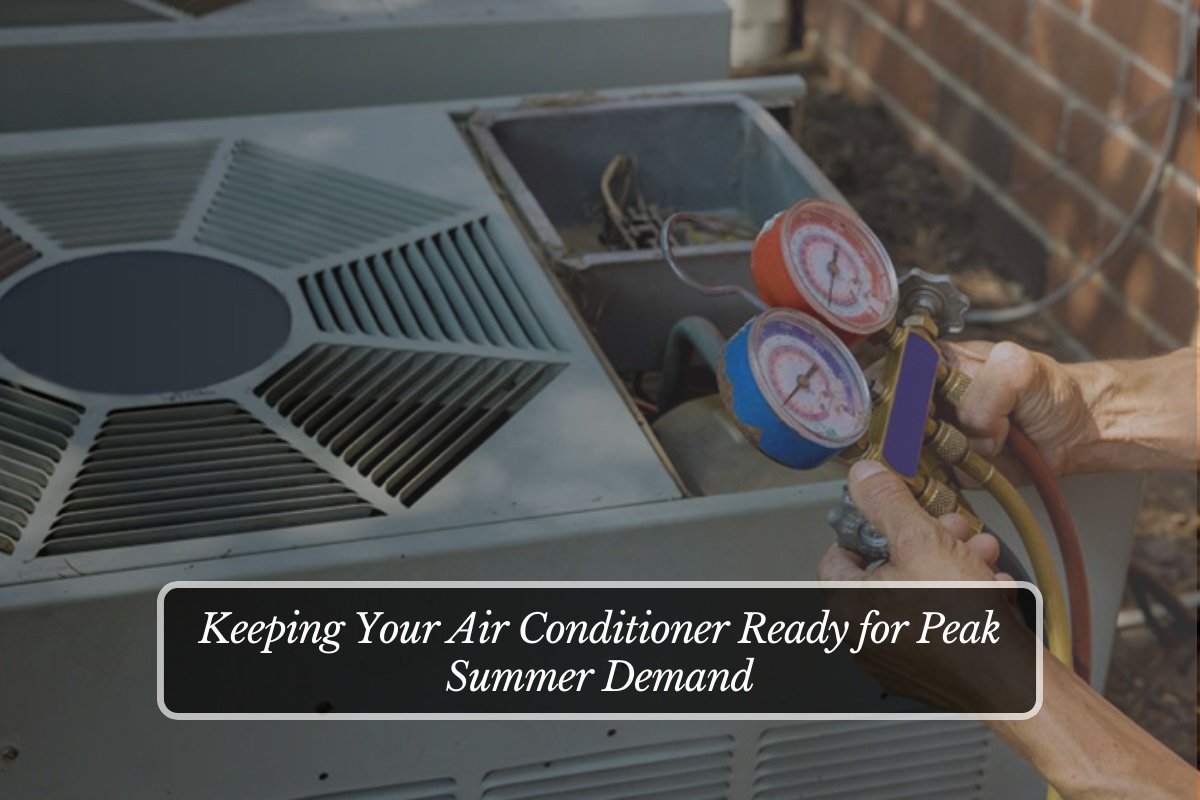
Check Refrigerant Levels
Low refrigerant can significantly reduce cooling performance.
Signs of Refrigerant Issues
- Weak airflow
- Longer cooling cycles
- Ice buildup on coils
- Hissing or bubbling sounds
A certified technician should handle refrigerant adjustments to ensure proper pressure levels.
Inspect and Clean Evaporator Coils
Evaporator coils absorb heat from indoor air. Dirty coils reduce efficiency and may cause freezing.
Maintenance Benefits
- Faster cooling response
- Reduced compressor workload
- Improved humidity control
- Enhanced energy efficiency
Regular coil cleaning helps maintain optimal system performance.
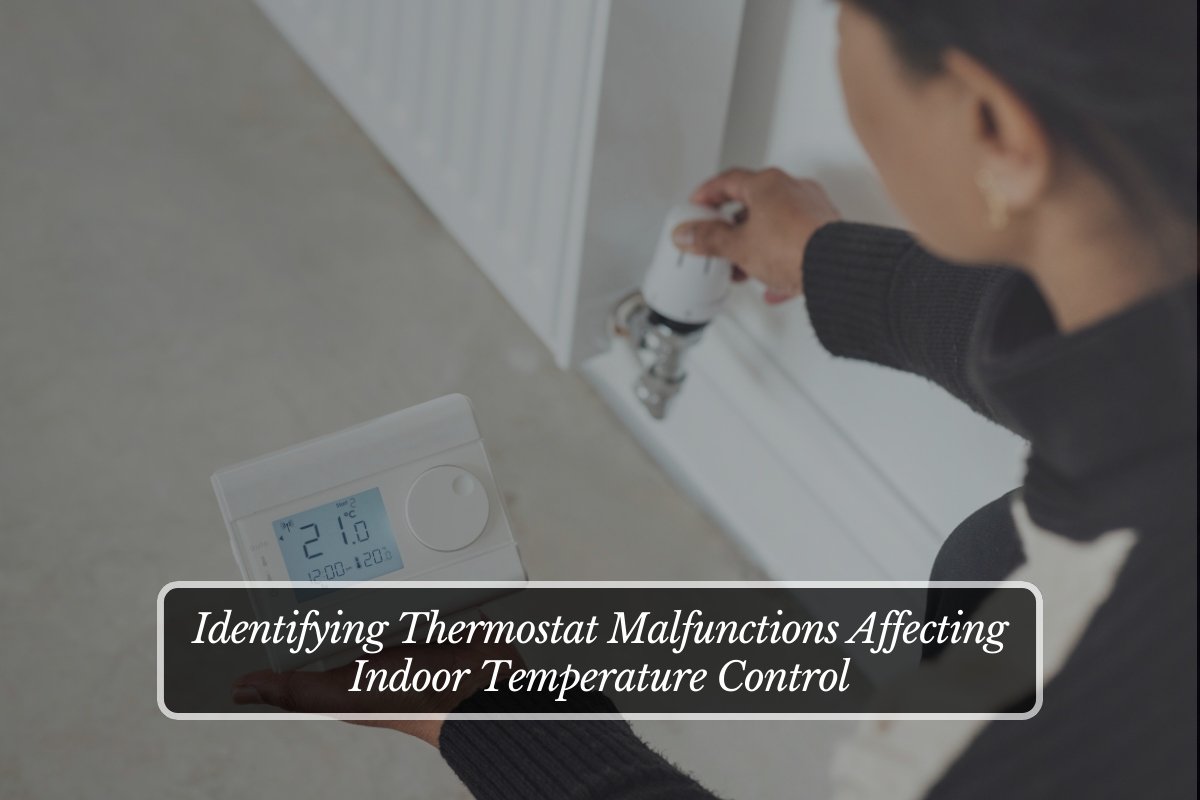
Test Thermostat Accuracy
The thermostat controls when and how long your AC runs.
Thermostat Optimization Tips
- Calibrate temperature settings
- Upgrade to programmable or smart thermostats
- Set energy-efficient cooling schedules
- Replace batteries if necessary
Accurate thermostat settings prevent short cycling and energy waste.
Seal and Insulate Ductwork
Leaky or poorly insulated ducts reduce cooling efficiency.
Duct System Improvements
- Seal visible leaks
- Insulate exposed ducts
- Remove obstructions
- Balance airflow
| Duct Issue | Impact |
|---|---|
| Air Leaks | Reduced cooling output |
| Poor Insulation | Energy loss |
| Blocked Vents | Uneven cooling |
Efficient ductwork ensures cooled air reaches all areas effectively.
Improve Home Insulation and Ventilation
Reducing indoor heat gain helps your air conditioner operate efficiently.
Additional Cooling Support Measures
- Install blackout curtains
- Seal windows and doors
- Improve attic insulation
- Use ceiling fans to circulate air
Reducing thermal load decreases stress on the AC system.
Monitor System Performance During Early Summer
Early monitoring helps detect potential problems before peak heat arrives.
Warning Signs to Watch
- Unusual noises
- Increased energy bills
- Frequent cycling
- Uneven cooling
- Water leakage
Prompt attention to these signs prevents emergency breakdowns during extreme heat.
Preventive Maintenance Schedule
Routine maintenance ensures long-term reliability.
Recommended Maintenance Frequency
- Professional inspection: Once or twice annually
- Filter replacement: Every 1–3 months
- Coil cleaning: Annually
- Drain line cleaning: Annually
- Electrical inspection: Annually
Consistent maintenance minimizes downtime during peak summer usage.
Energy Efficiency During Peak Demand
Running your AC efficiently reduces both costs and system strain.
Energy-Saving Tips
- Set thermostat to moderate temperatures
- Avoid frequent thermostat adjustments
- Close blinds during hottest hours
- Limit heat-generating appliance use
- Use programmable settings during off-peak hours
Energy-efficient practices reduce operational stress and extend equipment life.
Consider System Upgrades if Necessary
Older systems may struggle under peak summer demand.
Upgrade Indicators
- System age exceeds 10–15 years
- Frequent repairs
- Outdated refrigerant type
- High utility bills
- Inconsistent cooling
Modern energy-efficient units offer improved performance and reduced operating costs.
FAQs
Q. When should I prepare my air conditioner for summer?
Preparation should begin in late spring before temperatures consistently rise.
Q. How often should air filters be replaced during summer?
Filters should be checked monthly and replaced every 1–3 months depending on usage and air quality.
Q. Why is cleaning the outdoor unit important?
Debris and dirt restrict airflow, reducing efficiency and increasing system strain.
Q. Can I prepare my AC without professional help?
Basic maintenance like filter replacement and debris removal can be done by homeowners, but professional inspections are recommended.
Q. Does preventive maintenance reduce energy bills?
Yes, a well-maintained system operates more efficiently, reducing energy consumption and overall costs.