Indoor air quality (IAQ) plays a critical role in health, comfort, and productivity, yet it is often overlooked until problems arise. Dust buildup, mold growth, and poor ventilation can quietly degrade the air people breathe every day. Scheduled HVAC maintenance is one of the most effective and proactive ways to improve indoor air quality, ensuring cleaner air, healthier environments, and more efficient system performance.
The Link Between HVAC Systems and Indoor Air Quality
Heating, ventilation, and air conditioning systems directly influence indoor air quality by circulating and filtering air throughout a building. When these systems are not properly maintained, contaminants such as dust, pollen, pet dander, mold spores, and bacteria can accumulate and spread indoors.
Scheduled maintenance ensures that HVAC components function as designed, preventing pollutants from building up and helping the system effectively remove airborne contaminants. A clean, well-maintained system supports healthier breathing conditions for occupants.
Cleaner Air Through Regular Filter Replacement
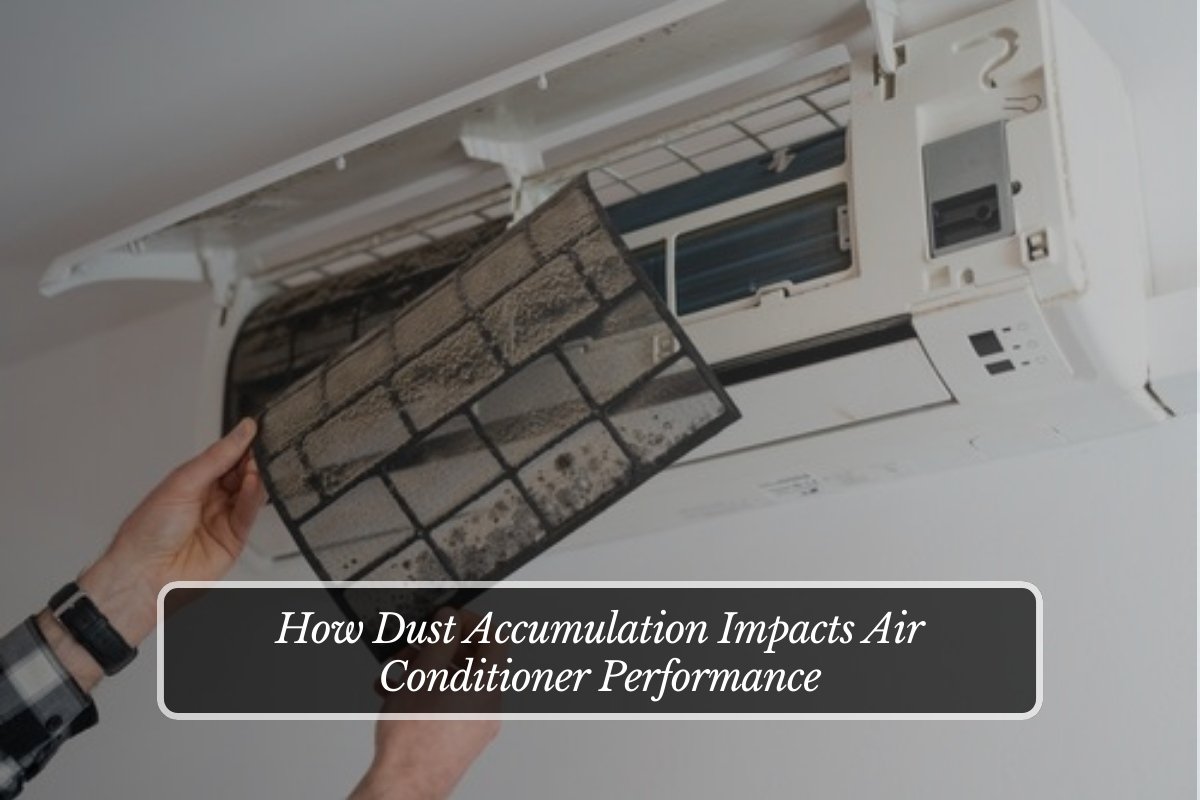
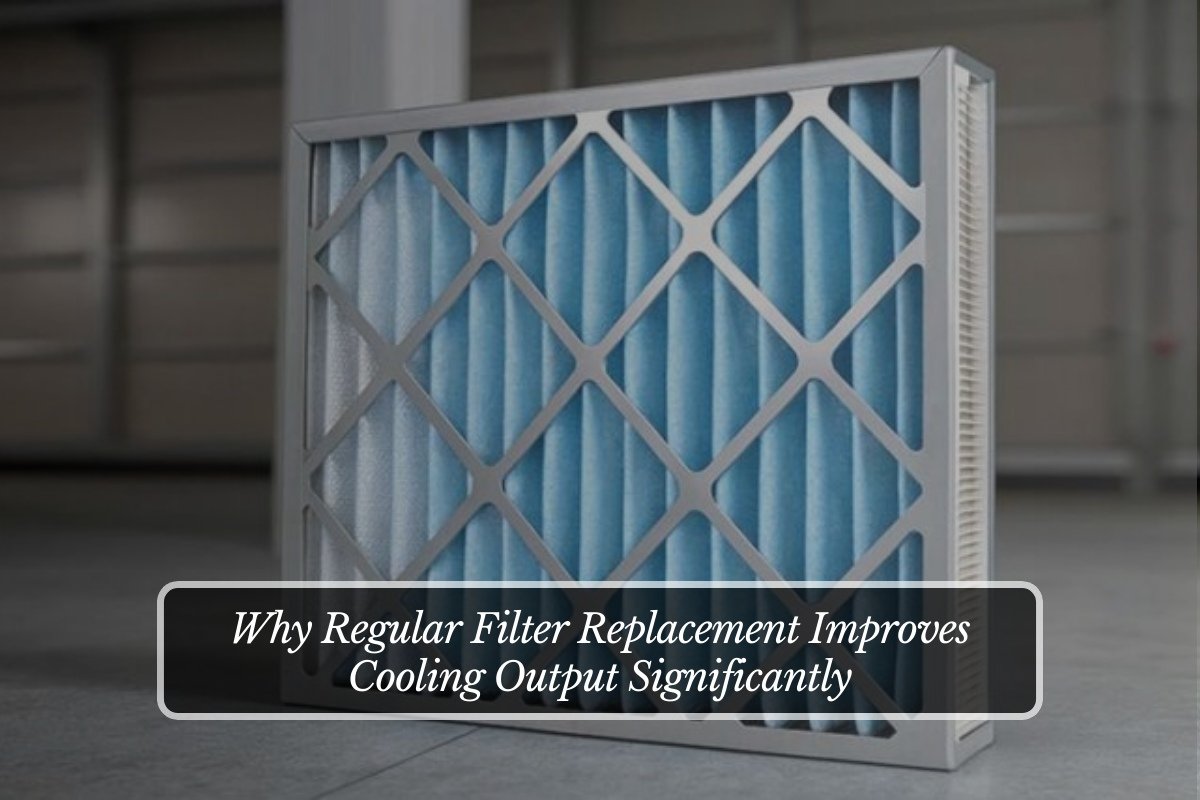
Air filters are the first line of defense against airborne pollutants. Over time, filters become clogged with dust and debris, reducing their ability to capture contaminants and restricting airflow.
Routine maintenance includes timely filter inspection and replacement, which:
- Improves filtration efficiency
- Reduces circulating allergens and irritants
- Prevents dust from settling in ducts and living spaces
Clean filters allow the HVAC system to trap pollutants before they enter occupied areas, significantly improving overall air quality.
Preventing Mold and Microbial Growth
Moisture is a major contributor to indoor air quality problems, especially within HVAC systems. Condensation around evaporator coils, drain pans, and ductwork can create ideal conditions for mold and bacteria growth.
Scheduled maintenance addresses these risks by:
- Cleaning evaporator coils and drain lines
- Ensuring proper drainage and humidity control
- Identifying leaks or excessive moisture buildup
By reducing microbial growth, maintenance helps prevent musty odors and airborne spores that can trigger allergies, asthma, and respiratory issues.
Improving Ventilation and Airflow Balance
Proper ventilation is essential for removing stale air and introducing fresh outdoor air. Poor airflow or blocked ducts can lead to stagnant air and higher concentrations of indoor pollutants.
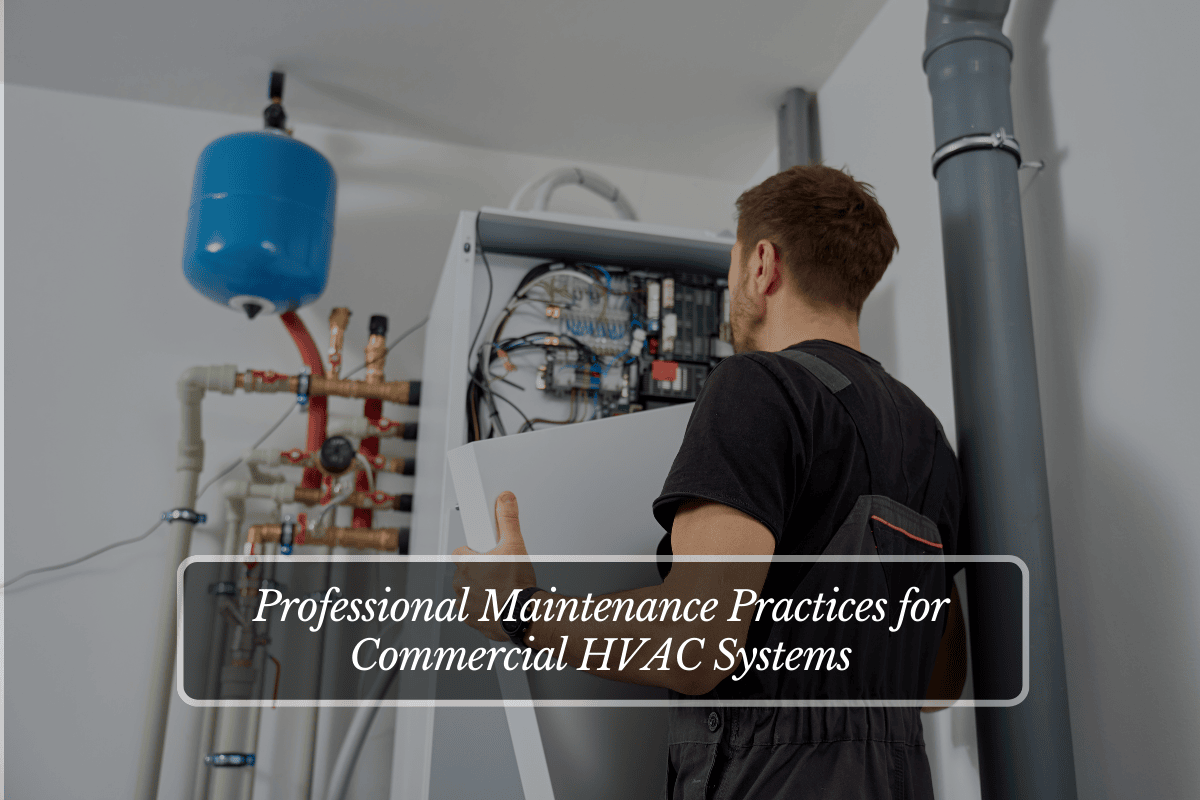
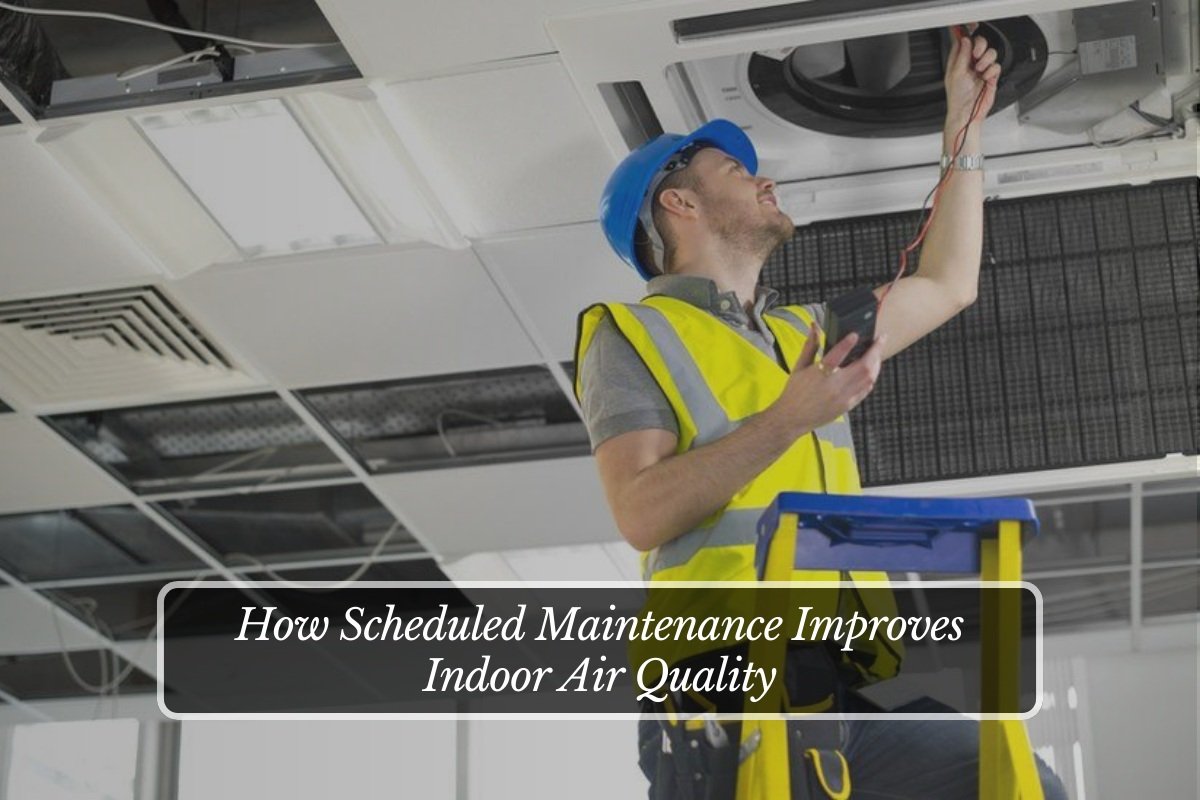
Maintenance technicians inspect fans, blowers, and duct systems to ensure balanced airflow and proper ventilation. Improved air circulation dilutes indoor contaminants, enhances oxygen levels, and creates a fresher indoor environment.
Reducing Dust and Particulate Circulation
Dust accumulation inside HVAC systems is a common cause of poor indoor air quality. When systems start up, built-up dust can be blown into living or working spaces.
Scheduled maintenance includes cleaning internal components and inspecting ductwork, reducing the amount of particulate matter circulated indoors. This is especially beneficial for individuals with allergies, sensitivities, or compromised immune systems.
Enhancing Overall System Efficiency and Consistency
A well-maintained HVAC system operates more efficiently and consistently, which directly benefits indoor air quality. Systems that run smoothly maintain stable temperatures and humidity levels, both of which are essential for comfort and health.
Inconsistent operation can lead to excessive dryness or humidity, each of which contributes to air quality issues such as respiratory irritation or mold growth. Regular maintenance helps keep environmental conditions balanced year-round.
Long-Term Health and Comfort Benefits
Improved indoor air quality has lasting benefits beyond immediate comfort. Cleaner air reduces respiratory stress, improves sleep quality, and enhances concentration and productivity. In homes, it supports family health; in workplaces, it contributes to employee well-being and performance.
Scheduled maintenance is a preventative investment that protects both the HVAC system and the people who rely on it daily.
A Proactive Approach to Healthier Indoor Air
Rather than reacting to air quality problems after they appear, scheduled HVAC maintenance offers a proactive solution. By keeping systems clean, balanced, and efficient, routine servicing minimizes pollutants and creates a healthier indoor environment.
Clean air is not accidental—it is maintained through consistent care. Scheduling regular HVAC maintenance is one of the simplest and most effective steps toward better indoor air quality and long-term comfort.
FAQs
How often should HVAC maintenance be scheduled to improve air quality?
Most systems benefit from professional maintenance at least once or twice a year, typically before heating and cooling seasons.
Can HVAC maintenance help with allergies?
Yes. Clean filters, coils, and ducts reduce airborne allergens such as dust, pollen, and mold spores.
Does duct cleaning improve indoor air quality?
When dust or mold buildup is present, duct cleaning can significantly reduce particulate circulation and improve air quality.
Will maintenance alone eliminate indoor air pollution?
Maintenance greatly reduces HVAC-related pollutants, but combining it with proper ventilation and air purification offers the best results.
Is scheduled maintenance more cost-effective than repairs?
Yes. Preventive maintenance reduces costly breakdowns while improving efficiency and indoor air quality simultaneously.