Water leakage in your home can lead to serious structural damage, health concerns, and costly repairs if not addressed promptly. One of the most effective ways to prevent water leakage is through regular servicing and maintenance of your plumbing, roofing, and HVAC systems.
These essential systems are responsible for keeping water in the right places, and when they malfunction, leaks can develop, causing widespread damage. Regular servicing not only helps identify and fix small issues before they become major problems but also extends the lifespan of your systems and ensures they function efficiently.
In this article, we’ll explore how regular servicing can help prevent water leakage issues, focusing on plumbing, roofing, and HVAC systems and providing tips for effective maintenance.
1. The Importance of Plumbing System Maintenance
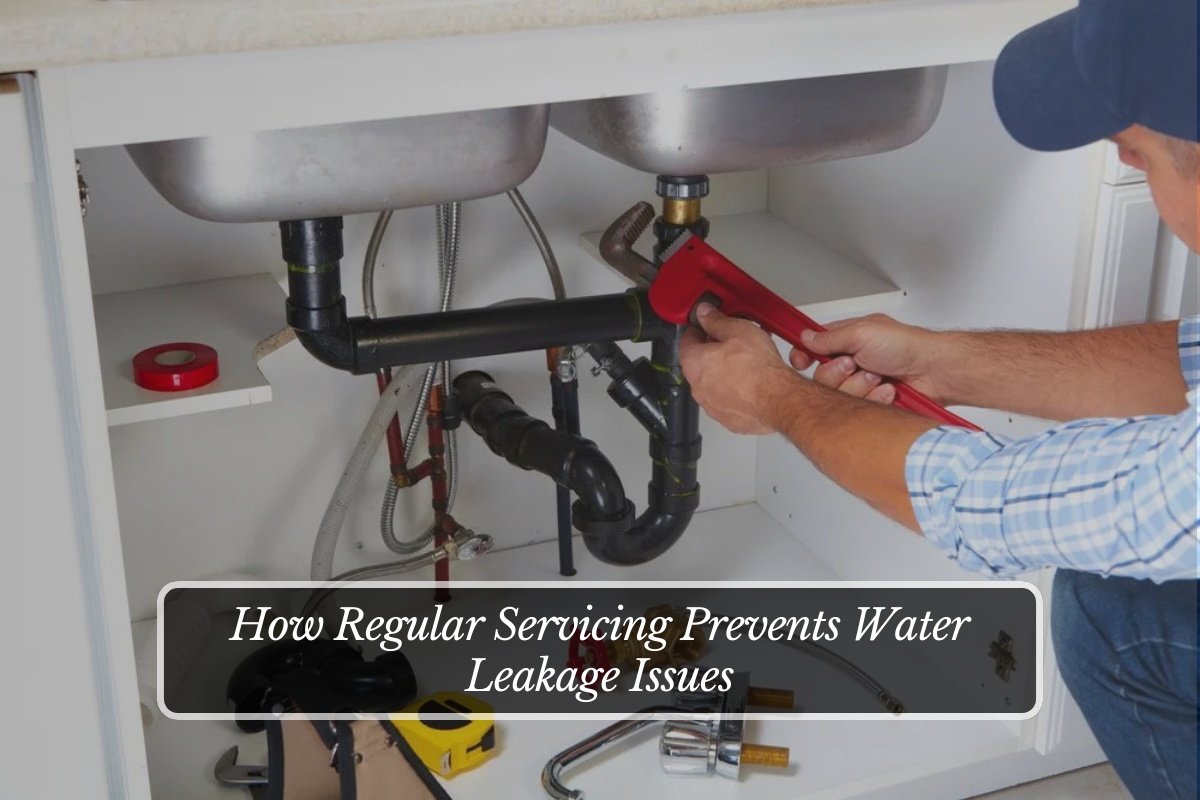
The plumbing system is one of the most common sources of water leakage in the home. From pipes to faucets to water heaters, a variety of components make up the plumbing system. Over time, wear and tear, aging pipes, or external factors like freezing temperatures can cause leaks, leading to water damage, mold, and higher water bills. Regular plumbing servicing is essential to keep your system running smoothly and to catch potential issues early.
How Regular Plumbing Servicing Prevents Leaks:
- Inspecting Pipes for Wear and Tear: Over time, pipes can deteriorate due to corrosion, age, or pressure. Regular plumbing inspections help detect early signs of wear, such as cracks or weak spots in the pipes, so repairs or replacements can be made before a leak occurs.
- Checking Water Pressure: High water pressure can strain your pipes and fixtures, leading to leaks or bursts. A plumber can check the water pressure and adjust it to the appropriate levels to prevent unnecessary stress on your plumbing system.
- Sealing Joints and Fittings: Loose joints and fittings in your plumbing can cause water to leak over time. Regular servicing ensures that these connections are checked and properly sealed, preventing leaks before they start.
- Cleaning Drains and Sewer Lines: Blocked drains or sewer lines can lead to water backup, causing leaks or flooding. Regular servicing includes drain cleaning, which helps maintain proper water flow and prevents backup-related leaks.
By having a professional plumber inspect and maintain your system, you can address potential plumbing issues before they lead to costly water damage and repairs.
2. Roof Maintenance and Leak Prevention
The roof is another critical area where water leakage can occur, particularly during heavy rain or snow. Roofs are constantly exposed to the elements, and over time, shingles, flashing, gutters, and other roofing components can wear out or become damaged, leading to leaks. Regular roof maintenance helps ensure that your roof remains watertight and functional.
How Regular Roof Servicing Prevents Water Leaks:
- Inspecting and Replacing Damaged Shingles: Shingles are the first line of defense against water infiltration. Over time, shingles can become cracked, curled, or missing, which leaves your roof vulnerable to leaks. Regular roof inspections can help identify and replace damaged shingles before they allow water to penetrate your home.
- Checking Flashing and Seals: Flashing around chimneys, skylights, and vents helps prevent water from seeping into the house at vulnerable points. Regular servicing ensures that the flashing is intact and sealed properly to avoid leaks.
- Cleaning Gutters and Downspouts: Clogged gutters can lead to water buildup on the roof, which can seep under shingles and cause leaks. Regular cleaning of gutters and downspouts ensures that rainwater flows properly off the roof, preventing pooling and leakage.
- Sealing Gaps and Cracks: Gaps or cracks around roof vents, skylights, or chimneys can allow water to enter the home. Regular inspections can identify these small issues and ensure they are sealed properly to prevent water from seeping in.
By scheduling regular roof inspections and repairs, you ensure that your home remains protected from the elements, reducing the risk of water leakage.
3. HVAC System Servicing and Water Leakage Prevention
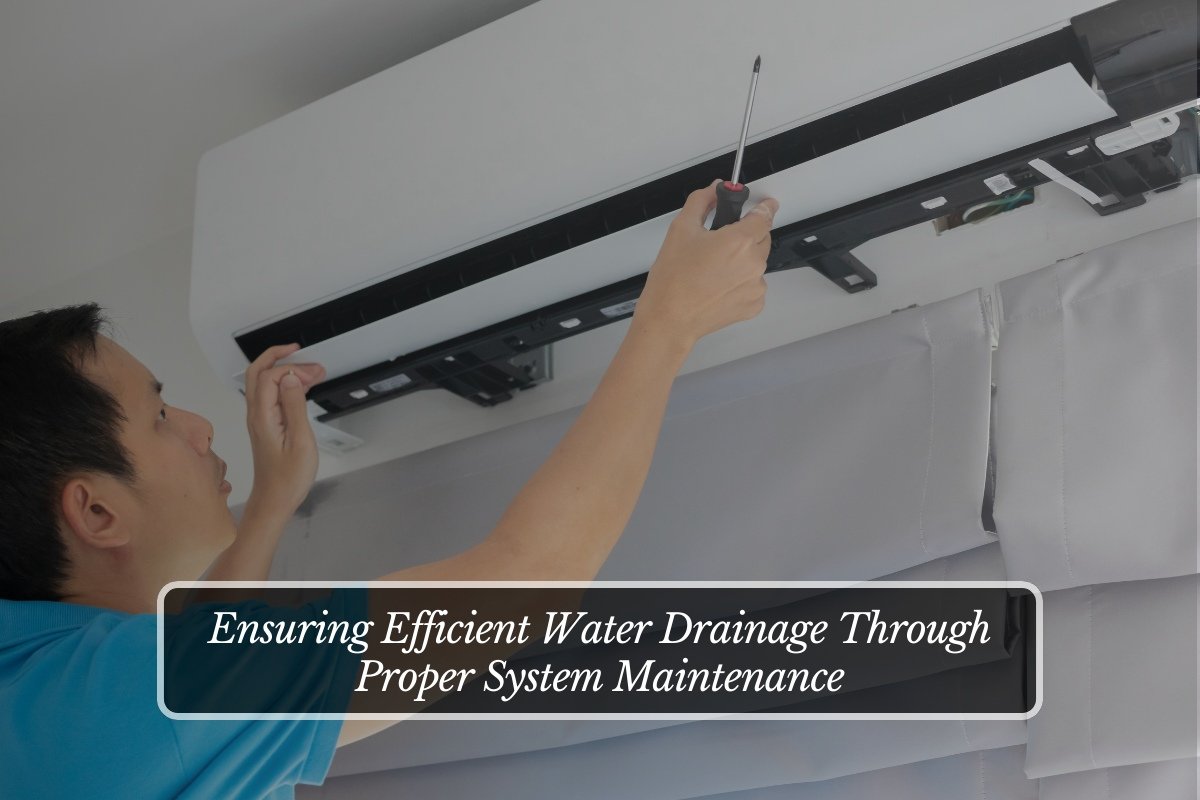
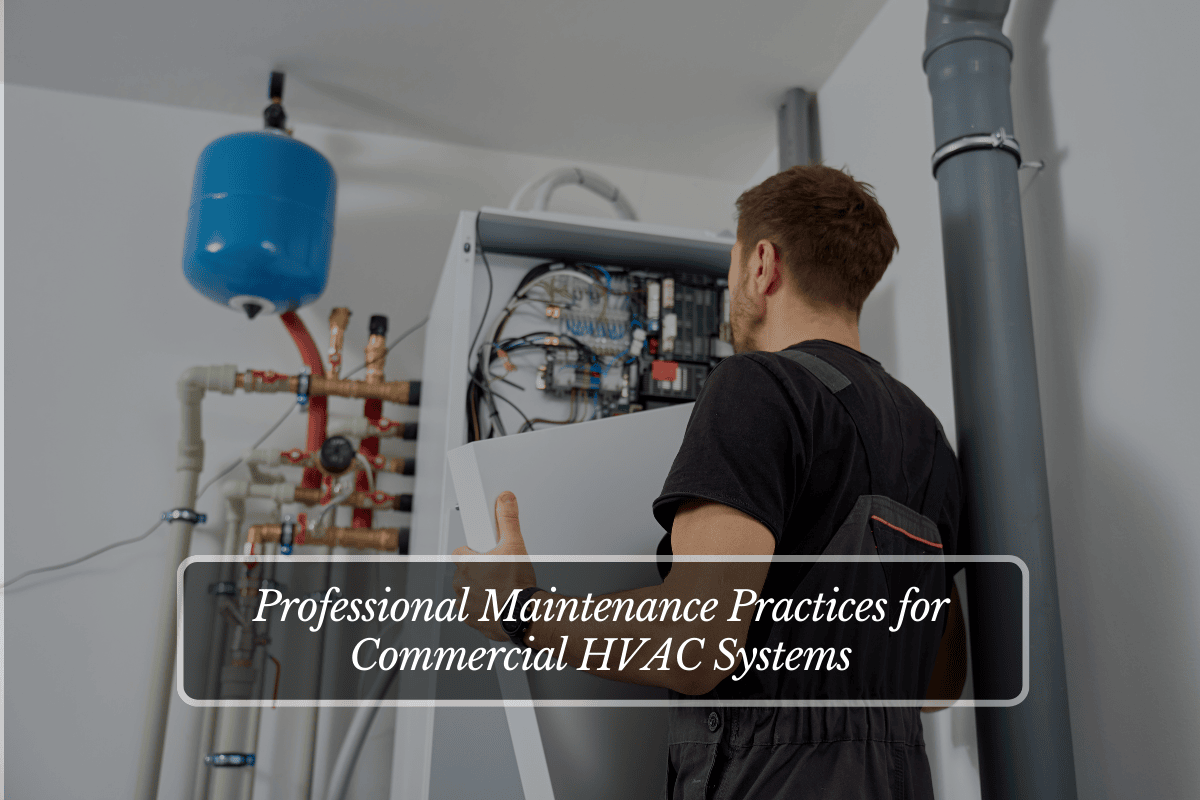
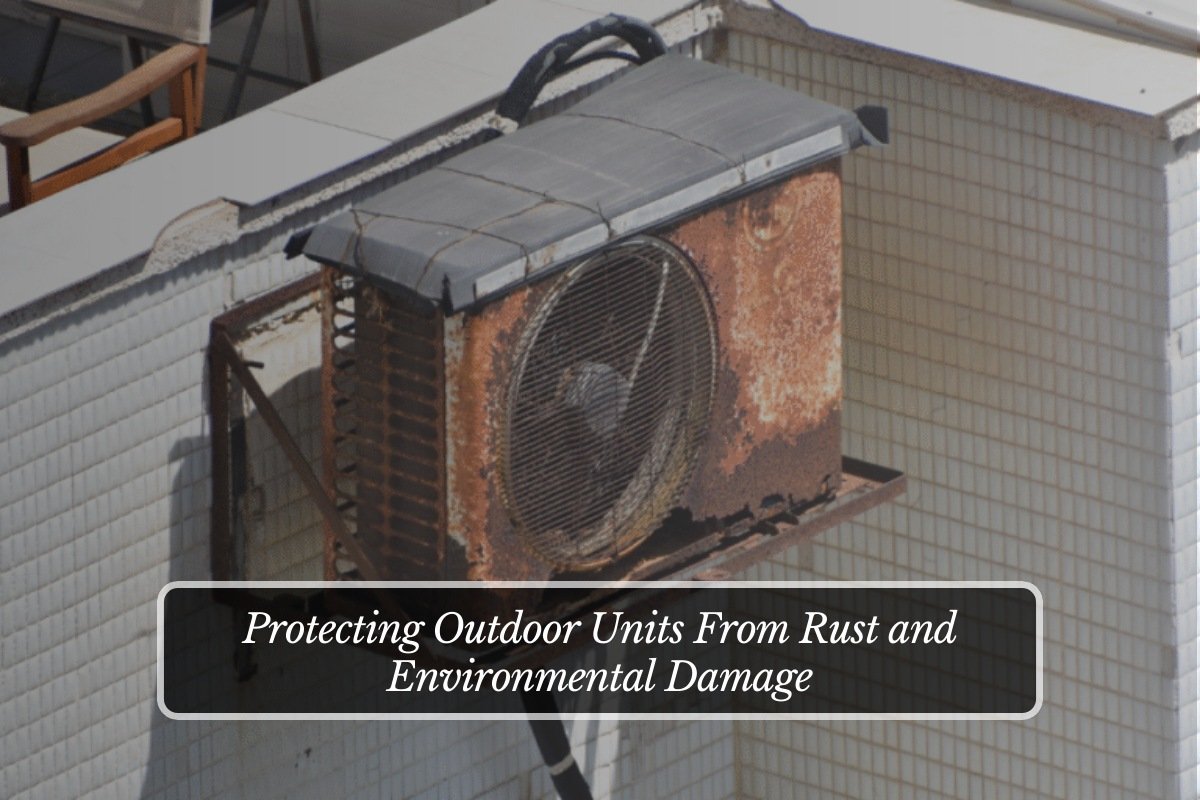
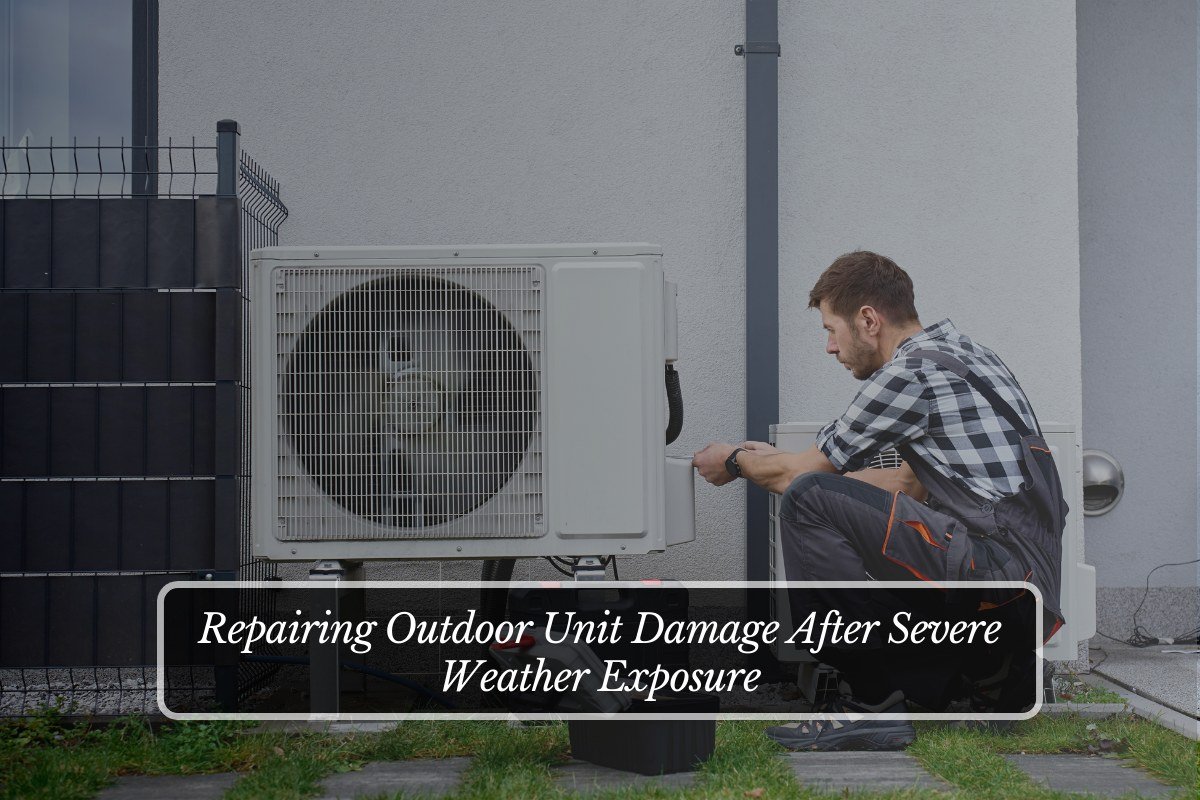
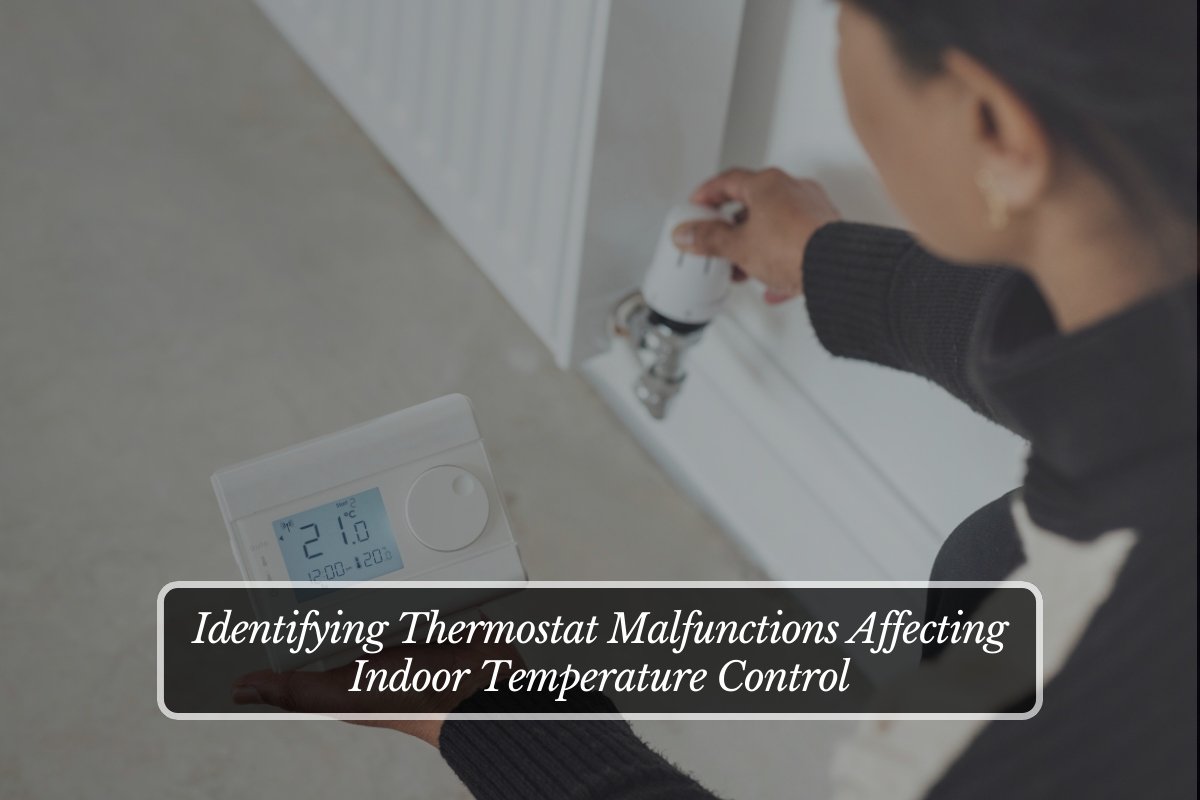
While HVAC systems are primarily designed to regulate indoor temperature and air quality, they can also play a role in water leakage, especially if the system is not properly maintained. Air conditioning systems, in particular, can develop leaks if the condensate drain line becomes clogged or the evaporator coils are not cleaned regularly. Heating systems can also contribute to moisture problems if there is improper ventilation or condensation issues.
How Regular HVAC Servicing Prevents Water Leaks:
- Cleaning the Condensate Drain: In air conditioning units, the condensate drain removes moisture collected from the air. Over time, the drain can become clogged with dirt, algae, or debris, causing water to back up and potentially leak into the surrounding areas. Regular HVAC servicing includes cleaning the condensate drain to ensure proper water drainage and prevent leaks.
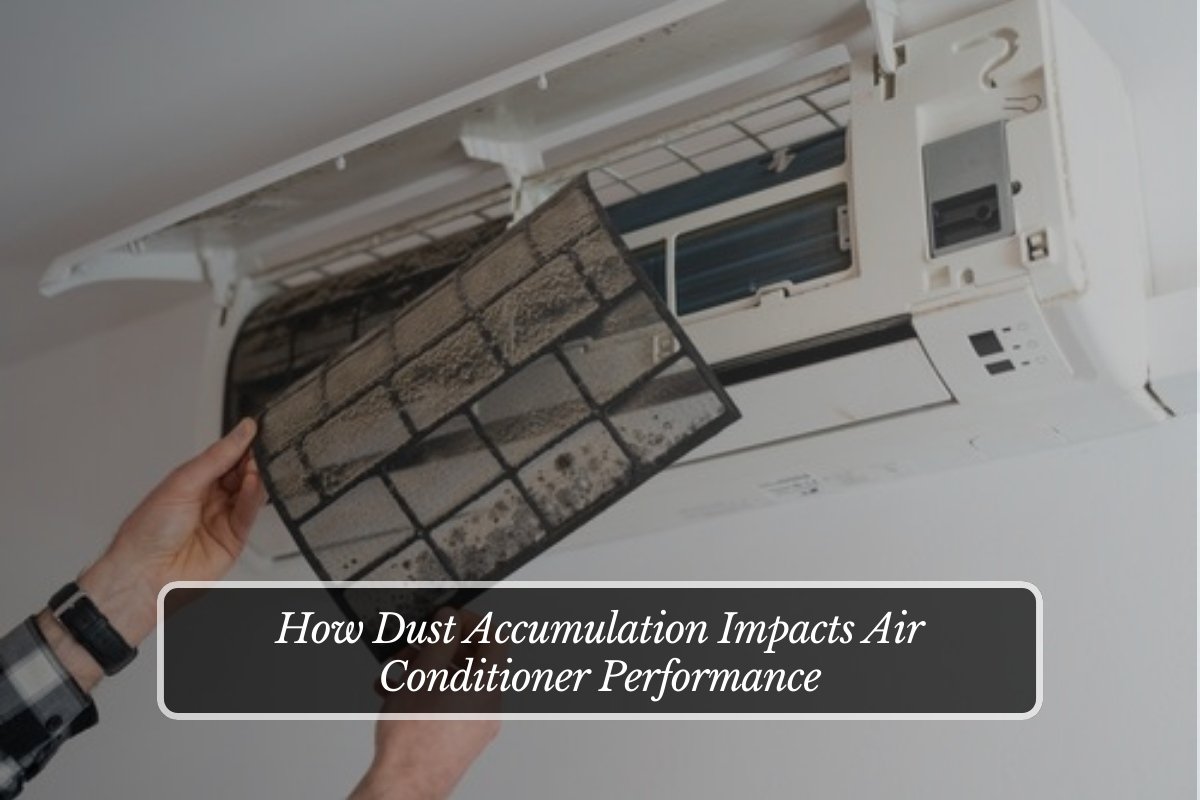
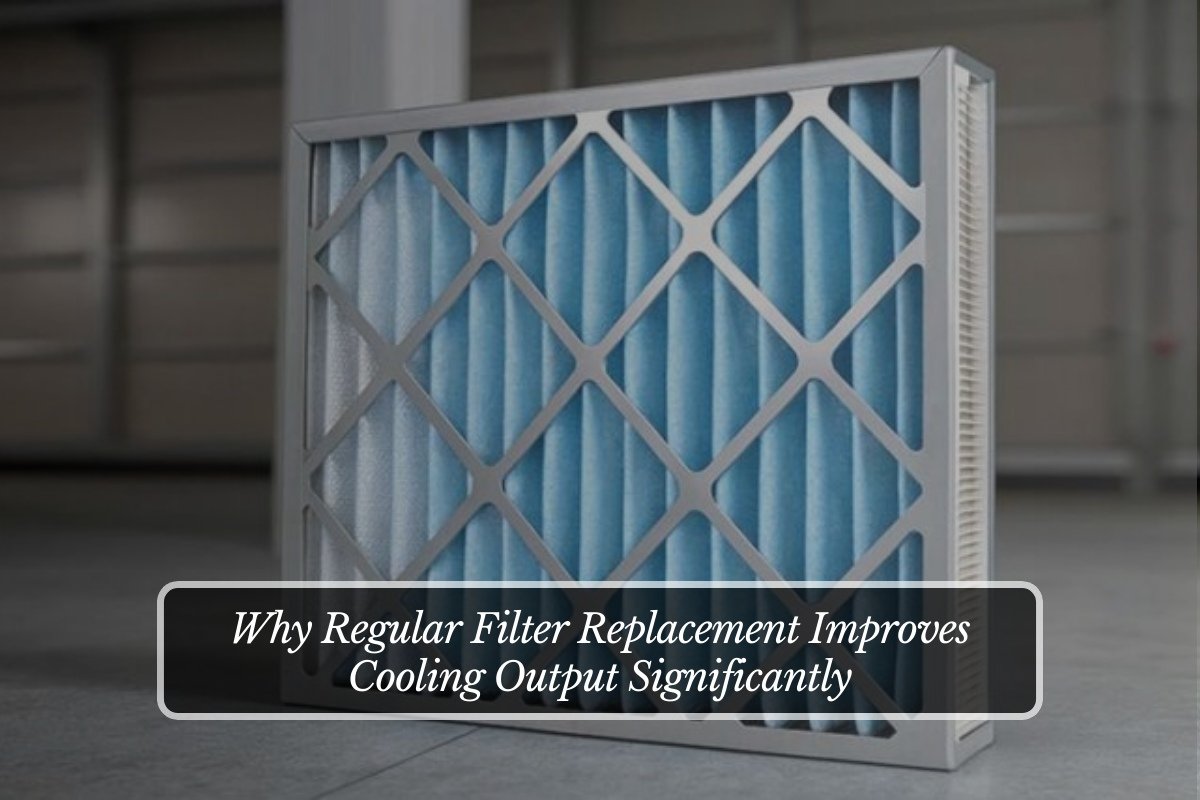
- Inspecting the Coils and Evaporator: If the evaporator coils in an AC unit are dirty or frozen, they can lead to water accumulation and leaks. During regular servicing, HVAC technicians clean the coils and check for any blockages or damage that could affect water drainage.
- Checking for Refrigerant Leaks: Low refrigerant levels can cause the evaporator coils to freeze, leading to excess water buildup and potential leaks. Regular servicing ensures that refrigerant levels are maintained, preventing coil freezing and water leakage.
- Examining Ductwork: Leaks or gaps in the ductwork can lead to moisture buildup inside the system. During an HVAC inspection, the technician checks for signs of moisture or leaks in the ductwork and seals any gaps to prevent water damage.
- Preventing Humidity Issues: Excessive humidity in the home can lead to condensation problems, which may contribute to water leaks or mold growth. An HVAC professional can inspect and adjust the system’s humidity controls to maintain optimal indoor air quality and prevent water-related issues.
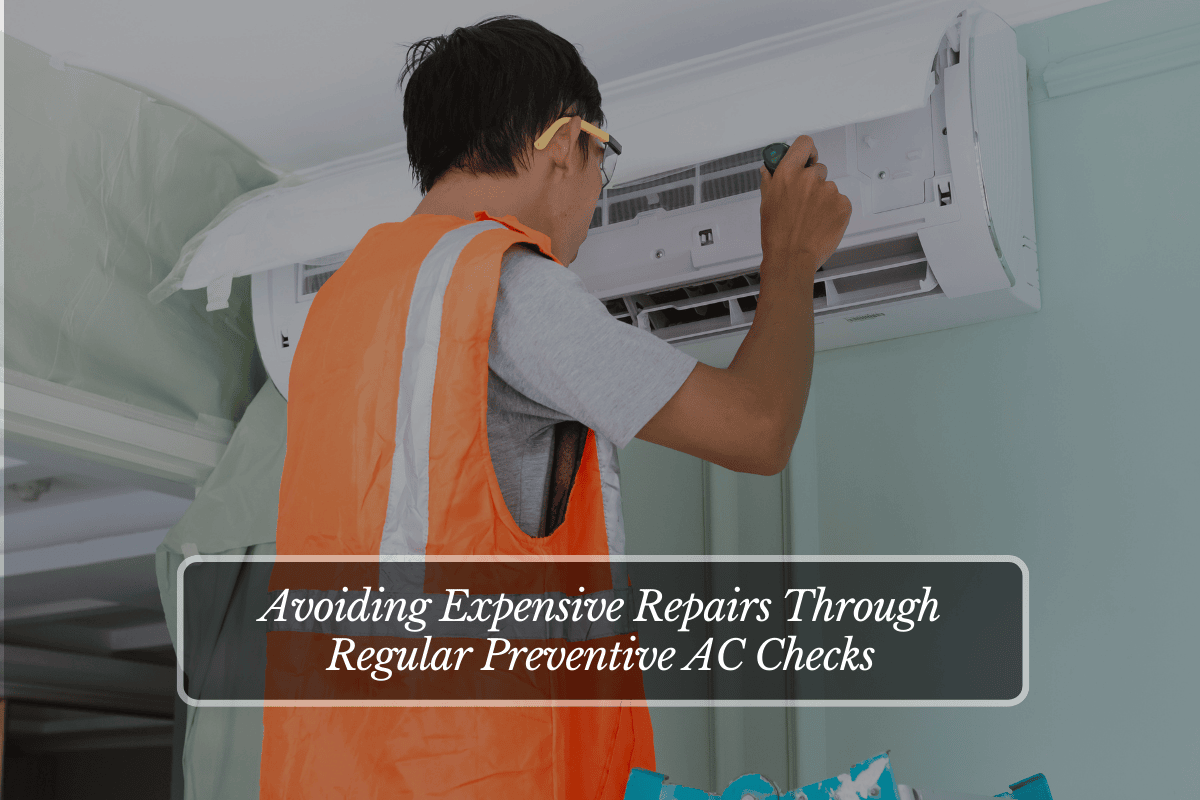
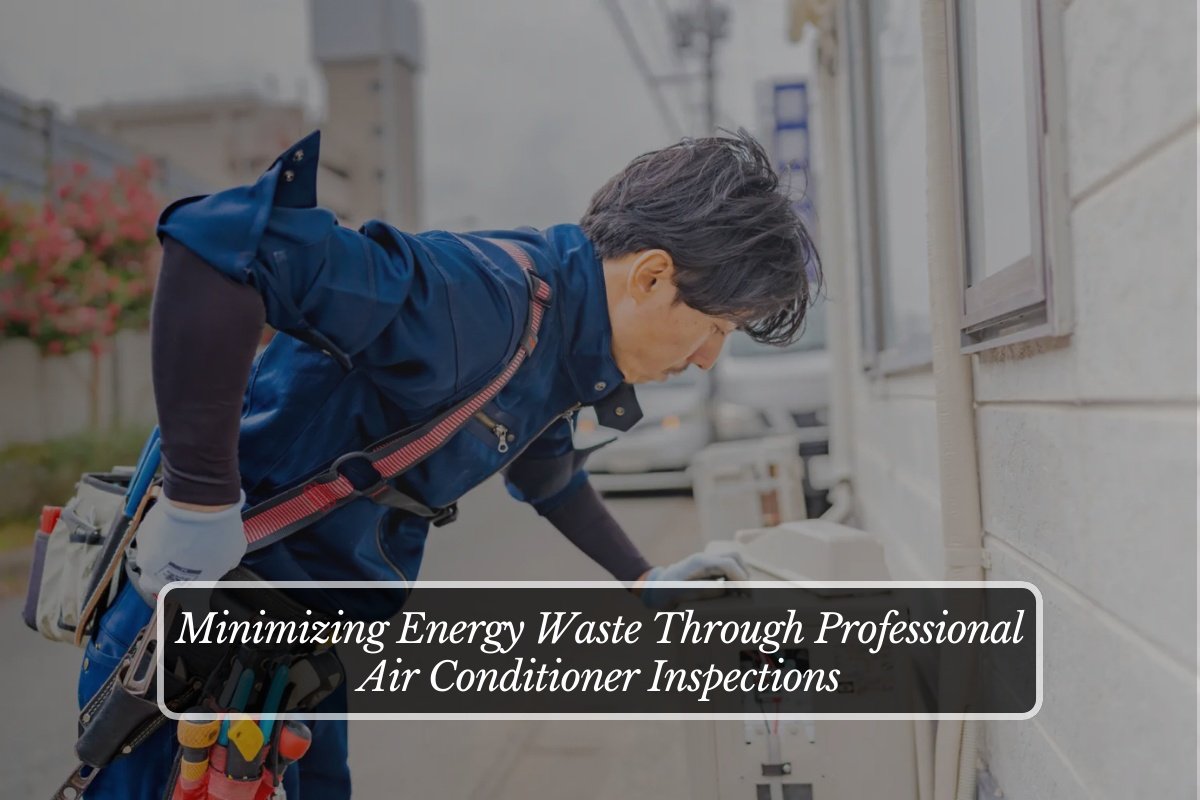
By having your HVAC system regularly serviced, you can ensure that it operates efficiently and doesn’t contribute to water leakage or moisture buildup in your home.
4. The Importance of Regular Inspections and Timely Repairs
While maintenance and servicing are essential for preventing water leaks, regular inspections and addressing issues promptly are equally important. Early detection of potential problems can save you from dealing with major leaks and the associated damage.
Key Benefits of Regular Inspections:
- Proactive Problem Detection: Regular inspections help identify minor issues before they develop into major problems. For example, a small crack in a pipe or a loose shingle may not seem significant at first but can lead to a larger leak if left untreated.
- Cost Savings: Timely repairs and preventative maintenance can help avoid costly water damage, mold remediation, and expensive system replacements. Fixing a minor leak early is much cheaper than dealing with the damage caused by a large, undetected leak.
- Peace of Mind: Knowing that your plumbing, roofing, and HVAC systems are in good condition provides peace of mind. You can rest assured that your home is protected from the threat of water damage.
Scheduling regular servicing and inspections of your plumbing, roofing, and HVAC systems ensures that any potential water leakage issues are caught early and addressed before they cause significant damage.
5. Common Areas to Inspect During Servicing to Prevent Water Leaks
- Attic and Roof: Check for damaged shingles, loose flashing, and clogged gutters. Inspect the attic for signs of water stains or dampness.
- Basement and Foundation: Inspect the basement for signs of water seepage or leaks. Ensure that foundation cracks are sealed properly to prevent water from entering.
- Plumbing Fixtures: Check faucets, pipes, and water heaters for leaks. Ensure that pipe insulation is in place to prevent freezing during colder months.
- HVAC Units: Inspect the condensate drain, coils, and evaporators for signs of moisture buildup. Ensure the system is draining water properly.
Regular servicing is crucial for preventing water leakage issues in your home. From plumbing and roofing to HVAC systems, maintaining these essential systems helps reduce the risk of leaks, ensuring your home stays dry, comfortable, and free from water damage. By scheduling regular inspections and addressing potential issues early, you not only protect your property but also save money on costly repairs and water-related damages. Make sure to stay proactive about maintenance to keep your home safe from the costly consequences of water leakage.
FAQs
How often should I have my plumbing system serviced?
It’s recommended to have your plumbing system inspected at least once a year to catch any potential issues early, such as leaks, worn-out pipes, or water pressure problems.
What are the signs that my roof might be leaking?
Signs of a roof leak include water stains on the ceiling, damp or wet spots around the roofline, mold or mildew growth, or visible cracks or missing shingles on the roof.
Why is my HVAC system causing water leaks?
Water leaks from your HVAC system can occur due to a clogged condensate drain, dirty evaporator coils, or low refrigerant levels. Regular servicing and cleaning of the system can prevent these issues.
Can I prevent water leakage by fixing cracks in the foundation?
Yes, sealing cracks in the foundation is essential for preventing water from seeping into the basement or crawlspaces, which can lead to significant water damage.
What should I do if I notice a water leak in my home?
If you notice a water leak, it’s important to act quickly. Shut off the water supply, dry the affected area, and contact a professional plumber, roofer, or HVAC technician to address the issue before it worsens.