Air conditioning systems represent a significant investment for both homeowners and businesses. Yet many systems fail earlier than necessary due to neglect rather than age. Regular maintenance is one of the most effective ways to protect that investment.
It does more than keep the system running smoothly in the short term—it directly influences how long the unit will last. Understanding how maintenance extends the lifespan of air conditioning units helps users make informed decisions that reduce breakdowns, improve performance, and delay costly replacements.
Reducing Wear and Tear on Critical Components
Every air conditioner contains moving parts that experience friction and stress during operation. Components such as the compressor, fan motors, belts, and bearings are designed to function within specific limits.
When maintenance is neglected, dirt buildup, loose parts, and mechanical imbalance increase resistance within the system. This forces components to work harder than intended. Regular maintenance addresses these issues early, keeping parts properly adjusted and reducing unnecessary strain. Less strain means slower wear, which directly contributes to a longer operational life.
Keeping Coils Clean for Efficient Heat Transfer
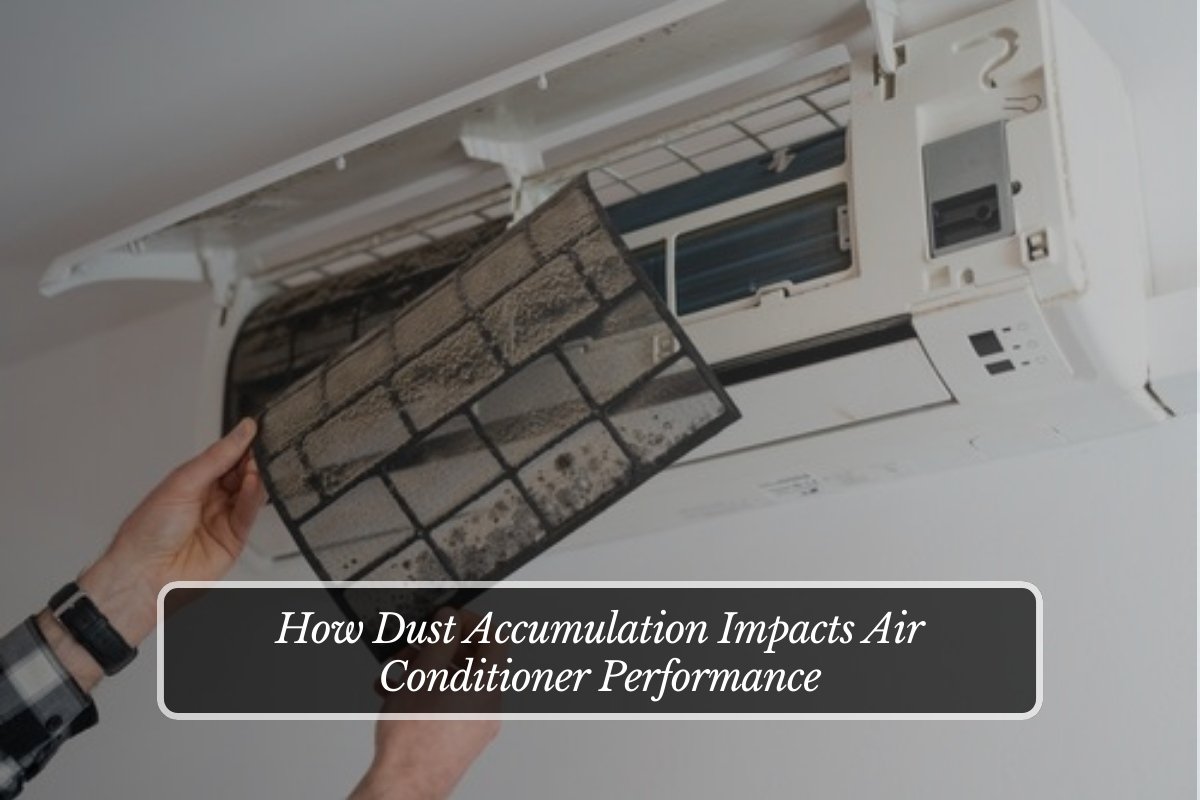
The evaporator and condenser coils play a central role in cooling by transferring heat. Over time, these coils collect dust, debris, and grime, which insulates them and reduces their effectiveness.
Dirty coils force the system to run longer cycles to achieve the same cooling results. This increases workload on the compressor, one of the most expensive components in the system. Routine cleaning during maintenance helps coils operate efficiently, protecting the compressor and preserving overall system health.
Protecting the Compressor Through Proper Refrigerant Levels
The compressor is often considered the heart of an air conditioning system. It is also one of the costliest parts to replace.
When refrigerant levels are too low due to leaks or improper charging, the compressor must work harder to maintain cooling performance. This increased stress accelerates wear and can lead to premature failure. Maintenance visits typically include checking refrigerant levels and identifying leaks early, helping to preserve compressor function and extend the unit’s lifespan.
Preventing Electrical Issues From Escalating
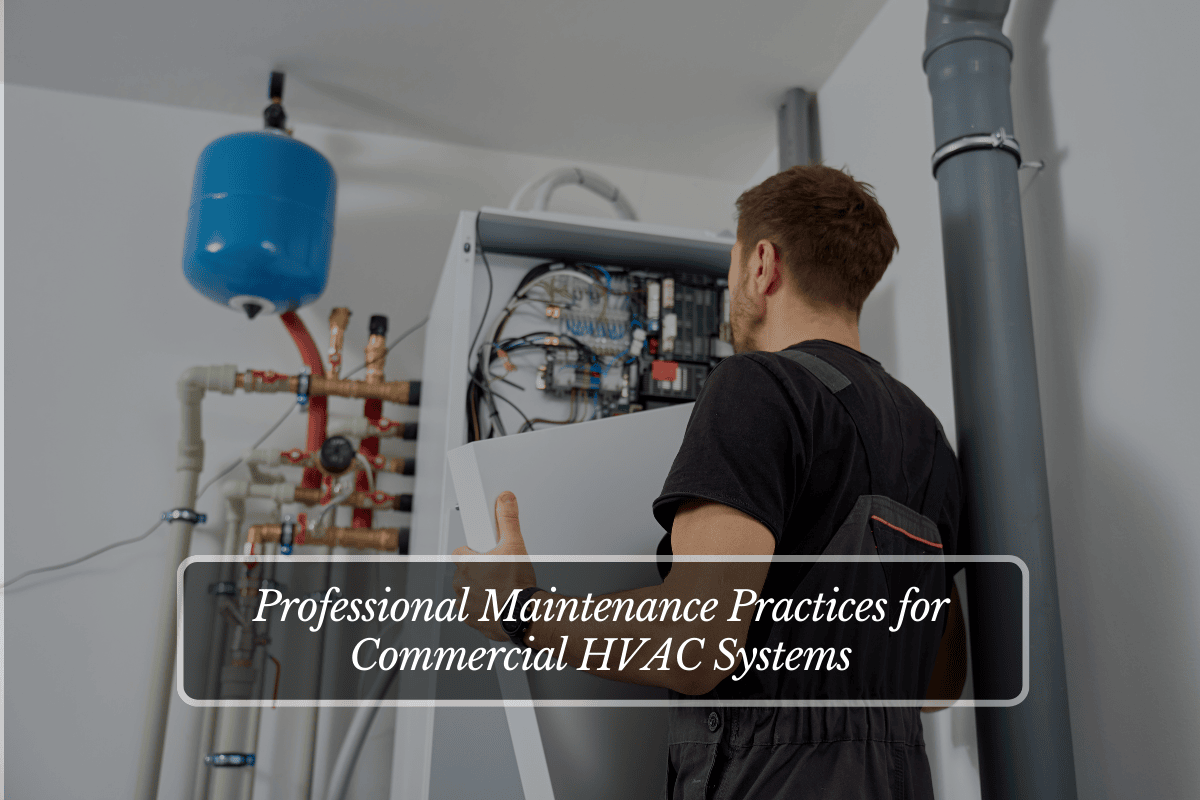
Air conditioning systems rely on numerous electrical components such as capacitors, contactors, wiring connections, and control boards. These components are vulnerable to wear, corrosion, and power-related stress.
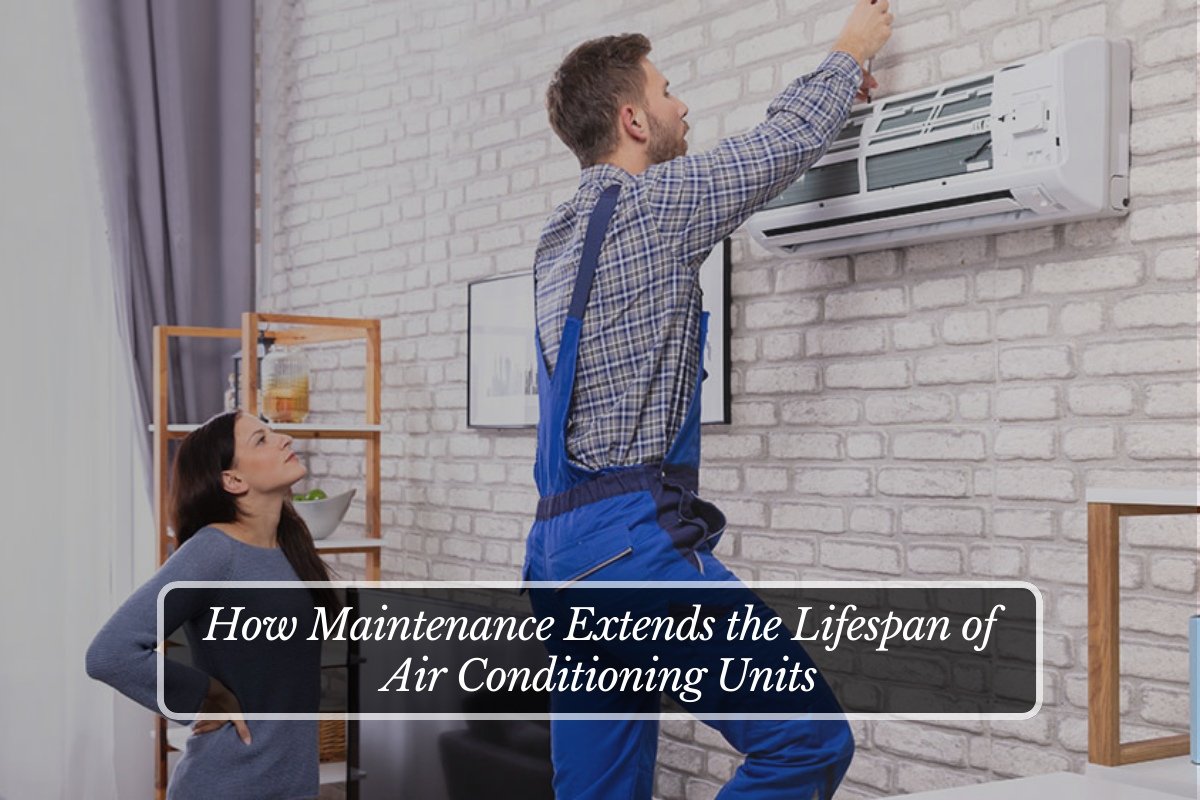
During routine maintenance, technicians inspect and test electrical systems to identify weak components, loose connections, or early signs of failure. Catching these issues early prevents sudden breakdowns and reduces the risk of damage spreading to other parts of the system. This proactive approach supports long-term reliability.
Ensuring Proper Airflow Throughout the System
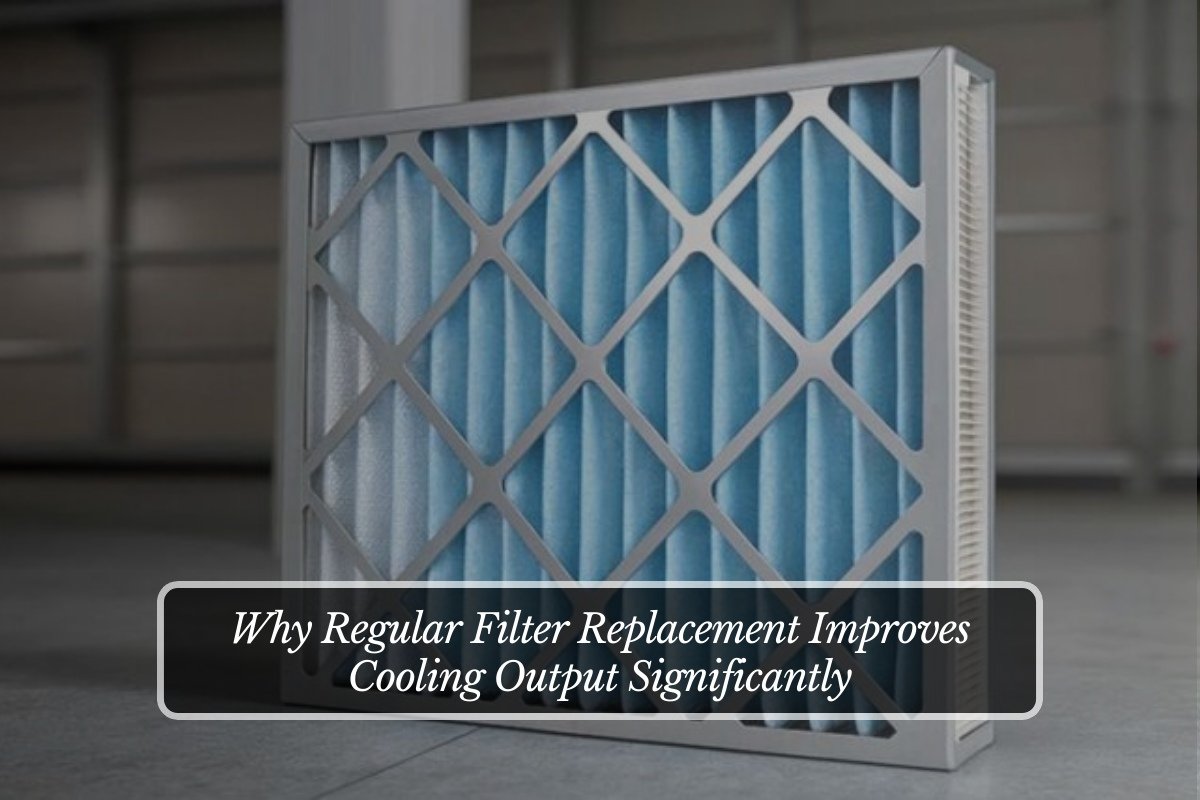
Airflow is essential for efficient cooling and system longevity. Restricted airflow caused by clogged filters, blocked ducts, or dirty blower components can significantly affect performance.
When airflow is limited, the system must run longer and harder, placing additional stress on internal parts. Regular maintenance includes replacing or cleaning filters, inspecting ductwork, and ensuring blower components are functioning properly. Maintaining healthy airflow reduces strain and supports balanced operation over time.
Identifying Small Problems Before They Become Major Repairs
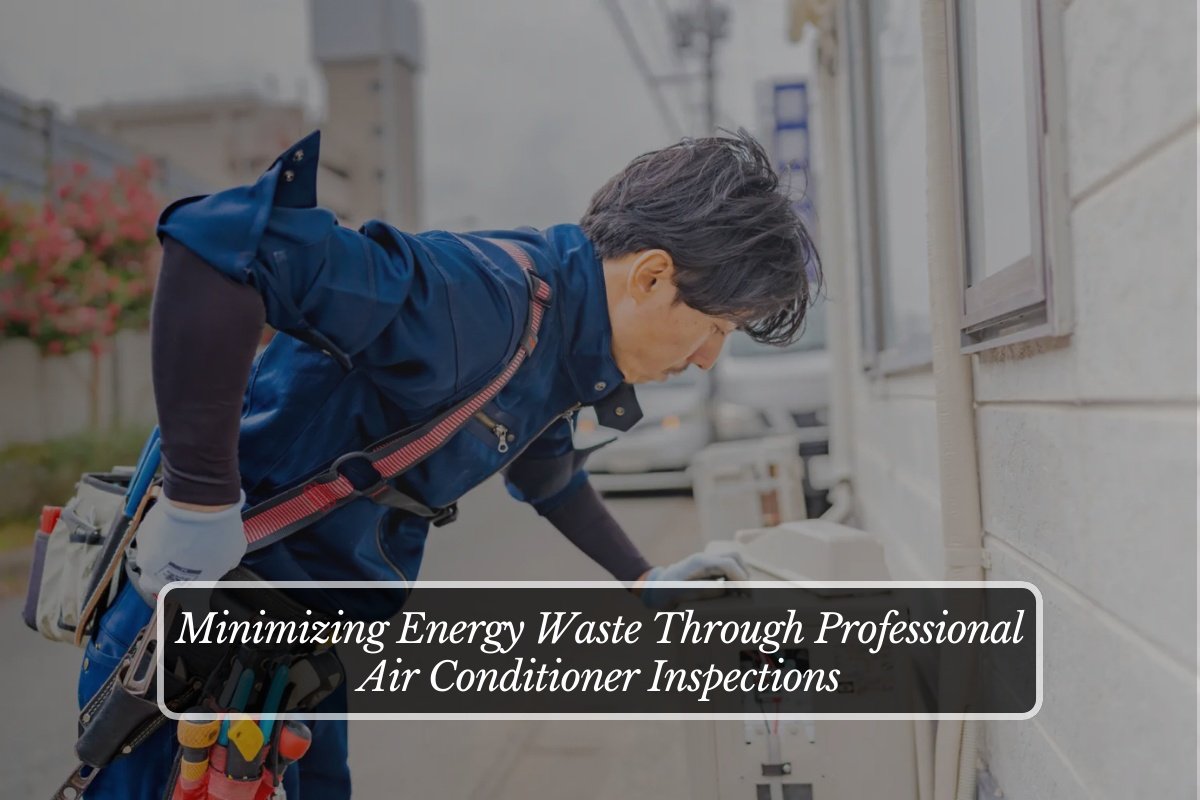
One of the greatest benefits of regular maintenance is early detection. Many serious system failures begin as minor issues that are easy and affordable to correct.
A worn belt, failing capacitor, or slight refrigerant imbalance may not cause immediate breakdown, but over time it can damage other components. Maintenance inspections allow technicians to identify and resolve these small problems before they escalate. This preventative approach significantly extends the overall lifespan of the unit.
Supporting Stable Operating Temperatures
When systems are poorly maintained, they often experience temperature fluctuations and inefficient cycling. Short cycling, overheating, or prolonged operation can all contribute to accelerated component wear.
Well-maintained systems operate within their intended temperature and pressure ranges. Stable operation reduces stress on motors, compressors, and electrical components. Over years of use, this stability plays a key role in preserving system integrity.
Reducing System Overwork and Energy Strain
A neglected air conditioner typically consumes more energy to achieve the same cooling results. This increased workload not only raises utility costs but also places greater physical strain on the system.
Regular maintenance restores efficiency by optimizing system performance. When the unit operates efficiently, it completes cooling cycles more easily and with less effort. Reduced effort translates directly into reduced wear, supporting longer system life.
Extending Equipment Life Through Consistent Care
Air conditioning systems that receive routine professional care often last significantly longer than those that are ignored. While the average system lifespan is often estimated around 10 to 15 years, well-maintained units can often exceed this range.
Maintenance does not prevent all eventual aging, but it slows the deterioration process. Consistent care helps systems age gracefully rather than deteriorate rapidly due to avoidable damage.
Preserving Manufacturer Warranty and System Value
Many manufacturers require regular professional maintenance as a condition of their warranty coverage. Skipping maintenance may void warranty protections, leaving owners responsible for expensive repairs that might otherwise be covered.
Beyond warranty considerations, a well-maintained system retains greater value. If a property is sold, documented maintenance history can increase buyer confidence. Maintenance becomes not only a functional benefit but also a financial asset.
Creating a Long-Term Cost Advantage
While maintenance requires periodic investment, it is far more cost-effective than frequent repairs or early system replacement. Replacing a compressor, repairing major electrical failures, or installing a new unit is significantly more expensive than annual service visits.
By extending the lifespan of the system, maintenance spreads the original investment over more years of reliable service. This long-term cost advantage makes routine care one of the smartest financial decisions for both homeowners and businesses.
Frequently Asked Questions
How often should an air conditioner be professionally maintained?
Most systems benefit from professional maintenance at least once per year, ideally before the peak cooling season begins.
Can maintenance really add years to a system’s life?
Yes. Regular maintenance reduces wear, prevents major damage, and supports efficient operation, all of which contribute to longer system lifespan.
What happens if I skip maintenance for a few years?
Skipping maintenance increases the risk of breakdowns, reduces efficiency, shortens component life, and can lead to expensive repairs or early replacement.
Is changing the air filter enough to maintain the system?
Filter changes are important but not sufficient. Professional maintenance addresses deeper mechanical, electrical, and refrigerant-related issues that homeowners cannot safely manage themselves.
Does maintenance help prevent unexpected breakdowns?
Yes. Regular inspections help identify and fix small problems early, significantly reducing the risk of sudden system failure.
Is maintenance still worthwhile for older systems?
Absolutely. Older systems often benefit the most from maintenance because they are more vulnerable to wear and inefficiency. Proper care can help extend their useful life and improve performance.