Uneven cooling is one of the most common complaints among homeowners using central or split air conditioning systems. Some rooms may feel too cold, while others remain warm and uncomfortable. This imbalance not only affects comfort but also increases energy consumption as the system works harder to compensate.
Identifying the root cause and applying the right solution can restore consistent airflow and improve overall efficiency. This article explains the common reasons for uneven cooling and how to fix them effectively.
Common Causes of Uneven Cooling
Understanding the underlying issue is the first step toward solving the problem.
1. Blocked or Closed Air Vents
Furniture placement, curtains, or partially closed vents can restrict airflow to certain rooms.
Solution:
- Ensure all vents are fully open
- Remove obstructions around supply and return vents
- Clean visible dust buildup
Even minor airflow restrictions can significantly affect temperature balance.
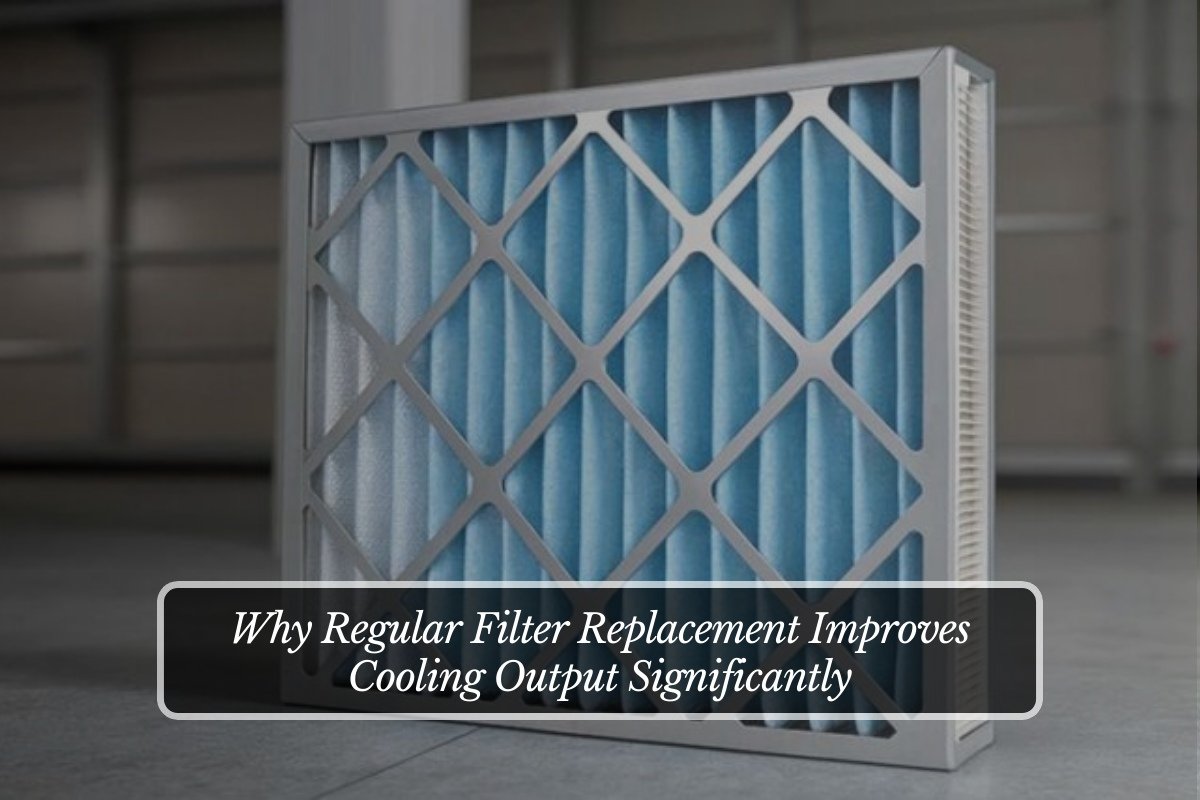
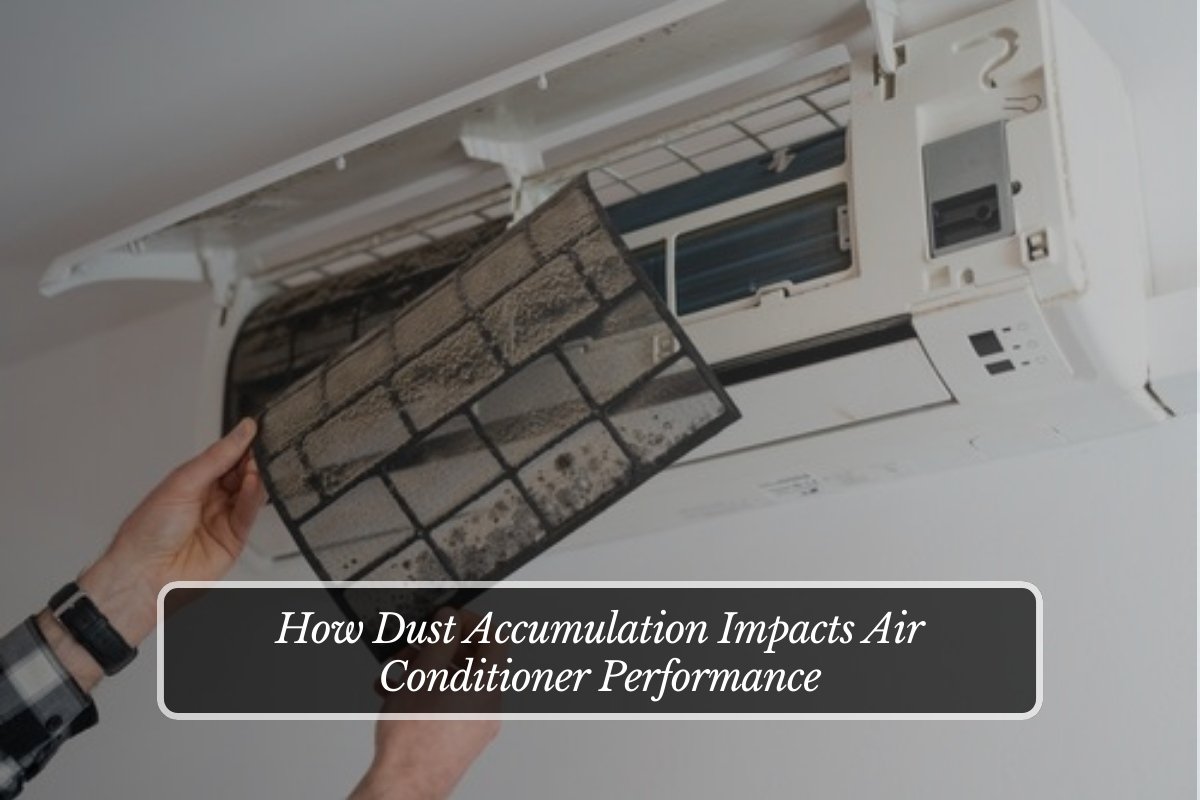
2. Dirty Air Filters
Clogged filters reduce airflow across the entire system.
Fix:
- Replace or clean air filters every 1–3 months
- Check filters more frequently in homes with pets
Improved airflow helps distribute cool air evenly.
3. Ductwork Leaks or Poor Insulation
Leaky or poorly insulated ducts can cause cool air to escape before reaching intended rooms.
Corrective Actions:
- Inspect duct joints for leaks
- Seal gaps using professional-grade duct sealant
- Insulate ducts in attics or crawl spaces
Duct efficiency plays a major role in consistent cooling.
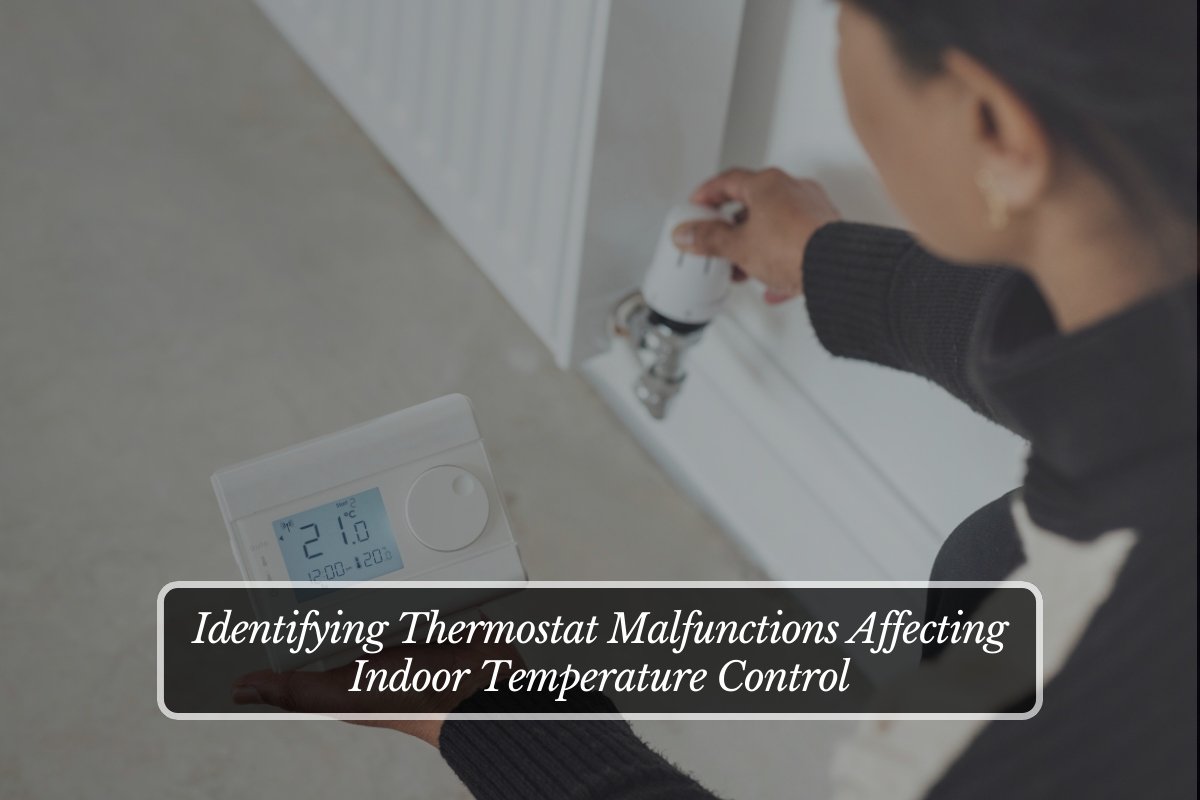
4. Incorrect Thermostat Placement
If the thermostat is installed near a window, kitchen, or heat source, it may misread indoor temperature.
Solutions:
- Relocate thermostat to a central location
- Install a programmable or smart thermostat
- Consider zoned temperature control
Accurate readings improve overall temperature balance.
Airflow Imbalance Issues
Air distribution problems often stem from system design or component malfunction.
Common Airflow Issues:
- Undersized ductwork
- Blocked return vents
- Faulty blower motor
- Damaged fan components
A professional airflow assessment can identify whether the system requires mechanical adjustments.
Airflow Diagnostic Overview
| Issue Identified | Impact on Cooling | Recommended Fix |
|---|---|---|
| Leaky ducts | Air loss | Seal and insulate |
| Weak blower motor | Reduced circulation | Motor repair/replacement |
| Clogged filter | Air restriction | Replace filter |
| Improper duct size | Uneven distribution | Duct redesign |
Proper airflow balance is essential for uniform cooling.
Zoning System Considerations
Large or multi-story homes often benefit from zoned cooling systems.
Benefits of Zoning:
- Independent temperature control for different areas
- Reduced energy waste
- Improved comfort in upper floors
- Balanced cooling performance
If your home frequently experiences uneven temperatures between floors, zoning may be a long-term solution.
Insulation and Home Structure Factors
Sometimes uneven cooling is not entirely an HVAC issue.
Structural Causes:
- Poor attic insulation
- Sun exposure on specific walls
- Large windows without proper shading
- Inadequate sealing around doors and windows
Improving home insulation reduces heat gain and stabilizes indoor temperatures.
Refrigerant or System Performance Issues
Low refrigerant levels or dirty evaporator coils can reduce cooling capacity.
Professional Solutions:
- Refrigerant level inspection
- Coil cleaning
- System calibration
- Performance testing
These measures ensure the AC unit operates at peak efficiency.
When to Call a Professional
You should seek professional help if:
- Uneven cooling persists after filter replacement
- Certain rooms never cool properly
- You hear unusual noises from the unit
- Energy bills increase significantly
- Airflow feels consistently weak
Technicians can perform airflow balancing and system diagnostics to resolve complex issues.
Preventive Maintenance Tips
Preventing uneven cooling is easier than fixing it later.
Recommended Maintenance:
- Annual HVAC servicing
- Regular filter replacement
- Duct inspection every few years
- Keeping vents unobstructed
- Monitoring thermostat performance
Routine care ensures consistent cooling and reduces long-term repair costs.
Energy Efficiency Benefits
Fixing uneven cooling improves more than comfort. It also:
- Reduces system runtime
- Lowers electricity bills
- Minimizes component wear
- Extends system lifespan
- Enhances indoor air quality
Balanced airflow reduces unnecessary strain on the compressor and blower motor.
FAQs
Why is my upstairs warmer than downstairs?
Heat naturally rises, and insufficient airflow or poor insulation can worsen the temperature difference.
Can a dirty filter cause uneven cooling?
Yes, clogged filters restrict airflow and reduce cooling distribution.
Is duct cleaning necessary for uneven cooling?
If ducts are blocked or leaking, cleaning and sealing can significantly improve airflow.
Will a smart thermostat fix uneven cooling?
It can improve temperature control but may not resolve underlying airflow or duct issues.
How often should ducts be inspected?
Every 3–5 years or whenever airflow issues are suspected.