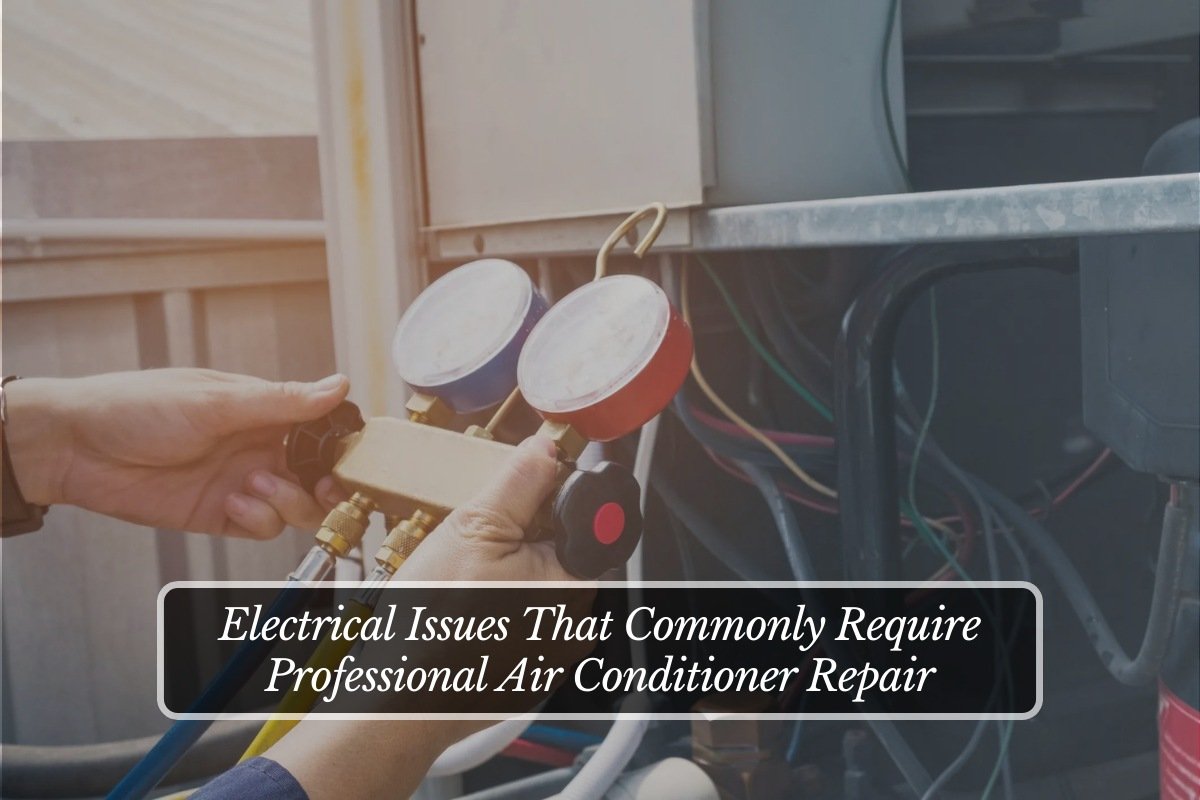
Air conditioning systems rely on a network of electrical components to operate safely and efficiently. While homeowners can handle basic troubleshooting, many electrical issues are complex, hazardous, and best left to trained professionals.
Attempting DIY repairs on electrical components can lead to system damage, voided warranties, or serious safety risks. Understanding which electrical problems typically require professional air conditioner repair can help you act quickly and avoid costly consequences.
Repeatedly Tripped Circuit Breakers
A circuit breaker that trips occasionally may be reacting to a temporary power surge, but repeated or immediate tripping is a serious warning sign. This often indicates:
- Short circuits
- Overloaded electrical components
- Failing compressors or motors
- Faulty wiring
Because breakers are designed to prevent fires and electrical damage, repeated tripping should never be ignored. A professional technician is needed to diagnose the root cause and restore safe operation.
Failed or Weak Capacitors
Capacitors provide the electrical boost needed to start and run motors in the air conditioner. When a capacitor fails or weakens, you may notice:
- Humming sounds without the system starting
- AC fan not spinning
- Intermittent operation
Capacitors store electrical energy and can hold a dangerous charge even after power is shut off. Replacing or testing them requires proper tools and safety procedures, making professional repair essential.
Contactor Malfunctions
The contactor is an electrical switch that controls power flow to major AC components. Over time, contactors can become pitted, stuck, or burned due to frequent cycling and heat exposure.
A faulty contactor may cause:
- The system to run continuously
- Failure to turn on
- Clicking or buzzing noises
Because contactors are directly connected to high-voltage circuits, repairs should only be handled by licensed technicians.
Burnt, Loose, or Damaged Wiring
Electrical wiring inside an air conditioner is exposed to vibration, heat, and moisture. These conditions can loosen connections, wear insulation, or cause wires to burn.
Signs of wiring issues include:
- Burning or electrical odors
- Visible scorch marks
- Intermittent system shutdowns
Damaged wiring poses a serious fire risk. Professional repair ensures wiring is safely replaced, secured, and tested to meet electrical standards.
Faulty Control Boards
Modern air conditioners use electronic control boards to manage system functions, timing, and safety controls. Power surges, moisture, or component failure can damage these boards.
Symptoms of control board problems include:
- Unresponsive systems
- Random or erratic operation
- Error codes or blinking lights
Control board diagnosis requires specialized knowledge and equipment, and replacement must be done carefully to avoid further damage.
Compressor Electrical Failures
The compressor is the most power-demanding component in an AC system. Electrical issues affecting the compressor—such as winding failures, voltage imbalance, or internal shorts—can prevent cooling altogether.
Because compressors operate under high voltage and pressure, electrical repairs involving the compressor always require professional expertise. Improper handling can cause severe injury or irreversible system damage.
Thermostat Wiring and Voltage Issues
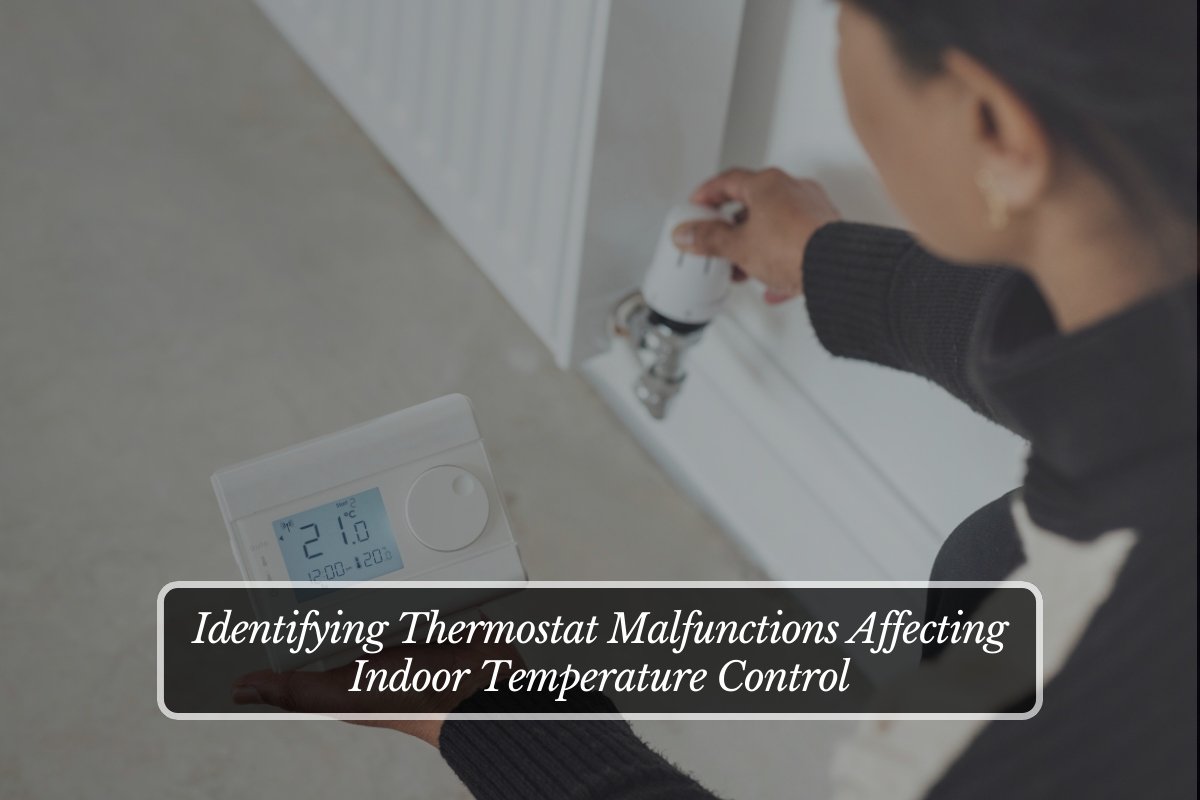
While thermostats appear simple, they rely on low-voltage wiring that communicates with the air conditioner’s control system. Wiring faults or voltage mismatches can cause:
- Incorrect temperature readings
- Failure to turn on or off
- Short cycling
Technicians can test voltage levels, verify wiring integrity, and ensure compatibility between the thermostat and AC system.
Electrical Grounding Problems
Proper grounding protects both the system and the home from electrical faults. Poor or missing grounding can lead to:
- Increased risk of electrical shock
- Damage from power surges
- Interference with system controls
Grounding issues are not visible and require professional testing and correction to meet safety codes.
Power Surges and Electrical Damage
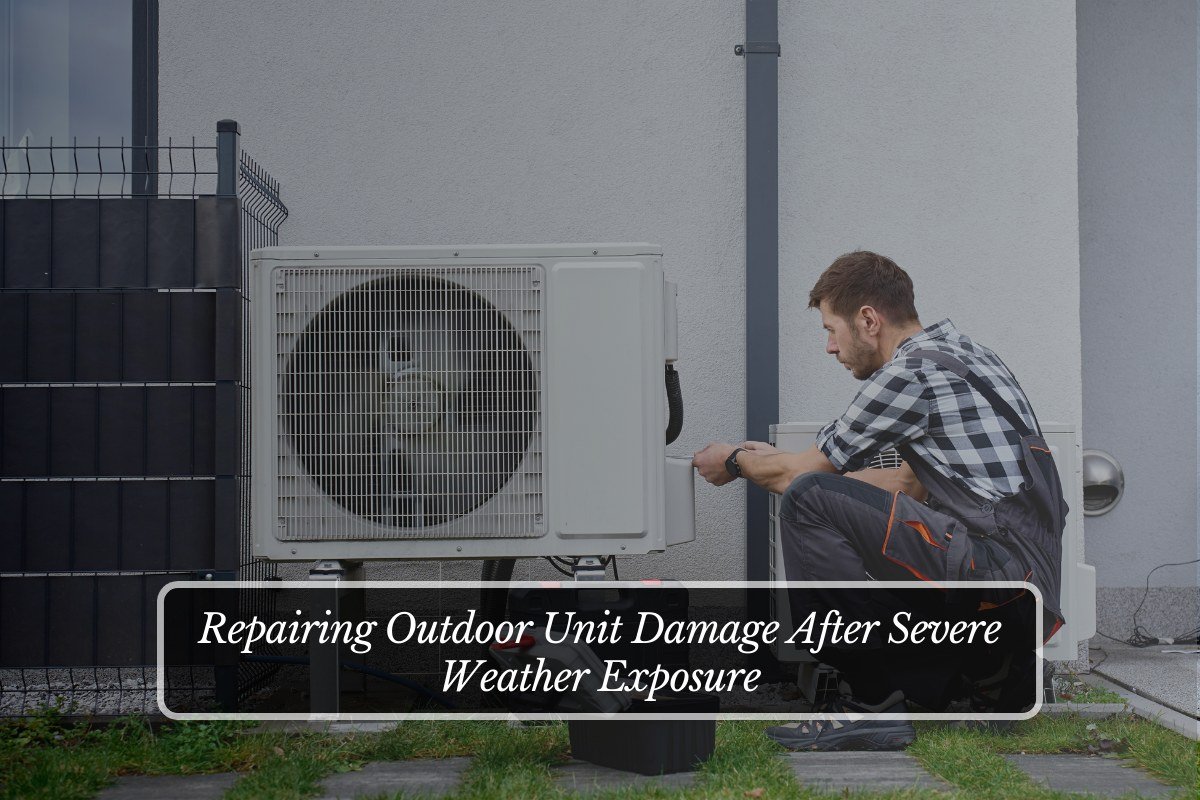
Lightning strikes or utility power surges can damage multiple AC components at once, including capacitors, control boards, and motors. Even if the system still runs, hidden electrical damage can shorten lifespan or cause future failure.
A professional inspection is necessary after any suspected surge to identify compromised components before they fail completely.
Why Professional Repair Is Essential for Electrical Issues
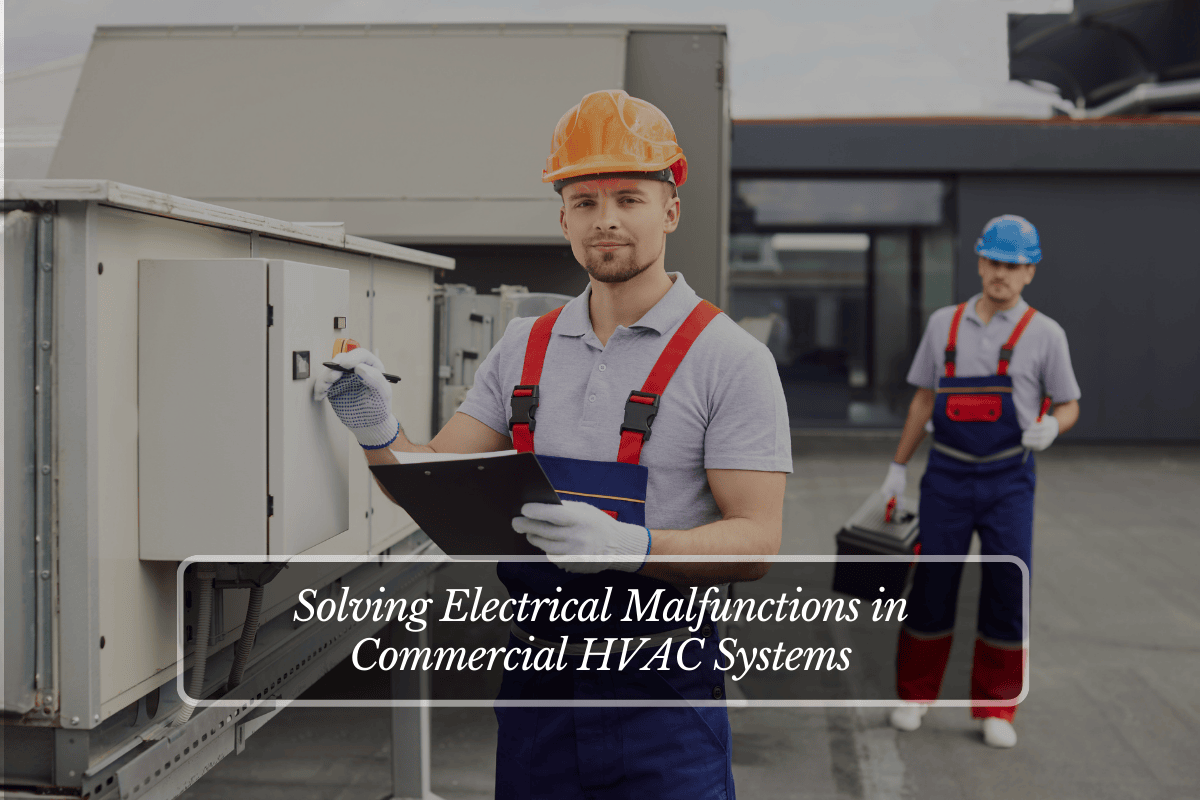
Electrical repairs demand technical training, safety equipment, and code compliance. Licensed HVAC technicians:
- Diagnose problems accurately
- Repair or replace components safely
- Protect warranties
- Ensure system reliability and safety
Attempting electrical repairs without proper expertise can worsen damage and create serious hazards.
Frequently Asked Questions (FAQ)
Q. Can I replace AC electrical parts myself
Simple parts may appear replaceable, but most electrical components pose safety risks and should be handled by professionals.
Q. Why does my AC hum but not start
This often indicates a failed capacitor or contactor, both of which require professional repair.
Q. Is it dangerous to keep resetting a tripped breaker
Yes. Repeatedly resetting a breaker without fixing the cause can lead to electrical fires or equipment damage.
Q. How do I know if an electrical issue is serious
Burning smells, repeated shutdowns, sparks, or breaker trips are all signs that immediate professional service is needed.
Q. Are electrical AC repairs expensive
Costs vary, but early professional repair is usually far less expensive than replacing major components damaged by neglect.
Electrical issues are among the most serious and complex problems an air conditioner can face. From failed capacitors and contactors to wiring damage and control board failures, these issues demand professional diagnosis and repair. Addressing electrical problems promptly not only restores comfort but also protects your home, your safety, and the long-term health of your air conditioning system.