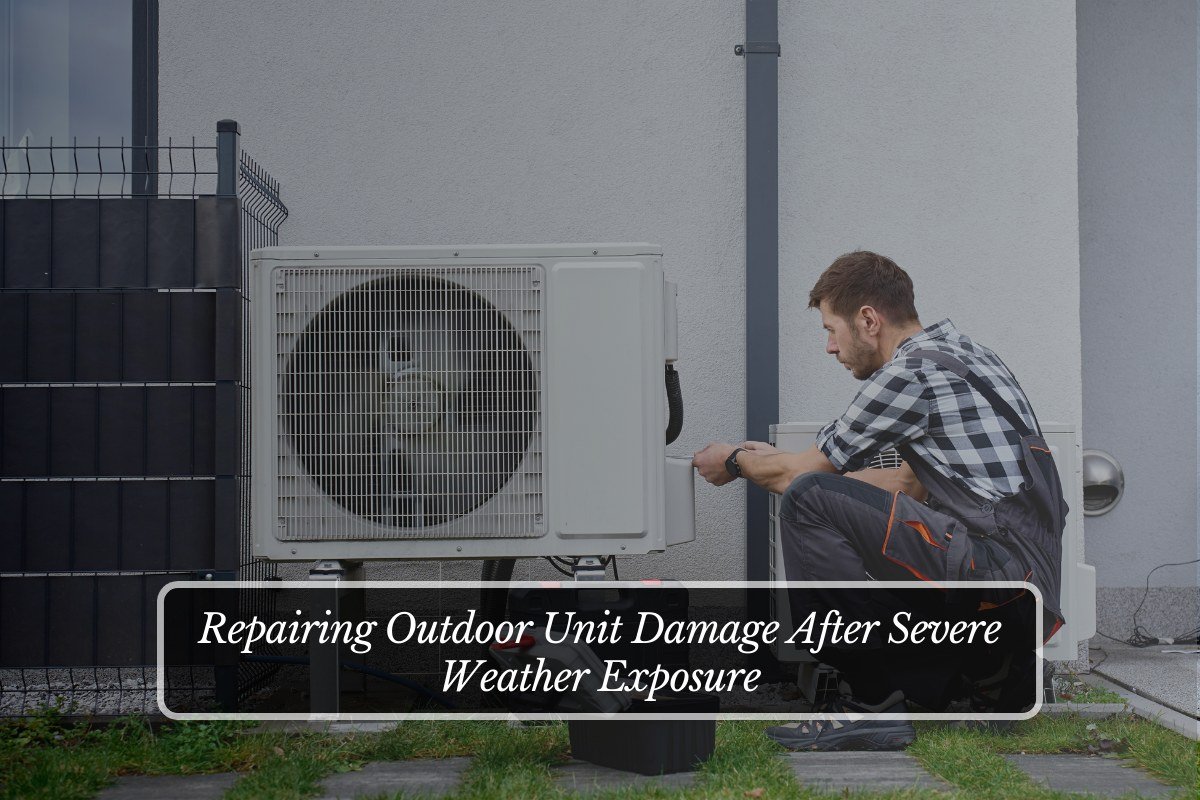
Fan motors play a critical role in the operation of split air conditioning systems. In a typical split AC, there are two fan motors: one in the indoor unit (evaporator fan) and one in the outdoor unit (condenser fan). These motors circulate air across the coils, enabling effective heat exchange. When a fan motor fails, cooling performance drops significantly and system components may overheat.
Role of Fan Motors in Split AC Systems
Fan motors ensure consistent airflow within the system.
Indoor Fan Motor (Evaporator Fan):
- Circulates cool air into the room
- Pushes warm indoor air across the evaporator coil
- Maintains proper airflow balance
Outdoor Fan Motor (Condenser Fan):
- Expels heat absorbed from indoors
- Supports refrigerant cooling
- Prevents compressor overheating
If either motor fails, the cooling cycle becomes inefficient or stops entirely.
Common Symptoms of Fan Motor Failure
Recognizing early warning signs helps prevent major breakdowns.
Typical Symptoms:
- Weak or no airflow from indoor unit
- Outdoor unit fan not spinning
- AC running but not cooling effectively
- Unusual humming or grinding noises
- Frequent system shutdowns
- Burning smell from the unit
These symptoms indicate potential electrical or mechanical failure.
Step-by-Step Diagnostic Process
Professional technicians follow a structured approach to identify fan motor issues.
1. Visual Inspection
- Check for visible obstructions
- Inspect fan blades for damage
- Look for burnt wires or loose connections
- Examine capacitor condition
Physical damage or debris may restrict motor operation.
2. Power Supply Check
Technicians verify:
- Voltage supply to the motor
- Proper functioning of circuit breakers
- Control board signals
A lack of power may indicate wiring faults rather than motor failure.
3. Capacitor Testing
Fan motors rely on capacitors to start and run efficiently.
- Test capacitor using a multimeter
- Compare readings with manufacturer specifications
- Replace faulty capacitors if needed
A failed capacitor is one of the most common causes of fan motor issues.
4. Motor Resistance Testing
Using a multimeter, technicians measure winding resistance.
| Test Type | Purpose |
|---|---|
| Continuity Test | Check if motor windings are intact |
| Resistance Reading | Detect internal damage |
| Ground Test | Identify short circuits |
Abnormal readings typically confirm motor failure.
5. Bearing and Mechanical Inspection
Grinding or squealing noises often indicate worn bearings.
- Spin fan blades manually (power off)
- Check for resistance or wobbling
- Inspect shaft alignment
Mechanical wear can cause overheating and eventual burnout.
Causes of Fan Motor Failure
Understanding root causes helps prevent recurrence.
Common Causes:
- Electrical surges
- Overheating due to dirty coils
- Poor ventilation
- Worn bearings
- Lack of lubrication
- Prolonged system overuse
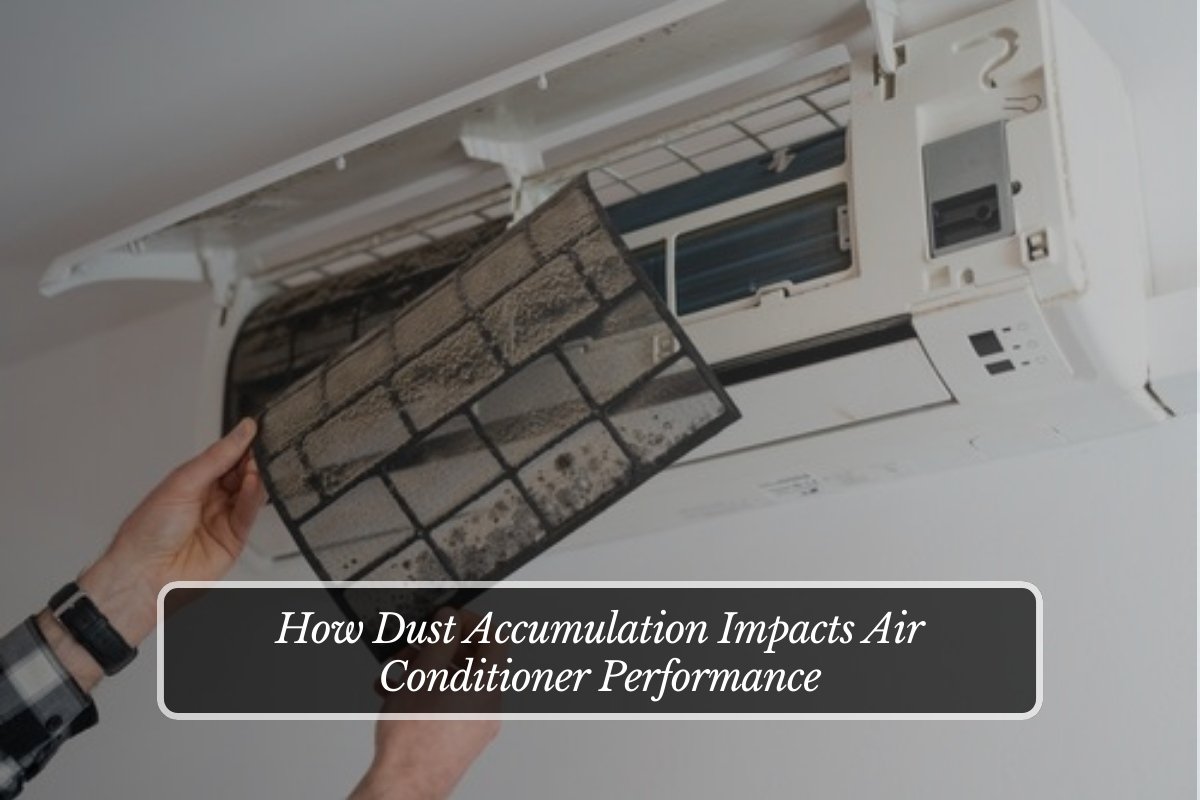
- Accumulated dust and debris
Routine maintenance reduces these risks significantly.
Repair vs. Replacement
After diagnosis, technicians determine whether repair or replacement is appropriate.
Repair Is Possible When:
- Capacitor failure is the only issue
- Minor wiring damage exists
- Bearings can be replaced
Replacement Is Recommended When:
- Motor windings are burnt
- Severe internal damage is present
- Motor repeatedly overheats
- System is aging
Replacing a faulty motor ensures long-term reliability.
Preventive Maintenance Tips
Preventing fan motor failure is more cost-effective than repairs.
Recommended Practices:
- Clean evaporator and condenser coils regularly
- Replace air filters every 1–3 months
- Schedule annual professional servicing
- Ensure proper outdoor unit clearance
- Address unusual noises immediately
Preventive care extends motor lifespan and maintains system efficiency.
Safety Considerations
Fan motor diagnostics involve electrical components and should be handled by qualified technicians. Incorrect testing or wiring adjustments can result in electric shock, system damage, or voided warranties.
Always turn off power before inspecting any AC component.
FAQs
What happens if the outdoor fan motor fails?
The compressor may overheat, causing the system to shut down or suffer serious damage.
Can a split AC run without the indoor fan?
No, without proper airflow, cooling performance will drop and the evaporator coil may freeze.
Is a faulty capacitor often mistaken for motor failure?
Yes, capacitor failure is common and may prevent the motor from starting.
How long does a fan motor typically last?
With proper maintenance, a fan motor can last 8–12 years depending on usage.
Should I repair or replace a failed fan motor?
Replacement is usually recommended if the motor windings are damaged or the unit is aging.